Trauma-Informed Sound Sessions: Crafting Safe Opening Scripts
Key Insights
Discover how carefully crafted opening scripts at Soul Art Dubai create safe, trauma-informed sound wellness experiences. Learn the science and practice.
Unlocking Deeper Well-being: The Power of Trauma-Informed Opening Scripts
Did you know that a significant majority of adults worldwide have experienced at least one traumatic event in their lifetime? Studies, including the Adverse Childhood Experiences (ACEs) study, indicate that about two-thirds of participants reported at least one adverse childhood experience, with many experiencing multiple. Trauma is a universal experience for many and can profoundly impact long-term health, emotional regulation, and our sense of safety in the world (Holm-Hansen, 2014; Kessler et al., 1999; El-Gabalawy, 2012).
At Soul Art Dubai, founded by Larissa Steinbach, we understand that true relaxation and transformative wellness can only flourish within an environment of absolute safety and understanding. This is precisely why our approach to sound wellness is deeply rooted in trauma-informed principles, particularly through the careful curation of our opening scripts. This article will delve into the science behind trauma, explore how sound can gently support nervous system regulation, and reveal the meticulous methods Larissa Steinbach employs to create truly safe and empowering sound sessions.
You will learn why a trauma-informed lens is not just beneficial, but essential, for any wellness practice aiming to support holistic well-being. We will explore how specific language and intentional communication before a session begins can significantly enhance the client's experience, fostering trust and allowing for deeper, more meaningful engagement with the healing vibrations of sound. Understanding these elements can pave the way for a more profound and supportive wellness journey.
The Science Explained
Trauma, whether it stems from a single event or a series of experiences, profoundly alters an individual's physiological and psychological landscape. It is not merely a memory but a deep-seated response embedded within the nervous system, affecting everything from our sense of safety to our ability to connect with others (Holm-Hansen, 2014; SAHMSA, 2014). For those living with the echoes of past trauma, even seemingly innocuous situations can trigger a fight, flight, or freeze response, making traditional relaxation techniques potentially challenging or even overwhelming.
The Pervasive Nature of Trauma and Its Impact
Research consistently highlights the widespread prevalence of trauma. The Centers for Disease Control and Prevention's ACEs study, for example, revealed a strong correlation between adverse childhood experiences and later health-related behaviors and conditions. These behaviors, ranging from substance abuse to heightened anxiety, often serve as coping mechanisms for emotional or social distress (Center for Disease Control, 2014). The impacts of trauma are far-reaching, affecting an individual's:
- Long-term health: Chronic stress, inflammation, and various health conditions.
- Sense of safety and self-concept: Difficulty feeling secure, negative self-perception.
- Interpersonal relationships and social skills: Challenges with trust, intimacy, and connection.
- Emotional management: Leading to withdrawal, agitation, hostility, or risk-taking behaviors.
- Cognitive skills: Impairments in problem-solving, concentration, or abstract reasoning.
Holm-Hansen (2014) underscores that trauma is not interpreted uniformly across cultural communities. Therefore, effective trauma-informed approaches must be culturally sensitive, respecting diverse coping strategies and worldviews. The absence of trauma-informed care can inadvertently exacerbate distress, as many healthcare workers have historically expressed a lack of confidence in working with trauma survivors (Stewart, 2005).
The Nervous System and Sound's Gentle Influence
The human nervous system is exquisitely sensitive to auditory input. When we experience trauma, the sympathetic nervous system often becomes hyper-activated, preparing the body for perceived threats. Sound, when delivered intentionally and safely, possesses a unique ability to influence the vagus nerve, a key component of the parasympathetic nervous system responsible for rest and digest functions. By engaging the vagus nerve, specific sound frequencies can help shift the body from a state of hyper-arousal to one of calm and relaxation.
Sound therapy modalities, such as sound baths, harness these vibrational qualities. The body receives sound waves not only through the ears but also through the skin, creating a full-body sensory experience. Preliminary studies, though often small, consistently point towards promising benefits. For instance, participants in a sound meditation session with singing bowls reported significant reductions in tension, anger, fatigue, and depression (UCLA Health). Similarly, binaural beats have shown a moderate but consistent effect on anxious thoughts and may even improve cognition, memory, and attention when used before or during tasks (UCLA Health). This suggests that sound offers a non-invasive, gentle pathway to nervous system regulation.
"True healing begins when safety is established. Sound, as a subtle yet profound language, offers a unique pathway to re-regulate the nervous system, but only if the container for that experience is built upon trust and understanding."
While research into the precise mechanisms and optimal applications of sound therapy continues to evolve, the consensus among experts is that it holds significant potential as a complementary wellness practice. It can support the reduction of stress, anxiety, and general discomfort, making it a valuable tool in holistic well-being strategies (Sermo). However, it is crucial that sound wellness is facilitated by trained practitioners who understand the nuances of working with diverse populations, especially those with trauma histories.
The Foundation of Trauma-Informed Care
Trauma-informed care is not a specific technique but rather a fundamental shift in perspective and approach. It operates under the assumption that many individuals seeking wellness services may have experienced trauma, whether acknowledged or not, and that their presenting behaviors may be adaptive responses to these experiences. This approach emphasizes:
- Safety: Ensuring physical and emotional security.
- Trustworthiness and Transparency: Building trust through clear communication and consistent boundaries.
- Peer Support: Creating environments that foster connection and mutual understanding.
- Collaboration and Mutuality: Sharing power and decision-making.
- Empowerment, Voice, and Choice: Valuing and strengthening individuals' abilities to make informed decisions.
- Cultural, Historical, and Gender Issues: Recognizing and addressing cultural biases and specific needs (SAMHSA, 2007).
Implementing a trauma-informed approach requires constant attention and care; it’s not about checking things off a list but about ongoing mindfulness and examination (UMass Donahue Institute). This means being attuned to potential triggers, understanding cultural contexts (e.g., how eye contact might be perceived differently across cultures), and proactively creating an environment where every individual feels respected and safe.
How It Works in Practice: The Art of the Opening Script
Connecting the scientific understanding of trauma with practical application is where the art of trauma-informed sound wellness truly shines. For individuals whose nervous systems are accustomed to vigilance, the transition into a state of relaxation can be daunting. This is precisely why the opening script of a sound session is not merely an introduction; it is the cornerstone of safety, trust, and empowerment. It bridges the gap between the external world and the internal experience, creating a vital sense of predictability and control.
Before any sound instrument is played, a carefully constructed opening script establishes a "safe container" for the session. This script is designed to:
- Set Clear Expectations: By explaining the process, the sounds that will be used, and the potential sensations that might arise, the practitioner demystifies the experience. This transparency reduces anxiety and builds trust.
- Offer Choice and Autonomy: The script empowers clients by clearly stating their right to adjust their position, leave the room, or pause the session at any time. This explicit permission to self-regulate is paramount for trauma survivors who may have experienced a loss of control.
- Normalize Responses: Acknowledging that individuals may experience a range of emotions or physical sensations during the session—from deep relaxation to gentle emotional release—validates their internal experience. This reassurance helps prevent feelings of alarm if unexpected sensations arise.
- Emphasize Non-Judgment: The script conveys a message of acceptance, reassuring clients that there is no "right" or "wrong" way to experience the sound. This fosters an environment where clients can simply be, without pressure.
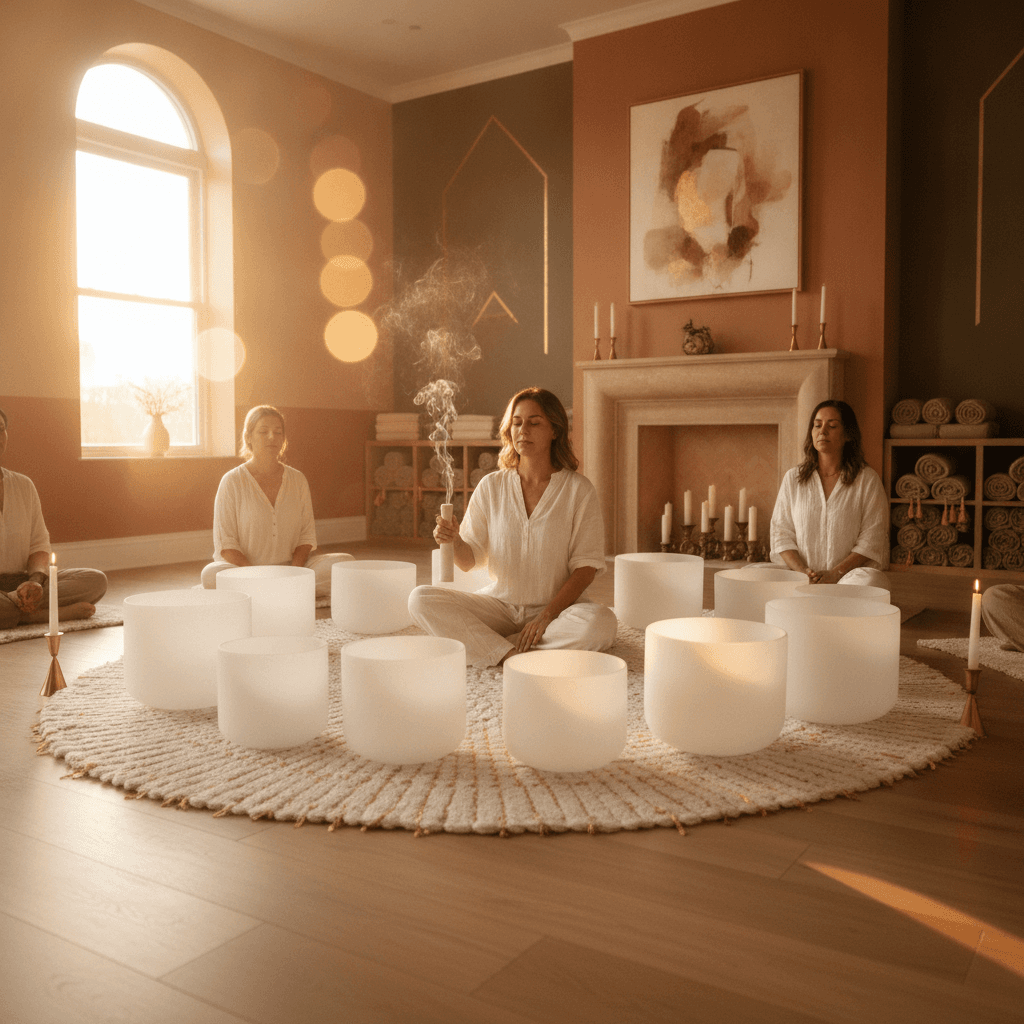
In practice, clients experience a profound sense of being seen and understood even before the session commences. The warm, inviting tone of the practitioner's voice, combined with the clear, empowering language of the script, acts as a gentle invitation into a secure space. The sensory details of the environment—soft lighting, comfortable mats, the subtle aroma of natural essences—further support this sense of calm. As the session progresses, the sounds themselves, from the resonant depth of gongs to the ethereal chime of singing bowls, become a gentle anchor. The mind, having been prepared and reassured, is more readily able to let go, allowing the vibrations to wash over the body and support a natural descent into a state of deep relaxation. This meticulous pre-session communication ensures that the sounds facilitate healing, rather than inadvertently triggering distress, allowing individuals to work through emotional responses in a gentle, contained manner, similar to how Emotion-Focused Therapy (EFT) prioritizes safe interpersonal connections (Dalton, 2013).
The Soul Art Approach
At Soul Art Dubai, Larissa Steinbach has meticulously integrated these trauma-informed principles into the very fabric of every sound wellness experience. Her approach is characterized by an unwavering commitment to creating a sanctuary where every individual feels deeply respected, heard, and safe. Larissa understands that the energetic blueprint of a session begins long before the first sound is played, making the opening script a vital therapeutic tool.
What makes the Soul Art method truly unique is its highly personalized and culturally sensitive application of trauma-informed care. Recognizing that cultural communities interpret trauma and coping mechanisms differently, Larissa ensures her language and offerings are adaptable and inclusive (Holm-Hansen, 2014). She prioritizes a collaborative dialogue, inviting clients to share their needs and preferences, thereby honoring their autonomy and innate wisdom. This bespoke approach ensures that the wellness journey aligns deeply with each individual’s personal and cultural context.
Larissa utilizes a diverse array of instruments, each selected for its unique vibrational quality and ability to create a harmonious, non-invasive soundscape. These include:
- Himalayan Singing Bowls: Known for their rich, sustained tones that resonate deeply within the body.
- Crystal Singing Bowls: Offering pure, clear frequencies that may support mental clarity and energetic balance.
- Gongs: Providing profound, immersive sound journeys that can facilitate deep states of relaxation and release.
- Chimes and Tuning Forks: Used for their delicate, precise tones that can gently stimulate the nervous system and promote energetic alignment.
Each instrument is played with intention and sensitivity, never imposing but always inviting. Larissa's skilled facilitation ensures that the sound remains a supportive presence, guiding the client towards self-regulation rather than overwhelming them. Her training emphasizes not just the acoustics of sound, but the entire energetic and psychological space surrounding the experience. This dedication ensures that Soul Art provides not just sound sessions, but deeply restorative and empowering wellness journeys grounded in the highest standards of trauma-informed care.
Your Next Steps: Embracing Trauma-Informed Wellness
Embarking on a sound wellness journey, especially with a trauma-informed lens, can be a profoundly rewarding experience. It’s an opportunity to cultivate a deeper connection with your inner self, restore nervous system balance, and foster a lasting sense of peace. To ensure you find the most supportive and beneficial experience, consider these actionable steps:
- Seek Out Qualified Practitioners: Prioritize practitioners who explicitly state their commitment to trauma-informed care and have verifiable training. Ask questions about their approach to safety and client autonomy. The Sermo journal emphasizes the importance of carefully vetted practitioners.
- Communicate Openly: Before your session, share any relevant history or concerns you have. A trauma-informed practitioner like Larissa Steinbach will welcome this dialogue and adapt their approach to your unique needs.
- Set Your Intentions: Take a moment before your session to consider what you hope to gain. Whether it's relaxation, stress reduction, or simply a moment of calm, having a clear intention can enhance your experience.
- Practice Self-Compassion: Understand that your response to sound wellness is unique. Some days you might experience deep relaxation, others a gentle emotional release. Be kind to yourself throughout the process, without judgment.
- Start Gently: If you are new to sound wellness or have a history of trauma, consider starting with shorter, individual sessions. This allows you to gradually acclimate to the experience in a controlled and comfortable environment.
Taking these steps ensures that your engagement with sound wellness is not only deeply relaxing but also profoundly empowering. It’s about creating a personal sanctuary for your well-being, guided by expertise and empathy.
Bookings Coming Soon
Soul Art is still in preparation. Session details and booking will be published here after launch.
Coming Soon
In Summary
Trauma is a pervasive human experience, often leaving lasting imprints on our nervous systems and overall well-being. Understanding its widespread impact and adopting a trauma-informed lens is essential for any practice aiming to support genuine healing and relaxation. Sound wellness, with its capacity to gently influence physiological states, offers a powerful complementary approach to nervous system regulation.
At Soul Art Dubai, Larissa Steinbach masterfully integrates scientific understanding with compassionate practice, particularly through her meticulously crafted opening scripts. These scripts establish an environment of safety, choice, and transparency, ensuring that every client feels empowered and understood from the moment they arrive. By prioritizing this foundational element, Soul Art provides deeply restorative sound experiences that honor individual needs and foster profound, lasting well-being. We invite you to experience the transformative power of truly trauma-informed sound wellness.
Wellness Disclaimer: This article is for educational and informational purposes only. It does not constitute medical advice, diagnosis, or treatment. Soul Art Dubai provides non-medical wellness experiences focused on relaxation, stress management, and general wellbeing. Sound wellness is a complementary practice and should not replace professional medical care.
Related Articles

Beyond Hearing: Sound Waves & Your Body's Inner Boundaries at Soul Art
Breath Holding & Sound: Releasing Guarded Patterns at Soul Art Dubai

Reclaim Vitality: Soft Sound Practices for Fatigue & Collapse