Vagal Tone Assessment: Your Gateway to Nervous System Well-being
Key Insights
Explore vagal tone assessment and its critical role in nervous system health. Learn how Soul Art, led by Larissa Steinbach, supports your well-being.
The Invisible Conductor: Unlocking Your Nervous System's Secrets
Imagine an invisible conductor orchestrating every beat of your heart, every breath you take, and every calming sensation that washes over you. This profound force is your vagus nerve, a remarkable cranial nerve extending from your brainstem to your gut, influencing nearly every major organ system. Its robust activity, often referred to as vagal tone, is a crucial indicator of your nervous system's resilience and overall well-being.
Understanding and nurturing your vagal tone can provide invaluable insights into your body's ability to navigate stress, recover, and thrive. This article will delve into the science behind vagal tone assessment, explore its far-reaching impact on both physical and mental health, and illuminate how practices like those offered at Soul Art by Larissa Steinbach can gently guide you towards a more balanced and harmonious state. Prepare to discover the subtle yet powerful mechanisms that govern your inner calm.
The Science Behind Your Inner Calm: Unpacking Vagal Tone
Our bodies possess an intricate internal communication network known as the Autonomic Nervous System (ANS), which operates largely outside our conscious control. This system masterfully manages vital bodily functions like heart rate, digestion, and breathing, constantly adjusting to our internal and external environments. The ANS is broadly divided into two principal branches, each with distinct roles in maintaining our equilibrium.
The Autonomic Nervous System and the Vagus Nerve
The sympathetic nervous system (SNS) is often described as the "fight or flight" response, preparing the body to react to perceived threats. When activated, it triggers physiological changes such as an increased heart rate, redirection of blood flow to muscles, and the release of stress hormones, gearing us for immediate action. Conversely, the parasympathetic nervous system (PNS) is associated with the "rest and digest" response. Its primary function is to help the body return to a state of calm and recovery after a stressful event, promoting relaxation and facilitating essential bodily processes like digestion and nutrient absorption.
The vagus nerve, sometimes called the "wanderer" due to its extensive pathway, is a primary component of the PNS. It plays a pivotal role in promoting relaxation, aiding digestion, and supporting recovery, acting as the main neural pathway for the brain to monitor and influence internal organ function. This direct connection between the brain and various organs allows the vagus nerve to exert profound effects on a multitude of bodily systems, fundamentally impacting our overall health and well-being.
Vagal Tone: A Measure of Nervous System Resilience
Vagal tone refers to the activity level of the vagus nerve, reflecting the strength and responsiveness of your parasympathetic nervous system. A higher vagal tone is generally associated with a greater capacity for physiological and psychological flexibility, allowing for quicker recovery from stress and better emotional regulation. It indicates a nervous system that is more adept at shifting between states of arousal and calm, fostering a sense of inner balance.
Measuring vagal tone provides a window into this dynamic interplay, offering insights into an individual's intrinsic ability to maintain composure and health. It's not a static measure but rather a dynamic indicator that can be influenced by lifestyle, environment, and various wellness practices. Understanding your vagal tone can be an empowering step towards more conscious self-care.
The Far-Reaching Impact on Physical Health
The influence of the vagus nerve on diverse bodily functions has been the subject of extensive scientific research. This ongoing inquiry has led to a deeper understanding of how vagal tone, as a measure of vagus nerve activity, can profoundly affect our physical well-being. A well-tuned vagus nerve may support numerous physiological processes critical for health.
For instance, the vagus nerve is instrumental in regulating heart rate, helping to slow it down after periods of exertion or stress. It also plays a key role in the digestive system, promoting healthy gut motility and nutrient absorption, which are essential for overall vitality. Furthermore, a robust vagal tone has been associated with modulation of inflammatory responses throughout the body.
The vagus nerve helps to maintain the delicate balance required for optimal functioning of our immune system. Its widespread connections mean that its activity can impact everything from glucose metabolism to the function of various glands, contributing to systemic health. While research continues to unfold the full extent of its physical impact, the vagus nerve is undeniably a central player in maintaining bodily harmony and resilience.
Nurturing Your Mental Landscape: Vagal Tone and Emotional Regulation
Beyond its physical influence, the vagus nerve's intricate connection to the brain, particularly through the gut-brain axis, plays a significant role in mood regulation, stress response, and cognitive function. Vagal tone is intimately involved in shaping our mental health and emotional experiences. Preliminary studies indicate that high vagal tone is associated with a greater ability to recover from stress. This is because it promotes the activation of the PNS, which helps to reduce the physiological symptoms of stress, such as increased heart rate and muscle tension, thereby fostering a state of relaxation and inner peace.
Individuals with stronger vagal tone may exhibit enhanced emotional regulation and a more resilient response to challenging situations. They might find it easier to return to a calm state after an upsetting event, reflecting a more flexible and adaptable nervous system. While certain supplements like omega-3 fatty acids and probiotics are often discussed in the context of general health, it's important to note that the existing research does not currently point to them having a specific or measurable direct impact on the function or tone of the vagus nerve itself. They remain valuable components of a healthy diet for overall well-being, but their role as direct vagus nerve stimulators lacks robust scientific substantiation.
Navigating the Nuances of Vagal Tone Assessment
While the concept of directly "measuring" vagal tone might seem straightforward, its assessment presents a complex scientific endeavor. Much attention has focused on Heart Rate Variability (HRV) as a non-invasive proxy for vagal tone, quantifying fluctuations between successive inter-beat intervals (IBI). Different time- and frequency-domain indices derived from HRV analysis have been linked to short-term changes in autonomic nervous system function. Key metrics often examined include SDNN (Standard Deviation of NN intervals), RMSSD (Root-Mean-Square of Successive RR Differences), and pNN50 (percentage of adjacent RR intervals differing by more than 50 ms).
However, it is crucial to approach HRV interpretation with a nuanced understanding. Scientific literature highlights that there is less definitive evidence of the precise usefulness of HRV's relationship to specific vagal tone than often assumed. HRV measures are highly sensitive to a multitude of external and internal factors, making accurate and consistent assessment challenging. These confounding variables include the duration and time of measurement, the participant's body position, breathing patterns, medication use, and even the presence of underlying systemic diseases. For example, systemic alterations in conditions like cancer can substantially increase artifacts during HRV measurement, biasing results.
Moreover, the Standard Deviation of all Normal to Normal intervals (SDNN), while commonly used, does not appear to be specific solely to cardiac vagal tone, as it reflects both sympathetic and parasympathetic influences. Even Respiratory Sinus Arrhythmia (RSA), which represents rhythmic fluctuations in heart rate synchronized to breathing, is not an invariably reliable index of cardiac vagal tone. These complexities emphasize the need for rigorous methodology and careful interpretation of HRV data. Therefore, while HRV offers valuable insights into the dynamic interplay of our nervous system, it should be considered within a broader context of wellness practices and not as a definitive standalone diagnostic tool for vagal tone.
How It Works in Practice: Feeling the Shift
Moving from scientific understanding to practical experience, the benefits of supporting a healthy vagal tone are often felt profoundly in daily life. While direct vagal tone assessment tools like HRV provide data, the real-world impact manifests in a palpable sense of well-being and resilience. Clients who engage in practices designed to enhance their vagal tone frequently report a noticeable shift in their internal state, often describing a deeper sense of calm and an improved ability to cope with daily stressors.
Imagine encountering a challenging situation and feeling your body's capacity to swiftly return to a state of equilibrium, rather than spiraling into prolonged tension. This resilience is a hallmark of a well-regulated nervous system with robust vagal activity. Many people report experiencing a more settled stomach, improved digestion, and a general feeling of being more grounded and present in their bodies. The "rest and digest" state becomes more accessible, fostering a natural return to peace.
Sensory details often play a significant role in this practical experience. Clients may notice their breath becoming naturally deeper and more expansive, a subtle but powerful indicator of parasympathetic activation. There might be a sensation of warmth or release in the chest or abdomen, areas intimately connected to the vagus nerve. The mind may feel clearer, less cluttered by anxious thoughts, as the nervous system shifts away from a constant state of alert. Ultimately, fostering a healthy vagal tone is about cultivating an internal environment where the body's innate healing and balancing mechanisms can flourish, leading to a more harmonious and responsive self.
"The vagus nerve is not just a biological wire; it's a profound bridge between our internal states and external world, constantly informing and shaping our capacity for calm."
The Soul Art Approach: Harmonizing Your Nervous System
At Soul Art, Dubai's premier sound wellness studio, we embrace the profound understanding of the vagus nerve and its pivotal role in overall well-being. Founded by Larissa Steinbach, Soul Art offers unique, immersive experiences meticulously crafted to gently guide the nervous system into a state of deep relaxation and recalibration. Our approach is rooted in the principle that conscious sensory engagement can profoundly influence vagal activity and promote a robust vagal tone.
Larissa Steinbach's methodology integrates ancient wisdom with contemporary scientific insights, designing sessions that foster the activation of the parasympathetic nervous system. We understand that while direct measurement of vagal tone offers insights, the true journey lies in cultivating practices that consistently support its health. Through the strategic use of specific instruments and vibrational frequencies, Soul Art creates an environment where the body's natural relaxation response can flourish.
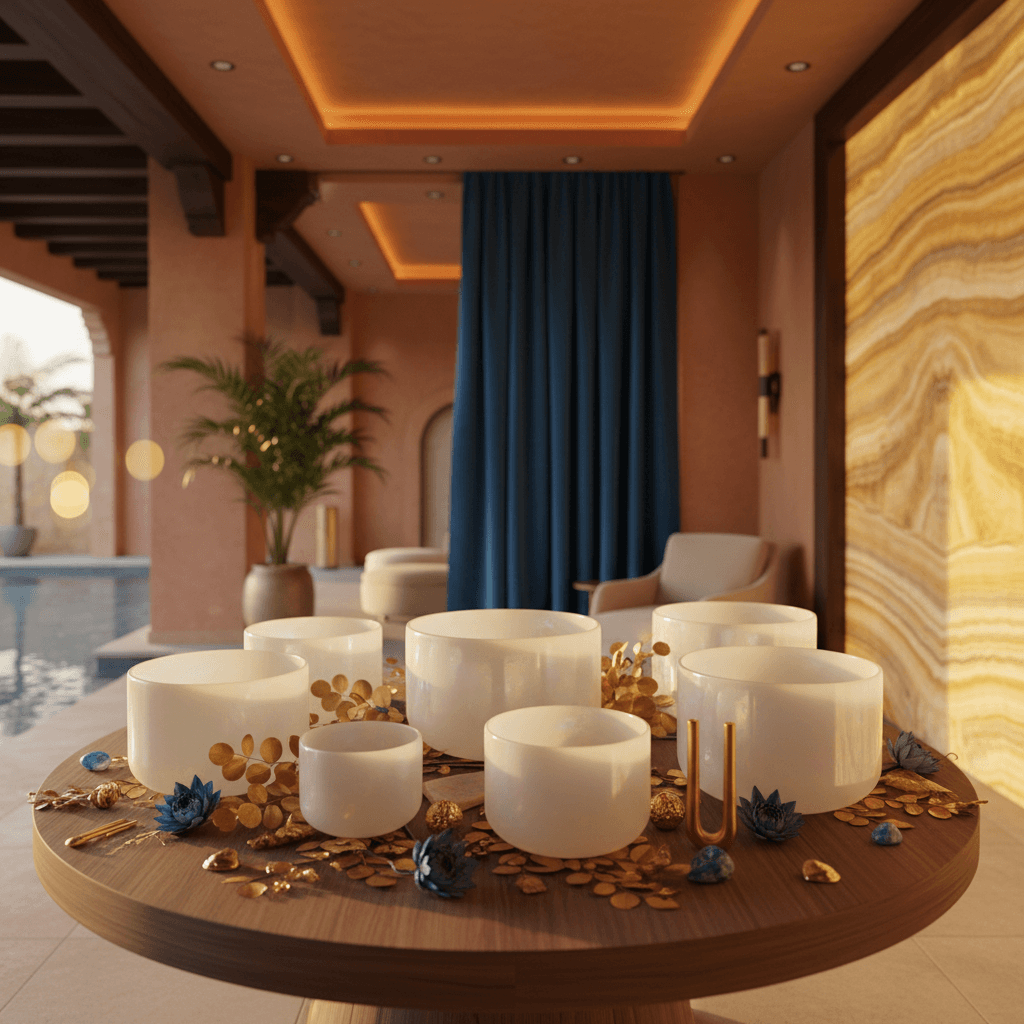
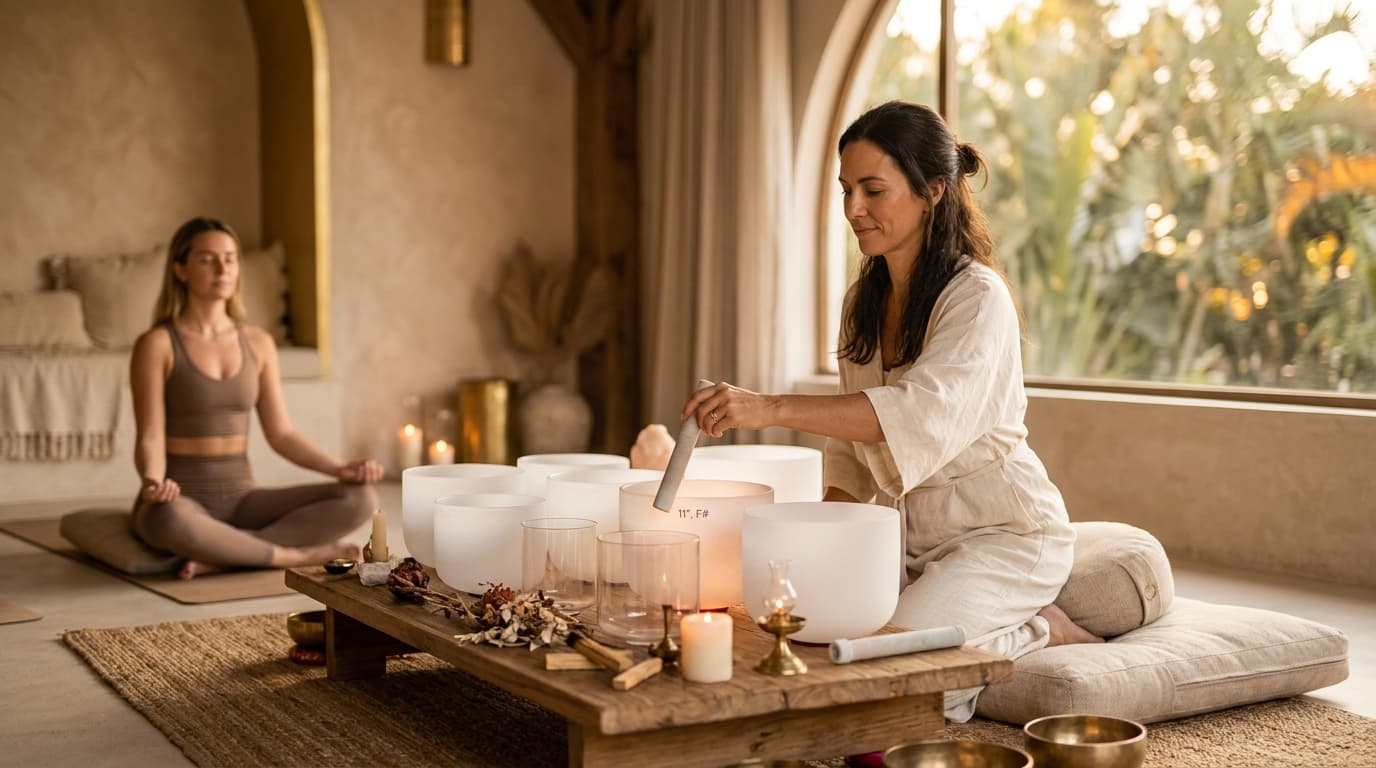
Our studio utilizes a curated selection of instruments, including resonant gongs, crystal singing bowls, and other therapeutic sound tools. These instruments produce intricate soundscapes and gentle vibrations that are believed to travel through the body, potentially stimulating the vagus nerve and promoting a coherent nervous system state. The immersive sound experiences encourage deep, slow breathing—a well-documented activator of vagal tone—and facilitate a meditative state that allows the mind and body to release accumulated stress and tension. The Soul Art method is not about therapy, but about creating an unparalleled wellness experience that supports your inner harmony.
Larissa Steinbach's expertise ensures that each session is a carefully curated journey designed to support emotional regulation, enhance stress resilience, and foster a profound sense of inner peace. By engaging the senses in a deeply soothing manner, Soul Art’s sound wellness sessions aim to create an optimal environment for nervous system restoration. This complementary approach offers a powerful pathway for individuals to actively participate in their own self-care and cultivate a thriving nervous system, one harmonious frequency at a time.
Your Next Steps: Cultivating Your Inner Calm Today
Empowering your vagal tone is a journey of intentional self-care, a conscious choice to nurture your nervous system. While professional guidance can offer structured support, there are many simple, yet profound, practices you can integrate into your daily life to support a healthier vagal tone. These steps are not about quick fixes but about cultivating sustainable habits that foster resilience and inner peace. Embrace these practices as opportunities to connect with your body's innate wisdom and enhance your overall well-being.
Here are some actionable steps you can implement today to support your vagal tone:
- Practice Deep, Slow Breathing: Consciously slow down your breath, aiming for longer exhales than inhales. Deep, diaphragmatic breathing at a slow pace (around 5-7 breaths per minute) is a powerful activator of the vagus nerve and has been shown to reduce anxiety levels and increase vagal outflow. Even a few minutes a day can make a significant difference.
- Engage in Gentle Movement: Activities like walking, yoga, or tai chi can help regulate the nervous system without over-stimulating it. Regular, moderate physical activity may support a balanced autonomic nervous system, contributing to enhanced vagal tone over time.
- Embrace Mindfulness and Meditation: Spending quiet moments in contemplation or guided meditation can reduce stress and promote parasympathetic activation. These practices help to shift your body from a state of constant alert to one of calm awareness, thereby supporting vagal health.
- Connect with Nature: Spending time outdoors, whether in a park or by the sea, has been associated with reduced stress and improved mood. The sensory input from nature can be incredibly soothing to the nervous system, encouraging a state of rest and digest.
- Prioritize Restful Sleep: Adequate, high-quality sleep is fundamental for nervous system repair and regulation. Establishing a consistent sleep schedule and creating a calming bedtime routine can significantly contribute to better vagal tone and overall resilience.
Ready to explore a guided path to enhancing your nervous system health? Consider experiencing the unique serenity offered at Soul Art. Our expert-led sound wellness sessions provide an immersive environment designed to gently soothe and restore your vagal tone, inviting deep relaxation and profound inner calm.
In Summary
The vagus nerve is an extraordinary component of your nervous system, with far-reaching effects on both physical and mental health. Its activity, measured as vagal tone, offers a crucial window into your body's capacity for resilience, recovery, and emotional regulation. By understanding the importance of this nerve and exploring strategies to enhance its function, you gain valuable insights into supporting your overall well-being.
From regulating heart rate and digestion to modulating inflammation and mood, a healthy vagal tone is a key player in maintaining holistic health. While assessment methods like HRV offer valuable data, the true power lies in embracing complementary wellness practices. Soul Art, under the guidance of Larissa Steinbach, provides a sanctuary where immersive sound experiences can gently nurture and restore your nervous system. We invite you to embark on a journey of self-discovery, cultivating a deeper connection to your inner calm and unlocking your body's inherent capacity for harmony.
Bookings Coming Soon
Soul Art is still in preparation. Session details and booking will be published here after launch.
Coming Soon
Wellness Disclaimer: This article is for educational and informational purposes only. It does not constitute medical advice, diagnosis, or treatment. Soul Art Dubai provides non-medical wellness experiences focused on relaxation, stress management, and general wellbeing. Sound wellness is a complementary practice and should not replace professional medical care.
Related Articles
Cluster Headaches: Unveiling Pain and the Promise of Frequencies in Wellness
Epilepsy & Sound: Safety, Serenity, and Emerging Wellness Paths
Mastering Focus: Analytical Listening & Brain Engagement at Soul Art