Epilepsy & Sound: Safety, Serenity, and Emerging Wellness Paths
Key Insights
Explore the fascinating connection between epilepsy and sound. Discover safety considerations, potential benefits, and how curated sound wellness may support well-being at Soul Art Dubai with Larissa Steinbach.
Compelling Introduction
Imagine a world where sound, often perceived as a mere backdrop to life, could play a role in supporting neurological well-being. For individuals living with epilepsy, the relationship with sound can be complex, sometimes triggering, yet also hold a surprising potential for calm and regulation. Recent research is shedding light on how carefully curated auditory experiences may offer a complementary pathway for managing symptoms and enhancing quality of life.
At Soul Art, Dubai's premier sound wellness studio, we believe in harnessing the power of frequency and vibration to restore balance. This article delves into the intriguing intersection of epilepsy and sound, exploring the current scientific understanding, critical safety considerations, and the potential benefits that sound wellness practices, such as those guided by our founder, Larissa Steinbach, might offer. We aim to provide a scientifically grounded yet accessible overview, helping you navigate this evolving landscape with clarity and confidence.
The Science Explained
The human brain is an orchestra of electrical impulses, generating neural oscillations, often called brainwaves. In conditions like epilepsy, these brainwaves can sometimes deviate from their typical patterns, leading to rhythmic bursts of abnormal activity that manifest as seizures. Understanding how sound interacts with these intricate neural pathways is key to appreciating its potential as a wellness tool.
Sound Waves and Brainwave Interaction
Sound waves, resonating at both audible and inaudible frequencies, constantly interact with our environment and our physiology. When sound waves reach the brain, they can influence these internal electrical patterns. Researchers explore how specific auditory parameters, such as frequency, rhythm, and tone, might engage with the brain's existing oscillations. This interaction can theoretically lead to constructive interference, potentially helping to normalize brainwave activity, or, in some cases, destructive interference.
Studies using electroencephalograms (EEGs) have shown that the brains of individuals with epilepsy appear to react to music differently than those without the disorder. Brainwave activity in people with epilepsy has been observed to synchronize more readily with music, particularly in the temporal lobe where much seizure activity originates. This enhanced synchronization suggests a unique receptivity that could be leveraged for well-being.
Research Insights: The Mozart Effect and Beyond
A significant body of research has focused on the effects of specific musical compositions, particularly Mozart's Piano Sonata in D major, K. 448. This piece has been examined in numerous studies, with preliminary findings suggesting it may have an anti-epileptic treatment effect.
- One study reported a mean percentage reduction in seizures by an average of 31% during treatment with K. 448.
- This same study indicated a substantial 79% mean reduction in interictal epileptiform discharges (IEDs), which are abnormal brain activities occurring between seizures.
- Another trial demonstrated a significant 24% drop in seizures for participants exposed to specific sounds, with the benefits reportedly continuing even after treatment concluded.
These findings highlight sound's potential to reduce the frequency and duration of seizures. Beyond immediate effects, long-term exposure to Mozart K.448 has also been associated with enhancing the anti-seizure efficacy of sub-dose medications in some models, suggesting a promising complementary role.
"The brain's inherent rhythmicity can be profoundly influenced by external auditory stimuli. Understanding this delicate dance between sound and neural oscillation opens new avenues for holistic well-being."
Safety Considerations: Curating the Auditory Environment
While the potential benefits are exciting, safety is paramount, especially for individuals with epilepsy. The relationship between sound and epilepsy is bidirectional; while some sounds may support well-being, others could be detrimental.
- Specific Sounds Matter: Not all music or sound is beneficial. For instance, studies have shown that some musical exposures, such as Hayden's Symphony No. 94, appeared to be pro-epileptic in certain contexts. This underscores the critical need for highly specific, carefully chosen sound interventions.
- Infrasound Concerns: The effects of inaudible infrasound on epilepsy are currently unknown, and there are no reported studies on its impact. This highlights the importance of working with controlled, well-understood auditory frequencies.
- Audiogenic Seizures: Laboratory findings in animal models, such as the DBA/2 mouse strain, demonstrate that exposure to harmful auditory stimuli can induce generalized seizures. This reinforces the necessity of a controlled and therapeutic sound environment.
Acoustic stimulation, when applied in clinical trials and controlled settings, has generally been reported as well-tolerated by people with epilepsy. Participants in these studies did not report major side effects, suggesting that well-designed and monitored sound exposure could be a safe option. However, the methodological heterogeneity across studies emphasizes that not all sound is created equal, and a personalized, cautious approach is essential.
How It Works in Practice
Translating complex neuroscience into a tangible wellness experience requires precision, intention, and a deep understanding of human physiology. In sound wellness practices, the aim is to create an immersive auditory environment that encourages the brain and body to shift into states conducive to healing and regulation.
The Experience of Sound Immersion
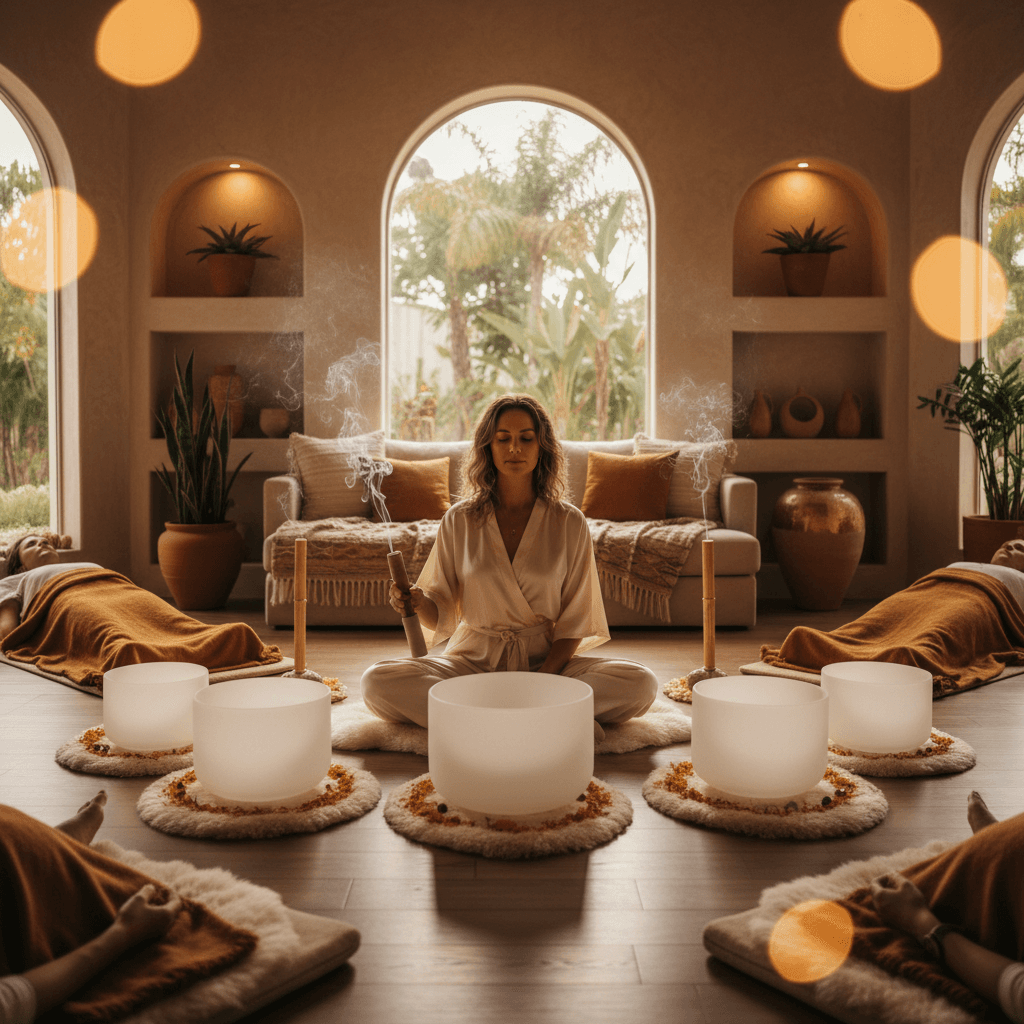
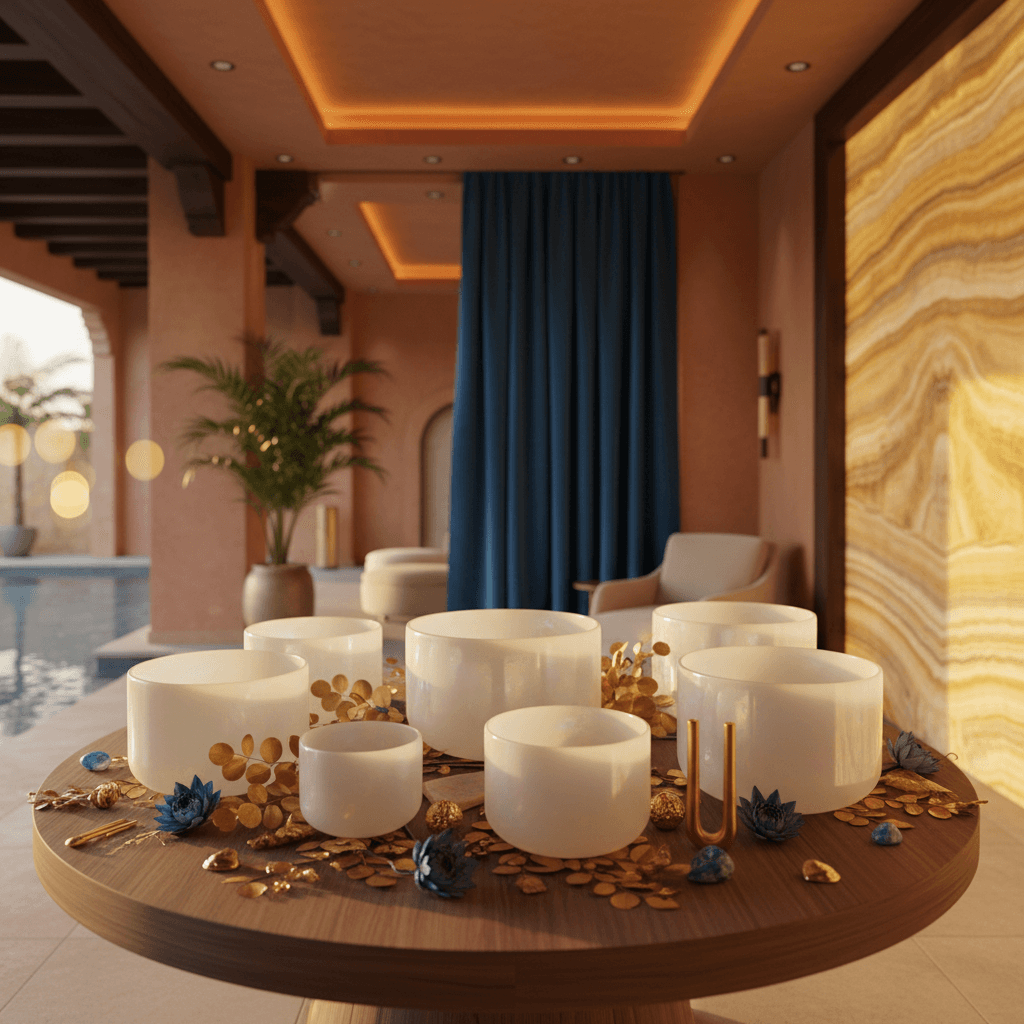
When you engage in a sound wellness session, you are not merely listening to music; you are immersed in a vibrational field. The sounds produced by instruments like gongs, Himalayan singing bowls, crystal bowls, chimes, and tuning forks create specific frequencies that travel through the air and resonate within the body. These vibrations can be felt as much as they are heard, offering a full-sensory experience.
This deep sensory engagement can have several effects:
- Nervous System Regulation: Specific frequencies and rhythmic patterns can help to activate the parasympathetic nervous system, commonly known as the "rest and digest" system. This shift helps to reduce stress, calm anxiety, and promote a state of deep relaxation.
- Brainwave Entrainment: The brain tends to synchronize with strong external rhythms. Curated soundscapes can guide brainwaves from faster, more active states (like Beta waves associated with alertness) to slower, more meditative states (like Alpha and Theta waves associated with relaxation and introspection). For individuals with epilepsy, this entrainment could potentially support a more stable and balanced neural state.
- Emotional Release and Cognitive Clarity: The non-linear, often ethereal nature of sound experiences can facilitate emotional processing and mental spaciousness. Many people report a sense of lightness, reduced mental chatter, and enhanced clarity after a session.
The Role of Curated Soundscapes
The effectiveness of sound wellness, especially for sensitive conditions, lies in the deliberate curation of the auditory experience. This involves selecting specific instruments, frequencies, and compositional structures that are known to be calming and therapeutic. It moves beyond casual listening to an intentional engagement with sound as a tool for internal alignment.
For someone exploring sound wellness in the context of epilepsy, this meticulous approach is vital. The goal is to avoid any sounds that might be overstimulating or jarring and instead provide a consistent, soothing, and harmonizing auditory environment. The focus is always on creating a safe space where the nervous system can de-escalate and find a state of profound peace.
The Soul Art Approach
At Soul Art, Dubai's premier sound wellness studio, Larissa Steinbach has cultivated a unique methodology rooted in both scientific understanding and profound intuitive wisdom. Our approach to sound wellness is meticulously designed to offer a sanctuary for the senses, providing a complementary path to well-being for all our clients.
Larissa Steinbach's Expertise
Larissa Steinbach, founder of Soul Art, is a visionary in the field of sound wellness. Her expertise lies in crafting bespoke sound journeys that prioritize safety, intention, and individualized experience. She deeply understands the nuanced interplay between sound, the human nervous system, and overall vitality. Larissa's commitment to continuous learning and integrating emerging scientific insights into her practice ensures that Soul Art remains at the forefront of sound wellness innovation.
"At Soul Art, we don't just play sounds; we weave frequencies with intention, creating a tapestry of vibration designed to bring harmony to the individual's unique energetic landscape." - Larissa Steinbach
Unique Methodologies at Soul Art
The Soul Art method is distinguished by its holistic and precise application of sound:
- Precision in Frequency Selection: Larissa and her team meticulously select instruments and frequencies known for their calming and harmonizing properties. This careful curation is especially vital when considering individuals with neurological sensitivities, ensuring that the sound environment is always supportive and never overstimulating.
- Immersive Soundscapes: We move beyond simple musical arrangements to create full-spectrum soundscapes. These often involve layers of therapeutic instruments—such as large planetary gongs, handcrafted Himalayan singing bowls, crystal singing bowls tuned to specific chakras, and various chimes—all played with an understanding of their unique vibrational qualities.
- Focus on Nervous System Regulation: Every session is engineered to guide participants into deep states of relaxation, activating the parasympathetic nervous system. This focus on stress reduction and nervous system balance is a cornerstone of our wellness offerings, providing a foundation for overall health and resilience.
- Personalized Attention: While group sessions are transformative, Soul Art also offers private sessions where the sound experience can be tailored even more closely to individual needs and sensitivities, under the careful guidance of Larissa Steinbach or one of her expert practitioners.
By meticulously crafting each session, Soul Art aims to provide an environment where the body and mind can release tension, find equilibrium, and experience a profound sense of peace. This approach emphasizes sound as a powerful tool for holistic wellness, supporting the body's innate ability to find balance.
Your Next Steps
Exploring sound wellness, particularly if you live with epilepsy, is a journey that requires careful consideration, open communication with your medical team, and an informed approach. Sound wellness is a complementary practice and should not replace professional medical care or prescribed treatments.
Here are some actionable steps to consider:
- Consult Your Healthcare Provider: Before exploring any new wellness practice, especially if you have a medical condition like epilepsy, it is crucial to discuss it with your neurologist or primary care physician. They can offer personalized advice based on your specific health profile and current treatment plan.
- Research Reputable Studios and Practitioners: Seek out sound wellness studios that demonstrate a deep understanding of sound's effects and prioritize client safety and well-being. Look for practitioners who are experienced, knowledgeable, and willing to discuss your individual needs and concerns.
- Start Gently and Mindfully: If you decide to try sound wellness, begin with shorter, gentler sessions. Pay close attention to how your body and mind respond during and after the experience. Communicate any sensations or concerns immediately with your practitioner.
- Focus on Stress Reduction and Relaxation: Understand that the primary benefit of sound wellness in this context is often its profound ability to reduce stress, calm the nervous system, and promote deep relaxation. These are fundamental aspects of holistic well-being that can indirectly support overall health.
- Ask About Customization: Inquire whether the studio offers personalized sound experiences or can adapt group sessions to accommodate specific sensitivities, such as lower volumes or particular frequency ranges.
Embarking on a wellness journey with sound can be a profoundly enriching experience. With the right precautions and an open mind, it may become a valuable component of your holistic self-care strategy.
In Summary
The intricate connection between epilepsy and sound is an exciting frontier in wellness research, demonstrating how specific auditory frequencies may play a beneficial role in supporting neurological health. While large-scale human trials are ongoing, preliminary studies suggest that carefully curated sound, like Mozart's K.448, may help reduce seizure frequency and abnormal brain activity, without significant safety concerns when applied judiciously. Critical safety considerations underscore the importance of expert-guided practices and avoiding potentially pro-epileptic or unstudied sounds.
At Soul Art, Larissa Steinbach and her team are dedicated to providing a safe, sophisticated, and deeply restorative sound wellness experience. Our approach focuses on harnessing the power of precisely selected frequencies to promote nervous system regulation, profound relaxation, and an enhanced sense of well-being. We invite you to explore how sound can become a harmonious part of your complementary wellness journey, supporting your pursuit of inner peace and balance.
Bookings Coming Soon
Soul Art is still in preparation. Session details and booking will be published here after launch.
Coming Soon
Wellness Disclaimer: This article is for educational and informational purposes only. It does not constitute medical advice, diagnosis, or treatment. Soul Art Dubai provides non-medical wellness experiences focused on relaxation, stress management, and general wellbeing. Sound wellness is a complementary practice and should not replace professional medical care.
Related Articles
Cluster Headaches: Unveiling Pain and the Promise of Frequencies in Wellness
Mastering Focus: Analytical Listening & Brain Engagement at Soul Art
Neuropathy & Vibrational Healing: Restoring Sensation