Cluster Headaches: Unveiling Pain and the Promise of Frequencies in Wellness
Key Insights
Explore the science behind cluster headaches, current insights, and how specific frequencies in sound wellness may offer complementary support for well-being.
Compelling Introduction
Imagine a pain so intense it’s often described as the "worst pain imaginable," eclipsing even experiences like childbirth or gunshot wounds. This is the reality for individuals living with cluster headaches (CH), a rare yet severely debilitating primary headache disorder, sometimes tragically referred to as "suicide headache" due to its excruciating nature. While traditional medical treatments offer relief, the search for comprehensive well-being support continues.
At Soul Art, Dubai's premier sound wellness studio, we believe in exploring holistic avenues that complement conventional care, focusing on deep relaxation and nervous system regulation. This article delves into the intricate science of cluster headaches, current medical insights, and how the promise of specific frequencies within a wellness context may offer a supportive pathway for those seeking enhanced quality of life. We’ll explore how intentional sound practices, guided by Larissa Steinbach, may assist in cultivating a state of calm that is often elusive for individuals grappling with CH.
Understanding the mechanisms behind this profound pain can empower individuals to explore every avenue for self-care and complementary support. Our journey together aims to shed light on how integrating precise sound frequencies into a daily wellness routine might contribute to a greater sense of peace and resilience, establishing why this matters profoundly for overall well-being.
The Science Explained
Understanding Cluster Headaches: A Neurological Tempest
Cluster headache is a formidable neurological condition characterized by recurrent, severe headaches on one side of the head, often accompanied by autonomic symptoms like eye tearing, redness, nasal congestion, and eyelid drooping. Affecting approximately 0.1% of the population, CH typically manifests in adulthood, though it can begin in childhood and is often initially misdiagnosed as migraine. The pain intensity is universally rated as extremely high, often a 10/10 on the pain scale.
CH is classified into two main subtypes: episodic and chronic. Episodic CH involves periods of attacks lasting weeks to months, separated by pain-free remissions. Chronic CH, however, features attacks occurring for more than one year without remission, or with remissions lasting less than three months. Research indicates that while both subtypes exhibit similar autonomic features, chronic CH patients may experience less predictability in their symptoms.
The Orchestration of Pain: Trigeminal and Autonomic Pathways
The pathogenesis of cluster headache involves complex interactions within both central and peripheral nervous system pathways. A key player is the trigeminovascular system, which includes the trigeminal nerve and its connections to blood vessels in the head. During a CH attack, there is evidence of activation of this system, leading to the release of neuropeptides.
Notably, elevated plasma levels of calcitonin gene-related peptide (CGRP) and vasoactive intestinal polypeptide (VIP) have been observed in the ipsilateral external jugular vein during spontaneous CH attacks. These neuropeptides are potent vasodilators and pain signal transmitters, contributing significantly to the excruciating pain and associated autonomic symptoms. The effectiveness of CGRP monoclonal antibodies in reducing attack frequency further underscores the critical role of this pathway.
Central to CH is the involvement of the hypothalamus, a brain region that regulates crucial bodily functions including sleep-wake cycles and circadian rhythms. Disturbances in hypothalamic function are thought to contribute to the cyclical nature of CH attacks, which often occur at specific times of the day or night. This circadian link suggests that modulating physiological rhythms could be a beneficial avenue for managing the condition.
The Sphenopalatine Ganglion (SPG) and Beyond
Another critical component in the intricate network of cluster headache is the sphenopalatine ganglion (SPG). The SPG is a collection of nerve cells located deep within the face, playing a significant role in modulating facial pain and autonomic functions. For a long time, the SPG has been a target for therapeutic options due to its strategic location and involvement in trigeminal pain pathways.
An implantable stimulator in the pterygopalatine fossa, targeting the SPG, has shown efficacy in aborting acute cluster attacks in randomized, double-blind, sham-controlled trials for medically refractory chronic cluster headache. Studies have found a preventive effect, with an average of 83% attack frequency reduction in some patients compared to baseline in long-term follow-up. While this is an invasive medical procedure, it highlights the profound impact that targeted modulation of specific nerve pathways can have on cluster headaches.
Beyond the SPG, non-invasive vagus nerve stimulation (nVNS) has also demonstrated effectiveness in stopping acute attacks in episodic cluster headache. The vagus nerve is a major component of the parasympathetic nervous system, responsible for the "rest and digest" response. Its stimulation can help regulate autonomic balance, potentially reducing pain and promoting relaxation. These examples of neuromodulation underscore the potential for influencing neurological pathways to manage the impact of CH.
Medical research also continues to explore pharmacological treatments such as sumatriptan, high-flow oxygen, prednisone, topiramate, and onabotulinumtoxinA. The ongoing scientific endeavors, including the identification of new genes linked to CH, offer optimism for developing even more targeted drug targets and comprehensive treatment strategies in the future.
How It Works in Practice
Exploring Non-Invasive Approaches: The Bridge to Frequencies
The profound insights from medical neuromodulation, such as nVNS, demonstrate the significant potential of influencing the nervous system through non-pharmacological means. While medical devices employ electrical impulses to directly stimulate nerve pathways, the concept of non-invasive modulation opens the door to complementary wellness practices that aim to support the body's natural regulatory systems. Sound wellness, using specific frequencies, offers a unique and accessible avenue for this exploration.
Sound, at its core, is vibration, and the human body is inherently receptive to these vibrations. When immersed in carefully curated soundscapes, our nervous system can respond by shifting from a state of sympathetic dominance (fight or flight) towards a parasympathetic state (rest and digest). This shift is crucial for individuals experiencing cluster headaches, where heightened stress and nervous system dysregulation can exacerbate symptoms or hinder recovery.
The frequencies produced by various instruments and vocalizations in sound wellness are not intended to directly stimulate specific ganglia like the SPG or vagus nerve in a medical sense. Instead, they work on a broader, holistic level to encourage profound relaxation and rebalance the autonomic nervous system. This process may support the body's innate ability to move towards equilibrium.
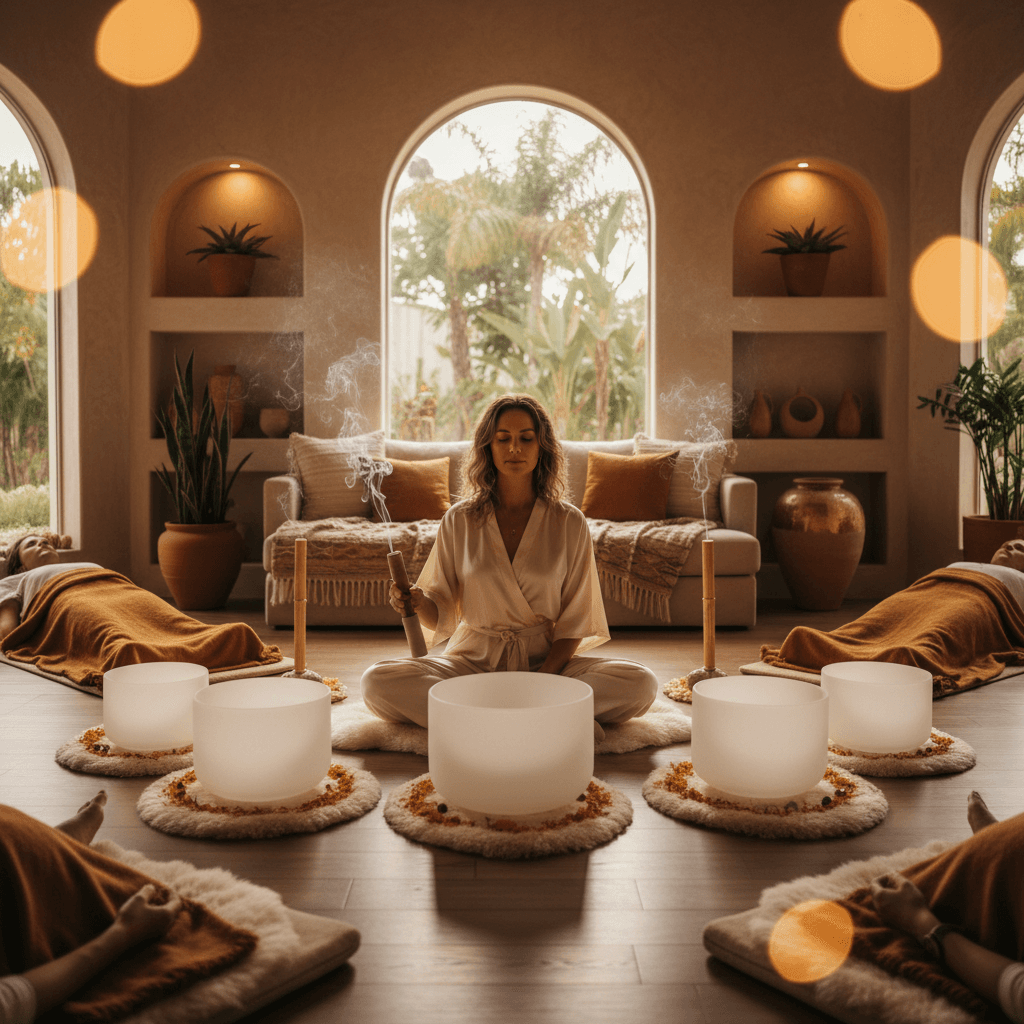
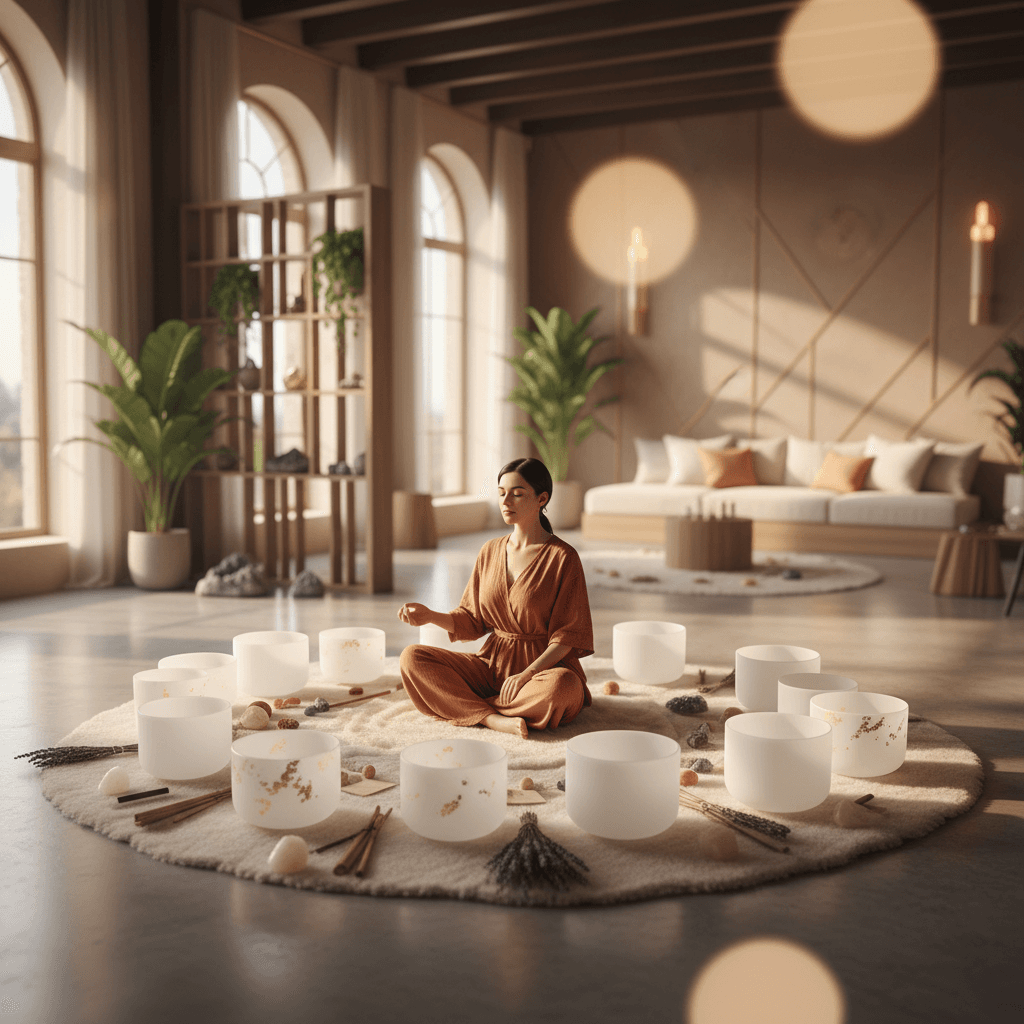
During a sound wellness session, clients often experience a deep sense of calm and release. The rich, resonant tones and vibrations from instruments like gongs, crystal bowls, and chimes create an enveloping field. This sensory experience helps quiet the overactive mind, allowing the body to enter a meditative state. In this state, the production of stress hormones, like cortisol, is often reduced, while feel-good neurotransmitters may increase.
"The subtle power of sound extends beyond mere auditory perception; it's a vibrational language that speaks directly to our cellular memory, inviting the body and mind into a profound state of coherence and healing potential."
The immersive nature of sound provides a unique distraction from chronic pain, offering a temporary reprieve and fostering a sense of peace. Many people report that the sustained, resonant frequencies help to "wash away" tension, both physical and mental. This deep relaxation has been associated with improvements in sleep quality, reduction in anxiety, and an enhanced ability to cope with challenging health conditions. It’s about creating an internal environment where the body feels safe enough to rest and restore.
The Soul Art Approach
Soul Art's Harmonious Path to Well-being
At Soul Art, Larissa Steinbach and her dedicated team are pioneers in integrating the cutting edge of sound science with ancient wisdom to foster unparalleled well-being. Our approach is deeply rooted in the understanding that while we do not "treat" medical conditions, we can provide powerful complementary wellness practices that support individuals in managing the profound impact of conditions like cluster headaches. Our method focuses on creating an environment where the nervous system can find profound rest and recalibration.
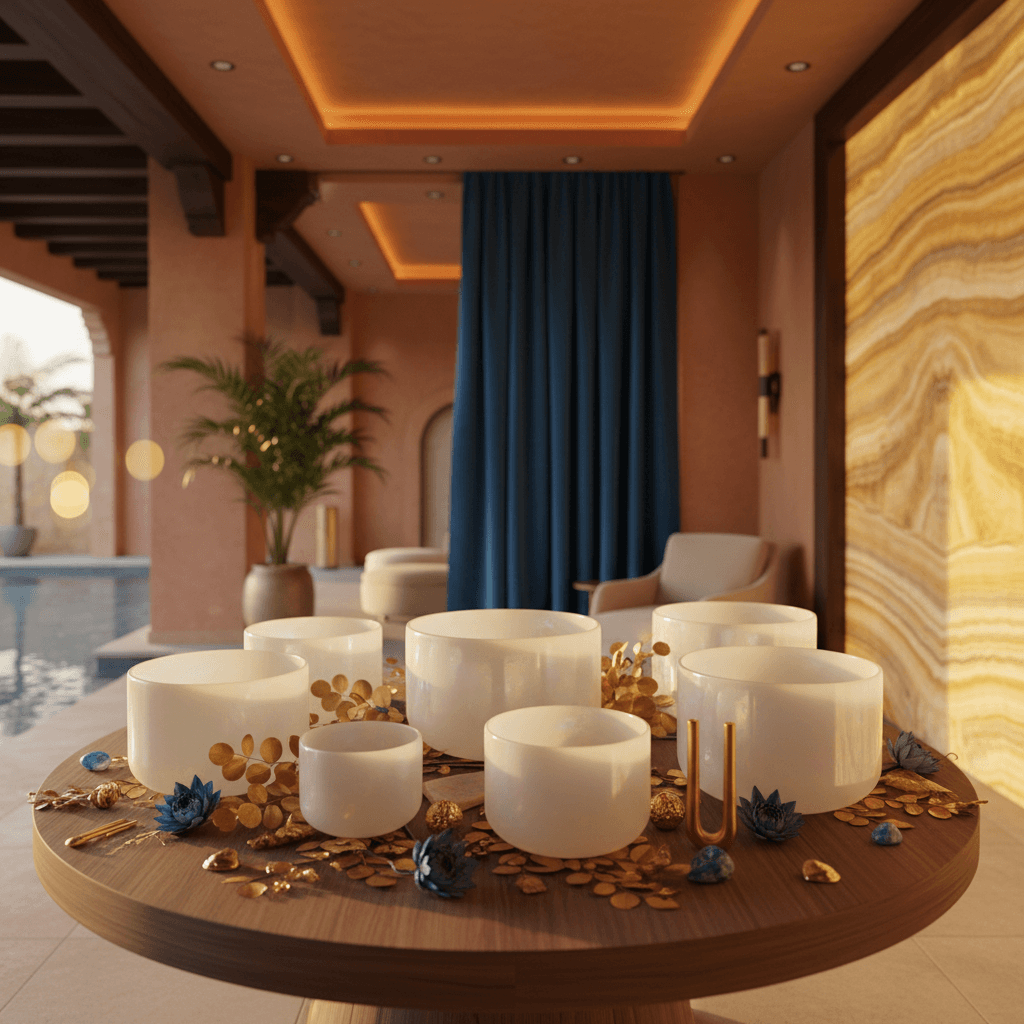
The Soul Art method is unique in its personalized and holistic application of sound frequencies. Larissa Steinbach emphasizes bespoke experiences, carefully curating sound journeys that resonate with each client's specific needs and intentions. We utilize a range of instruments, each selected for its unique vibrational quality and ability to elicit specific physiological responses. These include large planetary gongs, tuned crystal singing bowls, Himalayan singing bowls, chimes, and other resonant tools.
Our practitioners are trained to understand how different acoustic frequencies and harmonic intervals can influence brainwave states and autonomic nervous system activity. For instance, lower frequencies and sustained tones are often employed to guide the brain into alpha (relaxed awake) and theta (deep meditative) states. This shift can may support a reduction in nervous system excitability, which is a key factor in primary headache disorders.
We believe that by consciously exposing the body to coherent, harmonizing vibrations, we may support the reduction of sympathetic nervous system overdrive. This fosters a state where the body's natural self-regulation mechanisms can operate more effectively. While this is not a medical intervention, it is a self-care practice that many individuals find invaluable for stress management and enhancing overall resilience.
Soul Art provides a sanctuary where individuals can safely explore the depths of relaxation and inner calm. Our bespoke sound baths and vibrational therapy sessions are designed not just to soothe the senses, but to offer a profound experience of nervous system reset. Larissa Steinbach’s expertise ensures that each session is a carefully orchestrated journey towards greater balance and peace, aiming to uplift and empower every individual on their wellness path.
Your Next Steps
Cultivating Calm: Practical Steps for Daily Wellness
Living with cluster headaches presents unique challenges, and embracing a holistic approach to well-being can be a powerful complement to medical care. While sound wellness is not a substitute for professional medical advice, integrating mindful practices into your daily life can significantly support your overall resilience and ability to manage stress. Here are some actionable steps you can implement today:
- Mindfulness and Deep Breathing: Regular mindfulness meditation or simple deep breathing exercises can help regulate the nervous system. Even 5-10 minutes daily can foster a sense of calm and reduce sympathetic activation. Focus on slow, intentional breaths to activate your parasympathetic response.
- Prioritize Sleep Hygiene: Establish a consistent sleep schedule, create a dark and quiet sleep environment, and avoid screens before bed. Quality sleep is crucial for nervous system repair and can impact the frequency and intensity of headache cycles, especially given the circadian link in CH.
- Nourish Your Body and Hydrate: A balanced diet rich in whole foods, coupled with adequate hydration, may support overall physiological balance. While not a direct treatment, maintaining bodily equilibrium is fundamental for general well-being.
- Journaling for Emotional Processing: Expressing thoughts and feelings through journaling can be a therapeutic way to process the emotional toll of chronic pain. This self-reflection has been associated with reduced stress and improved emotional regulation.
- Explore Complementary Wellness Practices: Consider integrating practices like sound wellness, gentle yoga, or acupuncture under the guidance of qualified practitioners. These approaches may support relaxation, reduce stress, and enhance your overall sense of well-being, working alongside your medical treatment plan.
Remember, every step towards cultivating calm and self-care contributes to your resilience. These practices are designed to empower you in your journey, offering tools to navigate the complexities of cluster headaches with greater ease and inner peace.
Bookings Coming Soon
Soul Art is still in preparation. Session details and booking will be published here after launch.
Coming Soon
In Summary
Cluster headaches represent one of the most agonizing human conditions, deeply impacting the lives of those affected. While conventional medicine continues to advance with targeted treatments and neuromodulation therapies, the quest for holistic well-being support remains vital. Understanding the intricate neurological pathways involved, from the trigeminal system to the SPG and vagus nerve, provides a scientific foundation for exploring all avenues of complementary care.
At Soul Art, under the guidance of Larissa Steinbach, we offer a distinctive approach to sound wellness. Our meticulously designed sessions, utilizing specific acoustic frequencies and vibrational therapy, aim to foster deep relaxation and nervous system regulation. This wellness practice may support the body's natural capacity to achieve balance, offering a sanctuary for stress reduction and an enhanced sense of peace. We invite you to explore how the promise of specific frequencies can enrich your journey towards comprehensive well-being.
Wellness Disclaimer: This article is for educational and informational purposes only. It does not constitute medical advice, diagnosis, or treatment. Soul Art Dubai provides non-medical wellness experiences focused on relaxation, stress management, and general wellbeing. Sound wellness is a complementary practice and should not replace professional medical care.