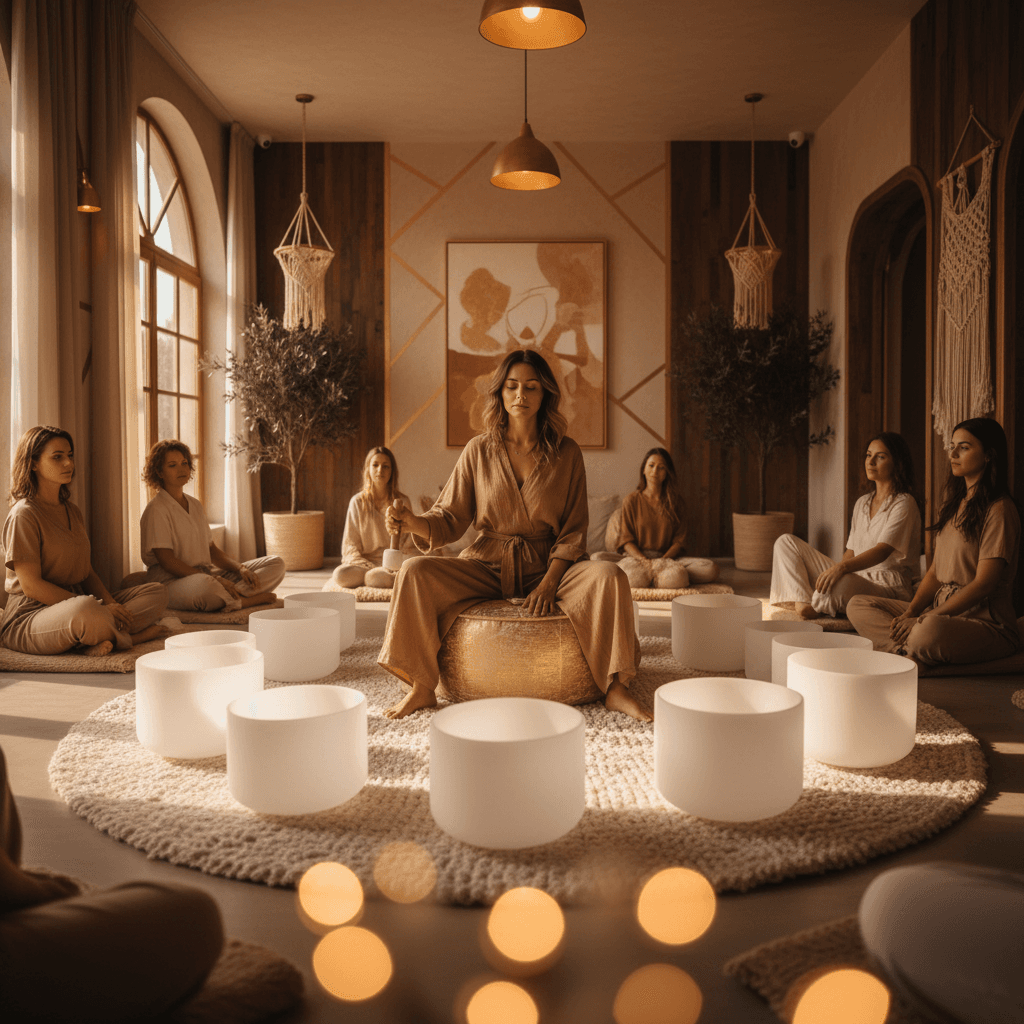
Mastering Toddler Tantrums: Sound for Emotional Harmony
Key Insights
Discover how sound wellness, pioneered by Larissa Steinbach at Soul Art, offers a holistic approach to supporting emotional regulation in toddlers and families.
The Symphony of Little Emotions: Sound for Toddler Emotional Regulation
Imagine a typical day, punctuated by a sudden, intense outburst from your toddler – a symphony of screams, yells, and tears that leaves you feeling overwhelmed and helpless. Toddler tantrums are a universal experience for parents, often mistaken as pure defiance, yet groundbreaking research reveals them to be complex expressions of a child's developing emotional landscape. But what if there was a gentle, scientifically-supported approach to navigate these tumultuous moments, fostering calm and emotional intelligence from an early age?
This article will delve into the fascinating science behind toddler tantrums, exploring how their developing brains process emotions and the crucial role caregivers play. We will then uncover the remarkable power of sound and music as a wellness practice, offering a unique pathway for emotional regulation. Finally, we’ll explore how Soul Art, under the visionary guidance of Larissa Steinbach, integrates these principles into a holistic approach, providing a sanctuary where families can find harmony and support. Understanding this dynamic not only transforms challenging moments but also lays a vital foundation for a child's lifelong well-being.
The Science Behind Toddler Tantrums and Emotional Regulation
Toddler tantrums, while undoubtedly stressful for parents, are a normal and essential part of a child's emotional development. Far from being mere misbehavior, these outbursts are complex windows into a young mind grappling with big emotions, limited communication skills, and an immature brain. Understanding the underlying neuroscience and psychological stages can shift our perspective and open doors to more effective, empathetic responses.
The Developing Brain and Emotional Outbursts
The primary reason toddlers experience such intense, seemingly illogical emotional outbursts lies in their brain development. The prefrontal cortex, often referred to as the "logical brain," is responsible for crucial functions like emotional regulation, impulse control, and logical thinking. However, this vital part of the brain only begins to develop robustly between the ages of five and seven, and for some children, even later, around eight or nine years old.
This developmental timeline explains why young children, particularly those under five, are inherently more impulsive, emotional, and less logical. They simply haven't yet acquired the cognitive infrastructure to access advanced logical thinking or self-regulate their powerful emotions effectively. Caregivers, therefore, are tasked with the important role of "lending their calm," providing external regulation until the child's internal mechanisms mature. This co-regulation is fundamental in helping children build their own emotional toolkit.
The Emotional Spectrum of a Tantrum
Recent research by Professor James A. Green, head of the Department of Psychology at the University of Connecticut, sheds light on the nuanced emotional journey within a typical toddler tantrum. By analyzing naturalistic recordings of children screaming, yelling, crying, and whining, Green's work reveals that tantrums are not monolithic expressions of a single emotion. Instead, they encompass a wide range of feelings.
Most tantrums, Green notes, typically begin with high-arousal sounds like screaming and yelling, which are indicative of high anger. As the tantrum progresses, these expressions often transition into whining and crying. These later stages signal a shift towards comfort-seeking behavior on the part of the toddler, an attempt to solicit reassurance and connection from their caregiver. Green suggests that tantrums may also function as a method of independence-seeking for toddlers, who, lacking the sophisticated cognitive and language skills, use these outbursts as their primary means to communicate their desire for autonomy. This naturalistic study highlights the dynamic emotional states children navigate during these challenging moments.
Understanding these different emotional stages can provide invaluable insight into effective parental responses. For instance, a child deep in the anger phase might benefit from a different approach than one who has moved into a comfort-seeking state. High rates of tantrums, or those that persist into later childhood, have been associated with future antisocial behavior and psychopathology, underscoring the critical importance of supporting healthy emotional development in these early years.
The Role of Sound in Nervous System Regulation
Given the biological underpinnings of toddler tantrums, how can sound play a beneficial role? The answer lies in its profound impact on the human brain and nervous system. Music and specific sound frequencies possess a unique ability to influence our physiological and psychological states, making them potent tools for emotional regulation.
Studies have consistently shown that listening to slow, soothing music can significantly reduce cortisol levels, which is the primary hormone associated with stress. This physiological response helps toddlers calm down during moments of frustration, anxiety, or emotional arousal. Sound offers a direct pathway to soothe an overstimulated nervous system, bypassing the need for complex verbal processing that is beyond a toddler's capacity during an outburst.
Beyond calming, music encourages emotional expression. Toddlers often lack the vocabulary to articulate their complex feelings, leading to bottled-up emotions that can erupt into tantrums. Engaging with music – whether through listening, singing, or moving – provides a safe and non-verbal outlet for them to release pent-up energy and feelings constructively. This aids in developing emotional awareness, a prerequisite for independent emotion regulation. Early exposure to music also supports broader brain development, including language, memory, and, critically, emotional processing, as highlighted by research from the National Association for Music Education (NAfME).
Furthermore, sound wellness practices, such as music therapy, have shown evidence of improving emotion regulation in preschoolers. Research from the University of Kansas, for instance, indicated that preschoolers benefited from Music-Centered Relational Frame (MCRF) training, demonstrating improved ability to manage their emotions. This aligns with the understanding that emotion regulation tends to develop from external cues – such as a caregiver soothing a crying baby – and gradually shifts towards internal self-regulation as children mature. Caregivers, therefore, play a crucial role in facilitating this transition, using various strategies, including sound, to guide their child's emotional experience.
Bridging Theory and Practice: Sound as a Regulatory Tool
Connecting the scientific understanding of toddler emotional development with practical, sound-based wellness strategies offers a powerful avenue for parents and caregivers. The deliberate use of sound goes beyond simple distraction; it actively engages the brain and body in the process of calming, expression, and establishing a sense of safety and predictability.
Calming the Physiological Storm
When a toddler is in the throes of a tantrum, their nervous system is highly activated, akin to a physiological storm. Specific sound frequencies and musical compositions have a direct impact on this state. Slow, rhythmic, and harmonious sounds can act as a gentle intervention, helping to modulate the autonomic nervous system. This is the system responsible for our "fight or flight" and "rest and digest" responses. By activating the parasympathetic nervous system, these sounds can help shift the body out of an activated, high-stress state.
Research on the neurological bases of emotional attachment and regulation, such as that by Allan Schore, highlights the critical development of the orbito-frontal cortex in infants, which is heavily connected to the limbic system (our emotional center). Positive emotional interactions, including those facilitated by soothing sounds, can increase the production of neurotransmitters like dopamine, supporting growth in the prefrontal cortex. While sound wellness is not a medical treatment, these preliminary insights suggest how gentle acoustic environments may support the neurological pathways involved in emotional control. Sound provides an external cue that can help a child, whose internal regulatory systems are still under development, begin to self-soothe and find calm.
Fostering Emotional Expression and Self-Awareness
Toddlers, with their limited verbal skills, often struggle to articulate the intense emotions they feel. This can lead to frustration that exacerbates tantrums. Sound offers a non-verbal language through which they can express and process these feelings. Rather than suppressing emotions, music provides a constructive outlet.
Encouraging musical play with simple instruments like tambourines, maracas, or xylophones allows toddlers to create their own music, which can be a powerful way to release pent-up energy and emotions. Even simply dancing or singing along to a favorite song allows for physical and emotional release. This process not only boosts creativity but also helps children to acknowledge and externalize their feelings in a safe environment. Developing emotion recognition – understanding what different emotions feel like – is considered a prerequisite for independent emotion regulation. Engaging with music that expresses various emotions can significantly support this crucial developmental step.
Creating Rhythmic Predictability
Chaos in caregiving, such as inconsistent rules or varying responses from different caregivers, can make toddlers feel out of control and trigger more intense tantrums. Young children thrive on predictability and routine, as these elements provide a sense of safety and stability. Sound can be a powerful tool for establishing this much-needed predictability.
Incorporating music into daily routines can signal transitions and create a sense of structure. For instance, a specific "wake-up song" can help set a positive tone for the morning, while calming melodies can signal the beginning of a wind-down routine before bedtime. During moments of high emotional arousal, such as a tantrum, a calming melody can act as a consistent, comforting presence. This rhythmic predictability, provided through sound, helps toddlers feel more secure and can reduce the likelihood of outbursts triggered by feelings of unpredictability.
"The gentle, rhythmic embrace of sound can be a powerful anchor for a child's developing emotional world, providing a sanctuary of calm amidst life's storms."
Caregiver involvement is particularly crucial here. When caregivers actively engage with music alongside their child, whether through singing, humming, or introducing instruments, they facilitate a powerful co-regulatory experience. This shared musical interaction not only strengthens the parent-child bond but also models healthy emotional responses and provides external "coaching" for the child's internal self-regulation.
The Soul Art Difference: Larissa Steinbach's Harmonious Method
At Soul Art in Dubai, we understand the profound impact that the early years have on a child's emotional landscape. Our approach, pioneered by Larissa Steinbach, is rooted in the belief that true well-being begins with a harmonious inner state, cultivated through gentle, scientifically-informed sound practices. We don't aim to "fix" tantrums, but rather to provide a supportive environment and tools for emotional growth, fostering resilience and calm within both child and family.
Personalized Sound Journeys for Little Ones
Larissa Steinbach’s methodology at Soul Art offers a unique blend of ancient wisdom and modern understanding of developmental psychology. We recognize that each child is unique, and our sound wellness sessions are carefully curated to meet their individual needs. Rather than a one-size-fits-all approach, we create a sensory-rich, nurturing environment designed to support emotional regulation.
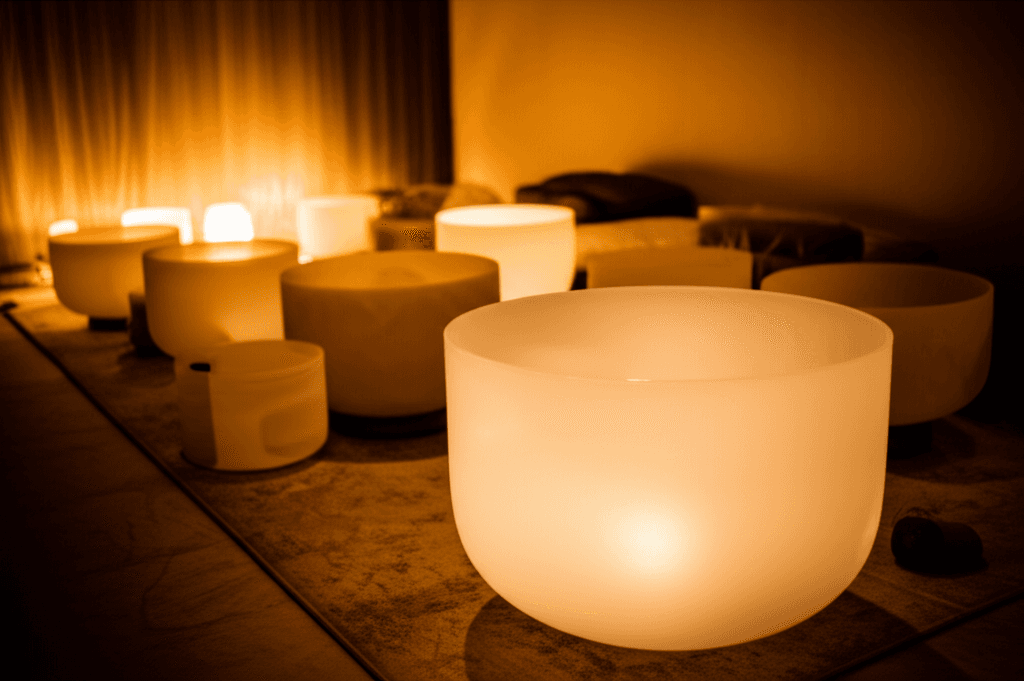
Our sessions often incorporate a variety of gentle, resonant instruments renowned for their calming properties. These include the pure tones of crystal singing bowls, the deep vibrations of gongs, the delicate melodies of chimes, and other therapeutic instruments. These carefully selected sounds are not merely background noise; they are designed to create specific frequency patterns that may support a child's nervous system, encouraging a state of deep relaxation and safety. The focus is always on creating a space where the child feels understood and supported, allowing them to process emotions gently and naturally.
A key aspect of the Soul Art method is the emphasis on co-regulation. We encourage the presence and active participation of caregivers during sessions, as their calm presence amplifies the therapeutic effects of the sound. Larissa Steinbach guides parents in understanding how to "lend their calm" through their own relaxed state and gentle interactions, reinforcing the external cues that help children transition towards active self-regulation. This synergistic approach ensures that the benefits extend beyond the studio, empowering families with tools for daily life.
A Sanctuary for Families
Soul Art is more than just a studio; it is a sanctuary designed to promote holistic wellness for the entire family unit. We understand that a child's emotional state is intricately linked to the emotional environment of the home. By providing a serene space for both children and caregivers, we aim to reduce overall family stress and foster deeper connections.
Our unique method focuses on integrating sound as a complementary approach to emotional development. We believe in nurturing a child's innate capacity for self-calm through sensory experiences that resonate deeply. Larissa Steinbach’s expertise lies in crafting experiences that are both deeply relaxing and subtly educational, helping parents and children alike to tune into their emotional needs and respond with greater awareness and compassion. The result is a more harmonious home environment, where emotional outbursts become less frequent and easier to navigate.
Practical Steps for Harmonizing Your Home
Navigating toddler tantrums can feel like a daunting challenge, but integrating sound as a wellness practice offers accessible and gentle ways to support your child's emotional regulation. These practical steps, inspired by the principles embraced at Soul Art, can help you foster a calmer, more emotionally resilient home environment.
- Introduce Calming Sound Routines: Establish predictable moments for calming sounds throughout the day. This could be a soft lullaby at naptime or bedtime, a gentle nature soundscape during quiet play, or a serene instrumental track during transitions that often trigger meltdowns. Consistency helps create a sense of security and signals a shift in energy.
- Utilize Sound for Transitions: Toddlers often struggle with transitions. Create a "transition song" or a specific sound cue (like a gentle chime) that signals a change in activity, such as tidying up toys or moving from playtime to dinner. This helps prepare their developing brains for what's next, reducing anxiety and resistance.
- Encourage Expressive Musical Play: Provide simple, child-safe musical instruments like maracas, tambourines, or even pots and pans. Encourage your child to make sounds and move to music. This allows them to physically release energy and express emotions non-verbally, turning potential frustration into creative exploration.
- "Lend Your Calm" with Your Voice: During a tantrum, your calm presence is paramount. Speak in a soft, low, rhythmic tone, or gently hum a calming melody. This acts as an external co-regulator, helping to soothe their overstimulated nervous system. Many people report that simply offering a consistent, calming sound with their voice can significantly de-escalate an outburst.
- Explore Guided Sound Wellness: For deeper support and a professionally guided experience, consider visiting Soul Art. Our specialized sessions, designed by Larissa Steinbach, offer a unique opportunity for both children and caregivers to experience profound relaxation and learn practical tools for emotional well-being within a serene and supportive environment.
By thoughtfully incorporating sound into your daily life, you are not only addressing immediate challenges but also nurturing your child's long-term emotional intelligence and resilience.
In Summary: Embracing Sound for Emotional Resilience
Toddler tantrums, while challenging, are scientifically understood as crucial developmental expressions of intense emotions from a brain still learning to regulate itself. Research, including studies by Professor James A. Green, reveals the complex emotional shifts within tantrums, moving from anger to comfort-seeking, and highlights their role in independence-seeking. The prefrontal cortex, responsible for emotional regulation, is still years from full development, underscoring the vital role of caregivers in "lending their calm."
Sound wellness offers a gentle yet powerful complementary approach to support this journey. Scientific findings suggest that soothing sounds can reduce stress hormones like cortisol, calm the nervous system, and provide a safe outlet for emotional expression. These practices aid in building emotional awareness and contribute to healthy brain development, ultimately fostering a child's capacity for self-regulation.
At Soul Art, Larissa Steinbach has curated a unique methodology that harmonizes these scientific insights with compassionate, sound-based practices. We offer a sanctuary where children and families can explore the benefits of sound for emotional balance, translating complex theory into practical, enriching experiences. Embracing sound wellness is an investment in your child's emotional resilience and a step towards a more harmonious family life. Discover the calming frequencies that can transform challenging moments into opportunities for growth and connection.
Bookings Coming Soon
Soul Art is still in preparation. Session details and booking will be published here after launch.
Coming Soon
Wellness Disclaimer: This article is for educational and informational purposes only. It does not constitute medical advice, diagnosis, or treatment. Soul Art Dubai provides non-medical wellness experiences focused on relaxation, stress management, and general wellbeing. Sound wellness is a complementary practice and should not replace professional medical care.
Related Articles
Moving Home: How Sound Wellness Supports Child Adaptation
Sound Wellness for Sibling Adjustment: Nurturing Family Harmony

Teen Identity & Sound: Self-Discovery for Adolescents at Soul Art Dubai