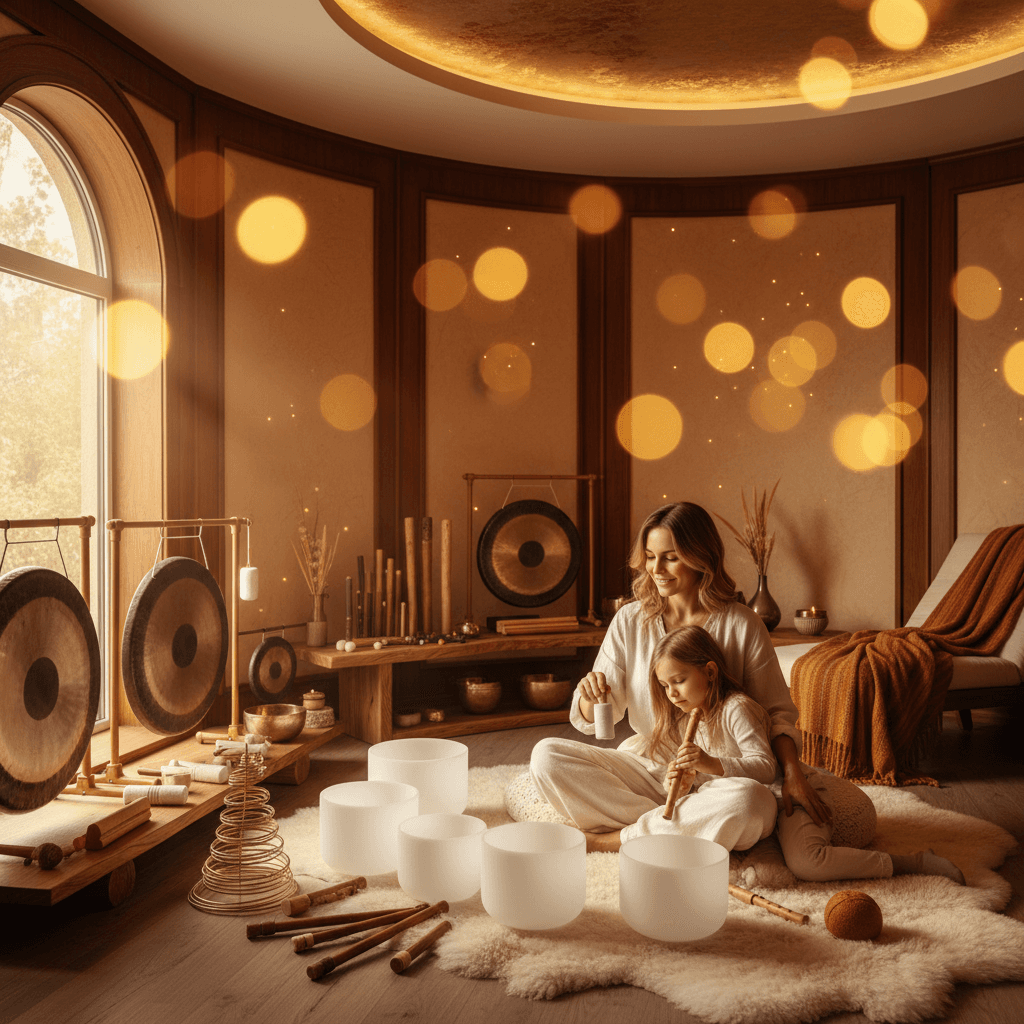
Selective Mutism: Unlocking Communication Through Sound Wellness
Key Insights
Explore Selective Mutism, an anxiety disorder, and how sound wellness practices at Soul Art, led by Larissa Steinbach, may offer a unique bridge for non-verbal communication and anxiety reduction.
Selective Mutism: Unlocking Communication Through Sound Wellness
Imagine a world where your voice, though perfectly capable, remains trapped inside you when you need it most. This is the profound, often bewildering reality for individuals experiencing Selective Mutism (SM). Far from mere shyness or defiance, Selective Mutism is a complex anxiety disorder that renders a person unable to speak in specific social situations where there is an expectation to do so, despite speaking freely and comfortably in other environments. It affects less than one percent of children in the United States, appearing slightly more often in girls than boys, as reported by the National Organization for Rare Disorders (2011).
The silence of Selective Mutism is not a choice, but a manifestation of intense anxiety. It can significantly impact a child’s academic progress and overall functioning skills (Crundwell, 2006). In a society that often equates verbal communication with intelligence and engagement, the struggles faced by those with SM can be profoundly isolating. At Soul Art, we believe in exploring holistic wellness avenues that may offer a gentle bridge to connection and expression. Through the transformative power of sound, our practices, championed by founder Larissa Steinbach, aim to create a sanctuary where the unspoken can find a voice, not necessarily through words, but through resonance and relaxation.
This article delves into the scientific understanding of Selective Mutism, exploring its intricate connection with anxiety. We will then uncover how sound, a primal form of communication and a potent stress management tool, may offer a complementary approach to navigate these challenges. By fostering a sense of safety and reducing anxiety, sound wellness practices may support individuals in discovering new pathways for self-expression and connection, enhancing their overall well-being.
The Science Explained: Understanding the Roots of Selective Mutism
Selective Mutism is often misunderstood, frequently mistaken for defiance or extreme shyness. However, researchers widely acknowledge that it does not fall under the categories of speech/language disorders, communication disorders, or defiant behaviors (Kearney and Vecchio, 2007; TPCJournal). Instead, it is firmly rooted in anxiety, specifically social phobia. This distinction is critical for appropriate understanding and support.
The Core: Anxiety and Comorbidity
The most consistent finding across research is the strong link between Selective Mutism and anxiety. Studies indicate that a staggering 80% of children with Selective Mutism were diagnosed with an additional anxiety disorder, with social phobia being the most prevalent at 69% (Driessen et al., 2020). This suggests that the inability to speak stems from an overwhelming fear of social interaction and scrutiny. A family history of anxiety also plays a significant role in the development of this disorder (Camposano, 2011), highlighting a potential genetic predisposition.
Furthermore, Selective Mutism frequently co-occurs with other conditions. A substantial 63% of affected children show comorbidity with autism spectrum disorder (Steffenburg et al., 2018). It is also associated with obsessive-compulsive disorder, generalized anxiety, separation anxiety, and specific phobias (ASHA; Driessen et al., 2020; Steffenburg et al., 2018). While not primarily a speech disorder, Selective Mutism often coincides with speech and sound disorders, particularly Childhood Apraxia of Speech (CAS), a motor speech disorder that significantly impacts intelligibility (Velleman et al., 2023). A research study found that 59% of children with Selective Mutism displayed some form of language deficits (Klein & Armstrong, 2021). These comorbidities underscore the complex neurological and psychological landscape surrounding Selective Mutism.
Beyond Words: The Potential of Non-Verbal Expression
While the primary challenge in Selective Mutism is verbal communication, research suggests that alternative forms of expression can be incredibly beneficial. For instance, a study demonstrated that when a child with Selective Mutism was given the chance to communicate using assistive technology, such as an iPad paired with a communication application, their communication in a trusted setting significantly increased (Rowan University, referencing Crundwell, 2006). This important finding illustrates that the difficulty lies in verbalizing, not necessarily in the desire or ability to communicate. Individuals with SM generally yearn to interact with their peers, despite their non-speaking presentation (Beare, Trogerson, Creviston, 2008).
Another fascinating intervention, known as audio feedforward, involves individuals listening to audiotapes edited to depict them speaking in situations where they are typically silent. Preliminary studies have reported successful use of this intervention for some children with Selective Mutism in both school and community settings, suggesting the power of auditory experience and self-perception in building confidence (PubMed, 1998). This hints at the broader potential of sound-based experiences to create new neural pathways and foster a sense of internal security that may gradually extend to external expression.
The Neuroscience of Sound and Anxiety Reduction
The human response to sound is deeply primal and extends far beyond cognitive processing. Sound, particularly specific frequencies and rhythmic patterns, can directly influence our nervous system. When we experience calming sounds, they may activate the vagus nerve, which is a major component of the parasympathetic nervous system. This activation can initiate a "rest and digest" response, counteracting the "fight or flight" response associated with anxiety.
"The subtle vibrations of sound can bypass the mind's verbal gatekeepers, reaching directly into the nervous system to soothe, rebalance, and invite a deeper state of calm that words alone often cannot achieve."
Calming sound frequencies have been associated with:
- Reduced heart rate and blood pressure, physical manifestations of anxiety.
- Release of endorphins, natural mood elevators.
- Increased alpha and theta brainwave activity, states conducive to deep relaxation and introspection.
- Enhanced body awareness and grounding, pulling focus away from anxious thoughts and into the present moment.
For someone experiencing the profound anxiety of Selective Mutism, providing a gentle, non-demanding auditory environment may offer a unique opportunity. It creates a space where the nervous system can regulate, allowing for a gradual reduction in the internal pressure that often prevents speech. While sound wellness is not a medical treatment for Selective Mutism, its ability to foster deep relaxation and emotional regulation makes it a valuable complementary approach within a holistic wellness strategy.
How It Works in Practice: The Sensory Journey
Connecting the scientific understanding of Selective Mutism and the power of sound, we can envision how sound wellness practices may offer a supportive environment. The practical application focuses on creating an experience that is non-threatening, deeply calming, and entirely free from the expectation of verbal response. This cultivates a safe space where individuals can simply be and receive.
Creating a Sanctuary of Sound
At the heart of sound wellness is the intention to reduce stress and foster a sense of inner peace. For individuals with Selective Mutism, this environment is crucial. Sessions are designed to be a sanctuary, a place where silence is respected, and communication can occur through unspoken understanding and the shared experience of sound. There is no pressure to speak, to perform, or even to interact in traditional ways. This absence of pressure in itself can be incredibly liberating for someone accustomed to feeling a constant internal demand to verbalize.
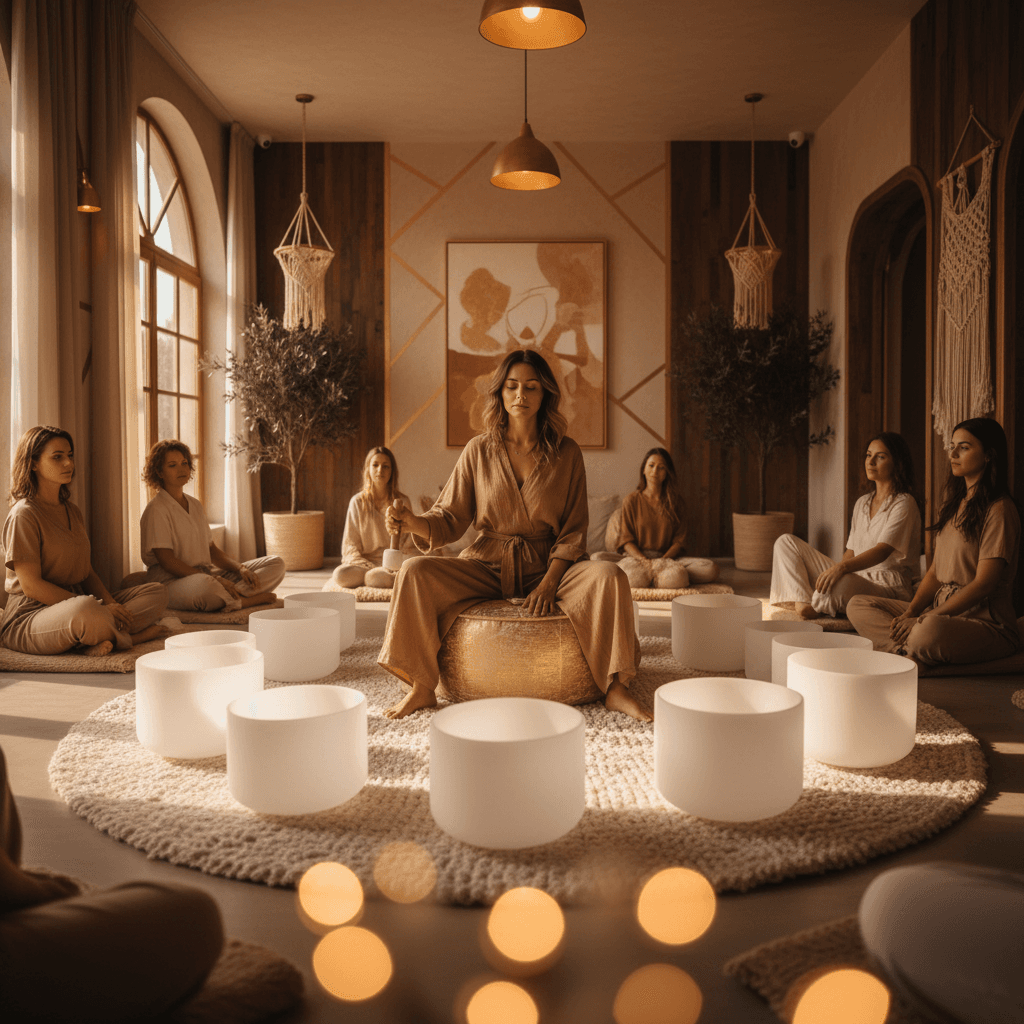
Clients entering a sound wellness session typically find themselves in a quiet, softly lit room. They might lie down comfortably, perhaps with a blanket or eye mask, allowing their bodies to fully relax. The practitioner then introduces various sound tools, played with intention and sensitivity. The focus is on the experience of sound – its vibrations, its resonance, its ability to fill the space and gently envelop the listener.
The Multi-Sensory Experience of Resonance
The experience is profoundly sensory. It's not just about what is heard, but what is felt.
- Auditory Immersion: The rich, complex overtones of singing bowls, the deep reverberations of gongs, the ethereal tinkling of chimes – these sounds create an immersive soundscape. They capture attention in a gentle, non-invasive way, often distracting from anxious internal dialogue.
- Vibrational Sensation: Many sound tools, especially singing bowls, create palpable vibrations. When placed on or near the body, these vibrations can be deeply grounding and soothing. This physical sensation offers a non-verbal form of communication, a gentle massage for the nervous system that bypasses the need for words. It can help release stored tension and promote a feeling of physical safety.
- Emotional Release: As the body relaxes and the mind quiets, individuals may find themselves in a state where emotions can surface and be processed gently. The non-linear, non-verbal nature of sound allows for emotional expression without the need to articulate feelings verbally. This can be a profound relief for those who struggle to put their internal experiences into words.
The primary goal in this context is to provide a non-demanding pathway for anxiety reduction and self-regulation. By facilitating a deeply relaxed state, sound wellness may contribute to reducing the overall anxiety load that underpins Selective Mutism, potentially creating a more conducive internal environment for future expressive communication, on the individual's own terms and timeline. It offers a complementary approach to support the individual's journey towards greater ease and expression.
The Soul Art Approach: Larissa Steinbach's Philosophy
At Soul Art, Dubai's premier sound wellness studio, Larissa Steinbach leads with a philosophy rooted in deep empathy, scientific understanding, and the transformative power of vibrational frequencies. Recognizing the nuanced challenges of conditions like Selective Mutism, her approach is meticulously crafted to be a supportive, non-intrusive pathway towards inner harmony and enhanced well-being. Larissa believes that every individual possesses an innate capacity for self-healing and expression, and sound can be a powerful catalyst to unlock these capacities.
Personalized Sanctuary and Gentle Guidance
Larissa's method at Soul Art is built upon the creation of a personalized sanctuary for each client. She understands that trust and safety are paramount, especially for those navigating complex anxieties. Sessions are not about 'fixing' or 'treating,' but about facilitating an environment where the nervous system can naturally unwind. This "quiet luxury" experience ensures a serene, confidential space where clients feel understood and respected, without any expectation of verbal interaction. Larissa's gentle guidance focuses on intuitive listening and responding to the client's energetic state, rather than their words.
"At Soul Art, we don't seek to elicit speech, but to cultivate a profound sense of inner calm and safety. When the nervous system finds its balance through sound, communication, in its myriad forms, can begin to flow naturally." - Larissa Steinbach
What makes the Soul Art method unique is its profound commitment to individual comfort and the absence of pressure. Larissa Steinbach emphasizes that sound is a universal language, accessible to all, irrespective of verbal abilities. It’s a space for internal dialogue and gentle external engagement through vibration, not forced conversation.
Specific Instruments and Techniques
Larissa utilizes a carefully curated selection of instruments, each chosen for its unique vibrational quality and therapeutic potential:
- Himalayan and Crystal Singing Bowls: These iconic instruments produce rich, sustained tones and profound vibrations that resonate deeply within the body, promoting deep relaxation and cellular harmony. The crystal bowls, in particular, are known for their pure, clear tones that may balance energy centers.
- Gongs: The powerful, enveloping sounds of gongs create an immersive experience, often facilitating a deep meditative state. Their complex harmonics can gently clear mental clutter and release emotional blockages.
- Tuning Forks: Precision-tuned forks, applied both around and directly on the body, offer targeted vibrational therapy. They may help to realign energy, reduce tension, and stimulate specific acupuncture points for subtle energetic shifts.
- Chimes and Koshi Bells: The delicate, ethereal sounds of these instruments add layers of beauty and lightness to the soundscape. They are often used to gently usher clients into and out of deep relaxation, creating a sense of wonder and peace.
Through these instruments, Larissa Steinbach orchestrates a bespoke sound journey, tailored to the individual's needs. The sessions at Soul Art offer a complementary path for stress management and self-expression, fostering an internal environment of calm and acceptance that may indirectly support individuals navigating Selective Mutism. It's an invitation to experience connection beyond words, through the universal language of sound.
Your Next Steps: Embracing Non-Verbal Wellness
For individuals or families navigating the complexities of Selective Mutism, integrating complementary wellness practices can be a vital component of a holistic support strategy. While sound wellness is not a replacement for professional medical or therapeutic interventions, it offers a powerful means for anxiety reduction, self-regulation, and non-verbal expression. Creating a supportive environment that prioritizes comfort and understanding is key.
Here are some practical steps you can implement or consider:
- Prioritize Anxiety Management: Recognize that Selective Mutism is rooted in anxiety. Explore various stress management tools, including mindfulness, gentle movement, and creative arts, alongside professional guidance. The goal is to lower overall anxiety levels, which may, in turn, reduce the pressure associated with speaking.
- Foster Non-Verbal Communication: Encourage and validate all forms of communication, including gestures, drawing, writing, typing, and play. Providing alternative pathways for expression can significantly reduce frustration and build confidence. Remember the success shown with assistive technology (Rowan University, referencing Crundwell, 2006).
- Create Predictable, Low-Pressure Environments: Structure situations to minimize anxiety. Introduce new people or places gradually, allowing ample time for the individual to feel comfortable without any expectation of verbal interaction. A "buddy" system in school settings, where a child can speak to a trusted peer, can be highly effective (Doll, 2022).
- Explore Sound-Based Relaxation: Introduce calming sounds into daily routines. This could be soft music, nature sounds, or simple chimes. Observe how these sounds affect mood and relaxation. Engaging with sound in a playful, non-demanding way can make it a comforting tool.
- Consider a Soul Art Sound Wellness Session: If you are seeking a professionally guided experience to support anxiety reduction and explore non-verbal expression, consider booking a private sound wellness session at Soul Art. Larissa Steinbach and her team provide a nurturing environment, using a variety of instruments to facilitate deep relaxation and energetic balance. This can be a profound self-care practice, creating a peaceful internal space.
Embracing these steps can contribute to a more compassionate and understanding environment for individuals with Selective Mutism, promoting their overall well-being and supporting their unique journey towards communication and connection.
In Summary: Bridging Silence with Resonance
Selective Mutism is a challenging anxiety disorder, not a choice, affecting children's ability to speak in specific social settings. While it is not a speech or communication disorder, its deep connection to anxiety demands empathetic and holistic approaches. Traditional treatments often include behavioral and play therapies, but complementary wellness practices like sound can play a significant role in reducing anxiety and fostering alternative avenues for expression.
Sound wellness offers a gentle, non-verbal bridge, creating a sanctuary where the nervous system can find profound calm and balance. Through the immersive vibrations of instruments like singing bowls and gongs, individuals may experience a reduction in stress and a heightened sense of safety, potentially easing the internal pressure associated with verbal communication. At Soul Art, Larissa Steinbach champions this complementary approach, providing personalized sessions designed to nurture well-being and encourage expression beyond words. It is an invitation to explore a world where the power of resonance creates connections, fosters relaxation, and supports every individual's journey towards their fullest expression.
Bookings Coming Soon
Soul Art is still in preparation. Session details and booking will be published here after launch.
Coming Soon
Related Articles
Moving Home: How Sound Wellness Supports Child Adaptation
Sound Wellness for Sibling Adjustment: Nurturing Family Harmony

Teen Identity & Sound: Self-Discovery for Adolescents at Soul Art Dubai