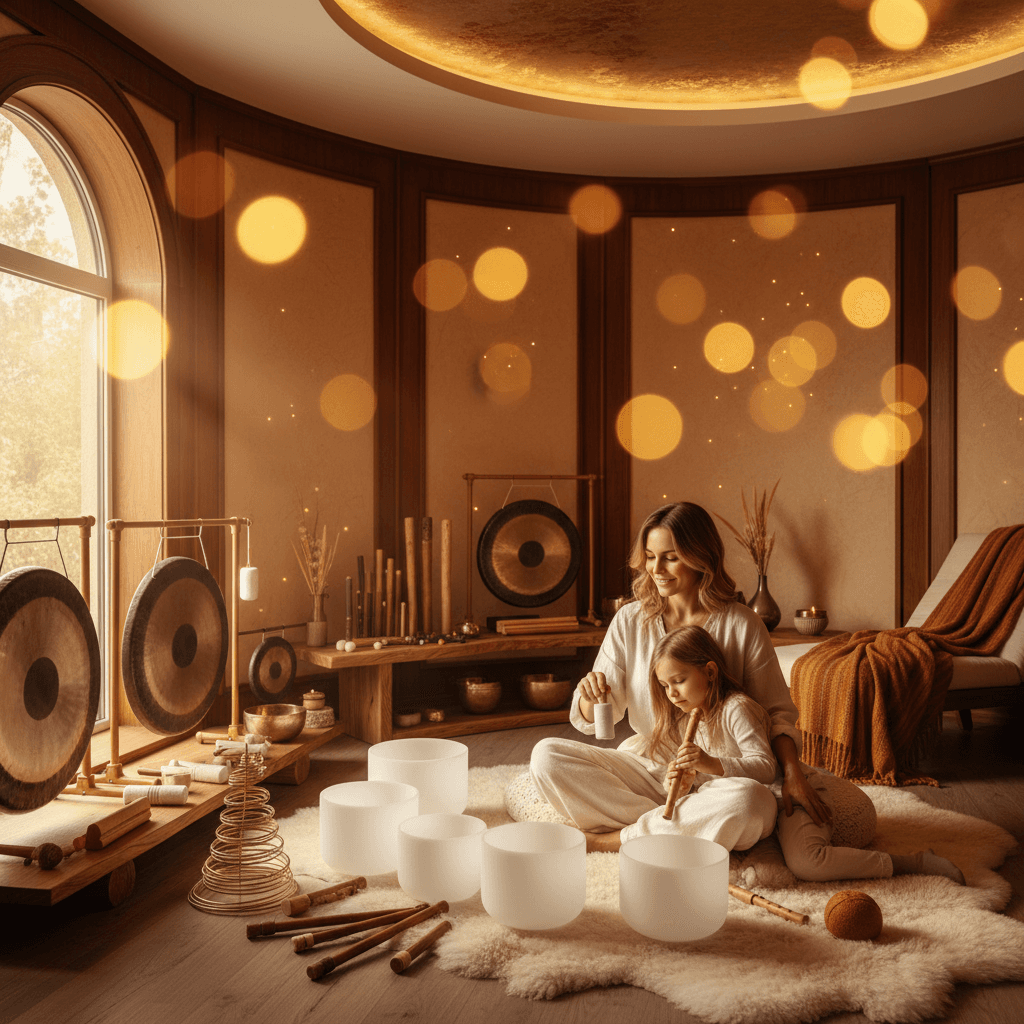
Moving Home: How Sound Wellness Supports Child Adaptation
Key Insights
Discover how sound wellness can support children and families navigating the complexities of moving home, fostering resilience and emotional well-being.
Home, the very word evokes a sense of stability, comfort, and belonging. Yet, for millions of families globally, the concept of 'home' is fluid, often changing with job opportunities, life transitions, or economic pressures. Consider this: nearly 7 in 10 American children and 2 in 5 UK children experience a home move before their fifth birthday. While often seen as a logistical challenge for adults, for young children, this upheaval can silently register as significant stress, impacting their emotional and behavioural development.
At Soul Art, Dubai's premier sound wellness studio, founded by Larissa Steinbach, we understand that true well-being extends beyond the physical. It encompasses the delicate balance of our nervous system, our emotional resilience, and our capacity for adaptation – especially during times of change. This article delves into the nuanced impact of residential mobility on children and explores how scientifically-grounded sound wellness practices can serve as a profound anchor, helping families navigate the turbulence of moving home with greater calm and connection. You’ll learn why moving can be more than just a change of address, how it affects children, and how targeted sound experiences can foster an environment of internal stability, even when the external world is shifting.
The Science Explained: Unpacking the Impact of Residential Mobility
The act of moving home is often perceived as a fresh start, an exciting new chapter. However, for young children, whose worlds are fundamentally shaped by consistency and secure attachments, frequent residential changes can introduce a significant degree of stress. Research from institutions like UCL’s Institute of Education, in collaboration with American colleagues, sheds light on the profound, often overlooked, impacts of such transitions.
The Unseen Stressors of Relocation: Beyond the Boxes
Initial studies comparing children in the UK Millennium Cohort Study and the US Fragile Families and Child Wellbeing Study revealed a concerning trend: children who moved home frequently between the ages of nine months and five years often fared worse than their non-moving peers. These detriments were observed in crucial areas such as verbal ability and emotional and behavioural adjustment. While the act of moving itself wasn't directly identified as the root cause of these developmental challenges, the researchers concluded that it was the "constellation of difficulties" surrounding many home moves, particularly for disadvantaged families, that contributed to these problems.
These difficulties can include a multitude of factors, creating a ripple effect of instability. Financial hardship, lack of parental employment, partnership transitions, unstable housing tenure, and a general sense of insecurity all interact at individual, family, and neighbourhood levels. The co-occurrence of residential moves with these poverty-related stressful circumstances was strongly associated with lower verbal skills and an increase in internalising and externalising problems in children by age five. This highlights that the stress isn't merely about a change of address, but about the underlying circumstances that often drive such moves.
The Physiological Toll: How Stress Impacts Young Brains
The human nervous system is exquisitely sensitive, especially in its developmental stages. Chronic psychosocial stress, which can be exacerbated by frequent or difficult home moves, is not just an emotional experience; it has tangible physiological implications. Research indicates that even everyday sources of stress, not only traumatic events, may contribute to dysregulated immune systems and inflammation in children and adolescents. For instance, adolescents experiencing higher daily stressors or lower levels of positive affect showed elevated levels of C-reactive protein (CRP), a marker of inflammation.
A child’s home physical environment also plays a critical role in their well-being. Studies have shown that poor housing quality, crowded conditions, and physical disorder are consistently associated with emotional and behavioural problems and lower cognitive skills in children. This suggests that the environment we provide, both physically and emotionally, can significantly influence a child's developmental trajectory. Furthermore, for teenagers, frequent home moves coupled with downward social mobility have been linked to a reduced sense of agency, manifesting as an external locus of control – a belief that life is determined by external forces rather than one's own actions. This feeling of powerlessness, when compounded by instability, has been associated with poorer mental health outcomes in adulthood.
"The environment we cultivate, through our intentions and our actions, reverberates through the delicate systems of our children, shaping their ability to thrive amidst life's inevitable changes."
The science of early childhood development unequivocally emphasizes the importance of a high-quality caregiving environment. Ample evidence supports that early experiences, caregiving quality, and environmental threats profoundly influence biological, cognitive, and behavioural development. Interventions that improve the caregiving environment have been shown to lead to improved outcomes in growth, health, and development, potentially reversing some negative effects of early disadvantage. This underscores the power of proactive support during formative years, focusing on creating internal stability amidst external flux.
How It Works in Practice: Sound as an Anchor for Adaptation
Understanding the profound impact of instability on children and families, the question then becomes: how can we provide tangible support? This is where the ancient practice of sound wellness, refined for modern needs by experts like Larissa Steinbach at Soul Art, offers a compelling and scientifically-informed pathway to fostering resilience and adaptation. Sound is not merely heard; it is felt, influencing our physiology at a cellular level.
The Resonance of Calm: Resetting the Nervous System
When a family experiences the stress associated with moving home, their nervous systems, particularly those of young children, can become stuck in a state of heightened alert – the "fight, flight, or freeze" response. This sympathetic nervous system activation, while essential for survival, becomes detrimental when prolonged. It hinders clear thinking, emotional regulation, and peaceful sleep, making adaptation even more challenging.
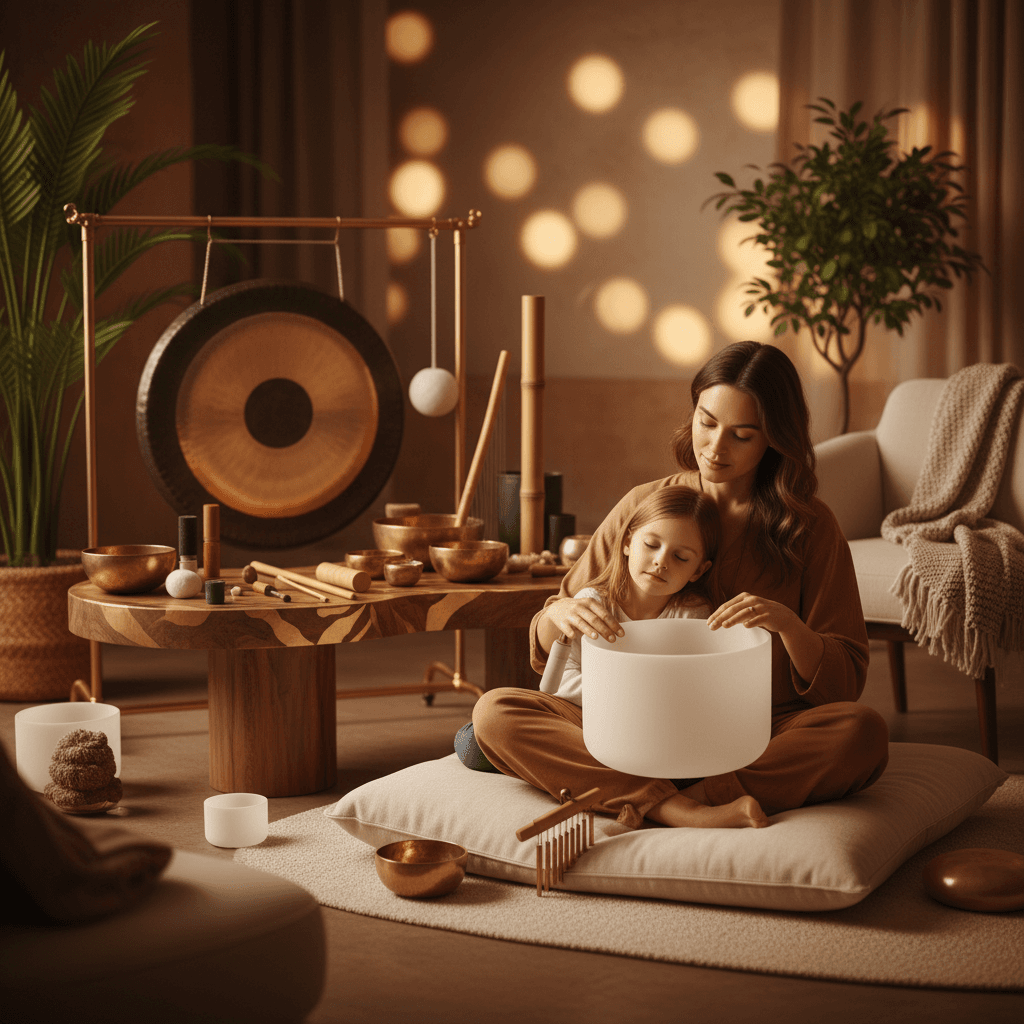
Sound wellness practices, particularly those involving resonant instruments like gongs, Himalayan singing bowls, and crystal bowls, work by introducing coherent sound waves and vibrations into the body and environment. These precisely tuned frequencies act as a gentle, non-invasive cue for the nervous system to shift from a sympathetic (stress) state to a parasympathetic (rest and digest) state. As participants lie in a comfortable position, enveloped by the rich tapestry of sound, their brainwaves naturally begin to slow, transitioning from active beta waves to calmer alpha and theta states. This deeply relaxing experience allows the body to release stored tension, quiet the mind, and restore a sense of inner balance.
Creating an Internal Sanctuary: Beyond the Physical Move
Imagine the feeling of a gentle hum permeating your being, a vibration that resonates through your cells, dissolving agitation and fostering a sense of profound peace. This is often the experience within a sound wellness session. For parents grappling with the logistics and emotional strain of moving, these sessions offer a vital respite, allowing them to re-regulate their own nervous systems. A calmer, more regulated parent can, in turn, create a more stable and nurturing home environment, a critical factor for a child's successful adaptation.
The sensory richness of a sound bath also provides a unique grounding experience. In a world where visual cues and routines are constantly changing due to a move, the consistency and enveloping nature of sound can offer a new form of stability. It’s a space where one can simply be, without the pressure of external demands or the need to immediately process new surroundings. This focus on internal quietude and physical sensation can support a child's ability to self-regulate, helping them process big emotions and adapt to new social and physical settings with greater ease. Anecdotal evidence from many people suggests that regular engagement with sound wellness practices can cultivate a stronger internal locus of control, fostering a sense of personal agency even when external circumstances feel overwhelming.
The Soul Art Approach: Larissa Steinbach's Unique Philosophy
At Soul Art, Larissa Steinbach has meticulously crafted a unique sanctuary dedicated to harnessing the transformative power of sound. Her approach is rooted in both scientific understanding and a deep, intuitive reverence for the ancient wisdom embedded in vibrational healing. When it comes to supporting families navigating significant life transitions like moving home, Larissa's methodology is particularly potent, focusing on creating profound internal shifts that reverberate through the entire family unit.
Larissa's philosophy emphasizes that true well-being is not just the absence of illness but the presence of vitality, resilience, and inner harmony. She recognizes that for children, and indeed for all individuals, a sense of security and belonging is paramount. When these are disrupted by a home move, the nervous system can become dysregulated, leading to a cascade of emotional and behavioural challenges. The Soul Art method, under Larissa's guidance, offers a sophisticated and deeply empathetic response to this need for stability.
What makes the Soul Art method unique is its curated, bespoke nature. Larissa and her team do not offer a one-size-fits-all solution. Instead, each session is thoughtfully designed, taking into account the specific needs and energetic states of the individuals or families participating. This personalized approach ensures that the soundscapes created are precisely attuned to unlock deep relaxation and facilitate emotional release. The environment at Soul Art is itself a testament to "quiet luxury" – a tranquil, aesthetically pleasing space that immediately invites serenity, making it an ideal setting for vulnerable moments of adaptation.
Specific instruments are chosen with intention, each possessing distinct vibrational qualities. Guests may experience the profound, grounding hum of a large symphonic gong, its vast frequency range capable of sweeping away mental chatter and physical tension. The ethereal, crystalline tones of crystal singing bowls, tuned to specific chakras or energy centers, are often used to harmonize subtle energy fields, promoting emotional balance and clarity. Himalayan singing bowls, with their rich, earthy resonance, are placed strategically, sometimes even on or around the body, to facilitate deep cellular relaxation and energetic release. Other instruments, such as chimes, ocean drums, and tuning forks, are woven into the sound tapestry to evoke a sense of calm, wonder, and gentle movement, all contributing to an immersive experience that re-patterns the nervous system.
Larissa Steinbach’s expertise lies in her ability to intuitively blend these instruments, creating harmonious soundscapes that guide participants into profound states of relaxation and self-discovery. Her method is designed to provide a safe, nurturing space where the body can naturally recalibrate, the mind can quieten, and the spirit can find renewed resilience. For families facing the stress of a home move, these sessions offer a vital opportunity to reset, reconnect, and cultivate an internal wellspring of peace that can buffer against external challenges. Larissa believes that by supporting the parents' nervous systems, they are better equipped to provide the stable, nurturing environment their children need to successfully adapt to their new surroundings.
Your Next Steps: Cultivating Calm Amidst Change
Navigating a home move with children requires patience, empathy, and proactive strategies to manage stress. While the practicalities of packing and unpacking are unavoidable, fostering emotional stability for your family is equally, if not more, important. Integrating wellness practices can make a profound difference in how your children adapt and how you, as a parent, cope with the demands of transition.
Here are some actionable steps you can implement today to cultivate a more peaceful environment:
- Prioritize Mindful Moments: Even short bursts of mindfulness can be incredibly effective. Encourage your child, and yourself, to take deep, intentional breaths throughout the day. Simple exercises like smelling a flower (inhale deeply) and blowing out a candle (exhale slowly) can help anchor attention and regulate breathing.
- Create Predictable Rituals: During times of change, establishing new, comforting routines can provide a sense of security. This could be a consistent bedtime story, a specific song played during meal prep, or a daily "calm corner" where everyone can retreat for a few minutes of quiet play or reflection.
- Communicate Openly and Empathetically: Talk to your children about the move in age-appropriate ways, validating their feelings of excitement, nervousness, or sadness. Let them know it's okay to feel a range of emotions and that you are there to support them. Active listening fosters trust and helps children process their experiences.
- Curate a Sensory Sanctuary: Designate a small space in your new home, even if temporary, that feels safe and inviting. Include soft blankets, familiar toys, and perhaps a gentle nightlight or calming diffuser. Remember, the quality of the home environment extends to its sensory input, and sound plays a key role.
- Explore Sound Wellness: Consider introducing sound as a regular part of your family's stress management toolkit. Listening to calming music, nature sounds, or exploring guided meditations with gentle tones can provide a consistent source of peace. For deeper support, exploring professional sound wellness sessions, such as those offered by Soul Art, may support profound nervous system regulation for parents, creating a more harmonious environment for children.
Ready to restore your nervous system and discover deep relaxation, creating a stronger foundation for your family during times of transition?
In Summary: Harmonizing Home, Heart, and Health
Moving home is a common yet complex experience for families, particularly for young children whose developing nervous systems are highly sensitive to change and stress. While the act of moving itself isn't the primary culprit for developmental challenges, the "constellation of difficulties" associated with residential mobility—such as financial hardship and unstable environments—can significantly impact a child's verbal ability, emotional regulation, and overall well-being. The science points to the critical importance of a stable and nurturing caregiving environment in mitigating these risks, underscoring that our internal states profoundly influence our external surroundings.
At Soul Art, Larissa Steinbach's pioneering approach to sound wellness offers a powerful, complementary pathway to fostering resilience and adaptation during these crucial transitions. By gently guiding the nervous system into a state of deep relaxation, sound experiences can help parents regulate their own stress, thus creating a calmer, more supportive home environment for their children. This cultivation of internal stability, even when external circumstances are in flux, may support children in developing stronger self-regulation and a greater sense of security. Embrace the transformative potential of sound to harmonize your home, your heart, and your family's well-being.
Bookings Coming Soon
Soul Art is still in preparation. Session details and booking will be published here after launch.
Coming Soon
Wellness Disclaimer: This article is for educational and informational purposes only. It does not constitute medical advice, diagnosis, or treatment. Soul Art Dubai provides non-medical wellness experiences focused on relaxation, stress management, and general wellbeing. Sound wellness is a complementary practice and should not replace professional medical care.
Related Articles
Sound Wellness for Sibling Adjustment: Nurturing Family Harmony

Teen Identity & Sound: Self-Discovery for Adolescents at Soul Art Dubai
Selective Mutism: Unlocking Communication Through Sound Wellness