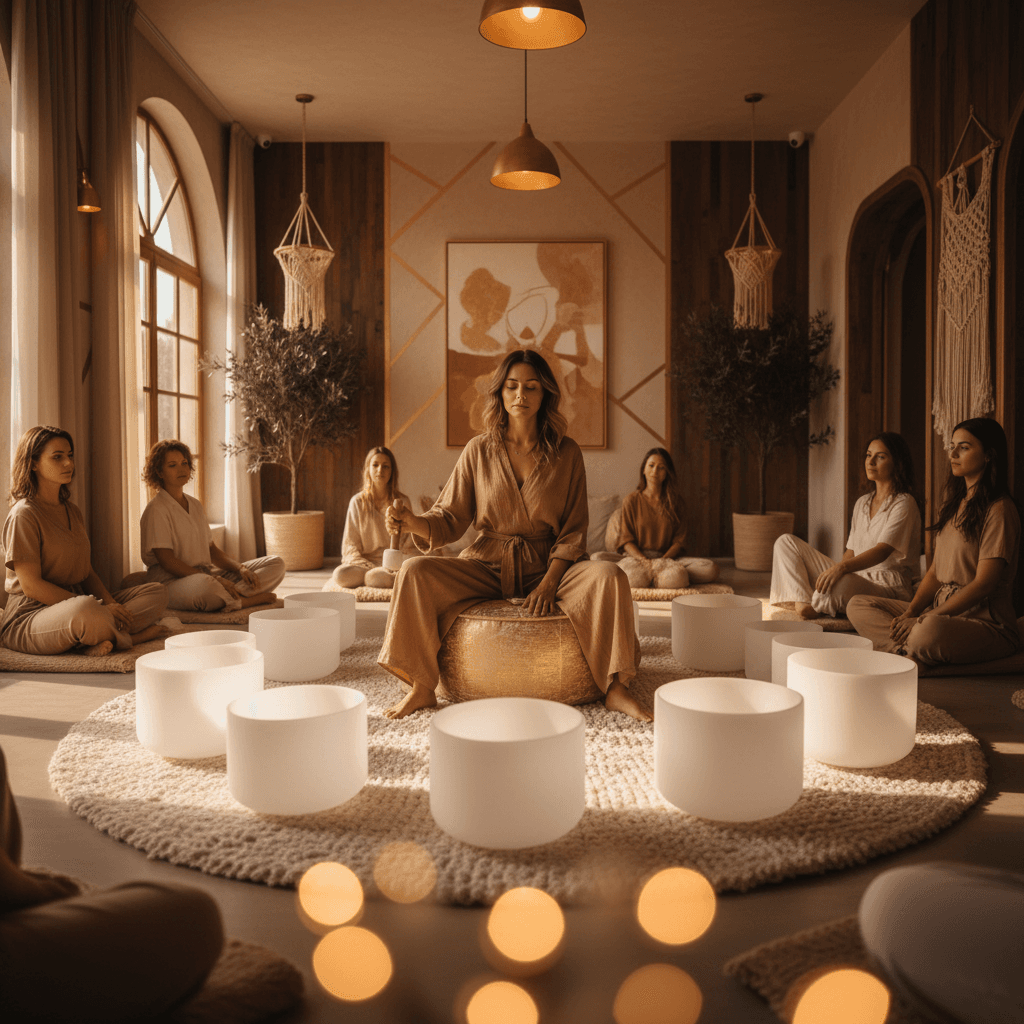
Nurturing Rest: Sound Solutions for Toddler Sleep Challenges

Key Insights
Explore scientifically-backed sound solutions for toddler sleep challenges with Soul Art Dubai and Larissa Steinbach. Enhance family well-being.
The world of toddlerhood is a whirlwind of discovery, growth, and boundless energy. Yet, beneath the adorable antics and rapid developmental leaps often lies a significant challenge for parents: sleep. Many families grapple with inconsistent bedtime routines, frequent night awakenings, and shorter-than-desired naps, impacting the well-being of both child and parent. The Centers for Disease Control and Prevention (CDC) recommends that toddlers aged 2-3 years achieve 11-14 hours of sleep per 24 hours, including naps, a target many find elusive.
While sleep training techniques, consistent routines, and a proper sleep environment are well-established pillars of good sleep hygiene, an often-underestimated tool in a parent’s arsenal is sound. Can thoughtfully introduced auditory cues genuinely support a toddler's journey to more restful sleep? Preliminary research and anecdotal evidence suggest a promising role for specific sound interventions. At Soul Art, Dubai's premier sound wellness studio, founded by Larissa Steinbach, we explore how harmonious frequencies and curated soundscapes may offer a gentle, complementary approach to navigate these common challenges, fostering a calmer home environment for everyone.
The Science Explained: Unpacking Toddler Sleep and Sound
Toddler sleep is a complex dance influenced by rapid neurological development, emotional processing, and a burgeoning sense of independence. Understanding the underlying science provides valuable insight into why sleep can be so fragmented during these formative years and how sound may offer a supportive pathway to improved rest.
The Dynamic Toddler Brain and Sleep Architecture
Between the ages of one and three, a toddler's brain is undergoing an extraordinary period of growth and reorganization. They are mastering language, developing motor skills, and processing vast amounts of new information daily. This intense developmental activity, coupled with the emergence of object permanence and a growing imagination, can make it difficult for their minds to "switch off" at bedtime. Their sleep architecture, while maturing, is still more fragile than an adult's, making them more susceptible to environmental disturbances.
Sleep isn't a passive state; it's an active process with distinct stages, including periods of light sleep where toddlers are more easily roused. External noises, internal processing (like recalling the day's adventures), or even slight shifts in their environment can easily pull them from a lighter sleep phase. This explains why a sudden door creak or a passing car can lead to an abrupt awakening, disrupting the precious continuous sleep periods essential for growth and cognitive consolidation.
The Auditory System and Nervous System Regulation
Our auditory system is intimately connected with our nervous system, playing a critical role in how we perceive and respond to our environment. From the moment we are born, sounds influence our state of arousal and relaxation. Certain frequencies and sound patterns can trigger the parasympathetic nervous system, promoting a "rest and digest" state, while others can activate the sympathetic nervous system, initiating a "fight or flight" response. For toddlers, whose nervous systems are still developing their regulatory capacities, consistent and soothing auditory input can be particularly impactful.
The continuous presence of a calming sound may help to create a predictable and safe auditory environment, signaling to the nervous system that it is time to unwind. This is especially relevant in modern living environments where urban sounds, household noises, or even the general hum of daily life can inadvertently keep a child's brain in a state of alert. A carefully chosen soundscape aims to counteract this, providing a gentle auditory anchor for their developing system.
The Role of White Noise: A Scientific Perspective
A systematic review of published literature, following PRISMA guidelines, investigated the effects of sound machine-based interventions on sleep efficiency across different age groups. This comprehensive analysis, which scoured databases like MEDLINE, Embase, and Cochrane, included studies on infants and toddlers (aged 0-3 years). The findings offered valuable insights into the potential benefits of sound.
For the infant and toddler population, the review indicated that white noise was associated with several positive sleep outcomes:
- Extended 24-hour Total Sleep Time (TST): Some research suggests that white noise may support children in sleeping for longer durations over a full day.
- Improved 12-hour Sleep Efficiency (SE): This refers to the proportion of time spent asleep while in bed. White noise was linked to a more efficient use of sleep opportunities during a 12-hour period.
- Reduced Number of Awakenings (NOA): The study found an association between white noise exposure and fewer instances of waking up during both 24-hour and 12-hour periods.
However, it is crucial to note the nuances of the findings. The review also stated that white noise did not yield significant effects on:
- Extending nocturnal 12-hour TST.
- Improving 24-hour overall SE.
- Reducing Wake After Sleep Onset (WASO).
The authors of the systematic review also highlighted limitations due to the heterogeneity of the included research and methodological quality, underscoring the need for further high-quality studies to solidify these findings. Therefore, while promising, sound should be seen as a complementary tool, not a standalone solution, used alongside robust sleep hygiene practices.
"In the intricate symphony of child development, sleep is the crucial silence where growth harmonizes with rest. Understanding how gentle sounds can guide our little ones to this vital quietude offers a profound path to family well-being."
How It Works in Practice: Translating Science into Serenity
Connecting the scientific understanding of sound and toddler sleep to real-world application involves creating a deliberate and supportive auditory environment. It's about more than just playing any sound; it's about choosing and using sounds strategically to support a child's natural sleep rhythms and mask potential disruptions.
Creating a Consistent Auditory Anchor
A core principle behind using sound for toddler sleep is to establish a consistent "auditory anchor." Just as a familiar blanket or a beloved stuffed animal can signal comfort and safety, a particular soothing sound can signal that it's time to transition to sleep. This consistency can be incredibly powerful for a toddler's developing brain, which thrives on predictability and routine. When this sound is introduced as part of the bedtime ritual, it becomes a strong cue, helping to prepare their mind and body for rest.
For example, a gentle hum or a low-frequency soundscape, consistently played during bedtime and naptime routines, may help a toddler mentally transition into sleep mode. This sound becomes an integral part of their sleep hygiene, an almost unconscious signal that relaxation is imminent. Over time, this conditioning can help reduce sleep latency, meaning the time it takes for a child to fall asleep.
Masking Environmental Disturbances
One of the most practical benefits of introducing ambient sounds is their ability to mask sudden, jarring noises that could otherwise wake a sleeping toddler. The systematic review highlighted the reduction in the number of awakenings for infants and toddlers with white noise exposure. This isn't about blocking out all sounds, but rather creating a consistent background hum that blends minor disturbances into an undifferentiated sound field.
Think of it as creating an auditory "bubble" around the sleep space. The gentle whir of a fan, the steady rhythm of ocean waves, or even specific sound frequencies can effectively cover up unexpected household noises, street sounds, or even the natural creaks and groans of a home. This can be especially helpful in urban environments like Dubai, where external sounds might otherwise intrude on a child's sleep. By reducing these disruptions, the chance of a toddler being pulled from a lighter sleep stage is minimized, supporting longer, more consolidated sleep periods.
Promoting a Sense of Security and Calm
Beyond masking noise, the right sounds can evoke a profound sense of security and calm. For toddlers, who are often navigating separation anxiety or developing fears, a constant, gentle sound can feel like a comforting presence. This is not just anecdotal; the connection between sound, emotional regulation, and perceived safety is well-documented in neuroscience. Low-frequency sounds, in particular, are often associated with feelings of grounding and safety.
In practice, this means selecting sounds that are not only consistent but also inherently soothing. Think gentle, continuous tones rather than complex melodies or abrupt changes. The goal is to cultivate an environment that fosters deep relaxation, allowing the toddler's nervous system to settle. Many parents report that their children seem more settled and less prone to bedtime resistance when a calming soundscape is part of their routine, contributing to a more peaceful sleep transition for the entire family.
The Soul Art Approach: Larissa Steinbach's Unique Vision
At Soul Art, Dubai, we believe in a holistic approach to well-being that extends to every member of the family, including the youngest. Larissa Steinbach, our founder, brings a deep understanding of sound's therapeutic potential, translating scientific principles into uniquely crafted experiences that may support a family's journey to greater calm and improved sleep. Our method goes beyond simple white noise, embracing the subtle power of curated soundscapes and resonant frequencies.
Beyond Generic Sound Machines: Curated Frequencies
While the systematic review highlights the benefits of white noise, Soul Art's approach to sound wellness for families integrates a more nuanced understanding of frequency and resonance. Larissa Steinbach and her team carefully select and compose sound environments that are not just repetitive but are designed to resonate with the body's natural rhythms. This might involve specific binaural beats (though typically used for older children/adults, the concept of specific frequencies is relevant), or continuous, gentle tones that are known to encourage states of relaxation. The aim is to create a rich, yet unobtrusive, auditory texture that supports deep rest without being stimulating.
Our studios, while designed for adult immersive experiences, offer insights into how sound can be tailored to create specific energetic and physiological responses. For the home, this translates into guiding parents on selecting high-quality sound tools and understanding which frequencies might be most beneficial for their toddler’s unique needs. We emphasize the quality of the sound, ensuring it's free from harshness or sudden changes that could disrupt a delicate nervous system.
Holistic Well-being for the Entire Family
Larissa Steinbach's philosophy at Soul Art centers on the interconnectedness of family well-being. A stressed parent often means a more anxious child, and vice versa. Therefore, while our focus might be on supporting toddler sleep, the solutions we advocate often benefit the entire household. By equipping parents with tools and knowledge for their own nervous system regulation, we indirectly foster a calmer environment conducive to their child's sleep.
This involves educating parents on practices like mindfulness and guided relaxation, often facilitated by sound, which they can then integrate into their family's routine. Imagine a peaceful evening routine where the whole family unwinds to gentle sounds, preparing everyone for a restful night. This collective state of calm, nurtured by sound, can significantly ease bedtime battles and promote more harmonious transitions into sleep for toddlers.
Integrating Sound into a Comprehensive Wellness Strategy
The Soul Art method positions sound as a vital component within a broader wellness strategy. We view sound as a complementary approach that enhances other positive sleep hygiene practices. Larissa Steinbach guides clients to consider how sound can interact with and amplify other elements of their routine: a warm bath, a quiet story, dim lighting, and a cool, safe sleep space.
We advocate for high-quality soundscapes that are gentle, consistent, and thoughtfully integrated, ensuring the sound level is appropriate and non-intrusive. The goal is not to overwhelm the toddler's senses but to gently guide them towards a state of tranquility. Through this unique fusion of scientific understanding and empathetic guidance, Soul Art helps families in Dubai discover personalized sound solutions that truly resonate, supporting the precious gift of peaceful sleep for their little ones and enhanced well-being for all.
Your Next Steps: Practical Sound Solutions for Toddler Sleep
Integrating sound into your toddler's sleep routine is a journey, not an overnight fix. Patience and consistency are key. Here are some actionable steps you can take today, guided by the principles of sound wellness and holistic well-being:
- Establish a Consistent Sleep Environment: Before introducing sound, ensure your toddler's sleep space is dark, cool (between 18-21°C), and safe. Remove stimulating toys and ensure comfortable bedding. A peaceful physical environment is the foundation upon which sound can build.
- Introduce Gentle Sound Cues Gradually: Begin by playing a consistent, low-volume, soothing sound (e.g., white noise, gentle nature sounds, or soft instrumental tones) during the pre-sleep routine, about 15-20 minutes before bedtime. Ensure the sound remains consistent throughout the night and during naps. The volume should be no louder than a gentle shower, ensuring it's not damaging to hearing and serves as a background rather than a focal point.
- Observe and Adjust: Pay close attention to your toddler’s response. Does a particular sound seem more soothing than others? Is the volume just right? Every child is unique, and what works for one may not work for another. Be prepared to experiment and adjust the type of sound or volume until you find what best supports your child’s relaxation.
- Prioritize Parental Well-being: Remember that your state of calm directly influences your child’s. Explore sound wellness practices for yourself, such as a relaxing sound bath or guided meditation, as offered by Soul Art. A more rested and regulated parent is better equipped to support their toddler through sleep challenges.
- Maintain Routine and Consistency: Sound is most effective when part of a predictable bedtime routine. Use the chosen sound consistently for naps and nighttime sleep to reinforce its role as a sleep cue. This consistency helps build a strong association between the sound and sleep, leading to more predictable rest.
Ready to explore how curated sound experiences can enhance your family's journey to deeper relaxation and improved sleep, starting with parental well-being? Larissa Steinbach and the Soul Art team invite you to experience the transformative power of sound.
In Summary
Navigating toddler sleep challenges is a universal parental experience, yet solutions often overlook the profound impact of sound. Scientifically, continuous sound, such as white noise, has shown associations with extending total sleep time and reducing awakenings in toddlers, offering a promising, complementary approach. While acknowledging the need for further research, this evidence highlights sound's potential as a valuable tool.
At Soul Art, Larissa Steinbach champions a holistic approach, integrating curated soundscapes into comprehensive wellness strategies for the entire family. By creating consistent auditory anchors, masking disturbances, and promoting a sense of calm, sound can gently guide toddlers towards more restful sleep. This supports not only the child but also the parents, fostering a harmonious home environment. We encourage you to explore the benefits of sound as a gentle aid in your quest for peaceful nights.
Bookings Coming Soon
Soul Art is still in preparation. Session details and booking will be published here after launch.
Coming Soon
Wellness Disclaimer: This article is for educational and informational purposes only. It does not constitute medical advice, diagnosis, or treatment. Soul Art Dubai provides non-medical wellness experiences focused on relaxation, stress management, and general wellbeing. Sound wellness is a complementary practice and should not replace professional medical care.
Related Articles
Moving Home: How Sound Wellness Supports Child Adaptation
Sound Wellness for Sibling Adjustment: Nurturing Family Harmony

Teen Identity & Sound: Self-Discovery for Adolescents at Soul Art Dubai