Tinnitus-Friendly Sound Baths: A Pathway to Serene Well-being
Key Insights
Explore how Soul Art Dubai customizes sound baths for tinnitus, offering a pathway to deep relaxation and nervous system regulation with Larissa Steinbach.
Unlocking Serenity: Tinnitus-Friendly Sound Bath Modifications
Imagine a world filled with constant ringing, buzzing, or hissing, an internal soundtrack that never truly fades. This is the reality for many living with tinnitus, a challenging auditory sensation described as the perception of sound when no external noise is present. While often associated with ear pathologies, tinnitus can arise from various levels of the auditory system, significantly impacting quality of life.
The continuous presence of tinnitus can make daily activities, conversations, and especially moments of quiet relaxation, feel strained and exhausting. Many individuals find deep relaxation practices, like sound baths, to be a source of solace and nervous system regulation. However, the very nature of an immersive sound experience might seem counterintuitive or even overwhelming for someone with tinnitus.
At Soul Art, Dubai's premier sound wellness studio, we believe that everyone deserves to experience the profound benefits of sound for well-being. This article delves into the science behind tinnitus and explores how carefully modified sound baths can offer a complementary approach to finding calm and managing the emotional and mental toll of this condition. We will uncover how Larissa Steinbach and the Soul Art team adapt these experiences to create a truly inclusive and restorative environment.
The Intricate Neuroscience of Tinnitus and Sound Perception
Tinnitus is not merely an ear problem; it is a complex neurological phenomenon. It is often described as an acoustic sensation generated from the higher auditory centers, possibly due to reduced feedback from the peripheral or neural components of the ear. This can manifest as an aberrant plastic mechanism within the subcortical and cortical auditory system, attempting to compensate for a distorted peripheral auditory input.
Recent research suggests that neural correlates of tinnitus may include increased spontaneous firing rates (hyperactivity), hypersynchrony, and reorganization of the brain's tonotopic map. These changes contribute to the persistent internal sounds many experience. Living with tinnitus extends beyond the auditory experience, profoundly affecting sleep, concentration, and overall emotional well-being.
The subjective nature of tinnitus means its perception and impact vary widely from person to person. What one individual describes as a gentle hum, another might experience as an intrusive roar. This variability underscores the importance of personalized approaches in any wellness practice aiming to support individuals with tinnitus.
The Mechanisms Behind Sound Therapy for Tinnitus
Sound therapy, as a complementary approach, has garnered attention for its potential to support individuals with tinnitus. While not a medical treatment, these practices aim to shift focus, promote relaxation, and potentially influence auditory processing. Preliminary studies indicate that various forms of sound exposure may assist in reducing tinnitus loudness and distress for many.
One concept is Tinnitus Notched Music Therapy (TMNMT), which involves filtering out the specific frequency range of an individual's tinnitus from music. Some research suggests that regular, long-term listening to these modified sounds may lead to significant tinnitus reduction. Immediate improvements in neurophysiological brain activity have been observed, indicating that brain plasticity can begin quite rapidly.
Another area is Tinnitus Pitch-Matched Therapy, a customized approach where sounds are specifically tailored to an individual's tinnitus pitch. Evidence suggests that customized sound therapy is generally more effective than non-customized noise stimulation in reducing symptoms. This personalization can be crucial in creating a more supportive auditory environment.
Research also points to the efficacy of amplitude-modulated tones, particularly low-rate ones with a high carrier frequency within the individual's tinnitus pitch range, in potentially reducing tinnitus loudness. Furthermore, some studies indicate that unpredictable stimulating sounds might result in a better outcome than consistently predictable ones, as this may help prevent habituation to the sound and maintain its therapeutic effect.
"The brain's incredible capacity for plasticity offers a profound pathway for transformation. Even subtle shifts in our auditory environment can begin to re-pattern neural pathways, guiding us towards greater peace."
These scientific principles, while often applied in clinical settings with specific devices, provide valuable insights into how to adapt broader wellness practices like sound baths. The goal is to create an acoustic environment that is not only non-aggravating but potentially supportive for the nervous system and auditory system of someone with tinnitus. This involves mindful selection of sounds, careful control over intensity, and an empathetic understanding of individual auditory sensitivities.
How It Works in Practice: Crafting a Tinnitus-Friendly Sound Bath
Translating scientific insights into a practical, comforting sound bath experience requires a thoughtful and sensitive approach. A traditional sound bath, with its immersive and often dynamic soundscape, can sometimes be overwhelming for individuals with tinnitus. Therefore, modifications focus on creating a sense of safety, control, and gentle auditory engagement.
The core principle is to provide a rich, yet carefully controlled, acoustic environment. This means prioritizing sounds that are soothing, grounding, and less likely to trigger or exacerbate existing tinnitus sensations. The experience begins with an emphasis on gentle introduction, allowing clients to acclimate gradually to the soundscape. Sounds start at very low volumes, slowly building, if comfortable, rather than beginning with abrupt or loud tones.
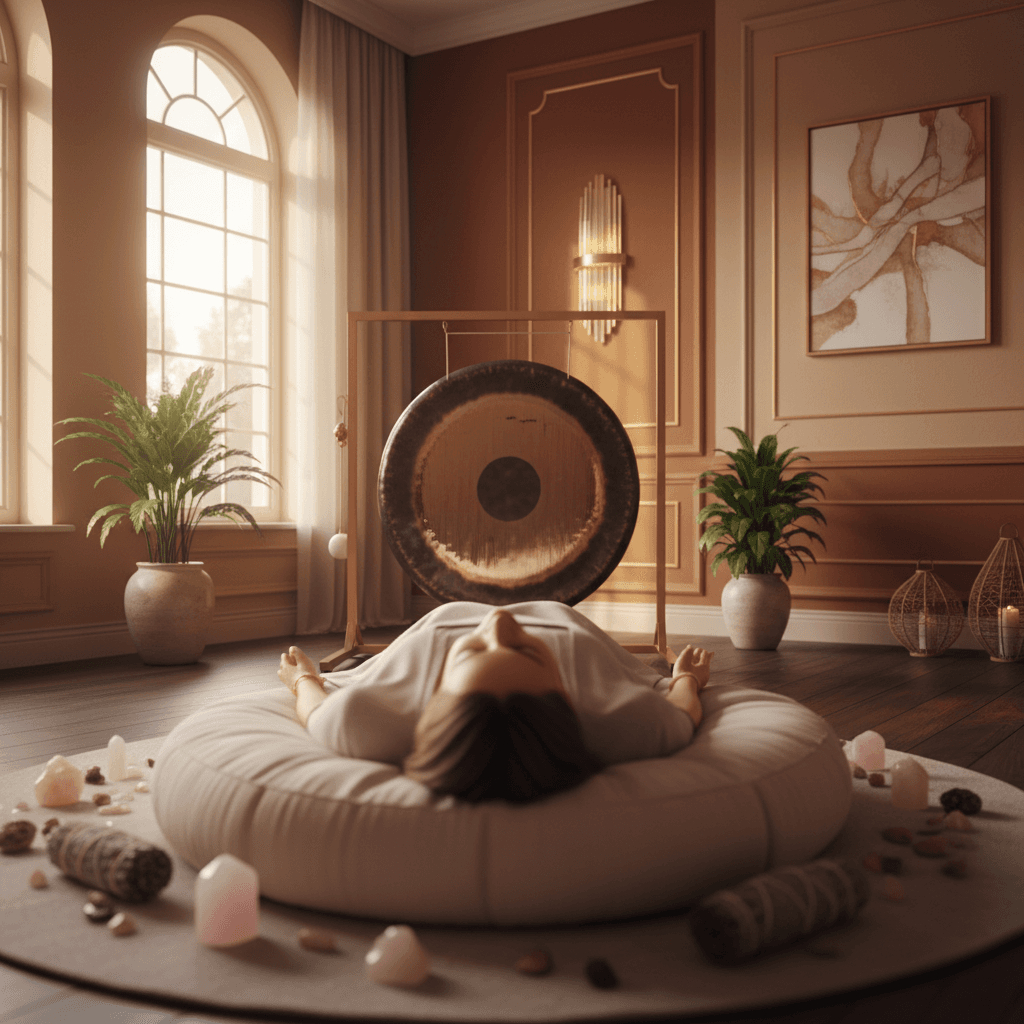
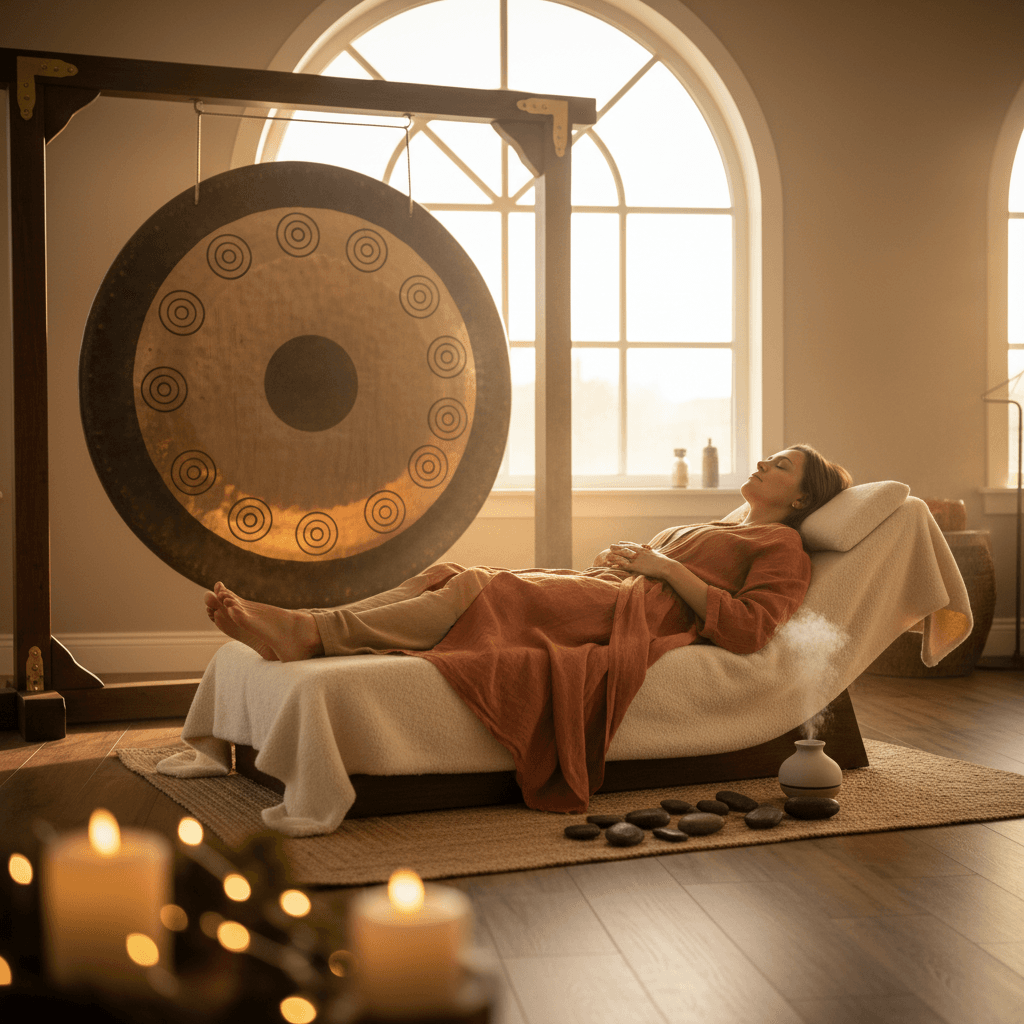
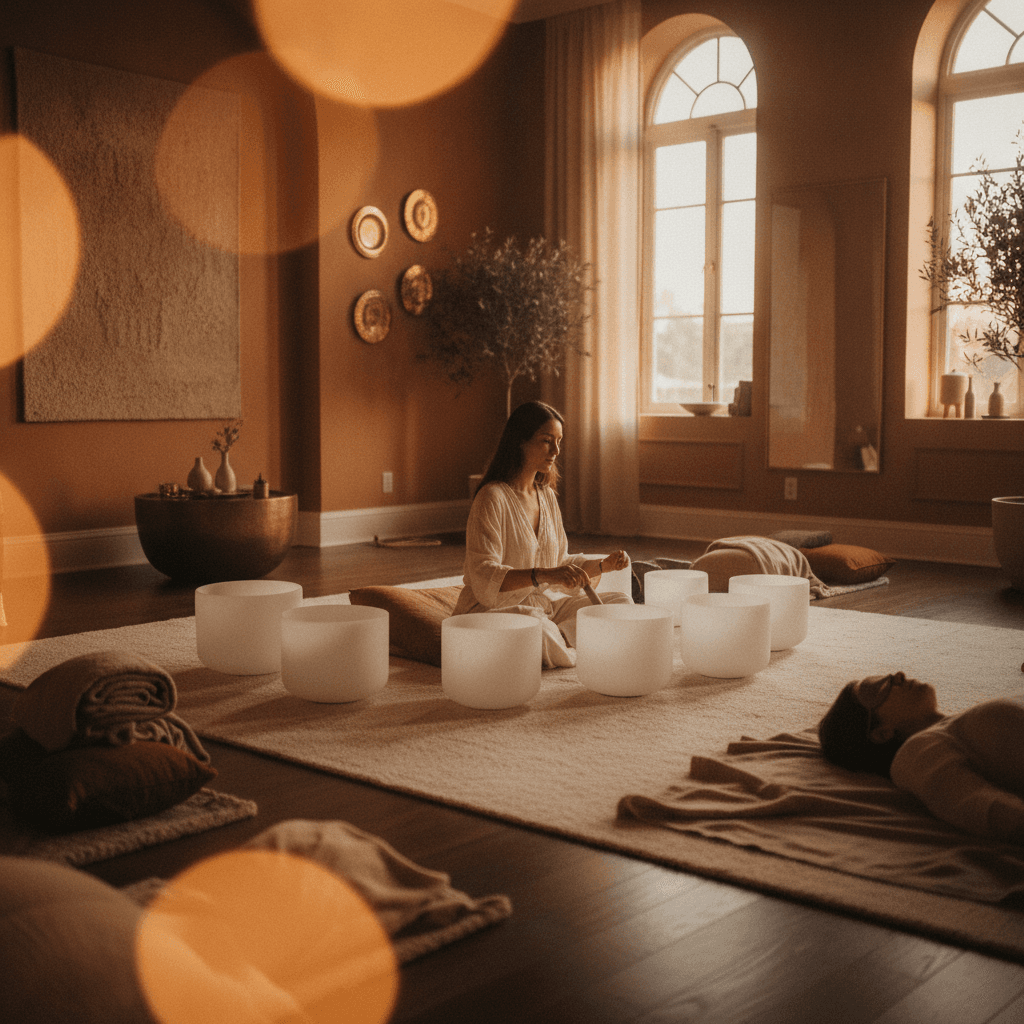
Instrument choice is paramount. While many instruments are used in sound baths, those with sharp attack, high-frequency emphasis, or percussive qualities may be minimized or played with extreme sensitivity. Instead, instruments that produce sustained, resonant, and often lower-frequency tones are favored. Examples include specific crystal singing bowls, carefully selected gongs played with gentle techniques, and chimes that create a soft, ethereal wash of sound rather than distinct, piercing notes.
Volume control is undeniably crucial. Facilitators maintain a consistently lower volume throughout the session, always prioritizing the comfort of individuals with tinnitus. This prevents the sensation of 'competing' with internal sounds and allows for a more subtle, enveloping experience. The aim is to create an acoustic cushion, a gentle background presence that can help the nervous system relax without demanding intense auditory processing.
Frequency considerations are also integrated into the practice. While a sound bath cannot replicate clinical notched therapy, facilitators can intuitively focus on broader, lower, and more complex harmonic soundscapes that provide a sense of 'sound enrichment.' This involves presenting a wide spectrum of frequencies in a gentle, non-linear fashion. The subtle modulation of tones, rather than sharp, unchanging frequencies, can also contribute to a more calming effect, potentially aligning with the concept of using unpredictable yet soothing sounds.
Finally, client feedback and communication are integrated as a continuous loop. Before and during the session, individuals are encouraged to communicate their comfort levels and any sensations they experience. This personalized approach ensures the sound bath remains a safe and deeply restorative experience, tailored to their unique needs.
The Soul Art Approach: Larissa Steinbach's Vision for Inclusive Wellness
At Soul Art, Larissa Steinbach, our founder, is dedicated to making sound wellness accessible to everyone, including those navigating the challenges of tinnitus. Her approach is rooted in deep empathy, extensive knowledge of sound frequencies, and a commitment to individualized care. The Soul Art method for tinnitus-friendly sound baths is distinct in its careful calibration and thoughtful design.
Larissa emphasizes pre-session consultations, where clients can openly discuss their specific tinnitus experience, including perceived pitch, intensity, and any sound sensitivities. This crucial step allows her and the Soul Art team to tailor the sound environment as much as possible, selecting instruments and playing techniques accordingly. It’s about understanding each individual's unique auditory landscape.
During the sessions, there is a deliberate focus on attenuated sound and controlled dynamics. Instruments are played with a delicate touch, emphasizing resonance and sustain over sheer volume. Larissa often incorporates instruments like specific alchemy crystal bowls, chosen for their pure tones and capacity to create a deeply relaxing field, or planetary gongs played with light, sweeping motions to avoid sharp attacks. The aim is to create a harmonious blend of frequencies that support nervous system regulation and encourage a state of deep rest, rather than overwhelming the auditory system.
The studio environment itself at Soul Art in Dubai is designed to enhance this sense of calm. The tranquil setting complements the modified soundscape, offering a holistic retreat from external stressors. Larissa’s methodology also integrates elements of grounding frequencies and subtle, modulating tones. This approach, informed by research on customized sound stimulation, seeks to provide gentle auditory input that can help redirect attention and promote relaxation without directly matching or amplifying tinnitus frequencies.
Larissa Steinbach's vision ensures that a Soul Art sound bath is not merely a passive listening experience, but an active journey towards internal quietude and enhanced well-being. It is a testament to the power of sound when delivered with intention, care, and a profound understanding of individual needs.
Your Next Steps Towards Auditory Well-being
Navigating life with tinnitus can be challenging, but integrating complementary wellness practices can be a significant step towards improved well-being. If you are experiencing tinnitus, exploring tinnitus-friendly sound baths may offer a supportive pathway to relaxation and stress management. Here are some actionable steps you can consider:
- Consult a Healthcare Professional: Always discuss any new wellness practices with your doctor or audiologist, especially if you have an underlying medical condition or are considering changes to your current management plan. Sound wellness is a complementary approach, not a replacement for medical care.
- Start Gently and Mindfully: If you decide to explore sound baths, begin with sessions specifically designed to be tinnitus-friendly. Pay close attention to how your body and auditory system respond, and communicate openly with your facilitator about your comfort levels.
- Prioritize Personalization: Look for studios and facilitators, like Soul Art with Larissa Steinbach, who offer pre-session consultations and are willing to adapt their sessions to individual needs. Customized sound exposure may offer a more supportive experience.
- Focus on Relaxation and Stress Reduction: Remember that the primary goal of sound baths for tinnitus is often to promote deep relaxation, reduce stress, and regulate the nervous system. These benefits can indirectly help in managing the perceived impact and distress associated with tinnitus.
- Explore Soul Art: Consider booking a personalized tinnitus-friendly sound bath session at Soul Art in Dubai. Our expert facilitators are trained to create a serene and supportive environment tailored to your unique auditory requirements, guiding you towards a profound sense of peace.
In Summary
Tinnitus, a complex auditory sensation, significantly impacts the lives of many, making moments of peace elusive. While there is no single "cure," complementary wellness practices, particularly carefully modified sound baths, offer a promising avenue for support and enhanced well-being. Scientific research highlights the potential of personalized and modulated sound environments to influence auditory processing and promote relaxation.
At Soul Art, Larissa Steinbach and her team are dedicated to crafting inclusive sound experiences. By meticulously adjusting instrument choice, volume, and frequency content, and through comprehensive pre-session consultations, we create a sanctuary where individuals with tinnitus can safely explore deep relaxation and nervous system regulation. Embrace the possibility of finding serenity amidst sound, and discover how a thoughtfully adapted sound bath can become a cherished part of your self-care journey.
Bookings Coming Soon
Soul Art is still in preparation. Session details and booking will be published here after launch.
Coming Soon
Wellness Disclaimer: This article is for educational and informational purposes only. It does not constitute medical advice, diagnosis, or treatment. Soul Art Dubai provides non-medical wellness experiences focused on relaxation, stress management, and general wellbeing. Sound wellness is a complementary practice and should not replace professional medical care.
Related Articles
Empowered Choices: The Art of Clarity Without Overexplaining
Unveiling the Power: Photosensitivity & Visuals in Sound Sessions
The Subtle Art of Slow Transitions: Guiding Your Brain to Calm