Tinnitus & The Brain: Neural Mechanisms & Sound Wellness
Key Insights
Explore tinnitus's neural pathways, brain changes, and how sound wellness, including methods by Larissa Steinbach at Soul Art Dubai, supports relief and calm.
Imagine a sound that only you can hear—a constant ringing, buzzing, or hissing that originates not from your surroundings, but from deep within your own head. This is the perplexing reality of tinnitus, a condition affecting millions worldwide. It's more than just an annoyance; it’s a profound neurological experience that can disrupt sleep, concentration, and overall quality of life.
But what if this phantom sound, once thought to be an irreversible auditory glitch, could be understood, re-patterned, or even softened through the intricate mechanisms of the brain? This article delves into the fascinating neuroscience behind tinnitus, exploring the neural mechanisms that give rise to these internal sounds. We will uncover how the brain adapts and reorganizes itself in response, and critically, how targeted sound wellness practices, championed by pioneers like Larissa Steinbach at Soul Art Dubai, offer a promising path to fostering a more peaceful auditory landscape. Join us as we explore the intersection of cutting-edge research and the transformative power of sound.
The Intricate Symphony of the Brain: Unraveling Tinnitus
Tinnitus is a perception of sound in the absence of an external acoustic stimulus. Far from being solely an ear problem, growing scientific evidence points to its complex origins within the brain itself, involving maladaptive changes in neural activity and connectivity. Understanding these brain-based mechanisms is paramount to developing effective wellness strategies.
The Auditory Phantom: What is Tinnitus?
At its core, tinnitus can be thought of as a "phantom perception," akin to phantom limb pain, where the brain generates a sensation despite the absence of external input. This phenomenon often begins with some form of hearing loss, which can lead to a decrease in auditory input to the brain. In response, the brain's central auditory system may increase its internal "gain," essentially turning up the volume to compensate for the reduced external signals. This heightened excitability, often referred to as auditory gain or central gain, can make auditory nerves respond more strongly than usual, potentially creating the internal sound of tinnitus.
Researchers frequently use techniques like functional magnetic resonance imaging (fMRI) to observe neural correlates. While fMRI BOLD (blood oxygen level dependent) technique provides valuable insights, it primarily registers changes in blood flow, not necessarily sustained increases in spontaneous neural activity. This has led to studies using sound stimuli or focusing on the brain at rest, which many consider a more reliable paradigm for identifying typical neural activity in tinnitus.
Neural Plasticity: The Brain's Role in Tinnitus Development
The brain is remarkably adaptable, a property known as neural plasticity. While beneficial for learning and memory, this plasticity can also contribute to the persistence of tinnitus. When normal auditory input is disrupted, the brain's auditory pathways can reorganize themselves, creating new, often maladaptive, connections. This reorganization may involve alterations in spontaneous activity within various brain regions, leading to the sustained perception of tinnitus.
One crucial area implicated is the inferior colliculus, part of the brainstem's auditory pathway. Studies have shown increased activation in this region after sound stimulation in some tinnitus patients. Furthermore, research indicates that the conscious experience of tinnitus likely involves the engagement of multiple brain structures within a "global workspace," highlighting its complex, widespread neural underpinnings.
Beyond the Ear: Limbic and Auditory Network Alterations
Recent research has illuminated the extensive neural networks involved in tinnitus, extending far beyond the primary auditory cortex. Studies by Han et al. (2019b, 2020b) have revealed that the effects of sound therapy in tinnitus are characterized by altered limbic and auditory networks. The limbic system, a key player in emotion and memory, suggests why tinnitus often comes with significant emotional distress, such as anxiety and frustration.
These studies demonstrate that sound interventions can influence the functional connectivity within these networks. By introducing specific sound patterns, it is possible to encourage the brain to reorganize and establish new, more adaptive connections. This neurophysiological evidence suggests that sound can induce changes in the "tinnitus core neural network," which correlates with reported improvements in tinnitus perception and associated distress.
White Matter Reorganization: Structural Changes
The structural integrity of the brain also plays a significant role in tinnitus. White matter, composed of myelinated nerve fibers, facilitates communication between different brain regions. Research by Chen et al. (2020, 2021b) has shown that persistent idiopathic tinnitus patients, even those without hearing loss, exhibit reorganization of brain white matter. This indicates tangible, measurable structural changes occurring in the brain.
Critically, their findings suggest that outcomes at six months following sound therapy are related to brain structural and white matter microstructural reorganization. This provides powerful evidence that sound wellness practices are not merely symptomatic relief but may support genuine neurobiological shifts. The ability of sound to potentially foster the necessary cortico-thalamic neuronal cell density and connectivity strength speaks to its rehabilitative properties.
The Challenge of Research: Hearing Loss and Hyperacusis
One of the major difficulties in researching chronic tinnitus lies in isolating its effects from confounding factors. The vast majority of individuals experiencing tinnitus also have some degree of hearing loss. Additionally, hyperacusis, an increased sensitivity to everyday sounds, affects a significant percentage of tinnitus patients.
These co-occurring conditions can complicate research interpretations, as their neural correlates may overlap with or influence those of tinnitus. Carefully designed studies, often employing various paradigms like evoked potentials or resting-state fMRI, strive to differentiate these effects to gain a clearer picture of the unique neural signature of tinnitus. Despite these complexities, the consistent finding of neural plasticity and network alterations underscores the brain's central role.
How It Works in Practice: Sound for Neural Rebalancing
Translating complex neuroscientific insights into practical, beneficial experiences is where sound wellness truly shines. The understanding that tinnitus involves aberrant neural activity and maladaptive brain reorganization opens the door to approaches that harness the brain’s plasticity. Sound therapy, in its various forms, offers a non-invasive, gentle way to engage these neural mechanisms.
The core principle behind sound wellness for tinnitus involves providing the brain with carefully structured auditory input that encourages it to reorganize its processing. This is not about masking the tinnitus, although that can be a temporary benefit, but rather about guiding the brain towards a state where the internal sounds are less prominent or less bothersome. The goal is to reduce the "central gain" and promote more balanced neural activity.
Sound therapies utilize diverse acoustic profiles, each designed with specific neuroplastic principles in mind. Some studies have explored narrow-band sounds, while others use broader background sounds or even specially modulated music. For instance, approaches like notched music or off-frequency listening aim to distribute lateral inhibition into the tinnitus region of the auditory cortex. This can help to "quiet" the overactive neural populations associated with the phantom sound.
The experience of sound therapy can vary, from passive exposure to low-level, immersing background signals to more active listening where the therapeutic sounds are processed in attention. Both paradigms aim to engage the brain's plasticity. Passive exposure, such as listening to complex background sounds for several hours a day, has been shown to rescale abnormal loudness tolerance in patients with hyperacusis, a process thought to be linked to homeostatic plasticity. This is the brain's way of maintaining stable neural activity levels.
Furthermore, the concept of guided plasticity is being researched, even for potential applications during sleep. While research on nighttime interventions is still emerging, it proposes that specific auditory stimuli could mitigate tinnitus annoyance by encouraging brain consolidation of new, more benign auditory patterns. For daytime interventions, the immersive qualities of sound can serve as a potent tool for stress reduction and nervous system regulation, which are critical for managing the emotional burden of tinnitus.
When clients engage with sound wellness, they often experience deep relaxation, allowing the brain to enter a more receptive state. The carefully chosen frequencies and harmonic structures are believed to gently "retune" the neural networks, reducing the aberrant spontaneous activity. This consistent, structured auditory input helps to re-educate the auditory pathways, fostering a shift from a hyper-vigilant state to one of greater calm and integration. Many people report a sense of peace, a reduction in the perceived intensity of their tinnitus, or a decreased emotional reaction to it. It’s an immersive journey that encourages the brain to find a new, more harmonious equilibrium.
Soul Art's Harmonious Path: Sound Wellness with Larissa Steinbach
At Soul Art, Dubai's premier sound wellness studio, we embrace a holistic and scientifically informed approach to fostering well-being, especially for those navigating the challenges of tinnitus. Larissa Steinbach, our founder, brings a deep understanding of neuroplasticity and the intricate relationship between sound and the brain to every session. Her vision for Soul Art is rooted in providing a serene sanctuary where individuals can experience profound relaxation and support their brain's natural capacity for healing and rebalancing.
The Soul Art method integrates the latest insights from neuroscience with ancient wisdom traditions of sound healing. We understand that effective sound wellness goes beyond mere noise; it is about carefully curated auditory experiences designed to interact with the brain's limbic and auditory networks, as identified in research by Han et al. (2020b). Larissa Steinbach’s expertise lies in translating these complex principles into a tangible, deeply restorative experience.
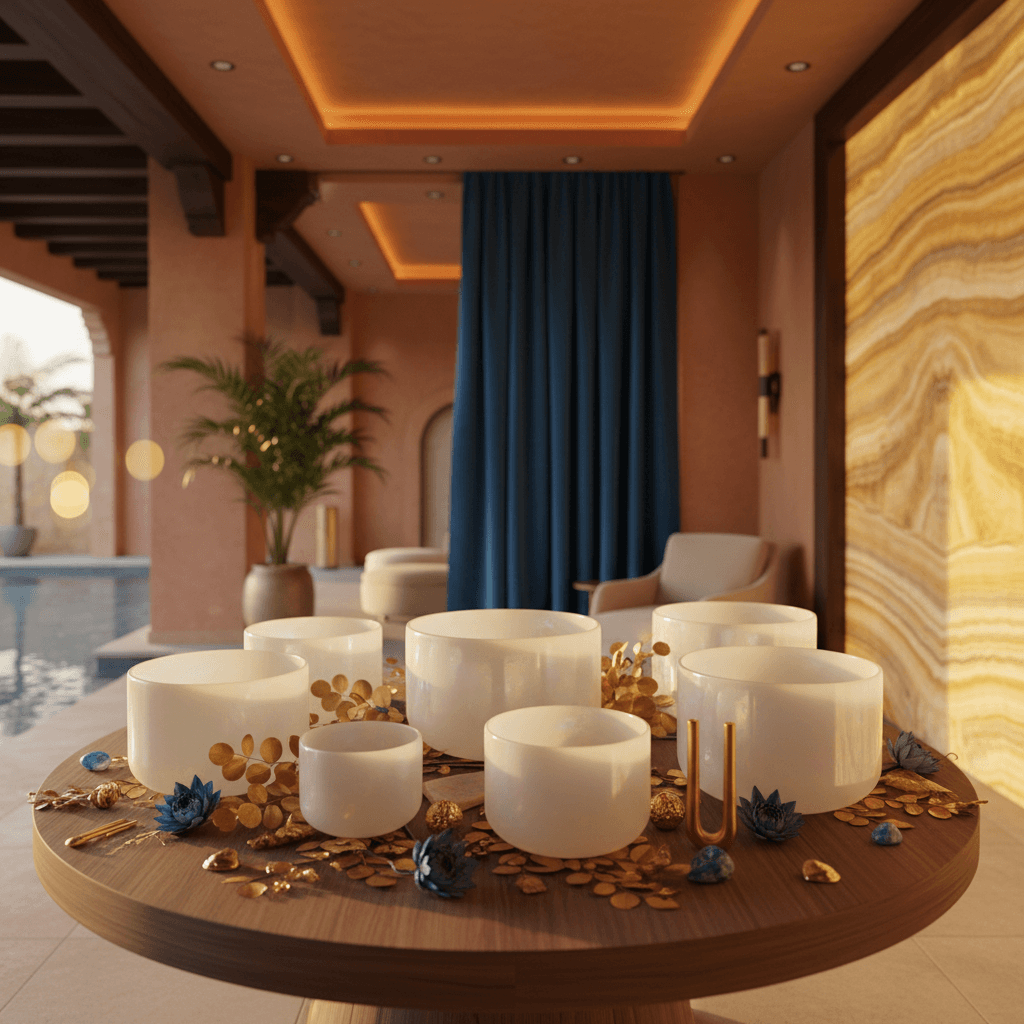
What makes the Soul Art method unique is its dedication to personalized, intention-driven soundscapes. Rather than a one-size-fits-all approach, sessions are tailored to the individual’s needs, drawing upon a rich palette of therapeutic instruments. This includes high-quality Himalayan singing bowls, crystal singing bowls, gongs, chimes, and other resonant instruments, each chosen for their specific vibrational properties and ability to induce states of deep relaxation and neural coherence. The subtle yet powerful vibrations are believed to resonate with the body's natural frequencies, encouraging the nervous system to shift from a state of stress to one of profound calm.
Larissa emphasizes the importance of creating an environment that supports deep engagement with the sound. The "quiet luxury" ethos of Soul Art ensures that every detail, from the acoustics of the studio to the comfort of the space, contributes to an immersive and therapeutic experience. This allows the brain to fully surrender to the auditory input, potentially facilitating the white matter reorganization and enhanced neuronal connectivity observed in studies by Chen et al. (2021b).
Soul Art’s sound wellness sessions are not presented as a medical treatment, but rather as a complementary approach focused on stress reduction, nervous system regulation, and overall well-being. By fostering a state of deep relaxation and promoting neuroplastic changes, these sessions may support individuals in developing a more peaceful relationship with their internal soundscape. Many clients report an enhanced sense of calm, improved sleep quality, and a reduced perception of tinnitus annoyance, allowing them to reclaim their inner quietude. It's about empowering the brain to find new ways of processing sound, leading to a more harmonious existence.
"The brain's incredible capacity for change is our greatest ally in navigating the labyrinth of tinnitus. Sound, when intentionally delivered, offers a gentle yet profound invitation for the brain to reorganize itself, fostering pathways of peace where once there was only discord."
Your Next Steps: Cultivating Auditory Well-being
Understanding the neural mechanisms of tinnitus offers not just scientific insight, but also hope and direction for those seeking relief. While sound wellness is a complementary practice, there are several actionable steps you can take today to support your auditory health and overall well-being. Remember, any new or worsening symptoms should always be discussed with a qualified healthcare professional.
Here are some practical steps to consider:
- Consult Medical Professionals: Always ensure that any underlying medical conditions are addressed by your doctor. This article focuses on wellness practices, which are intended to complement, not replace, medical advice.
- Mindful Listening & Sound Exploration: Begin to consciously integrate calming sounds into your daily routine. This could be nature sounds, gentle music, or ambient soundscapes. Pay attention to how different sounds affect your mood and perception.
- Stress Management Techniques: High stress levels can exacerbate tinnitus. Incorporate daily practices such as meditation, deep breathing exercises, gentle yoga, or spending time in nature to reduce overall physiological stress.
- Investigate Sound Wellness: Explore the potential benefits of sound wellness sessions. Consider how a structured, immersive sound experience could support your nervous system and encourage beneficial neural plasticity.
- Prioritize Sleep Hygiene: As tinnitus can significantly impact sleep, cultivating good sleep habits is crucial. Establish a consistent sleep schedule, create a dark and quiet sleep environment, and avoid stimulating activities before bedtime. Some preliminary studies suggest that certain auditory stimuli may even support sleep quality.
Taking proactive steps towards understanding and supporting your brain's auditory health can be transformative. Empower yourself with knowledge and embrace practices that nurture your inner harmony.
In Summary
Tinnitus is a complex neurological phenomenon, intricately woven into the brain's auditory and limbic networks, driven by neural plasticity and accompanied by measurable structural changes. It is a testament to the brain's profound capacity for adaptation, sometimes leading to challenging phantom perceptions. However, this same plasticity offers a powerful pathway for relief. Scientifically grounded sound wellness practices, by providing carefully structured auditory input, can encourage the brain to reorganize, reduce central gain, and foster new, more balanced neural connections.
Larissa Steinbach and Soul Art Dubai leverage this deep understanding to offer bespoke sound wellness experiences. These sessions are designed to gently guide the brain towards a state of greater calm and integration, supporting a more peaceful internal soundscape. By embracing the therapeutic power of sound, individuals may find a profound sense of relaxation and a renewed relationship with their auditory experience. We invite you to explore this harmonious journey at Soul Art.
Bookings Coming Soon
Soul Art is still in preparation. Session details and booking will be published here after launch.
Coming Soon
Wellness Disclaimer: This article is for educational and informational purposes only. It does not constitute medical advice, diagnosis, or treatment. Soul Art Dubai provides non-medical wellness experiences focused on relaxation, stress management, and general wellbeing. Sound wellness is a complementary practice and should not replace professional medical care.
Related Articles
Cluster Headaches: Unveiling Pain and the Promise of Frequencies in Wellness

Epilepsy & Sound: Safety, Serenity, and Emerging Wellness Paths
Mastering Focus: Analytical Listening & Brain Engagement at Soul Art