Navigating Tinnitus: Sound Bath Safety for Auditory Wellness at Soul Art
Key Insights
Explore how Soul Art, led by Larissa Steinbach, ensures safe and transformative sound bath experiences for individuals with tinnitus and auditory sensitivities.
A Symphony of Silence or a Chorus of Calm? Understanding Tinnitus and Sound Baths
Imagine finding deep relaxation in a world of therapeutic sound, only to be met by an internal ringing or buzzing that distracts from the serenity. This is the reality for millions living with tinnitus, a condition characterized by perceiving sound in the absence of an external source. While sound baths offer profound stress reduction and relaxation for many, individuals with tinnitus often wonder about their safety and efficacy in such environments.
At Soul Art, Dubai's premier sound wellness studio founded by Larissa Steinbach, we believe in creating an inclusive and deeply restorative experience for everyone. This article delves into the science behind tinnitus and sound perception, offering insights into how sound baths can be a complementary approach to wellness, even for those with auditory sensitivities. We’ll explore the importance of informed participation and how our carefully curated sessions prioritize your comfort and peace of mind.
Understanding the nuances of sound, the human ear, and personal sensitivities is paramount. This knowledge empowers you to navigate sound wellness practices confidently, transforming potential concerns into opportunities for profound calm and restoration.
The Science Explained: Tinnitus, Auditory Sensitivity, and Sound Perception
Sound baths leverage the therapeutic power of vibrations to guide participants into a state of deep relaxation. However, the delicate nature of the human ear and the complex experience of tinnitus require a thoughtful, science-backed approach to ensure safety and comfort.
What is Tinnitus? Beyond the Ringing
Tinnitus is not a disease itself but rather a symptom, often described as a ringing, buzzing, hissing, clicking, or roaring sound in one or both ears. These perceptions are internal, meaning no external sound source is present. Research indicates that various factors can contribute to tinnitus, including exposure to loud noise, ear infections, certain medications, and even underlying medical conditions.
Emerging research from Harvard Medical School suggests that some individuals with normal hearing tests may still experience "hidden" hearing loss, involving damage to the auditory nerve fibers. This damage can lead the brain to increase its activity, potentially resulting in the perception of phantom sounds like tinnitus. This deeper understanding underscores the complex neurological basis of the condition.
The Auditory System and Decibel Awareness
Our ears are marvels of engineering, designed to process a vast spectrum of sounds. The human ear can generally tolerate sounds between 60-85 decibels (dB) for extended periods without harm. For context, a normal conversation is around 60 dB, and heavy city traffic is about 85 dB.
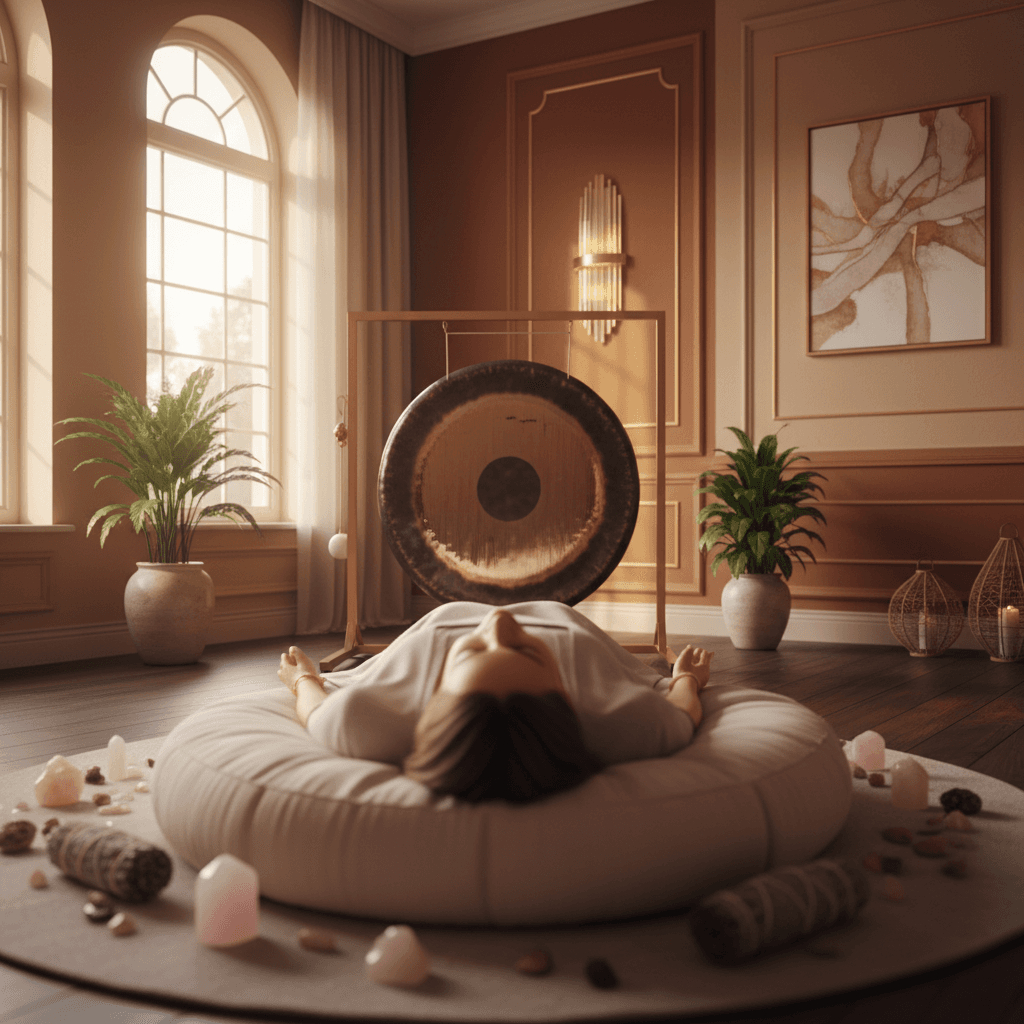
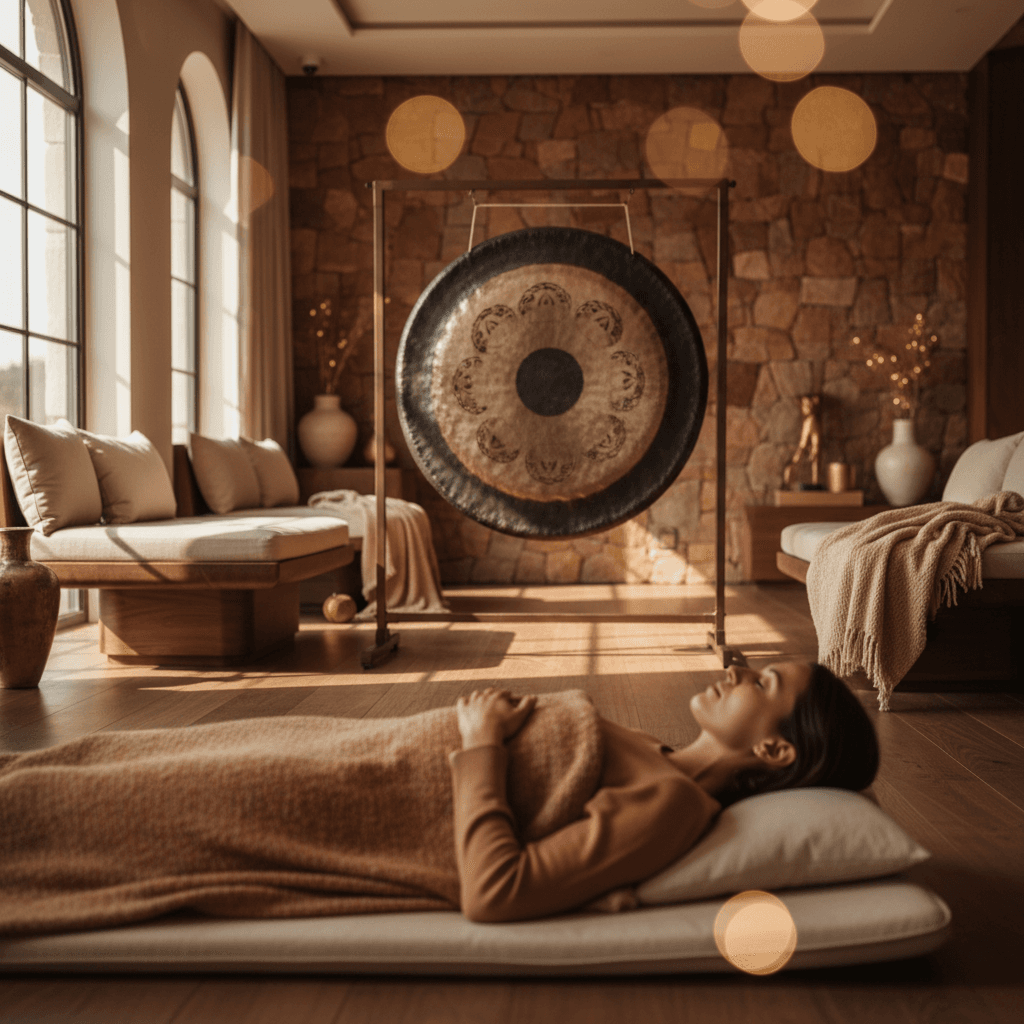
However, some sound bath sessions, particularly those featuring large gongs or multiple instruments played with intensity, can exceed these comfortable levels. Excessive volume has been linked to temporary tinnitus, ear pain, or heightened auditory sensitivity lasting hours or even days after a session. Individuals with hyperacusis, a condition where everyday sounds feel uncomfortably loud or even painful, are particularly vulnerable to these effects.
Sound Therapy: A Complementary Approach for Tinnitus Management
While sound baths are primarily wellness practices, sound itself plays a role in managing tinnitus. Sound therapy for tinnitus aims to make the ringing less noticeable or bothersome. It often involves using external sounds to mask the tinnitus, habituate the brain to the internal sound, or provide background noise that reduces the perceived loudness.
Key outcomes that matter most in tinnitus management include reducing tinnitus distress, annoyance, and general awareness of the condition. While direct research on sound baths specifically for tinnitus is still evolving, studies on broader sound therapy approaches show potential. For instance, customized sound therapy has demonstrated clinical benefit in terms of tinnitus distress and severity, though the overall quality of evidence can be low due to study limitations. The aim is often to support a reduction in the negative impact on quality of life, rather than to "cure" the condition.
"The intricate dance between external sound and internal perception holds the key to understanding how sound baths can either soothe or challenge an ear experiencing tinnitus."
The growing body of research, while often small-scale, suggests that carefully chosen sound interventions may support improved mood and a sense of calm. Studies on singing bowl meditation, for example, have reported significant reductions in tension, anger, fatigue, and depressed mood, alongside increased feelings of spiritual well-being. This indicates a broader benefit that might indirectly support individuals managing tinnitus by reducing associated stress and anxiety.
How It Works in Practice: Tailoring Sound for Sensitivity
Integrating sound baths into a wellness routine for individuals with tinnitus requires intentional design and a deep understanding of sound's effects. It's about crafting an experience where sound becomes a gentle guide, not an overwhelming force.
In practice, a well-conducted sound bath for someone with auditory sensitivity focuses on moderation and thoughtful progression. Instead of a "one-size-fits-all" approach, the practitioner becomes a conductor of a nuanced sonic landscape. The aim is to create an environment where the therapeutic benefits of sound can be accessed without exacerbating existing sensitivities.
This often involves starting with lower volumes and gradually introducing instruments. A skilled practitioner might begin with gentle chimes or smaller singing bowls, allowing participants to acclimate to the vibrations and find their comfort zone. The focus shifts from the sheer volume or intensity of sound to the intricate textures and resonant frequencies that promote deep relaxation and a meditative state. Clients are encouraged to communicate any discomfort immediately, fostering an environment of trust and responsiveness.
The experience is less about being enveloped by booming gongs and more about feeling subtle vibrations permeate the body, encouraging the nervous system to settle. For those with tinnitus, this might mean an emphasis on sustained, harmonious tones rather than sudden, percussive sounds. The body "hears" these vibrations not just through the ears but also through the skin and bones, offering a holistic sensory experience that can be deeply calming. This full-body immersion in carefully controlled sound can help to gently shift focus away from internal sounds, promoting a sense of spaciousness and tranquility.
The Soul Art Approach: Larissa Steinbach's Commitment to Auditory Wellness
At Soul Art, founded by the visionary Larissa Steinbach, we understand that true wellness is deeply personal. Our philosophy centers on creating soundscapes that are not only deeply relaxing but also thoughtfully tailored to individual needs, especially for those navigating the complexities of tinnitus and auditory sensitivities.
Larissa Steinbach's method at Soul Art is rooted in a "quiet luxury" approach to wellness – sophisticated, deeply effective, and always considerate of the individual. This means our practitioners are trained not just in the art of sound healing, but also in the science of sound perception and sensitivity. We prioritize pre-session consultations to understand each client's unique auditory profile, including any history of tinnitus or hyperacusis. This personalized dialogue allows us to customize the sound experience, ensuring it is nurturing rather than overwhelming.
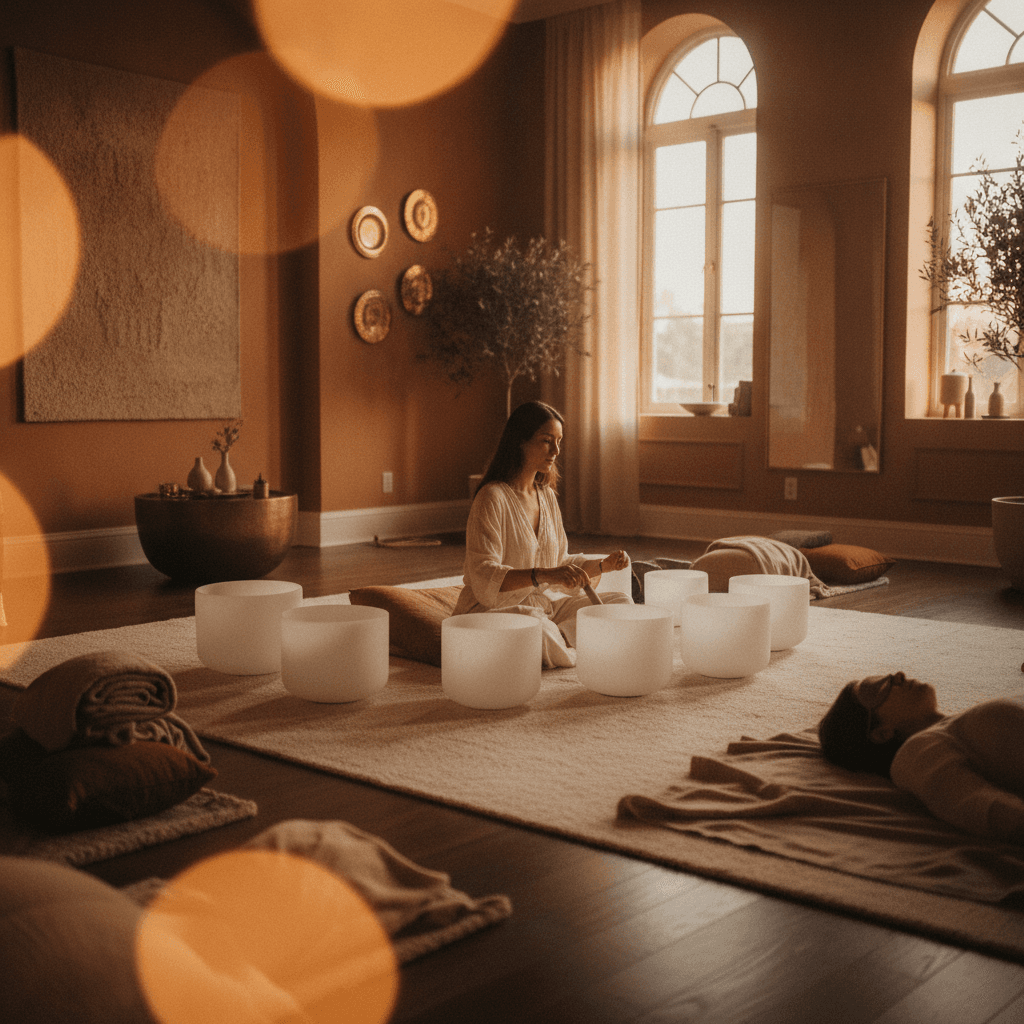
What makes the Soul Art method unique is our meticulous attention to detail regarding volume control and instrument selection. We utilize a diverse array of high-quality instruments, from gentle crystal singing bowls and tuning forks to carefully modulated gongs, always played with an awareness of the optimal therapeutic decibel range. We recognize that for individuals with tinnitus, certain frequencies or sudden loud sounds can be jarring. Therefore, sessions are designed with smooth transitions and sustained, harmonious tones to minimize potential triggers.
Larissa Steinbach emphasizes creating a safe container where clients feel empowered to listen to their bodies. Ear protection, such as earplugs, is always available for those who prefer an additional layer of comfort or wish to modulate the sound intensity further. Our commitment is to offer a sanctuary where the profound benefits of sound wellness—stress reduction, enhanced mood, and deep relaxation—are accessible to all, with an unwavering focus on safety and individual comfort.
Your Next Steps: Embracing Sound Wellness with Confidence
Navigating wellness practices with tinnitus requires a proactive and informed approach. A sound bath can be a beautiful addition to your self-care routine, offering unique opportunities for relaxation and stress management, but thoughtful participation is key. Here are some actionable steps to ensure a positive and comfortable experience:
- Communicate Openly with Your Practitioner: Before your session, always inform your sound bath practitioner about your tinnitus or any auditory sensitivities. A professional studio, like Soul Art, will appreciate this information and can adjust the session accordingly.
- Start with Gentle Experiences: If you're new to sound baths, consider starting with smaller, more intimate sessions or those explicitly designed for sensitivity. Sessions focusing on crystal singing bowls or chimes tend to be less intense than those with large gongs.
- Listen to Your Body: During the sound bath, pay close attention to your body's responses. If any sound feels uncomfortable or causes an increase in your tinnitus perception, gently signal the practitioner or use ear protection. Your comfort is paramount.
- Utilize Ear Protection: Don't hesitate to use earplugs. They can significantly reduce the intensity of the sound, allowing you to still benefit from the vibrations while protecting your ears from potential overstimulation.
- Choose a Reputable Studio: Opt for studios that demonstrate a clear understanding of sound acoustics, participant safety, and individual needs. A studio that offers pre-session consultations and a compassionate approach, such as Soul Art, is ideal.
Embracing these steps can transform a potential concern into a profoundly therapeutic experience, allowing you to fully immerse yourself in the calming frequencies and restorative power of sound.
Bookings Coming Soon
Soul Art is still in preparation. Session details and booking will be published here after launch.
Coming Soon
In Summary: Harmonizing Well-being and Auditory Care
The journey through sound wellness, particularly for those with tinnitus, is a delicate balance of exploration and mindful engagement. While sound baths offer significant benefits for relaxation, stress reduction, and overall well-being, understanding the science of auditory perception and individual sensitivities is crucial. Safe participation hinges on open communication, informed choices, and the guidance of experienced practitioners.
Soul Art, under the discerning leadership of Larissa Steinbach, stands as a beacon for inclusive sound wellness. We are dedicated to providing meticulously crafted sound experiences that honor your unique needs, ensuring every session is a step towards deeper peace and profound relaxation. Embrace the opportunity to experience the restorative power of sound in an environment built on care, expertise, and a deep respect for your auditory health.
Wellness Disclaimer: This article is for educational and informational purposes only. It does not constitute medical advice, diagnosis, or treatment. Soul Art Dubai provides non-medical wellness experiences focused on relaxation, stress management, and general wellbeing. Sound wellness is a complementary practice and should not replace professional medical care.
Related Articles
Empowered Choices: The Art of Clarity Without Overexplaining
Unveiling the Power: Photosensitivity & Visuals in Sound Sessions
The Subtle Art of Slow Transitions: Guiding Your Brain to Calm