Beyond Noise & Glare: Mastering Sensory Load for Deep Well-being
Key Insights
Discover how intentional lighting, scent, and sound design at Soul Art Dubai reduces sensory load, fostering profound relaxation and focus.
The Hidden Drain: Reclaiming Calm from Sensory Overload
Do you ever feel a subtle hum of exhaustion, even after a quiet day? This pervasive fatigue may stem from an often-overlooked culprit: sensory overload. In our hyper-connected, visually dominant world, our brains are constantly processing an immense volume of light, sound, and scent, often without us consciously realizing the toll it takes.
What if the key to profound peace and heightened focus lies not in adding more stimuli, but in intelligently reducing and refining what our senses encounter? This article delves into the profound, scientifically-backed impact of intentionally curated lighting, scent, and sound environments. We will explore how mastering these elements can significantly reduce your sensory load, guiding you towards deeper well-being and enhanced clarity, a core philosophy at Soul Art Dubai, founded by Larissa Steinbach.
The Science Explained: Unpacking Our Sensory World
Our experience of reality is a symphony of sensory inputs, constantly shaping our internal state. Far from being isolated channels, our senses are deeply interconnected, influencing each other in ways that profound impact our mood, focus, and even our physical perceptions. Understanding this intricate relationship is the first step toward consciously designing environments that support our well-being.
The Multisensory Human Experience: Beyond Individual Channels
The human brain is a master of integration, constantly weaving together disparate sensory threads into a coherent tapestry of experience. This phenomenon is vividly illustrated by synesthesia, a genuine neurological occurrence where the stimulation of one sensory pathway involuntarily activates another. For example, a person might "see" sounds or "taste" words. While most do not experience synesthesia in its classic form, its existence highlights a fundamental truth: our senses are never truly separate.
Research consistently demonstrates that our body perceptions, including how we feel about our own physical self, are continuously updated in response to sensory inputs received from both our external and internal environments. This continuous updating means that what we hear, see, and smell can subtly yet powerfully alter our psychological and emotional landscapes. These multisensory interactions are not merely imaginative; they are a fundamental part of our physiological reality, influencing everything from our emotional recovery to our ability to concentrate.
The Pervasive Impact of Sensory Load
In modern life, our senses are often bombarded. From the relentless glow of screens and harsh artificial lights to the cacophony of urban noise and a cocktail of synthetic scents, our nervous systems are in a perpetual state of heightened awareness. This constant onslaught contributes to what is known as sensory load, leading to cognitive fatigue, increased stress, and a diminished capacity for emotional regulation.
The South African Medical Research Council's insights, which translate scientific research for broader understanding, highlight that reducing this sensory load is a key strategy for well-being. This is particularly salient for individuals with heightened sensory sensitivity, such as many in the neurodiverse community, who may experience everyday environments as overwhelming. For these individuals, common signs of sensory hypersensitivity include significant discomfort from loud, unpredictable sounds or harsh lighting, which can trigger discomfort or even lead to full-blown sensory overload. Creating environments designed to reduce these sensory challenges is paramount for supporting well-being and function, as suggested by research into inclusive leadership and workplace well-being.
Light's Restorative Power: Beyond Illumination
Light is far more than just illumination; it is a powerful environmental factor that profoundly influences our psychology and physiology. Studies show that soft, warm lighting promotes calmness, while harsh, bright lighting can trigger discomfort and anxiety. The quality and intensity of light directly impact our circadian rhythms, affecting sleep, mood, and energy levels.
Crucially, adjustable lighting settings that can be tailored to individual needs are vital for reducing sensory challenges. Indirect lighting, for instance, significantly reduces flickering, intensity, and brightness, making environments more supportive for individuals with light sensitivity. Furthermore, combining specific types of light with natural sounds has demonstrated remarkable restorative effects. Preliminary studies indicate that an environment with cool light and natural sounds is more helpful in improving people's overall well-being, restoring emotional balance, and enhancing attention and work efficiency. This synergy between visual and auditory inputs underscores the importance of a holistic approach to sensory design.
The Olfactory-Auditory Connection: Unseen Influences
Scent holds an extraordinary power to evoke memories, influence mood, and directly impact our emotional state, largely due to its direct pathway to the limbic system in the brain. When combined with sound, its effects can become even more pronounced. Recent cross-disciplinary research has begun to unravel the fascinating multisensory effects of combining olfactory and auditory stimuli.
One compelling study explored how scent and sound interact to influence body image perception (BIP). Researchers found that the scent of lemon, when combined with high-pitch sounds, could enhance the perception of feeling lighter, while vanilla scent coupled with lower-pitch sounds made participants feel heavier. Participants even reported feeling as if they were walking with a straighter posture under certain scent-sound conditions. This highlights how our body perceptions are continuously updated by multisensorial signals, offering novel opportunities to design environments that positively influence how we feel in our own skin. This intricate interaction between smell and sound also extends to urban environments, where their combined perception shapes our overall experience of a space.
Sound as a Nervous System Regulator: The Frequency of Calm
Sound is perhaps the most immediate and pervasive sensory input shaping our internal world. Our auditory system is constantly on alert, processing frequencies and tones that can either calm or agitate the nervous system. While clinical white noise may seem to offer a uniform auditory backdrop, research suggests that natural soundscapes are significantly more effective at regulating the body and promoting a sense of peace.
The subtle rhythms and organic complexities of sounds like gentle rain, ocean waves, or forest ambiance can soothe the mind, reduce stress hormones, and encourage a state of deep relaxation. Conversely, loud, unpredictable, or discordant sounds can easily trigger the body's fight-or-flight response, leading to increased anxiety and heightened sensory load. Understanding the precise frequencies and qualities of sound that induce different states is fundamental to creating truly restorative environments, allowing us to actively mitigate the negative impacts of pervasive auditory stimulation and cultivate inner tranquility.
How It Works in Practice: A Journey of Sensory Restoration
Imagine stepping into a space where every detail has been meticulously considered to soothe your nervous system, rather than overwhelm it. This is the practical application of reducing sensory load: an environment intentionally designed to guide your senses toward a state of profound calm and focused presence. It's about consciously subtracting the distracting, and amplifying the harmonizing.
Upon entering such an environment, the first noticeable change is often the lighting. Gone are harsh overhead fluorescents or glaring screens. Instead, you are enveloped by soft, diffused, and often warm lighting. This indirect illumination immediately signals to your brain that it can relax, reducing visual strain and promoting a sense of safety. The gentle glow may shift subtly, perhaps mimicking the natural progression of dusk or dawn, supporting your body's innate circadian rhythms and deepening your sense of peace.
Next, your olfactory sense is engaged by a bespoke, calming scent profile. This isn't just a pleasant aroma; it's a carefully selected therapeutic essential oil blend, chosen for its neurophysiological effects. Perhaps a whisper of lavender to quiet the mind, or a hint of cedarwood to ground the spirit. These scents are diffused subtly, never overpowering, designed to work in harmony with the visual cues, further signaling to your limbic system that this is a sanctuary.
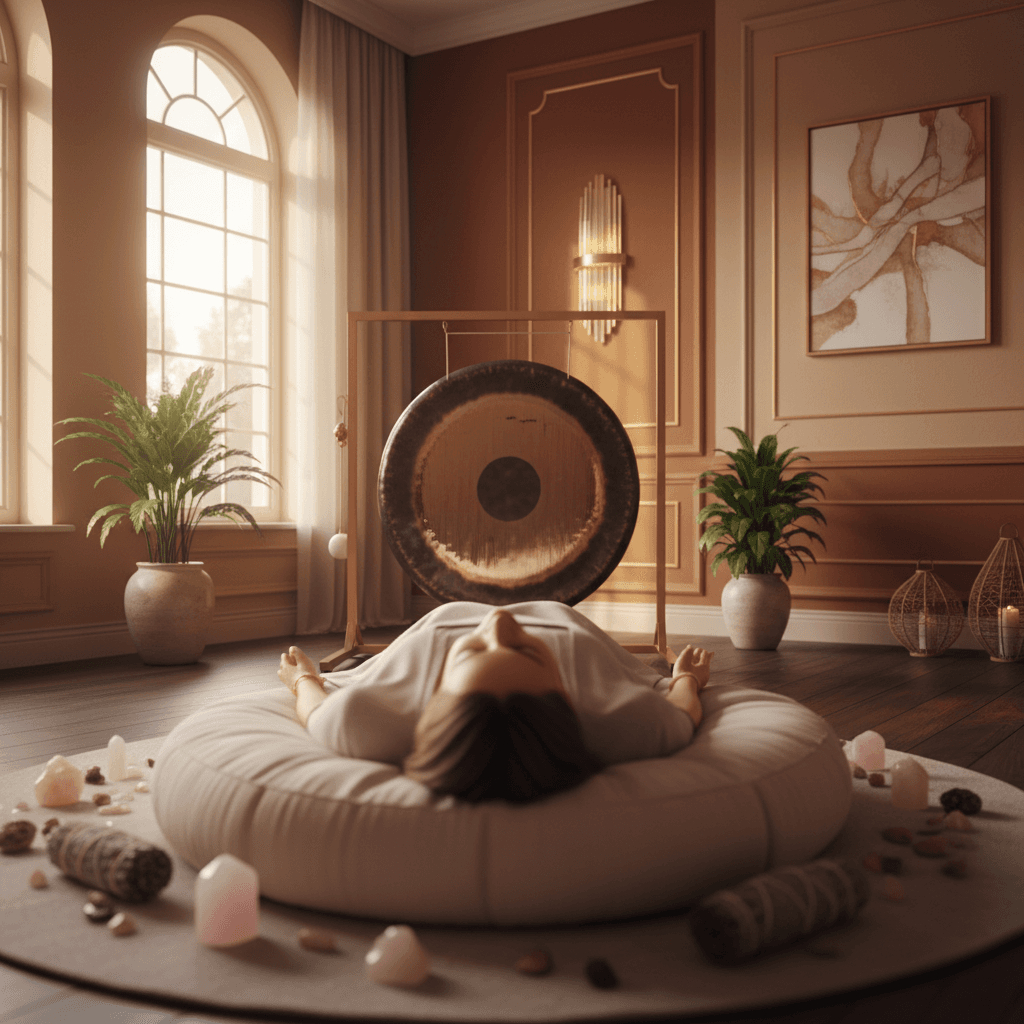
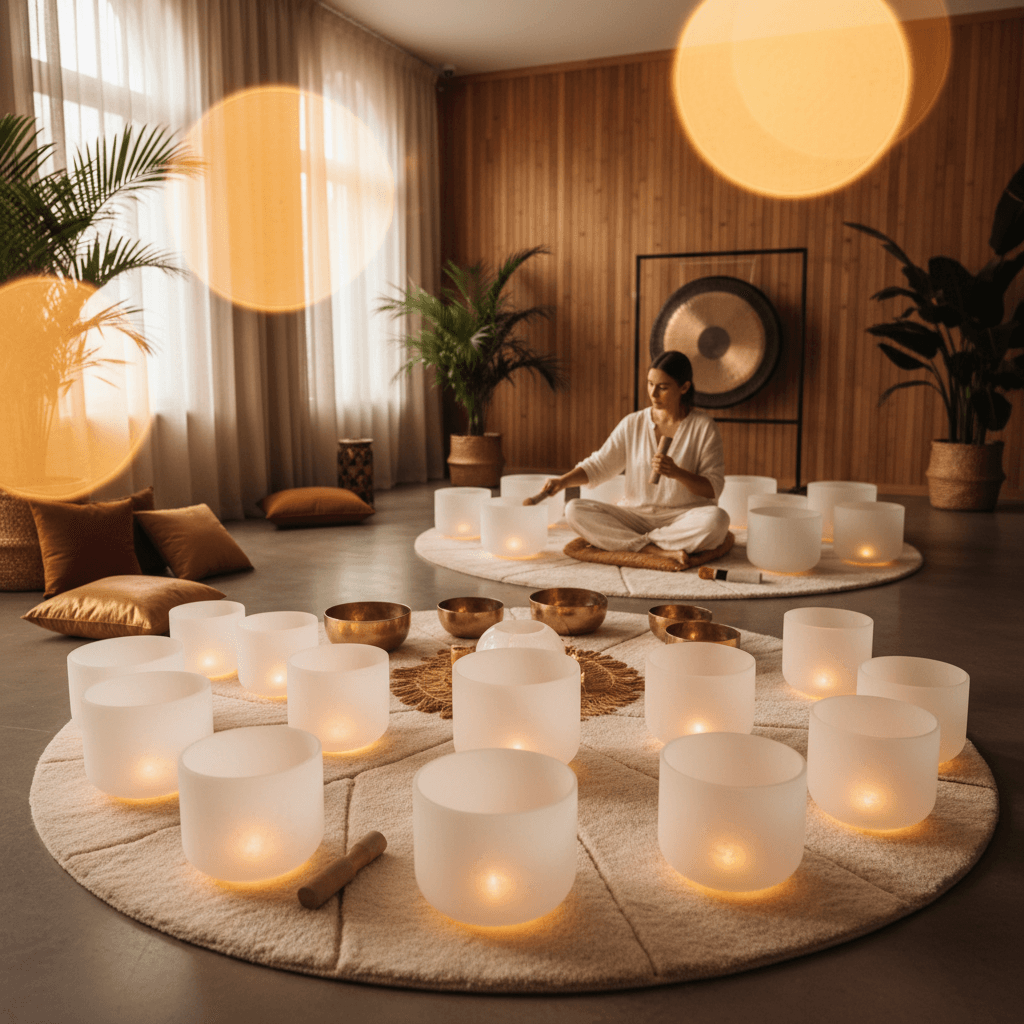
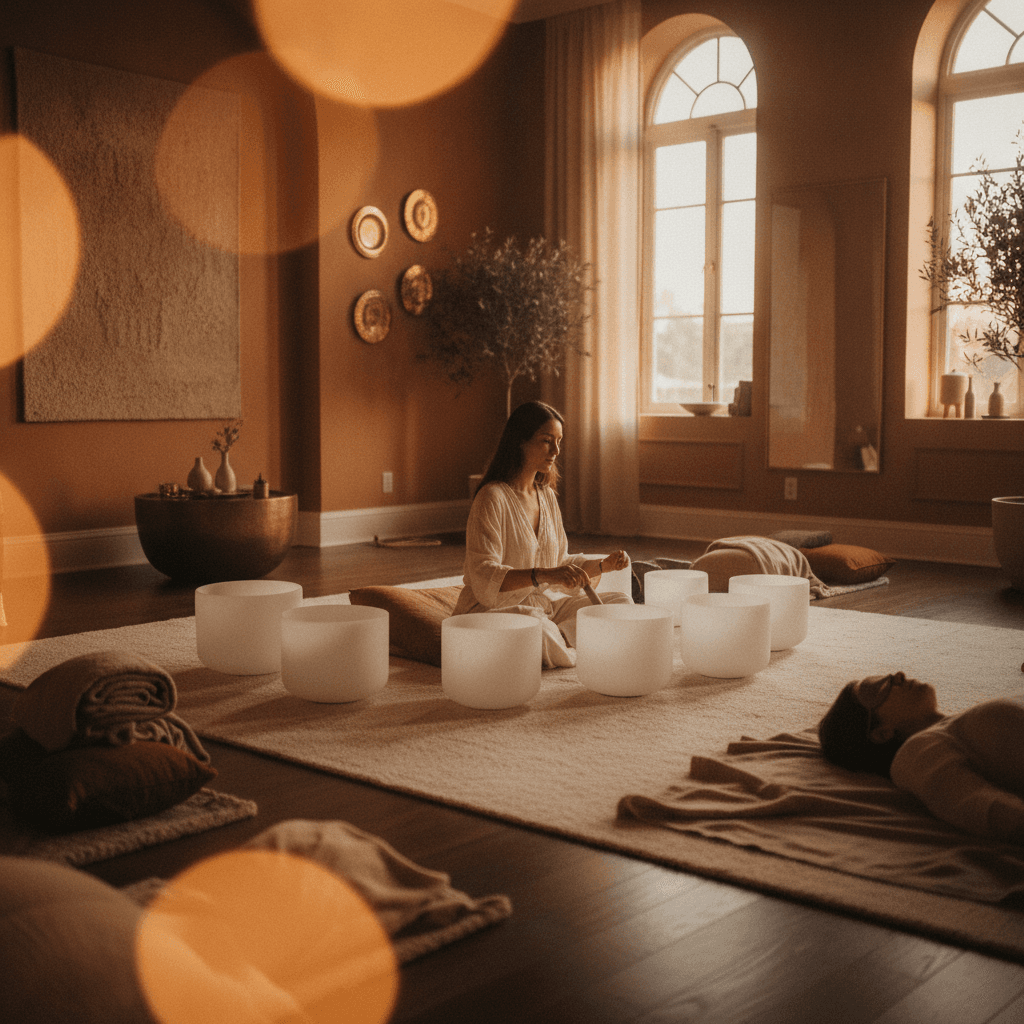
Finally, the meticulously curated soundscape washes over you, completing the sensory embrace. This is not just background music, but a precisely engineered sonic environment. It may feature the organic rhythms of natural sounds, such as the gentle patter of rain or the distant lull of ocean waves, subtly layered with therapeutic frequencies from instruments like crystal singing bowls or gongs. These sounds are delivered with exceptional clarity and depth, designed to resonate with your body's natural frequencies, encouraging brainwave states associated with deep relaxation and meditation. The acoustic design also ensures that external urban noise is significantly reduced, allowing you to fully immerse yourself in the present moment without distraction.
This integrated approach creates a synergistic experience. The gentle light enhances the calming effect of the scent, while the resonant sounds deepen your perception of both. Together, they create a powerful counterbalance to the sensory overload of daily life, actively reducing external stimuli and guiding your internal focus. Clients often report a profound sense of mental clarity, emotional release, and physical lightness, feeling not just relaxed, but truly restored and reconnected to their inner equilibrium.
The Soul Art Approach: Precision in Sensory Curation
At Soul Art, Dubai's premier sound wellness studio, Larissa Steinbach has meticulously engineered an approach that embodies the principles of reduced sensory load and multisensory harmony. Her vision goes beyond traditional wellness practices, focusing on the intentional design of every sensory input to create an environment of unparalleled restoration. This isn't simply about providing pleasant experiences; it's about a scientifically informed, holistic curation of your surroundings to optimize well-being.
What makes the Soul Art method truly unique is its precision in sensory curation. Larissa Steinbach understands that a truly restorative experience requires a delicate balance and expert integration of light, scent, and sound. She recognizes that for many, particularly those seeking profound states of relaxation or experiencing sensory sensitivities, the smallest details can make the biggest difference. The studio environment itself is a testament to this philosophy, acting as a living laboratory for sensory harmony.
At Soul Art, the lighting is never arbitrary. Custom-designed systems allow for a dynamic range of soft, diffused, and color-tuned illumination, carefully adjusted to complement the sound experience and support the body's natural rhythms. Instead of harsh overhead lights, you'll find indirect sources that create a soothing ambiance, reducing visual clutter and promoting a feeling of calm. This allows the eyes to relax, turning inward rather than outward, a crucial step in reducing overall sensory load.
Similarly, the studio's use of scent is both artful and scientific. Therapeutic essential oil blends are chosen not just for their aroma, but for their known physiological effects on the nervous system. These bespoke scents are subtly diffused, creating an olfactory backdrop that deepens relaxation without ever overwhelming the senses. Larissa Steinbach ensures that these aromatic profiles synergize perfectly with the sonic environment, amplifying the overall restorative impact. For example, a grounding scent might accompany deep, resonant gong frequencies, while an uplifting aroma could be paired with more ethereal tones.
The cornerstone of the Soul Art experience, however, remains the high-fidelity soundscapes. Larissa Steinbach utilizes a comprehensive array of instruments, from resonant crystal singing bowls and powerful gongs to finely tuned chimes and custom-designed sound healing tools. These are played with expert precision, creating immersive sonic journeys that guide the brain into deeper meditative states. The acoustic design of the studio itself is optimized to ensure pristine sound quality, minimizing external noise and allowing the rich tapestry of frequencies to wash over you unimpeded. This creates an unparalleled depth of auditory immersion, inviting deep relaxation and cellular recalibration.
Larissa Steinbach's approach at Soul Art is a testament to the power of thoughtful design. By consciously managing light, scent, and sound, she creates a sanctuary where the nervous system can truly rest and recalibrate. It's an invitation to experience how a carefully managed sensory environment can become a powerful tool for stress management, emotional balance, and profound self-care, guiding each client towards their desired state of well-being through an intelligently curated journey of sensory restoration.
Your Next Steps: Cultivating Calm in Your Daily Life
Understanding the principles of reducing sensory load is the first step; integrating them into your daily life is the next. You don't need a dedicated studio to begin making positive changes. Small, intentional adjustments to your environment can significantly impact your nervous system and overall well-being.
Here are 3-5 actionable steps you can implement today to start cultivating a more harmonious sensory environment:
- Dim Your Lights: Especially in the evenings, opt for warmer, lower-intensity lighting. Use dimmers, lamps with soft bulbs, or even candlelight. Avoid harsh overhead lighting and blue light from screens at least an hour before bed. This helps signal to your body that it's time to unwind and prepare for rest.
- Embrace Natural Soundscapes: Replace jarring noises or constant electronic sounds with the soothing presence of nature. Play recordings of gentle rain, ocean waves, or forest ambiance. Even opening a window to hear birdsong can be profoundly calming. These organic frequencies may support nervous system regulation more effectively than artificial sounds.
- Introduce Calming Scents: Incorporate therapeutic essential oils into your home using a diffuser. Lavender, cedarwood, frankincense, or bergamot are known for their relaxation-inducing properties. Choose subtle, natural scents over synthetic air fresheners, which can sometimes contribute to sensory overload for sensitive individuals.
- Designate "Quiet Zones": Create specific areas in your home or office where visual and auditory stimuli are intentionally minimized. This might be a cozy reading nook without a TV, or a corner of your office free from notifications. Even 15-20 minutes in such a space can offer a powerful reset.
- Mindful Digital Breaks: Consciously step away from screens and digital notifications throughout the day. The constant stream of information and bright visual displays significantly contribute to sensory load. Regular short breaks allow your eyes, ears, and mind to rest and process information more effectively.
Remember, cultivating a lower sensory load is a practice, not a destination. These complementary approaches are powerful tools for self-care and stress management. For a truly immersive and deeply restorative experience, we invite you to explore the expertly curated environments at Soul Art Dubai.
In Summary: The Power of Intentional Sensory Design
In a world brimming with constant stimulation, the art of reducing sensory load emerges as a vital practice for our well-being. We've explored how light, scent, and sound are not isolated senses but interconnected pathways that profoundly influence our emotions, focus, and physical state. From the calming embrace of soft lighting and therapeutic scents to the nervous system-regulating power of natural soundscapes, scientific research consistently highlights the transformative potential of intentionally curated sensory environments.
The Soul Art method, pioneered by Larissa Steinbach in Dubai, stands at the forefront of this holistic wellness approach. By meticulously designing every aspect of the sensory experience—from custom lighting to bespoke essential oils and high-fidelity soundscapes—Soul Art offers a sanctuary for profound relaxation and restoration. This unique fusion of scientific understanding and artistic curation provides a powerful complementary approach to manage stress, enhance clarity, and support your journey towards optimal well-being. Discover how precisely balanced sensory input can lead to unparalleled tranquility and revitalization.
Bookings Coming Soon
Soul Art is still in preparation. Session details and booking will be published here after launch.
Coming Soon
Wellness Disclaimer: This article is for educational and informational purposes only. It does not constitute medical advice, diagnosis, or treatment. Soul Art Dubai provides non-medical wellness experiences focused on relaxation, stress management, and general wellbeing. Sound wellness is a complementary practice and should not replace professional medical care.
Related Articles
Empowered Choices: The Art of Clarity Without Overexplaining
Unveiling the Power: Photosensitivity & Visuals in Sound Sessions
The Subtle Art of Slow Transitions: Guiding Your Brain to Calm