Time Distortion: Sound's Role in Maximizing Deep Work Sessions
Key Insights
Discover how sound wellness can alter your perception of time, enhancing focus and productivity for profound deep work sessions. Learn the science behind it at Soul Art Dubai.
Time Distortion: Harnessing Sound for Uninterrupted Deep Work Sessions
Have you ever been so engrossed in a task that hours felt like minutes, or conversely, found yourself constantly checking the clock during a challenging project? This phenomenon is known as time distortion, and it's a powerful key to unlocking enhanced productivity and deeper focus. Imagine consciously leveraging this natural human experience to make your most cognitively demanding work not only more efficient but also more enjoyable.
At Soul Art, Dubai’s premier sound wellness studio founded by Larissa Steinbach, we explore how precisely curated soundscapes can guide your brain into states where time perception bends. This article delves into the fascinating science behind how sound influences our internal clock, offering practical insights and a unique approach to integrating this understanding into your professional life. Prepare to transform your approach to deep work, making it a more flowing, less strenuous, and ultimately more rewarding experience.
The Science Explained: How Sound Reshapes Our Internal Clock
Our perception of time is far from a fixed, objective experience; it's a fluid, subjective construction influenced by a multitude of internal and external factors. Recent scientific research provides compelling evidence that sound, in particular, plays a significant role in how we perceive the passage of moments, minutes, and hours. Understanding this mechanism is crucial for anyone seeking to optimize their focus and engagement during demanding tasks.
The Arousal-Time Connection
One of the primary mechanisms through which sound distorts time perception is its impact on our arousal levels. Studies indicate that salient, task-irrelevant sounds can trigger an orienting response, leading to an increase in physiological arousal. This elevated state of arousal has been associated with a speeding up of our internal pacemakers, causing us to overestimate the passage of time.
For example, research published in Psychonomic Bulletin & Review highlights that salient sound presentation can lead to participants overestimating time, causing them to anticipate the next event too early. This phenomenon, where time seems to expand due to increased arousal, suggests that the perceived duration of an event can be significantly altered by auditory stimuli.
Emotional Influence on Time Perception
Beyond simple arousal, our emotional state profoundly affects how we experience time. Psychologists have found that when people feel time is passing quickly, they tend to rate tasks as more engaging, noises as less irritating, and experiences as more enjoyable. This suggests that "felt time distortion operates as a metacognitive cue that people implicitly attribute to their enjoyment of an experience." Essentially, if time flies, our brain tells us we must be having fun.
Conversely, negative emotions like fear can significantly distort time perception, making durations seem longer. This evolutionary mechanism likely serves to prepare us for rapid action in the face of danger. The key takeaway for deep work is that fostering positive emotional states and reducing perceived irritants can make time feel like it's flowing, enhancing engagement.
Distraction, Dopamine, and Deep Work
Modern work environments are plagued by distractions, and the impact of these on our ability to focus is staggering. Research by Gloria Mark at the University of California suggests that it can take as long as 23 minutes to return to an original task after a distraction, yet office workers often face distractions every three minutes. These interruptions are essentially salient sounds or visual stimuli that constantly disrupt our internal rhythm and pull us out of deep work.
Deep work, as defined by Cal Newport, is "professional activity performed in a state of distraction-free concentration that push your cognitive capabilities to their limit." It's the antithesis of shallow work, which involves non-cognitively demanding, logistical tasks. To achieve deep work, we need to minimize these disruptive elements and cultivate an environment that supports sustained focus.
Scientists also hypothesize a strong link between timing mechanisms and dopamine, a neurotransmitter associated with reward and motivation. Studies indicate that dopamine manipulations can modulate time perception by altering the speed of our internal clock. This suggests that practices enhancing dopamine regulation could indirectly influence our experience of time and, consequently, our ability to sustain focus.
"Our perception of time is a dance between external cues and internal states. When we learn to orchestrate these elements, we gain a profound advantage in how we engage with our work and our lives."
By intentionally selecting sounds that promote a state of calm focus and positive arousal, rather than disruptive stimulation, we can subtly manipulate our internal clock. This allows us to create an environment where tasks feel more engaging, time seems to accelerate, and deep work becomes less of a struggle and more of an immersive, flowing experience.
How It Works in Practice: The Sensory Experience of Timeless Focus
Connecting the scientific understanding of time distortion to real-world application involves crafting environments that gently guide the mind towards a state of sustained, undisturbed focus. At Soul Art, we translate these principles into a tangible experience, allowing clients to tap into their innate capacity for deep work. It's not about magic, but about refined sensory input.
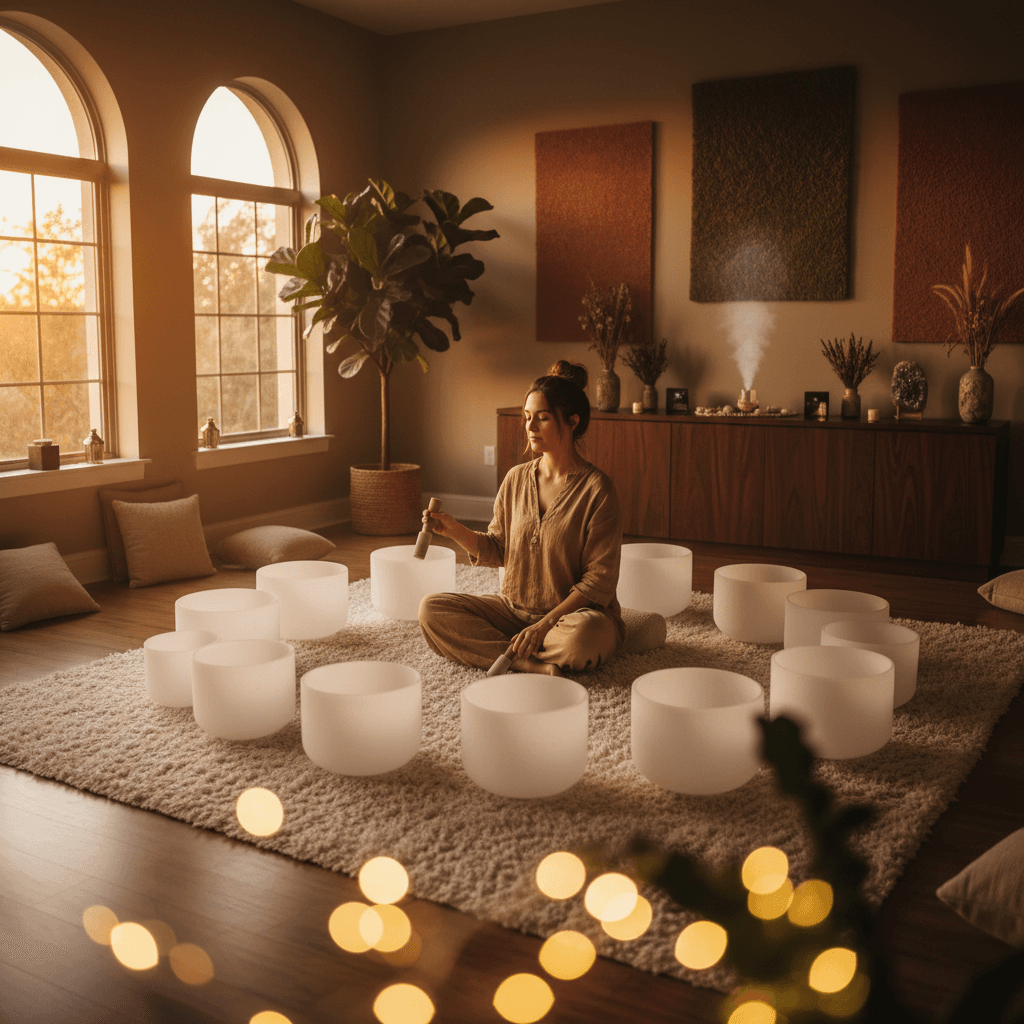
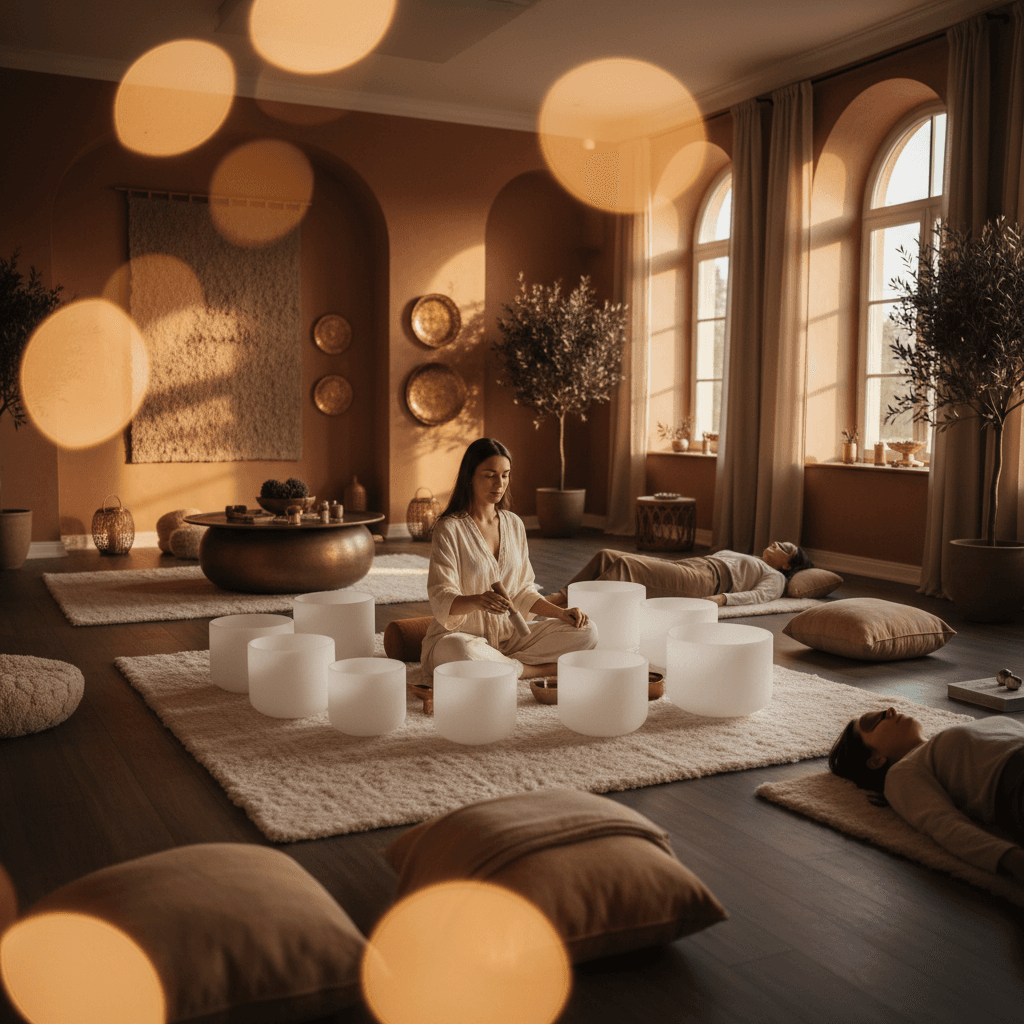
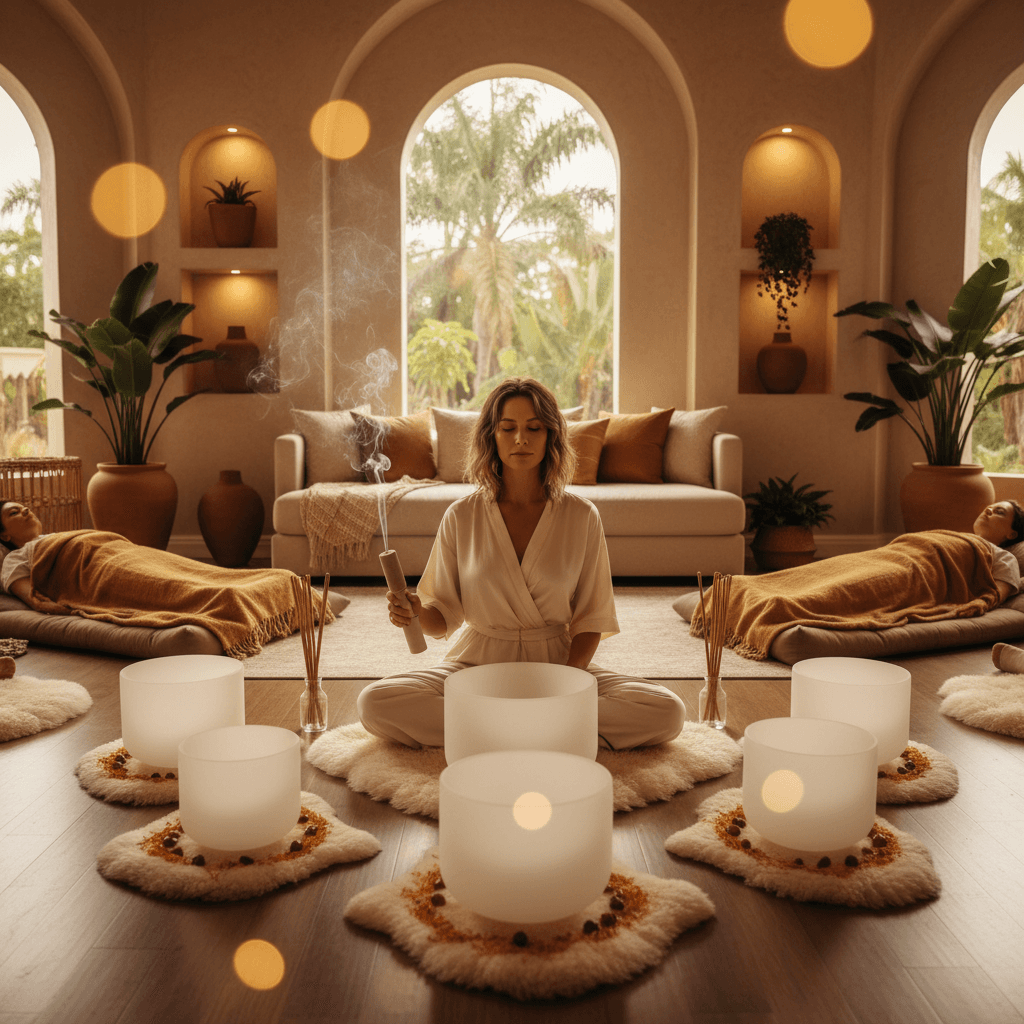
Imagine stepping into a serene space, deliberately designed to minimize external distractions. The ambient lighting is soft, the air is subtly purified, and the subtle hum of daily life fades into the background. This immediate shift in environment signals to your nervous system that it's time to transition from a state of constant vigilance to one of mindful presence.
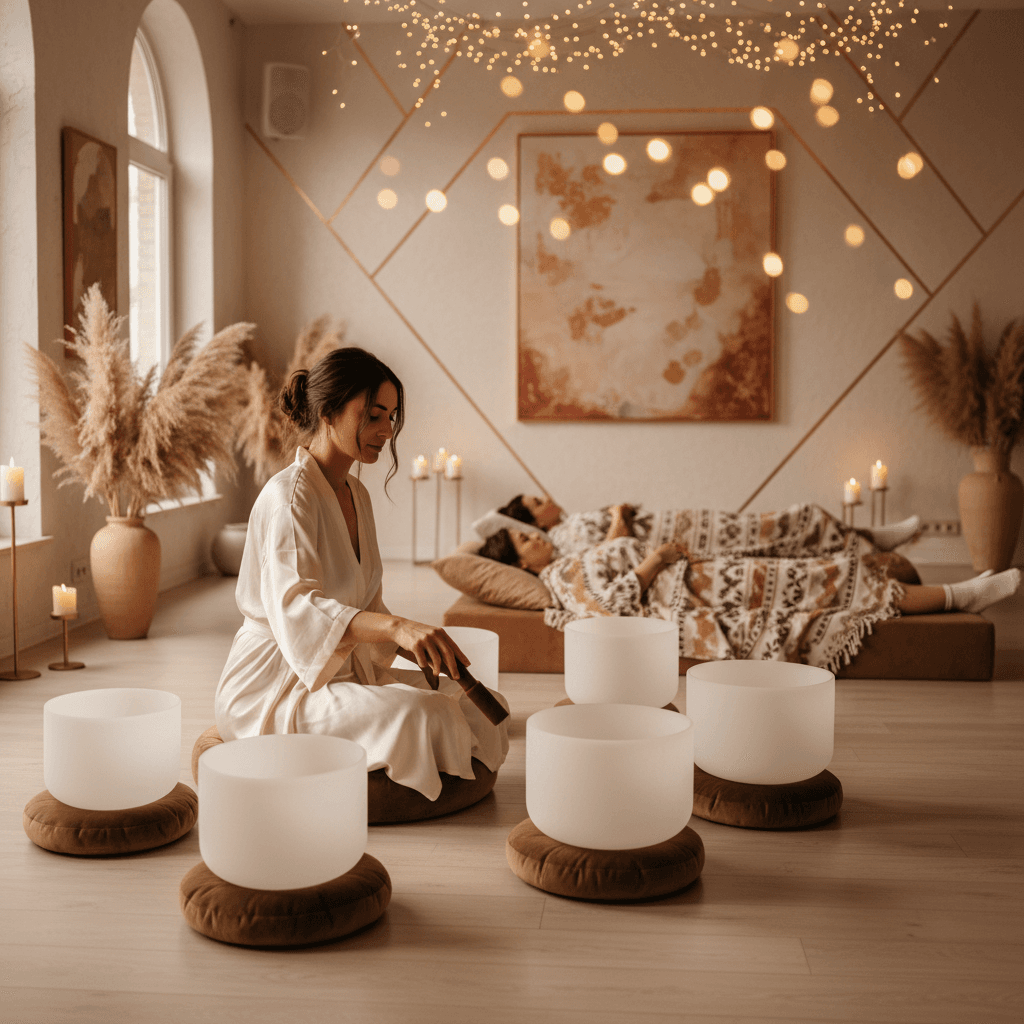
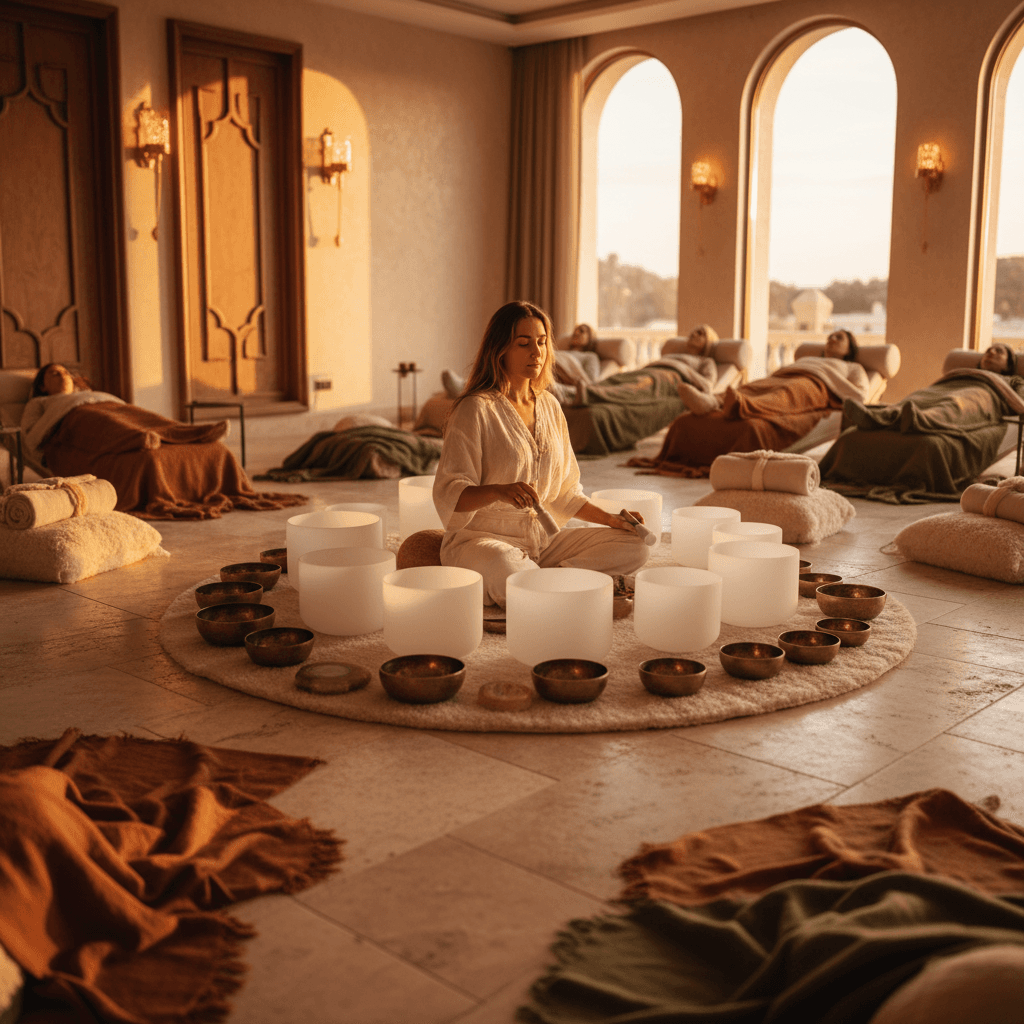
As your session begins, you are enveloped by a carefully composed soundscape. This isn't just background music; it's a sophisticated tapestry of frequencies, harmonies, and rhythms. You might hear the resonant tones of singing bowls, the gentle sustain of gongs, or the intricate patterns of chimes. These sounds are specifically chosen for their ability to promote specific brainwave states, such as alpha and theta waves, which are associated with relaxation, creativity, and focused attention.
What clients often report during these sessions is a distinct shift in their perception of time. Minutes might dissolve into what feels like a continuous, uninterrupted flow. The internal chatter and the urge to check the clock diminish, replaced by a quiet sense of immersion. This "felt time distortion" is a powerful indicator that the brain is engaged and unburdened by the usual temporal anxieties.
The absence of salient, distracting sounds allows your attention to remain anchored to the task at hand, or simply to the present moment. This reduces the need for the brain to constantly reorient itself after interruptions, conserving mental energy. The sustained, non-intrusive auditory environment fosters a sense of psychological safety, allowing for deeper cognitive engagement and a reduction in perceived mental effort. Clients often emerge feeling refreshed, re-centered, and surprised by how quickly the session seemed to pass, having achieved a profound level of mental clarity.
The Soul Art Approach: Larissa Steinbach's Unique Methodology
Larissa Steinbach, founder of Soul Art, has pioneered a unique methodology that integrates the scientific understanding of time perception and sound’s influence with ancient wellness practices. Her approach goes beyond mere relaxation, specifically targeting the brain states conducive to profound focus and mental resilience. It’s about creating an intentional "auditory container" for your consciousness.
Larissa's method is built on the premise that the right sound environment can act as a gentle yet powerful tool to regulate the nervous system and recalibrate our internal clock. By carefully curating specific sound frequencies and vibrational patterns, she guides participants into deeper states of concentration, minimizing the mental friction often associated with sustained cognitive effort. This is particularly valuable in today's hyper-stimulated world, where the ability to maintain focus is a rare commodity.
What makes the Soul Art method truly unique is its holistic integration of instruments, intention, and scientific insight. Larissa often utilizes a diverse array of instruments, each chosen for its specific acoustic properties and resonant qualities. These may include Himalayan singing bowls, crystal alchemy bowls, symphonic gongs, tuning forks, and various chimes. Each instrument contributes to a layered soundscape, designed to bypass the analytical mind and engage the subconscious.
For instance, the deep, sustained vibrations of gongs can help to quiet the mental chatter, while the clear, pure tones of crystal bowls may encourage brainwave entrainment towards alpha and theta states. Larissa's expertise lies in her ability to intuitively blend these sounds, creating a fluid, evolving auditory experience that supports a sustained state of flow. The sessions are not passive listening; they are active engagements that train the mind to stay present and focused.
Larissa Steinbach’s sessions at Soul Art provide a sanctuary from the relentless pace of modern life, offering a powerful avenue for individuals to explore enhanced cognitive function. By leveraging the subtle yet profound power of sound, her methodology enables clients to cultivate a greater capacity for deep work, transforming how they interact with their most important tasks and challenges.
Your Next Steps: Integrating Sound for Enhanced Focus
Harnessing the power of sound for deep work doesn't require a complete overhaul of your routine, but rather conscious, incremental changes. By understanding how sound influences your time perception and focus, you can begin to craft an environment that supports your cognitive peak. Larissa Steinbach and Soul Art empower you to take control of your attention.
Here are some actionable steps you can implement today to start leveraging sound for more productive deep work sessions:
- Curate Your Auditory Environment: Before starting a deep work session, consciously choose your soundscape. Experiment with ambient soundscapes designed for focus, binaural beats, or specific frequencies known to induce relaxed attention. Avoid music with lyrics or jarring changes that could act as salient distractors. Some research suggests that consistent, non-intrusive sound can be less distracting than sporadic noise.
- Schedule Intentional Breaks: Instead of waiting until you feel exhausted, schedule short breaks (5-10 minutes) every 40-60 minutes of deep work. During these breaks, step away from your screen and engage in a different sensory experience – perhaps a short walk, a few deep breaths, or listening to a calming soundscape. This practice, often called "downshifting," may help to recharge the mind and extend your capacity for subsequent deep work sets.
- Minimize Salient Distractions: Turn off notifications, close unnecessary tabs, and inform colleagues you're entering a "deep work" block. Remember, even seemingly minor distractions can take over 20 minutes to recover from, severely fragmenting your focus and distorting your perception of time as it drags on.
- Practice Mindful Listening: Engage in short mindful listening exercises before or during deep work. Focus intently on a specific sound for a minute or two, observing its qualities without judgment. This practice trains your attention and can enhance your ability to maintain focus on your primary task, making time feel more expansive and less rushed.
- Explore Professional Sound Wellness: Consider experiencing a guided sound wellness session at Soul Art. Our expert-led sessions are specifically designed to help you tap into deeper states of relaxation and focused attention, providing a powerful foundational experience for cultivating a more productive and present approach to your work and life.
In Summary: Rewiring Your Relationship with Time and Work
Our journey through the science of time distortion reveals a profound truth: our experience of time is not static, but a dynamic interplay of our environment, emotions, and internal physiological states. By consciously engaging with sound, we possess a powerful, often overlooked, tool to reshape this experience. From modulating arousal levels and enhancing positive emotions to minimizing disruptive distractions, sound offers a pathway to sustained, undistracted focus.
The ability to induce a state where time seems to accelerate, making challenging tasks more engaging and enjoyable, is a superpower in today's demanding world. Larissa Steinbach's pioneering work at Soul Art provides a sophisticated and accessible entry point into this transformative practice. By embracing the principles of sound wellness, you can unlock unparalleled levels of concentration, creativity, and fulfillment in your deep work sessions.
Bookings Coming Soon
Soul Art is still in preparation. Session details and booking will be published here after launch.
Coming Soon
Wellness Disclaimer: This article is for educational and informational purposes only. It does not constitute medical advice, diagnosis, or treatment. Soul Art Dubai provides non-medical wellness experiences focused on relaxation, stress management, and general wellbeing. Sound wellness is a complementary practice and should not replace professional medical care.