Polyvagal Theory & Sound: Reclaiming Inner Calm at Soul Art
Key Insights
Explore Polyvagal Theory's science and how sound healing at Soul Art, led by Larissa Steinbach, fosters nervous system regulation and deep well-being.
Have you ever wondered why some sounds instantly soothe you, while others send a shiver down your spine? Or why, even when consciously safe, your body might still feel tense, anxious, or completely shut down? The answer lies deep within your nervous system, an intricate network constantly scanning for safety, a process explained beautifully by the Polyvagal Theory. At Soul Art, Dubai's premier sound wellness studio, we harness this profound scientific understanding to unlock deep states of relaxation and resilience.
This article will delve into the scientifically-backed principles of Polyvagal Theory, illuminating how our bodies subconsciously assess the world around us. We will then explore its powerful applications in sound wellness, revealing how carefully curated sonic experiences, pioneered by Larissa Steinbach at Soul Art, can gently guide your nervous system back to a state of calm, connection, and profound well-being. Understanding this theory empowers you to cultivate physiological safety, fostering a foundation for mental and emotional balance.
The Autonomic Nervous System: A Triune Model of Safety
For decades, the autonomic nervous system (ANS) was primarily understood through a two-branch model: the sympathetic nervous system (responsible for "fight or flight") and the parasympathetic nervous system ("rest and digest"). While foundational, this model lacked the nuanced explanation for the complex human responses to stress, trauma, and social engagement. Enter Dr. Stephen Porges's Polyvagal Theory, a groundbreaking framework that provides a more sophisticated map of our physiological responses to safety and danger.
Polyvagal Theory posits a hierarchical organization of three distinct neural circuits, each influencing our behavior and emotional regulation. At its core is the concept of neuroception – our nervous system's unconscious assessment of environmental cues, differentiating between safety, danger, or life-threat. This happens below our conscious awareness, constantly shaping our state. This innovative perspective highlights the importance of our physical state in the realm of mental wellness, providing insights into conditions like PTSD, anxiety, and even resilience.
The Vagus Nerve: Your Internal Compass
The vagus nerve, a crucial component of the parasympathetic nervous system, is central to Polyvagal Theory. It plays a pivotal role in regulating our body's stress responses and social engagement. Porges identified two primary branches of the vagus nerve, alongside the sympathetic nervous system, creating a three-tiered system of response:
-
Myelinated Ventral Vagal Complex (VVC): This is the newest evolutionary pathway, unique to mammals. When activated, it promotes social engagement, feelings of safety, connection, and calm. It allows for flexible responses to life's challenges, enabling us to connect, play, and engage in co-regulation with others. This state is associated with optimal physical and mental functioning, characterized by prosodic vocalizations, facial expressions, and connection.
-
Sympathetic Nervous System (SNS): When neuroception signals danger, but not immediate life-threat, the SNS takes over, preparing us for fight or flight. Our heart rate increases, breath quickens, and muscles tense. While essential for survival, chronic activation of the SNS can lead to anxiety, restlessness, and hypervigilance.
-
Unmyelinated Dorsal Vagal Complex (DVC): This is the oldest evolutionary pathway, shared with reptiles. When faced with overwhelming threat, where fight or flight is not an option, the DVC triggers freeze or shutdown. This state manifests as dissociation, emotional numbness, exhaustion, or collapse, a desperate attempt to conserve energy and minimize pain.
Understanding this hierarchy is vital. Our nervous system prioritizes survival, defaulting to the oldest pathways when faced with perceived threat. The goal of wellness practices like sound healing is to gently guide the nervous system back to the ventral vagal state, fostering physiological and psychological safety from the "bottom up"—meaning through bodily sensations rather than cognitive thought alone.
Scientific Validation and Evolution of Polyvagal Theory
Polyvagal Theory, since its original publication by Dr. Stephen Porges in 1995, has continuously evolved and garnered significant scientific validation. The health and scientific community places high credence on theories backed by robust scientific validation, and Polyvagal Theory has consistently met this rigorous standard. Its predictive and explanatory power extends beyond research settings into practical clinical applications.
Rigorous research methodologies, including Randomized Controlled Trials (RCTs), long-term studies, and meta-analyses, provide the foundational basis to substantiate its theoretical claims. Studies have repeatedly confirmed the theory’s claims regarding autonomic flexibility, neuroception, and social engagement, attesting to both its falsifiability and its wide applicability across diverse fields such as trauma studies, developmental psychobiology, and behavioral neuroscience. Dr. Porges’s recent iterations, including The Vagal Paradox: A Polyvagal Solution (Porges, 2023) and Polyvagal Perspectives: Interventions, Practices, and Strategies (Porges, 2024), integrate foundational evidence with empirical observation, advancing theoretical understanding.
A key practical application that validates Polyvagal Theory is the Safe and Sound Protocol (SSP), developed by Dr. Stephen Porges himself. The SSP is a powerful listening therapy that modulates the ventral vagal pathway, yielding measurable improvements in regulation and social behavior through filtered music. Preliminary publications and a growing body of clinical trials, alongside real-world evidence, document the effectiveness of this acoustic intervention in areas like emotion regulation and functional neurological disorders. The technology embedded in the SSP has even received patents for its application as an acoustic vagal nerve stimulator, further solidifying the empirical link between auditory input and autonomic nervous system regulation. This extensive body of evidence highlights that sound, especially prosodic vocalizations and music, serves as a potent portal to regulate our autonomic state.
How It Works in Practice: Sound as a Gentle Guide to Safety
In the serene environment of a sound wellness studio, Polyvagal Theory transitions from abstract science to a tangible, deeply felt experience. When you enter a space like Soul Art, your nervous system immediately begins its process of neuroception, unconsciously scanning for cues of safety. The carefully chosen aesthetic, the welcoming atmosphere, and most profoundly, the intentional application of sound, all contribute to signaling a secure environment. This is crucial, as you cannot think your way into safety; your body must feel it first.
Sound healing, viewed through a Polyvagal lens, becomes a sophisticated practice of co-regulation. Just as a mother’s prosodic voice can calm an infant, specific sound frequencies and harmonies can act as gentle invitations for your nervous system to shift from states of defense (sympathetic fight/flight or dorsal vagal freeze/shutdown) towards the ventral vagal state of calm and connection. This "bottom-up" approach bypasses the cognitive brain, directly influencing the physiological state.
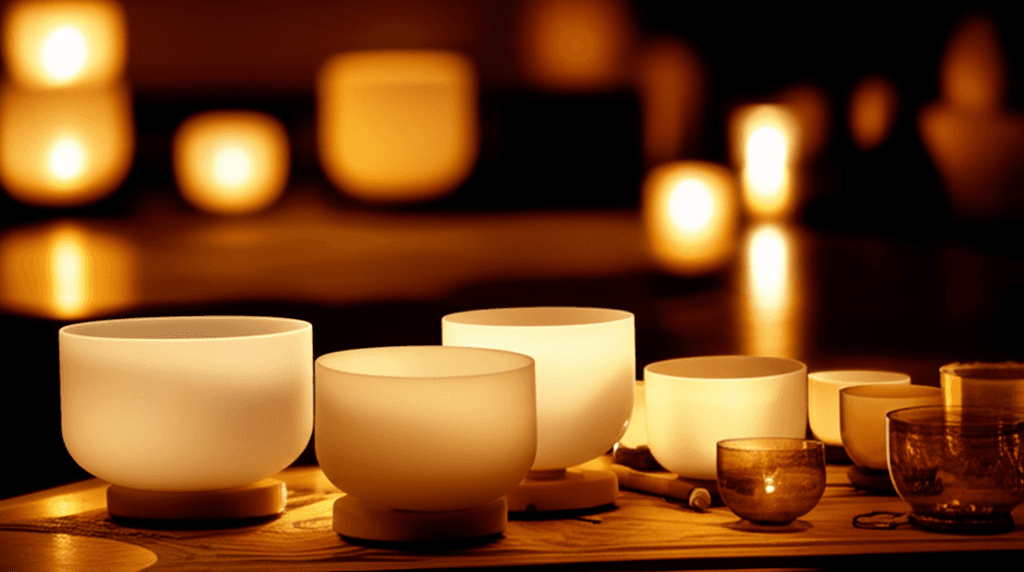
Imagine lying down, surrounded by the resonant vibrations of carefully selected instruments. The gentle waves of a gong bath may envelop you, its complex overtones creating a sonic landscape that encourages deep relaxation. The pure, sustained tones of crystal singing bowls resonate through your body, felt not just heard, potentially activating the vagus nerve and promoting a sense of inner spaciousness. These auditory inputs, especially when they are rhythmic, harmonic, and free of sudden, jarring changes, are interpreted by your neuroception as cues of safety.
Many people report a profound sense of release, as if an invisible weight has been lifted. This is often the body moving out of a defensive state. As the nervous system begins to feel safe, the physiological markers of stress — a rapid heart rate, shallow breathing, muscle tension — may naturally ease. This creates an internal environment conducive to emotional processing, improved social engagement, and an enhanced capacity for self-regulation. Sound wellness, in this context, is not merely listening to music; it is an immersive, sensory experience designed to reset and restore your fundamental sense of physiological safety.
The Soul Art Approach: Larissa Steinbach's Vision for Sonic Wellness
At Soul Art, Dubai's premier sound wellness studio, Larissa Steinbach has meticulously crafted an experience deeply rooted in the principles of Polyvagal Theory. Her approach is a testament to the idea that true well-being begins with a regulated nervous system. Larissa’s vision is to create a sanctuary where every individual can experience profound physiological and psychological safety, allowing their innate capacity for healing and connection to flourish.
What makes the Soul Art method truly unique is the intentionality behind every element. Larissa Steinbach curates sonic journeys that are not just beautiful, but strategically designed to facilitate ventral vagal activation. This involves a thoughtful selection of instruments – from the rich, deep vibrations of large planetary gongs and resonant Himalayan singing bowls to the pure, crystalline tones of quartz crystal bowls, chimes, and the gentle co-regulation offered by her own prosodic voice. Each sound is chosen for its specific frequency, harmonic quality, and ability to create a palpable sense of peace and stability.
"At Soul Art, we understand that sound is not just heard, it's felt. It's a language your nervous system instinctively understands, guiding you back to your most authentic state of calm and connection."
Soul Art offers both individual and group sound wellness sessions, each designed to optimize neuroception and support nervous system resilience. In these sessions, the environment itself is a crucial co-regulator: soft lighting, comfortable surroundings, and a palpable sense of calm prepare the body and mind. Larissa’s expertise lies in her ability to intuitively weave sounds, creating a tapestry that gently invites your system to release tension, soften defenses, and embrace a state of profound rest and restoration. This holistic wellness practice is a complementary approach for stress management and relaxation, empowering clients to cultivate improved awareness, regulation, and resilience in their daily lives.
Your Next Steps: Cultivating Physiological Safety Daily
Understanding Polyvagal Theory illuminates the profound impact of your nervous system on your overall well-being. The good news is, there are many simple yet powerful ways you can begin to gently co-regulate your system and foster a greater sense of safety in your daily life. These practices may support the activation of your ventral vagal pathway, promoting calm and connection.
Here are a few actionable steps you can implement today:
- Practice Mindful Breathing with Extended Exhales: Slow, deep breathing, especially with a longer exhale than inhale, is a direct pathway to activating the vagus nerve. Try inhaling for a count of 4, holding for 2, and exhaling slowly for a count of 6 or 7.
- Hum, Sing, or Chant: The vibrations produced by humming, singing, or even gargling stimulate the vagus nerve in the throat. This simple act can be a quick and effective way to shift into a calmer state, often associated with a sense of gentle joy.
- Engage in Gentle Movement: Rhythmic, non-strenuous movements like walking, gentle yoga, or stretching can help release stored tension and signal safety to your nervous system. Listen to your body and move in ways that feel comforting.
- Seek Out Cues of Safety: Consciously surround yourself with elements that signal safety to your neuroception. This could be soft lighting, comforting textures, the presence of trusted loved ones or pets, or listening to calming, prosodic music that lacks sudden, jarring elements.
- Explore Professional Sound Wellness: Consider experiencing a guided sound wellness session at Soul Art. Under the expert guidance of Larissa Steinbach, you can discover how a professionally curated sonic environment can provide profound support for nervous system regulation, serving as a powerful complementary approach to your self-care routine.
In Summary
Polyvagal Theory offers us a profound scientific lens through which to understand our stress responses and our innate capacity for connection and resilience. It reveals that our nervous system is constantly assessing safety, and that fostering physiological safety from the bottom-up is key to holistic well-being. Sound healing emerges as an incredibly potent and scientifically congruent tool to gently guide our bodies from states of defense back to the ventral vagal state of calm, connection, and social engagement.
At Soul Art, Larissa Steinbach masterfully applies these principles, utilizing carefully selected instruments and sonic journeys to create an environment where your nervous system can truly rest and reset. By understanding and actively engaging with the science of safety, you empower yourself to cultivate a deeper sense of inner peace and equip your body with the tools for optimal regulation. Discover the transformative power of sound and reconnect with your authentic self at Soul Art.
Bookings Coming Soon
Soul Art is still in preparation. Session details and booking will be published here after launch.
Coming Soon
Wellness Disclaimer: This article is for educational and informational purposes only. It does not constitute medical advice, diagnosis, or treatment. Soul Art Dubai provides non-medical wellness experiences focused on relaxation, stress management, and general wellbeing. Sound wellness is a complementary practice and should not replace professional medical care.
Related Articles

Cluster Headaches: Unveiling Pain and the Promise of Frequencies in Wellness

Epilepsy & Sound: Safety, Serenity, and Emerging Wellness Paths
Mastering Focus: Analytical Listening & Brain Engagement at Soul Art