Sound & Soul: Healing Emotions Through the Limbic System
Key Insights
Explore how sound wellness at Soul Art, founded by Larissa Steinbach, can gently rebalance the limbic system for profound emotional healing and wellbeing.
Have you ever wondered why certain melodies can instantly shift your mood, bringing profound peace or a surge of energy? This isn't merely a coincidence; it's a testament to the powerful, intricate connection between sound, your brain, and your emotional landscape. Deep within your brain lies the limbic system, the ancient seat of emotions, memory, and motivation, constantly processing your experiences.
Understanding how this vital system functions provides a profound insight into how we react to the world, manage stress, and even form lasting memories. This article will unravel the mysteries of the limbic system and explore how precisely calibrated sound experiences, like those offered at Soul Art by founder Larissa Steinbach, can gently guide it toward greater balance and emotional well-being. Prepare to discover a sophisticated pathway to inner harmony, grounded in neuroscience and accessible through the transformative power of sound.
The Intricate Orchestra of Emotion: Decoding the Limbic System
Our emotional lives, from the pang of anxiety to the warmth of joy, are orchestrated by a complex network of brain structures collectively known as the limbic system. Located on both sides of the thalamus, immediately beneath the medial temporal lobe of the cerebrum, this "paleomammalian cortex" plays a pivotal role in shaping our internal and external worlds. It's often referred to as the "emotional nervous system" due to its profound connection between our physical and emotional well-being.
The foundational understanding of the limbic system's role in emotion emerged in 1939 with Heinrich Kluver and Paul Bucy’s research. They demonstrated that bilateral removal of the temporal lobes in monkeys led to significant behavioral changes, including a decrease in aggression and an inability to recognize familiar objects. Later, Paul D. MacLean expanded these ideas, coining the term "limbic system" in 1952 and developing the concept of the "triune brain" to explain its evolutionary significance and reconcile rational human behavior with primal instincts.
What is the Limbic System?
The limbic system is a group of interconnected brain structures that govern a wide array of essential functions. These include emotional processing, motivation, behavior, the sense of smell (olfaction), and the formation of long-term memory. It's a fundamental part of how we interact with and respond to the environment around us.
Key components of the limbic system include:
- Amygdala: Often considered the most primordial and vital part, central to emotional processing.
- Hippocampus: Crucial for forming new memories and spatial navigation.
- Hypothalamus: Regulates autonomic functions like hunger, thirst, sleep, and the stress response.
- Cingulate Gyrus: Involved in emotion formation, learning, and memory.
- Thalamus: A relay station for sensory information, sending it to appropriate areas of the cortex.
- Basal Ganglia: Plays a role in motor control, motivation, and reward.
These components work in concert to integrate sensory input with emotional responses, driving behaviors necessary for survival, such as eating, reproducing, caring for young, and reacting to threats. Understanding these intricate roles is key to appreciating how external stimuli like sound can influence our emotional states.
The Amygdala: Your Emotional Command Center
Among the limbic system's many structures, the amygdala stands out as a critical hub for emotional regulation and response. Situated deep within the temporal lobes, its primary purpose is to control and modulate emotions such as fear, anger, and happiness. The amygdala is not just about raw emotion; it also plays a significant role in forming strong, emotionally charged memories, encoding and retrieving what are known as episodic-autobiographical memories (EAM) with specific emotional significance.
Research by Markowitsch and his team has provided extensive evidence that the amygdala’s main function is to "charge cues" so that emotionally significant mnemonic events can be successfully processed. This means that memories imbued with strong emotions tend to stick with us more vividly, influencing future reactions and behaviors. Damage to the amygdala can impair emotional responses and learning, underscoring its vital role in our emotional lives.
The Brain's Plasticity and Emotional Regulation
While the limbic system is deeply wired for fundamental emotional responses, it is not immutable. The brain is a remarkably changeable organ, exhibiting what is known as neuroplasticity. Emerging evidence suggests that certain interventions can restructure parts of the brain, including the limbic system. This offers a hopeful perspective on managing emotional challenges.
For example, studies have shown that cognitive behavioral therapy can reduce limbic system activity in individuals with phobias, while cognitive enhancement therapy may improve social and emotional cognition in conditions like schizophrenia. Differences in limbic system structure or activity have also been associated with various mental health conditions, including mood disorders and neurodivergence, highlighting the system's susceptibility to change and its importance in overall well-being. This inherent flexibility of the brain is what allows for the potential of practices like sound wellness to positively influence emotional states.
The Neurophysiological Impact of Sound
Sound, when intentionally applied, possesses a remarkable capacity to interact with and modulate the limbic system, particularly the amygdala. Research on the neurophysiological impact of sound therapy suggests that music and specific frequencies can have a significant effect on these brain regions, ultimately influencing emotional processing. One key mechanism involves the production of endorphins, neurotransmitters crucial for improving feelings of well-being and reducing pain perception.
The relationship between music and positive emotions is well-documented, even observed in athletes who use sound to calm nerves or boost self-esteem before high-pressure events. This deliberate use of sound can help individuals transition from states of nervousness and anxiety into serenity and assurance. From a neurophysiological perspective, sound therapy may support improved performance not just in sports, but in general cognitive and emotional regulation.
Crucially, sound therapy also influences the parasympathetic nervous system, which is responsible for the body's "rest and digest" functions. By decreasing aroused sympathetic activity—our "fight or flight" response—sound leads to better psychophysiological relaxation and autonomic flexibility. This decrease in limbic arousal in the brain directly contributes to reducing stress and promoting a calm mental state. Recent neuro-imaging research further affirms that music can significantly modulate the activity of brain regions vitally involved in emotional processing. Group music-making experiences have also been shown to foster synchrony among participants, which may enhance a sense of belonging and camaraderie, further contributing to emotional well-being.
"The subtle vibrations and harmonious frequencies of sound don't just echo in our ears; they resonate deep within our core, engaging the ancient parts of our brain responsible for our deepest emotions and memories."
Experiencing Emotional Resonance: Sound in Action
Translating the intricate science of the limbic system and sound into a tangible, felt experience is where the power of sound wellness truly comes alive. When you immerse yourself in a sound session, the journey transcends mere listening. It becomes a deeply somatic experience, where the body and mind respond in profound ways to the carefully curated auditory landscape. This connection between theory and practice is vital for true emotional healing.
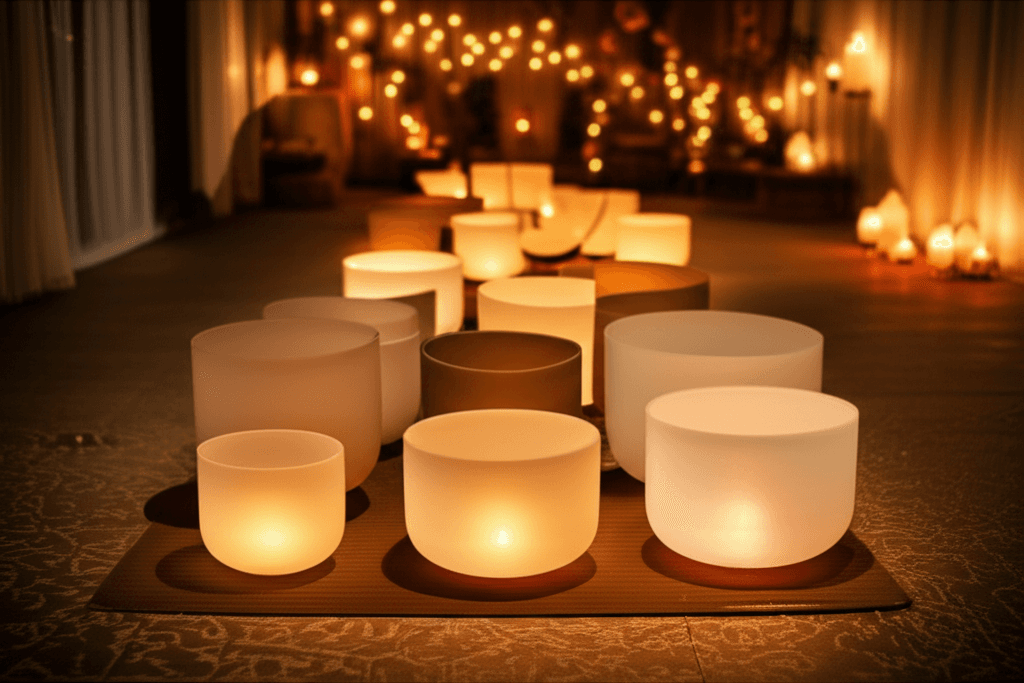
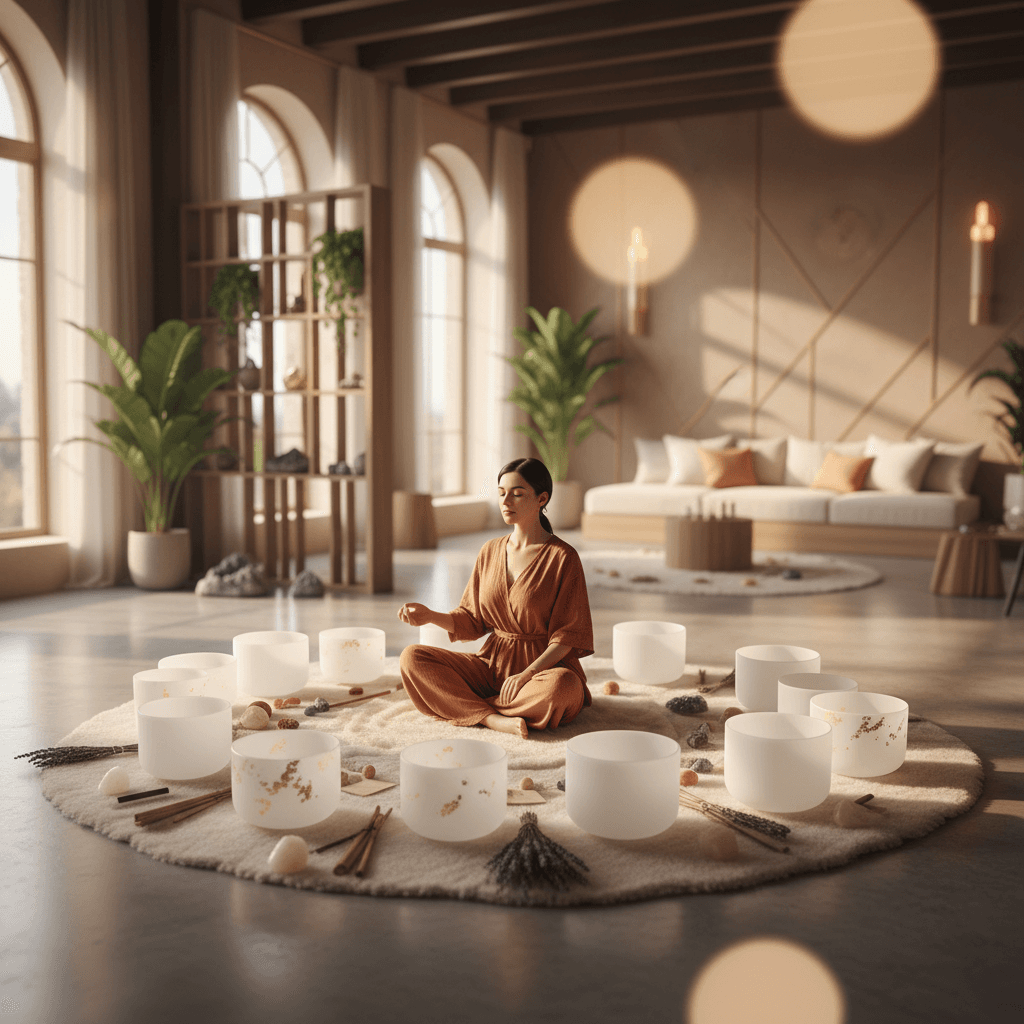
As therapeutic sounds envelop you, whether from the deep resonance of gongs or the pure tones of crystal singing bowls, their vibrations are felt not just through your ears, but throughout your entire being. These frequencies work to influence the brain's electrical activity, gently guiding it from states of high arousal, often linked to sympathetic dominance, towards calmer, more relaxed states associated with parasympathetic activity. This shift is a key component in enabling emotional release and regulation.
Clients often report a tangible shift as the session progresses. The subtle yet powerful decrease in limbic arousal allows the nervous system to transition from a "fight or flight" response to a "rest and digest" state. This creates an internal environment conducive to releasing stored tension, anxieties, and even long-held emotional patterns that the limbic system may have been holding onto. It’s a process of letting go, allowing the mind and body to unwind and find a new baseline of tranquility.
The experience is often described as a deep psychophysiological relaxation, where the mind quiets, and the body feels profoundly at ease. Sensory details play a crucial role: the warmth of vibrations spreading through the body, the sense of being cradled by sound, and the feeling of inner spaciousness that emerges. This comprehensive engagement of the senses, combined with the neurophysiological benefits, facilitates autonomic flexibility, meaning your body becomes more adept at switching between stress and relaxation responses, fostering greater emotional resilience in daily life.
The Soul Art Signature: A Pathway to Inner Harmony
At Soul Art, Larissa Steinbach has meticulously crafted a unique sound wellness experience designed to leverage these scientific principles for profound emotional healing. The Soul Art approach is not just about playing instruments; it's a deeply intentional methodology that harmonizes ancient wisdom with contemporary neuroscience, creating a sanctuary for inner transformation in the bustling heart of Dubai. Larissa's vision is to offer a sophisticated yet accessible pathway to emotional balance and well-being.
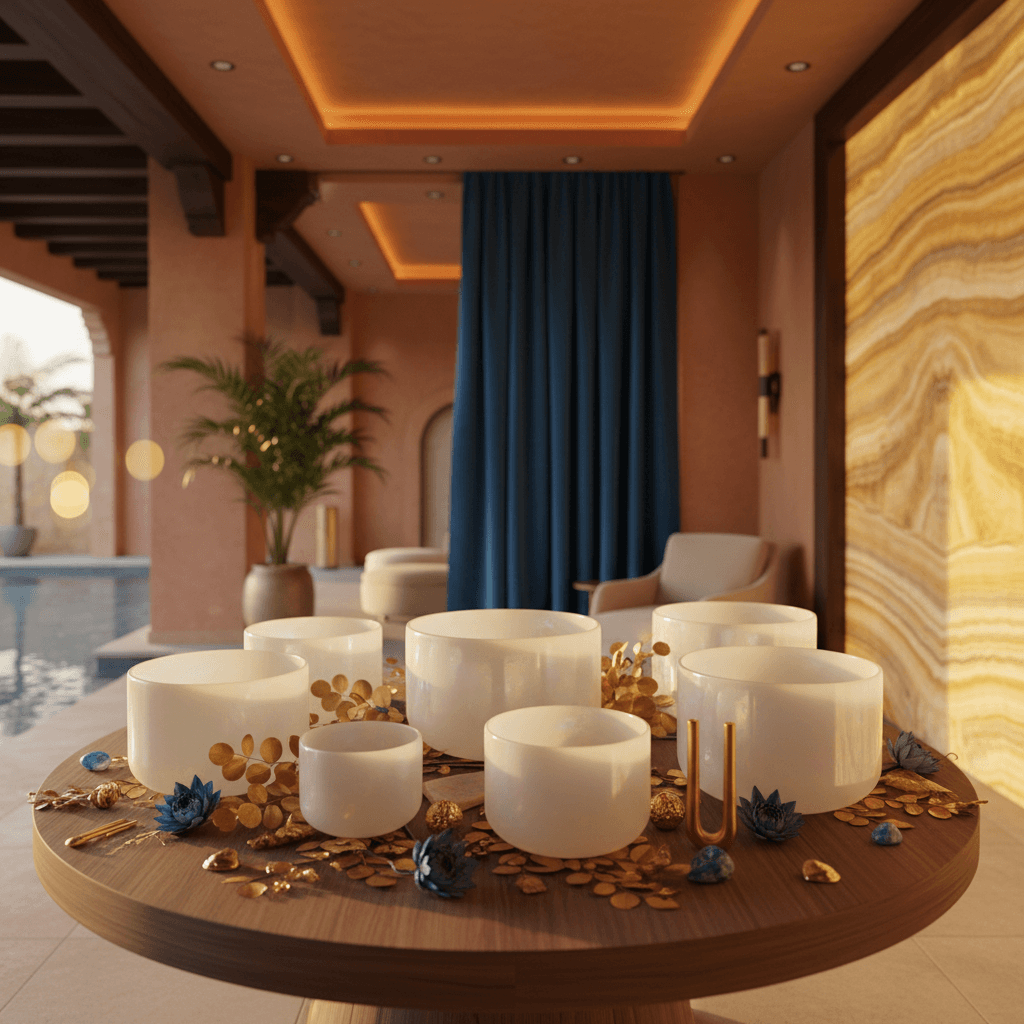
What makes the Soul Art method truly unique is its holistic integration of carefully selected instruments and techniques, all aimed at gently recalibrating the limbic system. Larissa Steinbach utilizes a symphony of specialized instruments, including powerful gongs, resonant crystal singing bowls, soothing Himalayan singing bowls, and precision-tuned tuning forks. Each instrument is chosen for its specific frequency and vibrational quality, known to interact beneficially with the body's energy centers and the brain's neural pathways. The intention behind each session is paramount.
Larissa designs her sessions to create a specific sonic environment that may support the brain in shifting into a meditative state, reducing cortisol levels, and encouraging the natural production of endorphins. This intentional structuring helps clients leave behind feelings of nervousness and anxiety, instead entering a state of serenity and assurance. The Soul Art experience focuses on decreasing limbic arousal and enhancing parasympathetic activity, leading to better psychophysiological relaxation and a calm mental state that resonates long after the session concludes. It's a bespoke journey toward self-discovery and emotional liberation, guided by Larissa's expert hand and the profound power of sound.
Cultivating Your Calm: Practical Steps for Emotional Well-being
Understanding the limbic system's role and the impact of sound is the first step; integrating this knowledge into your daily life is the next. While professional sound wellness sessions offer a deep dive into emotional healing, there are practical steps you can take today to cultivate greater calm and support your limbic system's balance. These practices are complementary approaches to holistic wellness and self-care.
Here are a few actionable steps you can implement:
- Mindful Listening: Dedicate time each day to mindfully listen to calming music or natural sounds. Focus solely on the auditory input, allowing it to gently soothe your nervous system. Many people report that even 10-15 minutes of this practice can significantly reduce stress.
- Deep Breathing and Meditation: Simple breathwork techniques can directly influence your autonomic nervous system, activating the parasympathetic response. Combining deep breathing with guided meditation can further enhance relaxation and emotional regulation.
- Create a Soothing Sound Environment: Incorporate ambient sounds, gentle chimes, or peaceful instrumental music into your home or workspace. This can help to continuously support a calm mental state and reduce background stressors.
- Prioritize Rest and Self-Care: Consistent sleep patterns and regular self-care rituals, such as warm baths, gentle stretching, or spending time in nature, are fundamental for supporting healthy limbic system function and overall emotional resilience.
- Explore Sound Wellness: Consider experiencing a professional sound wellness session. The carefully curated environments and expert guidance offered at studios like Soul Art can provide a powerful reset for your emotional well-being.
Embracing Emotional Resilience Through Sound
Our journey through the intricate world of the limbic system reveals its profound influence on our emotions, memories, and overall well-being. This ancient brain system, while susceptible to stress and imbalance, also possesses remarkable neuroplasticity, offering a powerful avenue for emotional healing. Sound, with its unique ability to modulate limbic arousal and activate the parasympathetic nervous system, emerges as an elegant and effective tool for cultivating inner calm and resilience.
Through the unique methodology championed by Larissa Steinbach at Soul Art, you are invited to experience firsthand how precisely calibrated sound frequencies can guide your limbic system towards harmony. By promoting profound relaxation, reducing stress, and fostering emotional balance, Soul Art offers a sophisticated, evidence-informed pathway to a more serene and assured self. It’s an invitation to explore the transformative power of sound and rediscover your innate capacity for emotional well-being.
Bookings Coming Soon
Soul Art is still in preparation. Session details and booking will be published here after launch.
Coming Soon
Wellness Disclaimer: This article is for educational and informational purposes only. It does not constitute medical advice, diagnosis, or treatment. Soul Art Dubai provides non-medical wellness experiences focused on relaxation, stress management, and general wellbeing. Sound wellness is a complementary practice and should not replace professional medical care.
Related Articles
Cluster Headaches: Unveiling Pain and the Promise of Frequencies in Wellness

Epilepsy & Sound: Safety, Serenity, and Emerging Wellness Paths
Mastering Focus: Analytical Listening & Brain Engagement at Soul Art