Unlock Your Mind's Potential: The Hippocampus and Sound-Enhanced Memory
Key Insights
Explore how targeted sound experiences at Soul Art Dubai, led by Larissa Steinbach, may prime your hippocampus for enhanced memory formation and cognitive well-being.
Have you ever wondered why certain melodies instantly transport you back to a specific moment, or why a quiet, focused environment seems to make learning so much easier? These experiences are not coincidental; they hint at the profound connection between our auditory landscape and the intricate processes of memory within our brains. At the heart of this connection lies the hippocampus, a remarkable region crucial for how we form and retain new information.
Understanding how the hippocampus works, particularly its "ready-to-encode" mode, opens fascinating avenues for enhancing our cognitive abilities. This article delves into the cutting-edge neuroscience behind sound-enhanced memory, exploring how specific frequencies and auditory environments may support optimal brain function. We will uncover how these scientific insights are thoughtfully integrated into the transformative sound wellness experiences offered at Soul Art, Dubai, under the expert guidance of Larissa Steinbach. Join us on a journey to appreciate the powerful, often underestimated, role of sound in shaping our memory and overall well-being.
The Science Explained
Our ability to learn, recall, and make sense of the world hinges significantly on the hippocampus, a small, seahorse-shaped structure nestled deep within the brain. This vital region acts as the brain's central processing unit for forming new memories, coordinating a complex "memory dance" with other cortical areas. Far from passively storing information, the hippocampus actively influences how and where new memories are encoded, ensuring they are accessible when needed.
The interplay between the hippocampus and various sensory inputs—including sound—is a dynamic process that directly impacts our capacity to remember. Emerging research continually reveals the sophisticated mechanisms through which this brain region primes itself for memory formation and consolidates our experiences. Understanding these underlying processes provides a robust foundation for exploring how targeted wellness practices, such as sound experiences, can play a supportive role in cognitive health.
Understanding the Brain's Memory Hub: The Hippocampus
The hippocampus is widely recognized as the brain's critical center for encoding information into long-term memories, particularly those related to events and facts, known as episodic memories. It doesn't store detailed information itself but rather orchestrates how the cortex stores these details, ensuring they are structured for future retrieval. This coordinated effort highlights the hippocampus's role as a conductor in the brain's memory orchestra.
A groundbreaking study published in the Proceedings of the National Academy of Sciences revealed that the hippocampus has a "ready-to-encode" mode. When neurons in the hippocampus are already firing at high rates before new information is presented, individuals are significantly more successful at encoding and remembering that information later. Conversely, low neuronal activity before exposure makes information more likely to be forgotten. This suggests that the hippocampus's internal state is a powerful predictor of memory success.
This "ready-to-encode" state is further supported by the concept that new memories are formed by "sparse collections of active neurons" that become "bundled together." High neuronal firing facilitates this selection process, making memory formation more efficient. The hippocampus actively coordinates with other brain areas, such as the occipital cortex for visual information, the parietal cortex for spatial information, and crucially, the auditory cortex for sound, to weave together a rich tapestry of memory.
"We think new memories are created by sparse collections of active neurons, and these neurons get bundled together into a memory. This work suggests that when a lot of neurons are already firing at high levels, the neuronal selection process during memory formation works better." — Stephen Goldinger, Professor of Psychology, Arizona State University.
The strength of these interactions between the hippocampus and other brain regions during memory encoding can powerfully predict how well a memory will be retained. This insight, from researchers at Duke University, emphasizes that memory processes are fundamentally driven by this intricate network interaction rather than by individual brain regions acting in isolation. Therefore, creating an optimal state for the hippocampus to engage with these networks is paramount for effective memory formation.
The Rhythmic Language of Memory: Brain Waves and Neuronal Firing
The brain communicates through electrical signals, creating rhythmic patterns known as brain waves, which are intimately linked to memory formation. Research from MIT neuroscientists illustrates how two key learning regions—the hippocampus and the prefrontal cortex—utilize different brain-wave frequencies for communication during memory encoding. These distinct rhythms act like internal signals, guiding whether connections between neurons are strengthened or weakened.
When the brain successfully associates new information, such as linking unrelated objects, the brain waves oscillate at a higher "beta" frequency, typically between 9 to 16 hertz. Conversely, when an association is incorrect or poorly formed, brain waves oscillate at a lower "theta" frequency, ranging from approximately 2 to 6 hertz. These frequencies are not just indicators; they actively participate in the learning process.
Studies have shown that stimulating neurons at beta frequencies can strengthen connections, while theta frequencies tend to weaken them, effectively telling the brain to "forget" what was just learned. This "correct answer note" versus "wrong buzzer buzz" mechanism highlights how rhythmic brain activity directly influences the plasticity of neuronal connections, forming the physical basis of memory. The hippocampus also exhibits theta activity during spatial navigation and is crucial for maintaining memory across brief retention intervals.
Furthermore, rhythmic memory consolidation is crucial, especially during sleep. Sharp wave ripples (SWRs), brief bursts of high-frequency oscillations originating in the hippocampus, play a significant role in transferring newly acquired memories from the hippocampus to the neocortex for long-term storage. Disrupting these SWRs, even through unfamiliar environmental noise during sleep, can impair memory consolidation, suggesting that undisturbed rhythmic activity is vital for robust memory.
The Auditory Pathway to Memory: How Sound Interacts with the Hippocampus
Sound, often underestimated in its cognitive impact, travels a direct path to the brain's memory centers. The auditory cortex processes incoming sound information and then coordinates with the hippocampus, contributing to the rich, multi-sensory fabric of our memories. This intrinsic connection means that our auditory environment can profoundly influence the hippocampus's readiness and ability to encode new information.
For the first time, researchers observed the hippocampus becoming active in response to recurring musical phrases, indicating its involvement in processing even short-term musical patterns. This suggests that the hippocampus's role in memory may be broader than previously thought, bridging the gap between short and long-term memory processes. Music, with its inherent structure and emotional resonance, offers a direct pathway to stimulating hippocampal activity.
Emotional events are widely known to be more memorable than neutral ones, and the hippocampus, being part of the limbic system, is deeply connected to neural circuitry involved in emotional behavior. This link suggests that emotionally engaging sound experiences may naturally enhance memory formation. Preliminary studies also indicate that thoughtfully used music may positively affect patients with conditions associated with hippocampal atrophy, by stimulating their memory systems.
Beyond passive listening, targeted auditory stimulation can directly influence hippocampal function. Research using Transcranial Magnetic Stimulation (TMS) has shown that stimulating the hippocampal network, particularly at theta frequencies, can enhance memory accuracy and increase memory-related hippocampal fMRI connectivity. While Soul Art does not use TMS, these findings underscore the potential of frequency-specific stimulation to positively impact the brain's memory architecture. The sound emitted by stimulation in these studies also evoked activity in the auditory cortex, confirming the brain's response to these sonic interventions.
How It Works in Practice
At Soul Art, Dubai, the intricate science of the hippocampus and sound-enhanced memory formation is not merely academic; it forms the very foundation of our unique wellness experiences. We understand that optimal memory function is deeply intertwined with a state of profound relaxation and mental clarity. Our approach is designed to gently guide your brain towards an optimal state, where it is most receptive to forming and consolidating memories.
Imagine stepping into a serene space where the outside world gently recedes. Here, the carefully curated soundscape becomes an active participant in your cognitive well-being. The resonant frequencies and deep vibrations emitted by our instruments are specifically chosen to create an environment that may support the hippocampus in entering its "ready-to-encode" mode. This isn't about memorizing facts during a session, but rather about creating the conditions for your brain to become more efficient at memory formation in your daily life.
Our sessions leverage the power of rhythmic entrainment, a process where brainwave frequencies synchronize with external rhythmic stimuli. By introducing specific, calming frequencies, we aim to encourage brainwave patterns associated with deep relaxation and focused attention, such as alpha and theta waves. While theta waves are often linked to incorrect associations in some contexts, in a meditative, relaxed state, they are also associated with insight, creativity, and memory consolidation, particularly during sleep. This gentle guidance helps to quiet the mental chatter, making the brain more receptive to new information and promoting stronger neuronal connections.
Clients often report a profound sense of calm and mental clarity following our sound journeys. This state of reduced stress is crucial for memory, as chronic stress can impair hippocampal function. By helping to soothe the nervous system, Soul Art sessions may facilitate improved hippocampal activity, encouraging the strengthening of neuronal connections and supporting the transfer of memories from short-term to long-term storage. The sensory details of the experience—the rich harmonic overtones, the subtle shifts in vibration—provide a unique, holistic pathway to a more harmonious cognitive state. We believe that by nourishing the mind through sound, we can enhance its innate capacity for memory and learning.
The Soul Art Approach
Under the visionary leadership of Larissa Steinbach, Soul Art has pioneered a distinctive approach to sound wellness, meticulously designed to harmonize the body and mind. Our methodology is rooted in a deep understanding of neuroscientific principles, including the profound influence of sound on the hippocampus and memory. Larissa Steinbach's expertise ensures that each session is more than just a sound bath; it is a carefully orchestrated journey towards enhanced well-being and cognitive vitality.
What truly sets the Soul Art method apart is its intentional design to create an optimal physiological and psychological state conducive to memory and overall brain health. We focus on cultivating an environment that encourages the brain's "ready-to-encode" mode, not through direct memory tasks, but by reducing stress and fostering deep relaxation. When the mind is calm and clear, the hippocampus is better equipped to perform its crucial memory functions. This holistic approach recognizes that a relaxed nervous system is the bedrock of optimal cognitive performance.
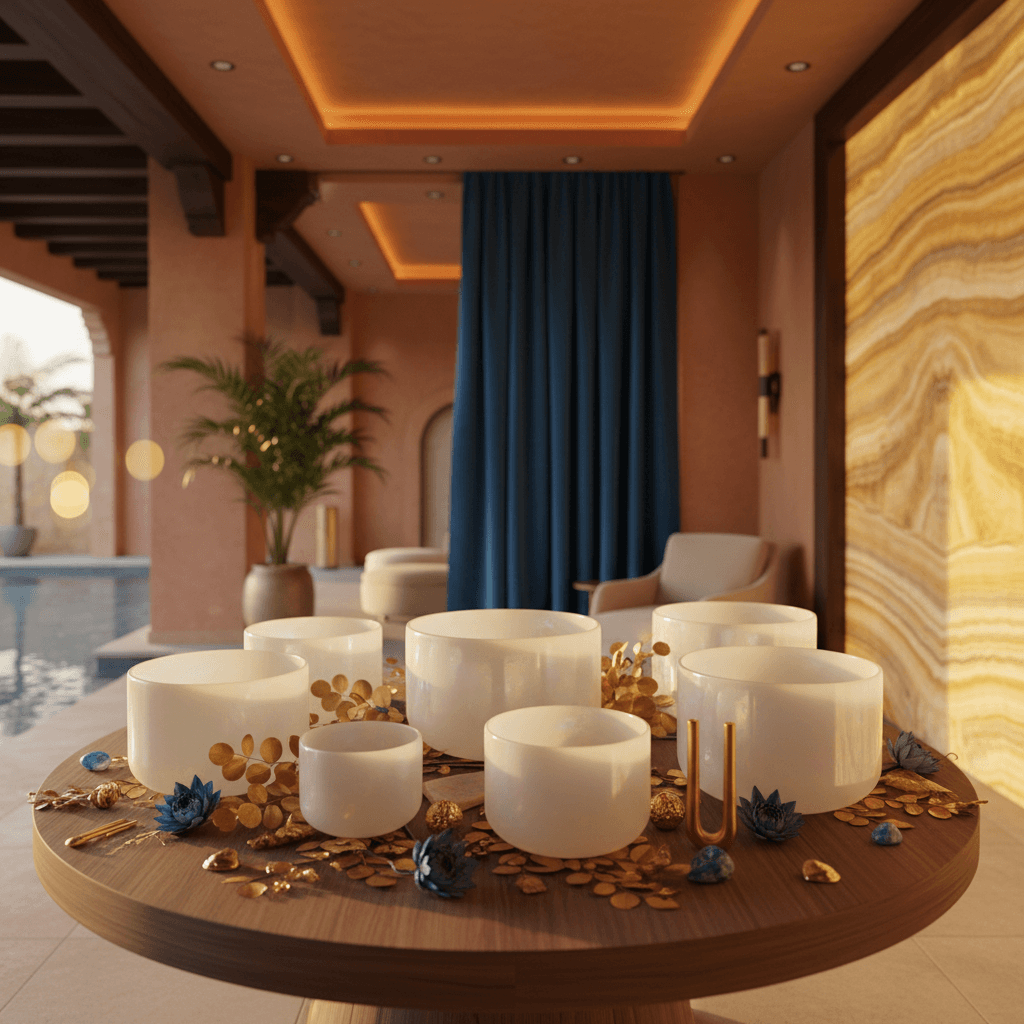
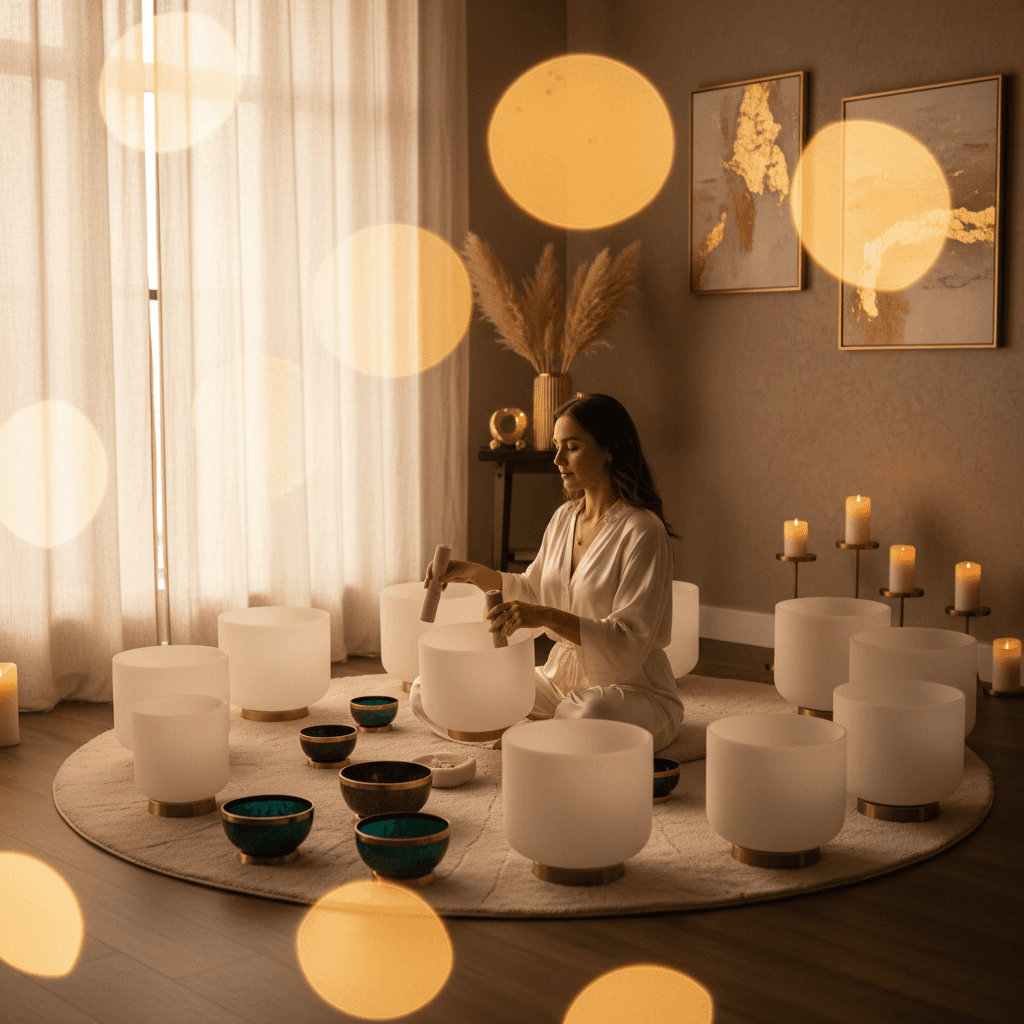
We employ an exquisite collection of instruments, including authentic Himalayan singing bowls, resonant gongs, precision-tuned tuning forks, and crystalline sound bowls. Each instrument is chosen for its specific frequency range and vibrational quality, which are believed to interact synergistically with the brain's natural rhythms. The deeply immersive soundscapes created during a Soul Art session are crafted to facilitate a state of deep meditative relaxation, a state where the brain can consolidate memories more effectively and prepare itself for new learning.
Larissa Steinbach curates each sound journey with a profound awareness of how sound frequencies can impact brainwave states and promote neural coherence. The subtle yet powerful vibrations are designed to gently guide the brain towards beneficial frequencies, supporting hippocampal activity and enhancing its interaction with other cortical areas. This nuanced application of sound helps to release mental tension, reduce cognitive load, and create a fertile ground for improved memory consolidation and recall. At Soul Art, we offer a complementary approach to nurturing cognitive resilience, supporting mental clarity, and fostering an enduring sense of well-being.
Your Next Steps
Embracing the principles of sound-enhanced memory formation doesn't require a radical overhaul of your daily routine. Small, consistent steps can make a significant difference in supporting your cognitive health. Integrating mindful practices that acknowledge the power of sound can prime your brain for better memory and overall mental clarity.
Here are some practical steps you can implement today to support your hippocampus and memory function:
- Mindful Listening: Dedicate a few minutes each day to truly listen to calming sounds—be it nature, soft instrumental music, or even the silence between thoughts. This can help quiet the mind, reduce stress, and encourage the brain's "ready-to-encode" state, making it more receptive to learning.
- Create a Tranquil Environment: Before engaging in tasks requiring focus or learning, intentionally create a serene auditory space. Minimize disruptive noises and consider incorporating gentle background sounds or ambient music that promotes concentration, rather than distraction.
- Prioritize Rest and Sleep: Remember that memory consolidation, particularly through sharp wave ripples in the hippocampus, largely occurs during sleep. Ensure you receive adequate, undisturbed rest to allow your brain to effectively process and store the day's information. Avoid exposure to unfamiliar sounds during sleep.
- Explore Sound Wellness: Consider integrating professional sound wellness practices into your self-care routine. Sessions like those offered at Soul Art are specifically designed to create an immersive, low-stress environment that may support optimal brain function and encourage deeper states of relaxation beneficial for memory.
- Engage Multiple Senses: When learning new information, try to engage as many senses as possible. Associating visual, spatial, and auditory cues with new data can strengthen the neuronal bundles that form memories, leveraging the hippocampus's multi-sensory integration capabilities.
By consciously incorporating sound and relaxation into your daily life, you embark on a proactive journey towards nurturing your cognitive well-being. Experience firsthand how the intentional use of sound can elevate your mental clarity and memory capabilities.
In Summary
The hippocampus stands as a cornerstone of our memory system, working dynamically with sound and brainwave activity to form and consolidate our experiences. Research consistently highlights that priming the hippocampus into a "ready-to-encode" state, supported by optimal brainwave frequencies and a calm environment, is crucial for robust memory formation. Sound, processed through the auditory cortex, acts as a powerful catalyst, influencing hippocampal activity and its intricate connections across the brain.
At Soul Art, Dubai, Larissa Steinbach meticulously translates these scientific insights into profoundly restorative sound wellness experiences. Through carefully curated soundscapes and intentional frequencies, our sessions are designed to gently guide your brain into a state of deep relaxation, fostering an environment where your hippocampus may thrive. Many people report that these complementary practices support enhanced mental clarity, reduced stress, and improved cognitive function, laying the groundwork for better memory in daily life. Discover the serene power of sound and unlock your mind's potential with Soul Art.
Bookings Coming Soon
Soul Art is still in preparation. Session details and booking will be published here after launch.
Coming Soon
Wellness Disclaimer: This article is for educational and informational purposes only. It does not constitute medical advice, diagnosis, or treatment. Soul Art Dubai provides non-medical wellness experiences focused on relaxation, stress management, and general wellbeing. Sound wellness is a complementary practice and should not replace professional medical care.
Related Articles

Cluster Headaches: Unveiling Pain and the Promise of Frequencies in Wellness

Epilepsy & Sound: Safety, Serenity, and Emerging Wellness Paths

Mastering Focus: Analytical Listening & Brain Engagement at Soul Art