Soothing the Amygdala: How Frequencies Calm Our Inner Alarm

Key Insights
Explore how specific sound frequencies interact with your brain's emotional center, the amygdala, to reduce stress and foster profound peace. Discover Soul Art's unique approach.
Have you ever noticed how certain sounds can instantly jolt you, triggering a cascade of tension, while others wrap you in an immediate sense of calm? This isn't just a matter of personal preference; it's a profound neurobiological response orchestrated by one of the brain's most ancient and powerful structures: the amygdala. This almond-shaped region, nestled deep within your temporal lobe, acts as your body's primary alarm system, constantly scanning for threats.
In our fast-paced world, this system is often on high alert, leading to chronic stress, anxiety, and a constant feeling of unease. The good news is that we hold the key to gently disarming this internal alarm, and it lies in the intentional use of sound. At Soul Art Dubai, founded by the visionary Larissa Steinbach, we delve into the sophisticated science of how carefully curated frequencies can soothe the amygdala, guiding you towards profound relaxation and emotional balance.
This article will explore the intricate dance between sound and your brain, revealing how specific frequencies can modulate the amygdala's activity, reduce stress hormones, and foster a state of deep inner peace. Join us as we uncover the scientific underpinnings of sound wellness and understand why embracing soothing frequencies is a powerful step towards enhanced well-being.
The Amygdala: Our Ancient Alarm System
The amygdala is a crucial component of our limbic system, a network of brain structures essential for emotion, motivation, and memory. Its primary role is to process emotionally salient stimuli, particularly those associated with fear and threat. When the amygdala perceives danger, it rapidly initiates the body's fight-or-flight response, preparing us to confront or escape perceived threats.
This primitive function is vital for survival but can become overactive in modern life, leading to persistent stress and anxiety. Research underscores the amygdala's pivotal role in how we react to sound. A study published in the Journal of Neuroscience by Newcastle University scientists illuminated the dynamic interaction between the amygdala and the auditory cortex, the brain region responsible for processing sound.
The Impact of Unpleasant Frequencies
The Newcastle study found that the activity of both the amygdala and the auditory cortex directly correlated with how unpleasant subjects rated various sounds. When exposed to highly unpleasant noises, such as a knife on a bottle, the amygdala effectively "takes charge," modulating the auditory cortex to heighten our perception of these disturbing sounds. This response is described as something "very primitive kicking in," a potential distress signal from the amygdala to the auditory cortex.
Scientists analyzed the acoustic features of these sounds and discovered that frequencies in the range of approximately 2,000 to 5,000 Hz were consistently perceived as unpleasant. Dr. Sukhbinder Kumar, the paper's author, explains that this is the frequency range where our ears are most sensitive. He suggests this sensitivity may have evolved because this range includes sounds like screams, which we intrinsically find unpleasant and which signal danger.
Understanding the brain's reaction to noise is not merely academic; it offers insights into conditions like hyperacusis (decreased sound tolerance), misophonia (a "hatred of sound"), and the heightened noise sensitivity often experienced by individuals with autism. These findings highlight the amygdala's powerful influence over our auditory experience and emotional state.
The Calming Counterpart: Soothing Frequencies and the Stress Response
If unpleasant sounds activate the amygdala and trigger distress, what happens when we introduce soothing frequencies? Emerging research suggests a remarkable counter-response. Intentional exposure to specific gentle frequencies can signal safety and comfort to the amygdala, promoting a state of relaxation and reducing the physiological markers of stress.
One compelling study explored the effect of 528 Hz music on the endocrine system and autonomic nervous system. Participants listened to soothing piano music tuned to either 528 Hz or 440 Hz. The results indicated that listening to the 528 Hz music was associated with a notable increase in mean levels of oxytocin, a hormone often dubbed the "love hormone" due to its role in social bonding and stress reduction.
Crucially, the study also observed a decrease in mean levels of cortisol, the body’s primary stress hormone. Researchers inferred that the 528 Hz music was likely transmitted to the amygdaloid body as a "pleasing sensation," leading to these beneficial hormonal changes. This suggests that specific frequencies can directly influence our internal biochemistry, fostering a sense of comfort and reducing stress at a fundamental level.
"Our brain is not just a passive receiver of sound; it's an active interpreter, and with intention, we can guide its interpretations towards peace and well-being."
Furthermore, research on noise stress has shown its detrimental effects on the amygdala. Prolonged exposure to noise has been associated with an increase in excitatory neurotransmitters like norepinephrine, histamine, taurine, and glutamine, which can "arouse" the mind and lead to wakefulness. More alarmingly, studies on the amygdala in stress response indicate that noise can induce neuroinflammatory accumulation and cellular damage in this crucial brain region. This suggests that while unpleasant noise can create a state of internal turmoil, soothing sound may offer a path to restore balance and mitigate inflammation.
Meditation, Sound, and Amygdala Modulation
The concept of calming the amygdala through intentional practices isn't new. Meditation, for instance, has long been recognized for its capacity to regulate emotional responses and promote mental resilience. Neuroimaging studies have provided concrete evidence of meditation's impact on brain structure and function, particularly concerning the amygdala.
Studies have shown that individuals who practice meditation regularly tend to have a smaller amygdala compared to non-meditators. A smaller amygdala may correlate with a reduced tendency to overreact or "freak out" in stressful situations. Longitudinal MRI studies have further supported this, revealing that even an eight-week meditation training program can lead to a noticeable reduction in amygdala size. This suggests that meditation actively reshapes the brain's emotional response center.
Beyond structural changes, meditation also influences brain wave activity within the amygdala. Research indicates a significant increase in the duration of gamma (ranging from 30 Hz to 55 Hz) oscillations in the amygdala during loving-kindness meditation. These fast gamma waves have been associated with heightened states of compassion, cognitive processing, and emotional integration. Conversely, a decrease in beta oscillations, which are linked to active, analytical thinking and sometimes anxiety, has been observed in the amygdala during meditation.
These findings strongly suggest that practices that induce meditative states, like sound wellness, can directly modulate amygdala activity. By engaging the brain with specific, soothing frequencies, we may be able to tap into similar neurophysiological pathways that promote calm, reduce stress, and foster a more resilient emotional landscape, complementing the established benefits of traditional meditation practices.
How It Works in Practice
Translating complex neuroscience into a tangible, transformative experience is at the heart of sound wellness. When you step into a Soul Art session, you are entering an environment meticulously designed to facilitate this deep neurological shift. It's more than just listening; it's an immersion.
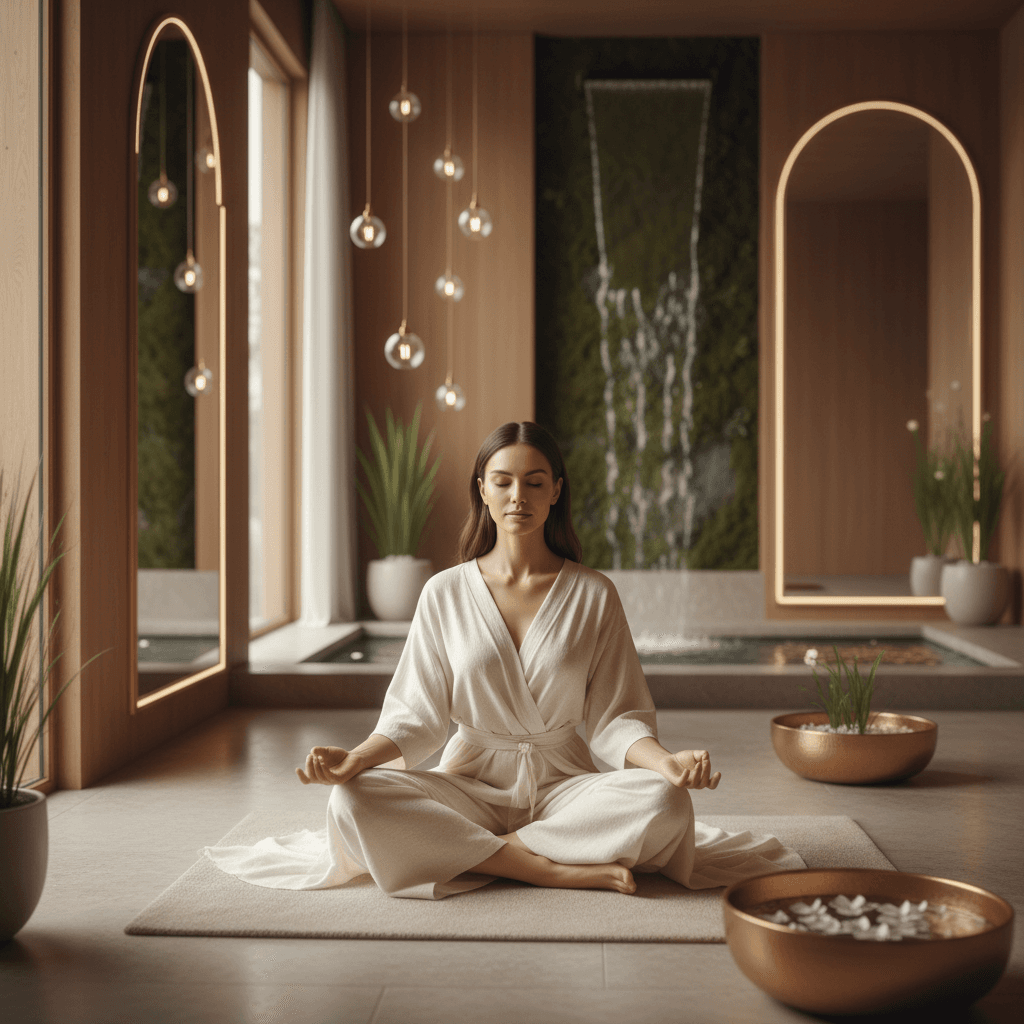
From the moment you arrive, the atmosphere is carefully curated to soothe the senses. Gentle lighting, a comfortable reclining position, and a serene ambiance create an immediate sense of safety. This initial sensory comfort helps to quiet the external chatter, allowing your nervous system to begin its natural down-regulation even before the first note is played. This mindful preparation is crucial, as a receptive state enhances the brain's ability to process soothing input.
As the carefully selected instruments begin to resonate – the deep hum of gongs, the shimmering tones of crystal singing bowls, the gentle sustain of chimes – specific frequencies wash over you. These sounds are not random; they are chosen for their harmonic qualities and their potential to encourage brainwave states associated with relaxation, such as alpha and theta waves. The consistent, rhythmic nature of these sounds provides a predictable, non-threatening auditory input that signals safety to your amygdala.
Many clients report a rapid transition from a state of mental busyness to one of profound calm. Initial tension often melts away, replaced by a feeling of lightness and openness. This experience is directly linked to the scientific principles discussed: as the amygdala receives these pleasing auditory sensations, it may reduce its vigilance, allowing the HPA (hypothalamic-pituitary-adrenal) axis to dial down the production of stress hormones like cortisol. Simultaneously, the brain may increase the release of beneficial neurotransmitters and hormones, such as oxytocin, which fosters feelings of connection and well-being.
The multi-sensory experience also extends beyond auditory input. The vibrations from the instruments are felt throughout the body, creating a subtle, internal massage that further promotes relaxation at a cellular level. This somatic sensation further reinforces the brain's perception of safety and comfort. This holistic approach ensures that every aspect of the experience is designed to gently guide your entire being into a state of deep rest and restorative balance.
The Soul Art Approach
At Soul Art, Larissa Steinbach and her team have cultivated a unique and deeply intentional approach to sound wellness. Drawing upon a profound understanding of acoustics, neuroscience, and ancient wisdom traditions, the Soul Art method is meticulously crafted to optimize the interaction between soothing frequencies and the brain's emotional centers. It is a harmonious blend of scientific precision and intuitive artistry, designed to offer a truly transformative experience.
The core of the Soul Art approach lies in the curated selection and skillful playing of resonant instruments. These include exquisite crystal singing bowls, powerful gongs, delicate chimes, and other therapeutic instruments, each chosen for its specific frequency spectrum and vibrational qualities. Larissa Steinbach understands that different frequencies elicit different responses, and she orchestrates them in a way that creates a deeply immersive and restorative soundscape. This thoughtful selection helps to bypass the analytical mind and speak directly to the emotional brain, fostering a sense of profound peace and safety.
Soul Art sessions are designed not just as passive listening experiences but as active journeys into self-discovery and inner calm. The intention behind each session is paramount. Every element, from the resonant frequencies to the studio's calming aesthetic, works in concert to create an environment where the amygdala can truly relax. The goal is to facilitate a re-patterning of the nervous system, helping individuals shift from a state of chronic stress to one of regulated tranquility.
The quiet luxury inherent in Soul Art's offering is about providing an unparalleled level of care and precision in every detail. It's about creating a sanctuary where you can truly disconnect from the external world and reconnect with your inner self. By focusing on specific frequencies that promote oxytocin release and cortisol reduction, and by encouraging brainwave states associated with deep relaxation, Soul Art helps clients experience tangible shifts in their emotional and physical well-being. This unique methodology reflects Larissa Steinbach's dedication to merging scientific insight with the art of sound healing, making Soul Art Dubai a premier destination for holistic wellness.
Your Next Steps
Embracing the power of soothing frequencies can be a profound step towards enhancing your daily well-being and cultivating greater emotional resilience. You don't need to be an expert in neuroscience to begin experiencing the benefits. Starting today, you can consciously integrate practices that support your amygdala and nervous system.
Here are a few actionable steps you can take to begin your journey:
- Mindful Listening: Pay attention to the sounds in your environment. Notice which sounds elevate your stress and which bring you a sense of calm. Consciously seek out calming natural sounds, like flowing water or gentle music, when you feel overwhelmed.
- Create Your Sound Sanctuary: Dedicate a specific time each day for intentional listening to calming music or soundscapes. This could be soft instrumental music, binaural beats, or nature sounds known to promote relaxation.
- Observe Your Body's Response: Practice tuning into your physiological reactions to different sounds. Notice how your breathing, heart rate, and muscle tension change. This awareness helps you understand your personal triggers and soothers.
- Explore Frequencies: Research and experiment with sounds and music known for their soothing qualities, such as specific hertz frequencies like 528 Hz, often associated with relaxation.
- Experience Guided Sound Wellness: For a deeper, professionally guided experience, consider visiting a dedicated sound wellness studio. The expertise in curating frequencies and creating an optimal environment can significantly amplify the benefits.
By proactively incorporating soothing frequencies into your life, you are actively supporting your nervous system, fostering emotional balance, and creating a more peaceful inner landscape. It's an accessible yet powerful self-care practice that can significantly contribute to your overall health and happiness.
In Summary
The amygdala, our brain's critical emotional hub, plays a powerful role in how we perceive and react to sound, often acting as an alarm system that can become overactive in modern life. Scientific research clearly demonstrates that while unpleasant frequencies can heighten its activity and trigger distress, specific soothing frequencies have the remarkable capacity to calm this ancient alarm. These harmonious sounds can encourage beneficial hormonal changes, such as increased oxytocin and reduced cortisol, promoting a profound sense of relaxation and safety.
Soul Art Dubai, under the thoughtful guidance of Larissa Steinbach, expertly harnesses this neuroscientific understanding to craft immersive sound wellness experiences. Through carefully chosen instruments and an intentionally calming environment, Soul Art offers a pathway to modulate the amygdala, ease stress, and foster a more resilient emotional state. We invite you to explore this transformative practice and discover the deep peace that awaits when your inner alarm is gently soothed.
Bookings Coming Soon
Soul Art is still in preparation. Session details and booking will be published here after launch.
Coming Soon
Wellness Disclaimer: This article is for educational and informational purposes only. It does not constitute medical advice, diagnosis, or treatment. Soul Art Dubai provides non-medical wellness experiences focused on relaxation, stress management, and general wellbeing. Sound wellness is a complementary practice and should not replace professional medical care.
Related Articles

Cluster Headaches: Unveiling Pain and the Promise of Frequencies in Wellness

Epilepsy & Sound: Safety, Serenity, and Emerging Wellness Paths
Mastering Focus: Analytical Listening & Brain Engagement at Soul Art