Teen Sleep: Navigating the Biological Shift for Optimal Well-being
Key Insights
Explore the science behind teen sleep patterns with Soul Art Dubai. Understand circadian shifts, sleep pressure, and actionable steps for improved adolescent wellness.
Unveiling the Enigma: Why Teens Are Wired Differently for Sleep
Imagine trying to function optimally when your internal clock insists it's still the middle of the night, even as the alarm blares for school. This isn't laziness; for many adolescents, it's a profound biological reality. Teenagers are navigating a fascinating, yet challenging, period of rapid growth and development, and their sleep patterns undergo a fundamental, often misunderstood, shift.
At Soul Art, Dubai's premier sound wellness studio founded by Larissa Steinbach, we delve into the scientific intricacies of well-being, including the vital role of sleep. Understanding these innate biological changes is the first step toward fostering healthier sleep habits and supporting the holistic development of our youth. This article will unravel the science behind adolescent sleep, its practical implications, and how a mindful approach can offer valuable support.
Unraveling the Adolescent Sleep Enigma: The Science Behind the Shift
Adolescence is a transformative period, marked by significant physical, emotional, and cognitive changes. Underlying these external shifts are profound biological alterations, particularly concerning sleep. Scientific research unequivocally demonstrates that teenagers are not simply choosing to stay up late; their bodies are actively wired for a later sleep schedule.
Circadian Rhythm Reimagined: The 'Night Owl' Phenomenon
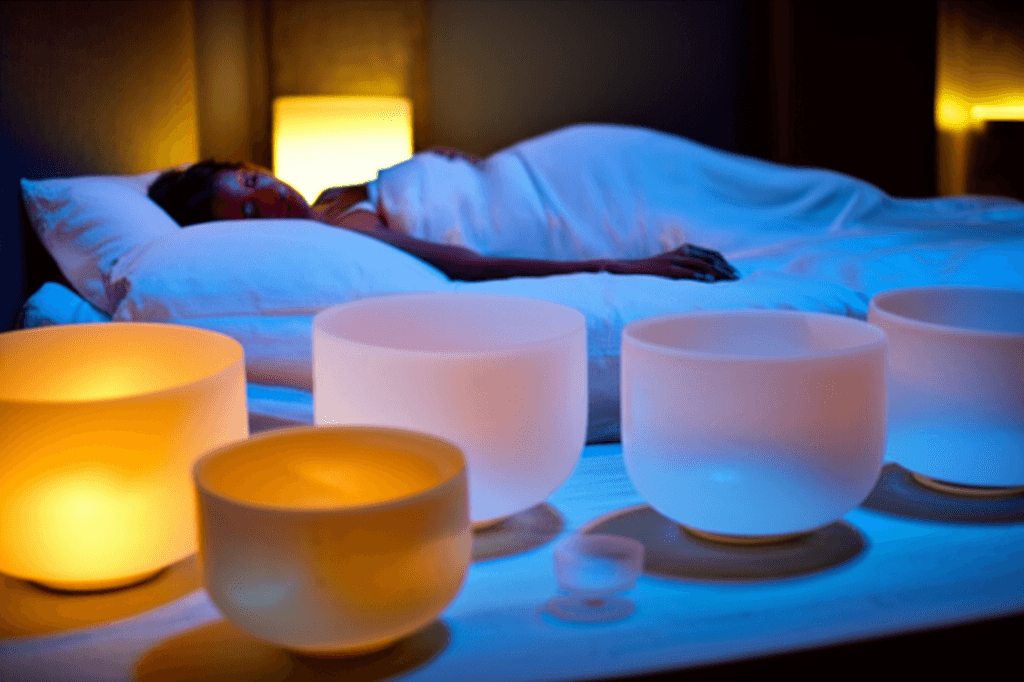
The most impactful biological change in adolescent sleep is a significant delay in their circadian rhythm, the body's internal 24-hour clock. Unlike children or adults, teens experience a natural shift that makes it harder for them to fall asleep early, even when physically tired. This means that the optimal time for a teenager to feel sleepy can be up to two hours later than during their elementary school years.
As researcher Casement explains, "Instead of being a morning lark you're going to become more of a night owl." This shift in chronotype is not just a preference; it's a developmental change that keeps progressively delaying until around age 18 to 20, after which individuals typically start shifting back towards being more morning-oriented. This natural nocturnal inclination is further evidenced by a delayed timing of melatonin secretion, the hormone that signals the body it's time to sleep. Studies show this delay in melatonin, a biological marker of the internal circadian clock, is characteristic of human adolescence.
This phenomenon is not unique to humans. A review by Hagenauer et al. identified several mammalian species, including rhesus macaques and various rodents, that display similar features of delayed circadian phase around the time of puberty. This robust cross-species evidence strongly suggests that the delayed timing of sleep during human adolescence represents a fundamental, biological developmental change common across many mammals. It’s an evolutionary adaptation, rather than merely a social trend.
The Homeostatic Process: Slowed Sleep Pressure Build-up
Beyond the circadian rhythm, another critical aspect of adolescent sleep biology is the homeostatic process, often referred to as "sleep pressure." This is the drive to sleep that builds up the longer we are awake. While sleep need remains consistently high for adolescents—approximately eight to ten hours each night for healthy development—the rate at which this sleep pressure accumulates slows down during these years.
Current research indicates that sleep's recovery system is not noticeably modified across adolescent development, meaning the overall need for sleep remains stable. However, evidence suggests that adolescent development is accompanied by a slowed buildup rate of sleep pressure across the waking hours. This slowing of sleep pressure accumulation makes it easier for teens to stay awake longer, even when their bodies require rest.
This combination of a delayed circadian rhythm (making them night owls) and a slower accumulation of sleep pressure (allowing them to stay awake longer) creates a biological predisposition for later bedtimes. Understanding these dual biological forces is crucial for parents, educators, and anyone working with adolescents, as it reframes what might seem like defiance into a physiological reality.
The Impact of Early School Start Times
Despite these compelling biological realities, many adolescents face a significant social challenge: early school start times. Experts have found that a combination of early school hours, bus times, and extracurricular activities, clashing with the biological drive to fall asleep and wake up later, causes high levels of sleep deprivation in high school students. The consequences are far-reaching.
Research from the University of Washington found that when two Seattle high schools shifted their start times later, students gained a median of 34 minutes of sleep each night. Crucially, the study, which used wrist activity monitors rather than just self-reported data, revealed that students did not stay up significantly later; they simply slept in longer, consistent with their natural biological rhythms. This boosted total sleep on school nights from a median of six hours and 50 minutes to seven hours and 24 minutes, still shy of the recommended 8-10 hours, but a significant improvement.
As lead author Gideon Dunster notes, "All of the studies of adolescent sleep patterns in the United States are showing that the time at which teens generally fall asleep is biologically determined — but the time at which they wake up is socially determined." This disconnect has severe consequences, as disrupted circadian rhythms can adversely affect digestion, heart rate, body temperature, immune system function, attention span, and mental health. The ScienceDaily study highlights that students who engaged in significant "weekend catch-up sleep" (sleeping more on weekends than weekdays) reported lower emotional well-being and were more likely to show symptoms of depression.
For teens facing early school bells, physiological sleepiness in the mornings is profound. Some studies show many students with early start times (e.g., 7:20 a.m.) had an elevated rate of REM sleep and fell asleep within five minutes during morning sleep tests. As one expert starkly put it, "For these kids, biological night is 8:30 a.m., when they are in second-period class." This makes intellectual engagement incredibly challenging and raises serious safety concerns for those who drive to school while drowsy.
Beyond the Biology: Real-World Implications for Teen Well-being
The scientific understanding of adolescent sleep shifts paints a clear picture of why teenagers struggle with early mornings and late nights. This isn't merely about feeling a bit tired; it's about a pervasive, chronic sleep deficit that can profoundly impact every aspect of their lives. The real-world implications extend far beyond simple fatigue, affecting academic performance, emotional regulation, physical health, and even safety.
When teens consistently get less sleep than the recommended 8-10 hours, they accumulate a sleep debt. This debt manifests as increased daytime sleepiness, difficulty concentrating in class, and impaired cognitive function. Research shows that poor sleep quality is positively associated with anxiety and depressive symptoms among teens. A 2016 study found that poor sleep quality significantly mediated the relationship between age and depressive symptoms, suggesting a direct link between insufficient rest and rising mental health challenges during adolescence.
The cycle of sleep deprivation is often exacerbated by social factors. Just as adolescent brains are shifting to a later natural bedtime, they are also becoming more sensitive to external influences. Digital screens, with their blue light emissions, can further suppress melatonin production, pushing bedtimes even later. This creates a challenging loop where biological wiring, social demands, and modern technology conspire to disrupt essential rest.
Chronic sleep deprivation also has tangible effects on physical health and behavior. It has been linked with increased risk-taking behaviors, as neuroscience research (fMRI) has found an association between poor sleep quality and greater risk-taking on behavioral tasks. The increased risk of accidents due to drowsiness, particularly for teenage drivers, becomes a serious concern. Moreover, disrupted circadian rhythms can adversely affect digestion, heart rate, body temperature, and immune system function, compromising overall well-being.
"The challenge isn't to force teens into an 'adult' sleep schedule, but to understand and adapt to their natural biological rhythms, creating environments that support rather than disrupt their innate need for rest."
The "weekend lag," where teens sleep significantly longer on weekends to catch up, is a clear indicator of chronic sleep deprivation during the school week. While it might seem beneficial, this inconsistent sleep schedule further disrupts the circadian rhythm, making it even harder for the body to establish a healthy rhythm for the upcoming week. This pattern is particularly pronounced in communities with early middle and high school start times, underscoring how school schedules often drive the sleep patterns of many adolescents, rather than their biological needs.
Harmonizing Rhythms: Larissa Steinbach's Soul Art Method
Understanding the profound biological shifts in adolescent sleep patterns is the first step; the next is to explore supportive practices that can help. At Soul Art, Larissa Steinbach and her team recognize that while sound wellness doesn't "cure" sleep disorders, it can offer a powerful complementary approach to managing the stress and nervous system dysregulation often associated with chronic sleep deprivation. Our approach is rooted in creating an environment conducive to deep relaxation and natural balance.
Larissa Steinbach, with her deep expertise in sound and vibrational therapies, designs experiences that gently guide the body and mind into a state of profound calm. This is particularly valuable for adolescents whose nervous systems may be overstimulated by academic pressures, social demands, and constant digital exposure, all of which interfere with the natural winding-down process necessary for sleep. By mitigating this external stimulation, sound wellness may support the body's intrinsic ability to prepare for rest.
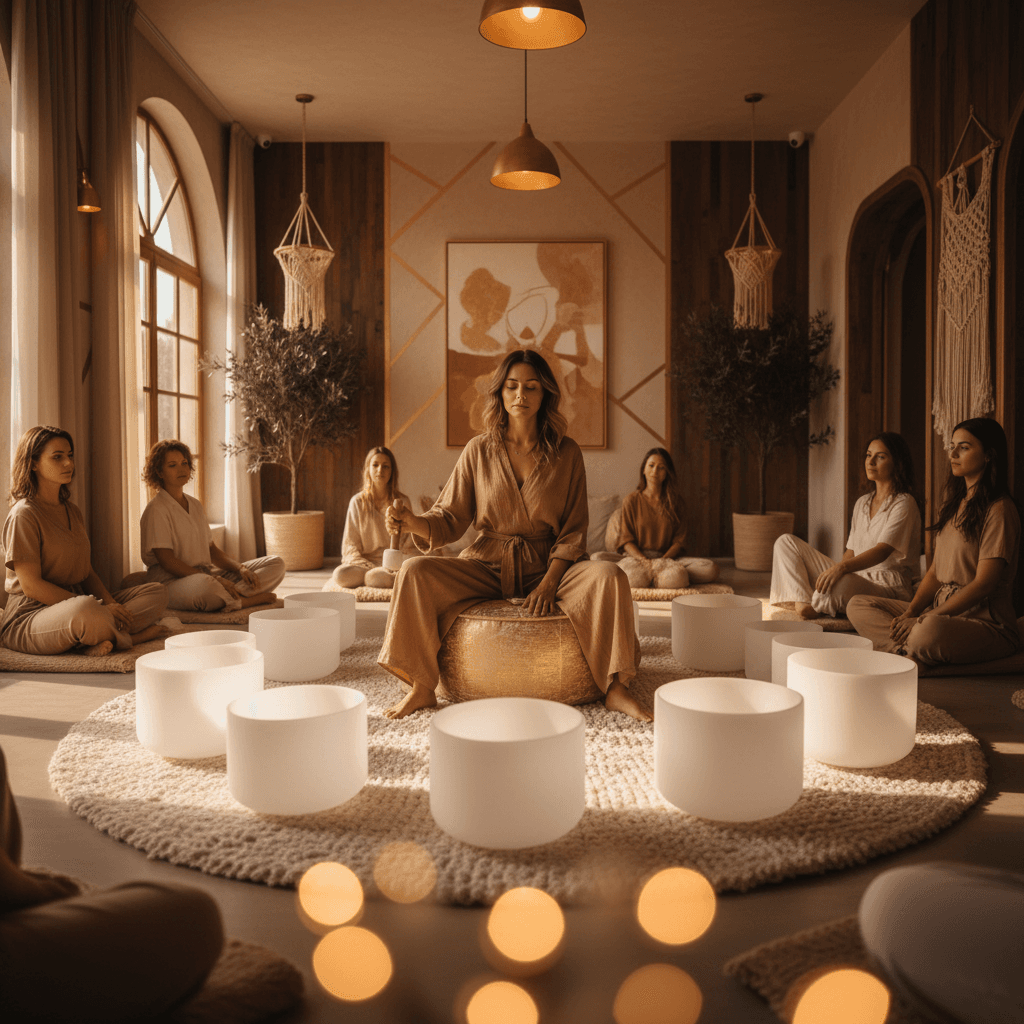
The Soul Art method integrates specific instruments like Tibetan singing bowls, crystal bowls, gongs, and chimes, carefully chosen for their unique vibrational frequencies. These instruments produce deeply resonant sounds that can help to quiet the mental chatter and soothe the physiological responses to stress. Many people report that these harmonious vibrations facilitate a state akin to meditation, where the mind becomes still and the body relaxes deeply.
For adolescents navigating a biologically delayed sleep phase, sound wellness offers a pathway to unwinding and de-stressing, which can be crucial in the hours leading up to bedtime. It's a holistic wellness practice that does not aim to alter biological clocks directly, but rather to enhance the body's natural capacity for relaxation and recovery. By supporting the nervous system, Soul Art sessions may make it easier for teens to transition from an active, stimulated state to one more conducive to sleep, even if their natural bedtime is later. It provides a sanctuary where the pressure of the day can dissipate, allowing for a gentler embrace of the evening hours.
Cultivating Rest: Actionable Strategies for Teens and Families
Navigating the unique sleep landscape of adolescence requires understanding, patience, and proactive strategies. While the biological shift is undeniable, there are many practical steps teens and their families can take to support healthier sleep patterns and overall well-being. Remember, these are wellness practices aimed at improving relaxation and reducing stress, complementing any necessary medical advice.
Here are some actionable strategies for cultivating better sleep:
- Prioritize Consistent Sleep Schedules (Even on Weekends): While catching up on sleep can feel necessary, wide fluctuations between weekday and weekend sleep times (known as "social jet lag") can further disrupt circadian rhythms. Encourage a consistent bedtime and wake-up time, ideally with no more than a one-hour difference on weekends, to help regulate their internal clock.
- Create a Conducive Sleep Environment: Ensure the bedroom is dark, quiet, and cool. Blackout curtains can be invaluable for blocking morning light, which might otherwise signal the body to wake up prematurely. Avoiding bright lights, especially blue light from screens, in the hour or two before bed can help melatonin production.
- Mindful Digital Detox: The blue light emitted by smartphones, tablets, and computers can significantly delay melatonin release, making it harder to fall asleep. Establish a "digital curfew" where all screens are put away at least 60-90 minutes before the desired bedtime. This provides a crucial window for the brain to unwind.
- Incorporate Relaxation Techniques: Engaging in calming activities before bed can signal to the body that it's time to transition to sleep. This could include reading a physical book, taking a warm bath, gentle stretching, or listening to soothing music. For a deeper experience, exploring sound wellness sessions like those offered by Larissa Steinbach at Soul Art can be a profound way to relax the nervous system.
- Prioritize Physical Activity and Sunlight Exposure: Regular physical activity can improve sleep quality, but avoid intense exercise too close to bedtime. Morning exposure to natural light helps reinforce a healthy circadian rhythm, signaling to the body that the day has begun.
By implementing these strategies, families can create an environment that acknowledges and supports the unique biological needs of adolescents. If you or your teen are seeking tools for enhanced relaxation and stress management to support these new routines, we invite you to explore the unique offerings at Soul Art.
Embracing the Shift: A Path to Healthier Teen Sleep
The journey through adolescence is complex, and understanding its unique biological rhythms, especially concerning sleep, is fundamental to supporting young people's health and happiness. We've explored how teenagers naturally become "night owls" due to a delayed circadian rhythm and how their slowed accumulation of sleep pressure makes it easier to stay awake longer. These innate biological shifts, when coupled with early school start times and modern digital influences, contribute to widespread sleep deprivation with significant consequences for mental, physical, and academic well-being.
At Soul Art, Larissa Steinbach and her team offer a supportive approach that acknowledges these realities. While not a medical treatment, our sound wellness experiences are designed to foster deep relaxation, regulate the nervous system, and reduce stress. This can create a more harmonious internal environment, complementing healthy sleep practices and potentially making it easier for teens to unwind and transition into rest. Embracing these biological truths and adopting supportive wellness strategies is crucial for empowering adolescents to achieve the restorative sleep they need to thrive.
Bookings Coming Soon
Soul Art is still in preparation. Session details and booking will be published here after launch.
Coming Soon
Wellness Disclaimer: This article is for educational and informational purposes only. It does not constitute medical advice, diagnosis, or treatment. Soul Art Dubai provides non-medical wellness experiences focused on relaxation, stress management, and general wellbeing. Sound wellness is a complementary practice and should not replace professional medical care.
Related Articles
Moving Home: How Sound Wellness Supports Child Adaptation
Sound Wellness for Sibling Adjustment: Nurturing Family Harmony

Teen Identity & Sound: Self-Discovery for Adolescents at Soul Art Dubai