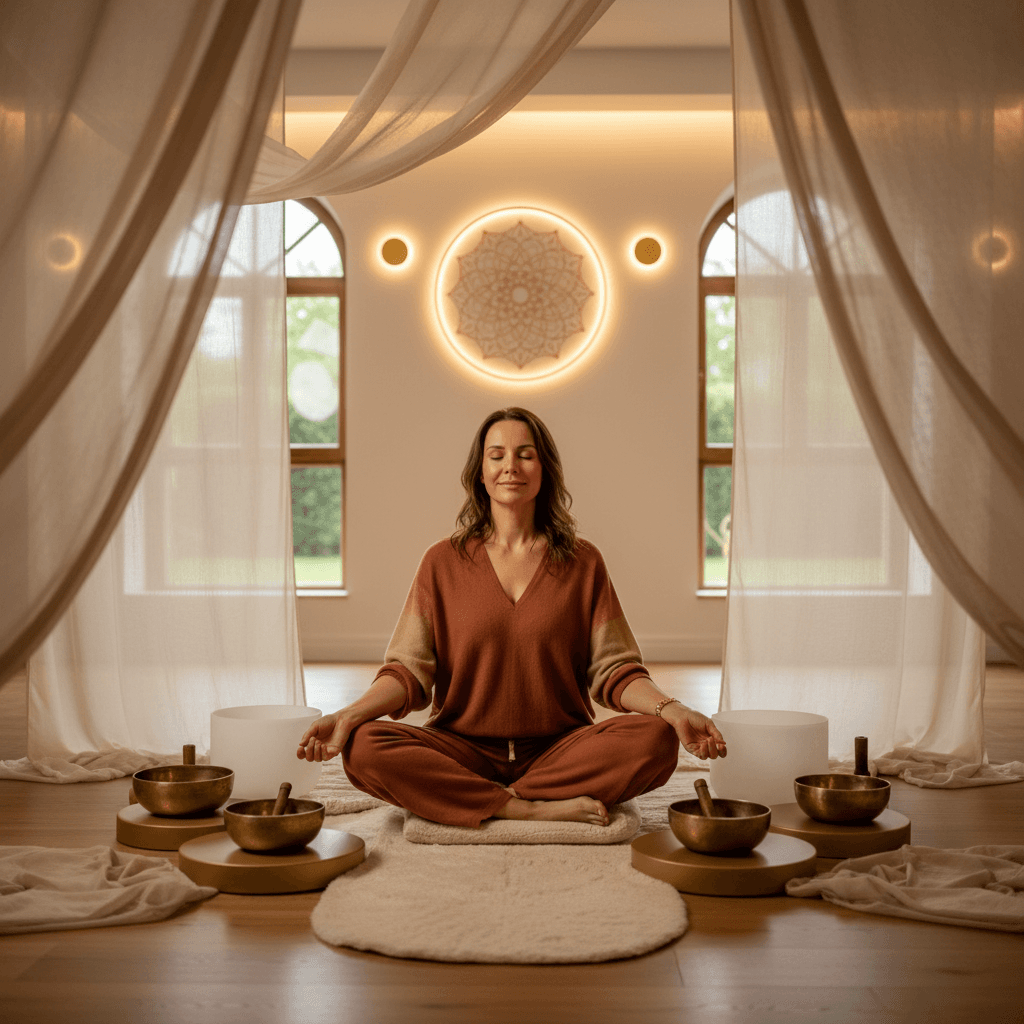
Sound Wellness for Tech Burnout: Reclaiming Focus & Calm
Key Insights
Discover how sound wellness at Soul Art Dubai, founded by Larissa Steinbach, helps tech professionals combat digital burnout, restore focus, and find calm amidst demanding careers.
Compelling Introduction
Did you know that two in five tech workers are at high risk of burnout, with many feeling physically and emotionally drained by the end of each workday? This alarming statistic, highlighted by mental wellbeing platform Yerbo, underscores a "burnout crisis" sweeping through the digital industry. The relentless pace, increasing demands, and constant connectivity are taking a significant toll on the well-being of IT professionals worldwide.
This article delves into the profound challenges faced by tech workers, exploring the scientific basis of digital burnout and its pervasive impact on mental and physical health. We will uncover how the innovative practice of sound wellness offers a powerful, scientifically-grounded complementary approach to mitigate these effects. From understanding the brain's response to chronic stress to experiencing the restorative power of therapeutic sound, you will gain insights into reclaiming your calm and focus.
At Soul Art, Dubai's premier sound wellness studio, Larissa Steinbach and her team are dedicated to providing a sanctuary for professionals navigating the complexities of the digital age. Through carefully curated sound experiences, we aim to support your nervous system's recovery, enhance cognitive clarity, and foster a deeper sense of inner peace. This journey is not just about relaxation; it is about building resilience and sustaining your well-being in a demanding industry.
The Silent Epidemic: Understanding Digital Burnout
The technology industry, often lauded for its innovation and rapid growth, harbors a significant silent crisis: widespread burnout among its workforce. This phenomenon is not merely about feeling tired; it is a complex syndrome recognized by the 11th Revision of the International Classification of Diseases (ICD-11) as an occupational phenomenon, characterized by profound exhaustion, increased mental distance from one's job, or feelings of negativism or cynicism related to one's job, and reduced professional efficacy.
What is Burnout in the Digital Age?
Burnout in the digital age is exacerbated by factors unique to the tech environment. A study of over 36,200 IT professionals across 33 countries revealed that chronic workplace stress and exhaustion are hammering IT workers, with two in five facing a high risk of burnout. This leads to detrimental outcomes such as loss of motivation, disengagement, high staff turnover, absenteeism, and even increased vulnerability to cyberattacks for organizations.
The Spiceworks Community, a hub for IT professionals, confirms that burnout is rampant, citing heavy workloads, feelings of being undervalued, and inadequate leadership as primary culprits. CIO data further illustrates this, with more than half of IT workers (58%) reporting feeling overwhelmed by daily responsibilities. They often find themselves supporting only 85% of incoming requests and taking on tasks outside their job descriptions, including cybersecurity issues and budget constraints.
The pervasive "always-on" culture is a major contributor. Calm’s research indicates that 58% of employees feel constantly connected or available for work, and 46% frequently work outside traditional hours. This blurring of work-life boundaries, intensified by digital tools and mobile internet, leads to what researchers call "seamlessness," resulting in heightened work stress and emotional fatigue. For women in tech, the risk is even greater, with 46% at high burnout risk compared to 38.2% of men, possibly due to the combined burden of work and household responsibilities, as well as pressure to perform in a male-dominated field.
The Physiological Toll of Technostress
The constant demands of the digital workplace don't just affect our minds; they leave a significant physiological footprint. This cumulative stress is often termed technostress, defined as the struggle to cope with technology in the workplace, leading to strain and exhaustion. Research in Frontiers shows that technostress is associated with objective biomarkers such as increased levels of cortisol – the body's primary stress hormone – and elevated blood pressure.
Chronic stress from digital engagement keeps the body in a prolonged state of "fight or flight." This activates the sympathetic nervous system, increasing heart rate, tensing muscles, and diverting energy from restorative processes. Over time, this sustained activation depletes the body's resources, leading to a cascade of negative health outcomes. Spiceworks references scientific papers linking burnout to serious conditions including coronary heart disease, hypercholesterolemia, musculoskeletal pain, neck-shoulder pain, back pain, prolonged fatigue, headaches, insomnia, depression, and even early death.
"The pressure of working against the clock to feed the global tech frenzy often force employees to work late hours, leaving little time for personal life and creating work-life conflicts." – Yerbo's The State of Burnout in Tech report
Furthermore, the continuous connection facilitated by digital devices means an increased level of real-time information flow, making it difficult for many to relax once the workday is over. More than half of tech workers (56%) reported an inability to relax after work, with 62% feeling physically and emotionally drained. This constant state of vigilance can lead to an inability to switch off, manifesting as anxiety and difficulty disengaging from work-related thoughts, further perpetuating the cycle of burnout.
The Brain on Overload: Why Rest is Critical
Our brains are designed for periods of activity followed by periods of rest. However, in the tech industry, the persistent demands can disrupt this natural rhythm. The constant cognitive load, rapid problem-solving, and continuous learning required in tech roles keep the brain in a highly alert state, often in beta brainwave frequencies. This sustained state prevents the brain from entering the more relaxed alpha and theta states, which are crucial for creative thinking, memory consolidation, and deep rest.
Burnout, characterized by cognitive impairment and a lack of enthusiasm, directly impacts productivity and decision-making. When the brain is overloaded, its executive functions – responsible for planning, problem-solving, and attention – become compromised. This makes it harder to focus, leads to increased errors, and diminishes overall job performance. The long-term consequences are profound, affecting not just career trajectory but overall quality of life.
The antidote to this chronic overload lies in activating the parasympathetic nervous system, often referred to as the "rest and digest" system. This system promotes relaxation, slows heart rate, aids digestion, and allows the body to repair and restore itself. Intentional practices that encourage this shift are not luxuries; they are fundamental necessities for tech professionals striving for sustainable well-being and peak performance in a high-demand environment.
Reclaiming Calm: How Sound Wellness Supports Recovery
Amidst the relentless pace and cognitive demands of the digital world, sound wellness emerges as a potent complementary practice to address the multifaceted challenges of tech burnout. This ancient yet scientifically resonant approach offers a unique pathway to guide the overstimulated nervous system back to a state of equilibrium, fostering deep relaxation and facilitating recovery.
The core principle behind sound wellness is its ability to influence our brainwave states and physiological responses through vibration and auditory stimulation. Our brains naturally synchronize with external rhythmic stimuli, a phenomenon known as brainwave entrainment. When exposed to specific low-frequency sounds, the brain can transition from the alert beta state, typical of digital work, to more relaxed alpha (associated with calm alertness) and theta (associated with deep relaxation, meditation, and creativity) states. This shift is crucial for mitigating the effects of technostress and promoting mental restoration.
The Experience of Immersive Sound
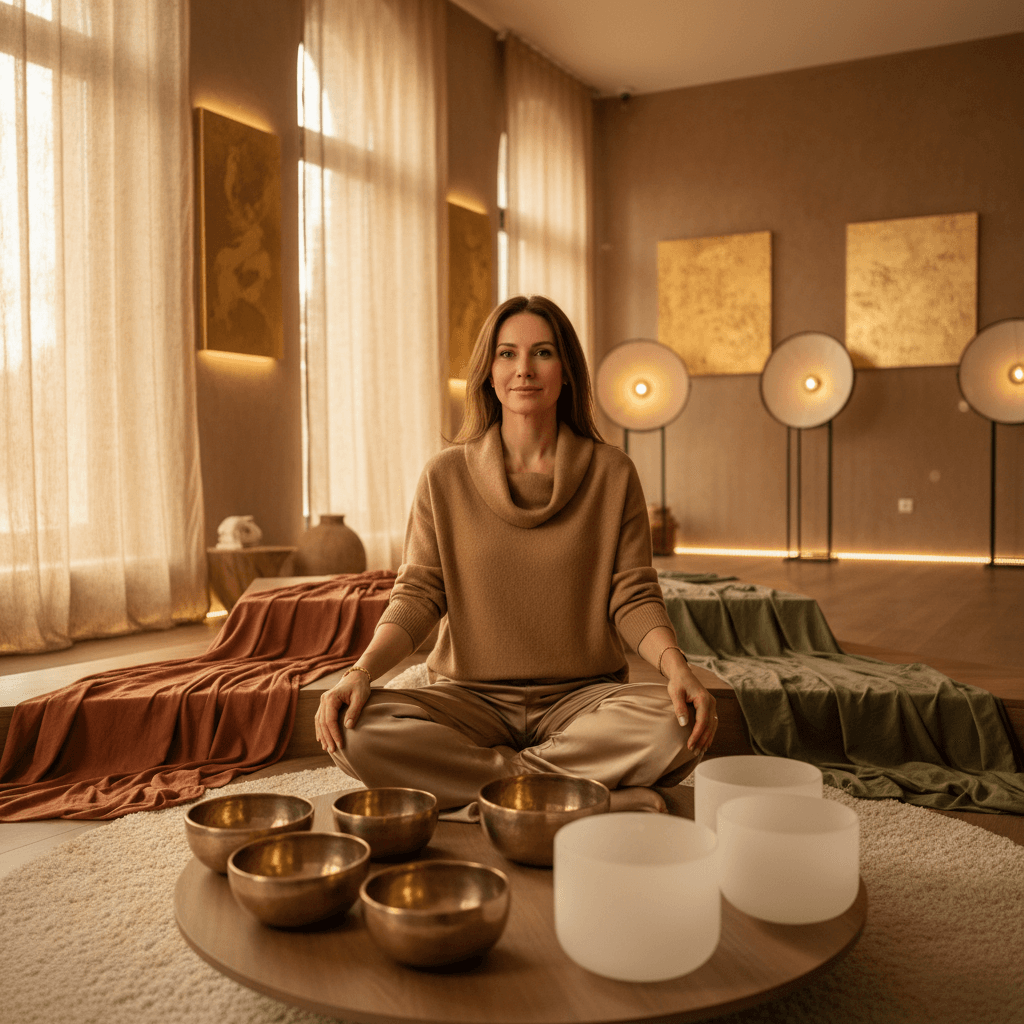
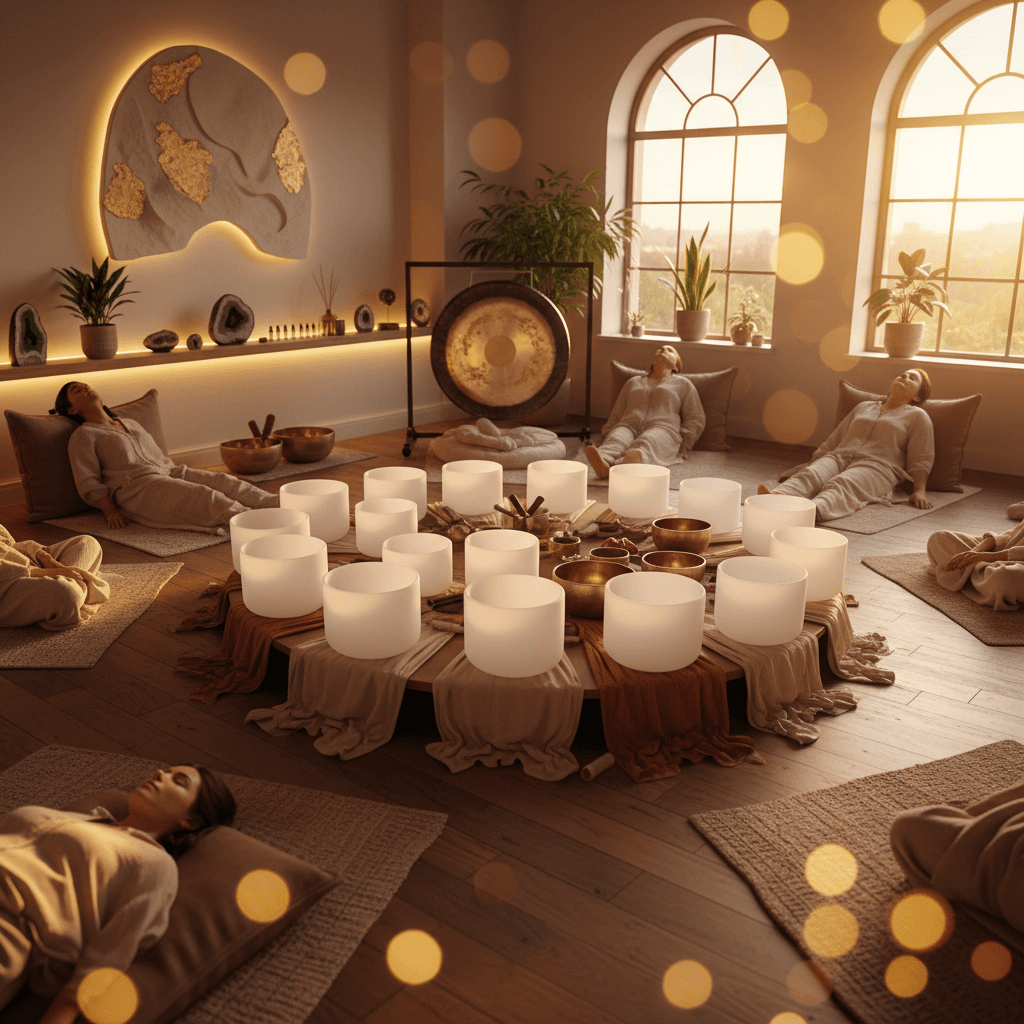
During a sound wellness session, clients at Soul Art step into an environment carefully curated to facilitate profound relaxation. The experience transcends mere listening; it is a full-body immersion in therapeutic sound. Instruments like Tibetan singing bowls, crystal bowls, and gongs are played with intention, producing resonant frequencies and palpable vibrations that permeate the space. These vibrations are not just heard but felt, gently massaging the body at a cellular level, helping to release tension and stress.
As the session unfolds, many clients report a distinct slowing of their heart rate and a deepening of their breath, immediate physiological indicators of the parasympathetic nervous system engaging. The gentle, sustained tones encourage the mind to quiet, reducing the incessant mental chatter and cognitive overload so common in tech professionals. This creates a mental spaciousness, allowing for a break from critical thinking and problem-solving, which are often at the root of chronic stress.
The immediate benefits often include a profound sense of peace and tranquility, improved mental clarity, and a noticeable reduction in physical tension. Over time, consistent engagement with sound wellness practices may support improved sleep quality, enhanced emotional regulation, and a greater capacity for focused attention. By regularly guiding the brain into these restorative states, sound wellness acts as a powerful tool for retraining the nervous system, helping individuals build resilience against future stressors and maintain a balanced state of well-being even amidst demanding digital work environments.
The Soul Art Signature: A Curated Journey to Inner Peace
At Soul Art, Larissa Steinbach has meticulously developed a sound wellness methodology designed to meet the specific needs of modern professionals, particularly those grappling with the unique pressures of the tech industry. Our approach is not merely about playing instruments; it is about creating a transformative experience that leverages the therapeutic power of sound to restore balance and foster inner harmony.
Larissa Steinbach, with her profound understanding of both ancient sound traditions and contemporary neuroscience, guides each session with intuitive expertise. She orchestrates a symphony of healing vibrations, carefully selecting instruments and techniques to elicit specific beneficial responses. The Soul Art method distinguishes itself through its intentional design, aiming to provide a deep reset for the nervous system, which is often in overdrive due to constant digital stimulation.
Our studio incorporates a diverse array of sacred and resonant instruments, each chosen for its unique vibratory qualities. Tibetan singing bowls, known for their rich, earthy tones and sustained vibrations, work deeply within the body to release physical and energetic blockages. Crystal singing bowls, with their ethereal, pure frequencies, often resonate with specific energy centers, promoting emotional release and mental clarity. The deep, enveloping sounds of gongs create a powerful sonic immersion that can facilitate profound states of relaxation, guiding the mind into meditative and even dream-like states.
What makes Soul Art truly unique is the personalized attention and the serene, luxurious environment cultivated for each session. We understand that tech workers often operate in fast-paced, high-stress environments. Therefore, our space is designed as a sanctuary – a tranquil haven away from the digital noise. Larissa's mindful guidance ensures that even those new to sound wellness can surrender to the experience, allowing the sound frequencies to gently recalibrate their mind, body, and spirit. The goal is to not just offer temporary relief but to equip individuals with a sustainable practice for ongoing self-care, enhancing their capacity for focus, creativity, and sustained well-being in their professional and personal lives.
Cultivating Resilience: Your Path to Sustainable Well-being
Addressing digital burnout requires a multi-faceted approach, and incorporating proactive wellness strategies is paramount for tech professionals. Beyond individual sessions, cultivating resilience involves integrating mindful practices into your daily life to counteract the pervasive effects of technostress. Making intentional choices about how you engage with technology and prioritize your well-being can lead to sustainable improvements in your overall health and productivity.
Here are some actionable steps you can implement starting today to build resilience and mitigate burnout:
- Establish Digital Boundaries: Consciously set times to disconnect from work devices and notifications. Create a "digital curfew" before bedtime to improve sleep quality, as constant connection has been shown to blur work-life boundaries and increase stress.
- Take Micro-Breaks: Integrate short, mindful pauses throughout your workday. Step away from your screen, stretch, practice deep breathing exercises, or simply look out a window for a few minutes. These small breaks can prevent cognitive overload and refresh your focus.
- Prioritize Sleep Hygiene: Optimize your sleep environment and routine. Consistent sleep is fundamental for brain recovery and emotional regulation, directly combating the exhaustion associated with burnout.
- Explore Complementary Wellness Practices: Beyond sound wellness, consider practices like meditation, yoga, or spending time in nature. These activities engage the parasympathetic nervous system, promoting relaxation and stress reduction.
- Engage in Restorative Sound Wellness: Regularly attend sound bath sessions at Soul Art. These dedicated periods of immersive relaxation provide a powerful opportunity for your nervous system to reset, reduce accumulated stress, and restore mental clarity.
Investing in your well-being is not a luxury; it's a strategic necessity for longevity and success in the demanding tech industry. By proactively integrating these practices, you can cultivate a stronger, more resilient self capable of thriving amidst digital pressures.
Bookings Coming Soon
Soul Art is still in preparation. Session details and booking will be published here after launch.
Coming Soon
In Summary: Reclaiming Your Well-being in the Digital Era
The tech industry, for all its advancements, faces a pressing burnout crisis, characterized by chronic stress, exhaustion, and a blurred line between work and personal life. The physiological and psychological toll of this digital overload is significant, impacting everything from mental clarity to long-term health. Recognizing the signs and implementing proactive wellness strategies are vital for professionals in this demanding sector.
Sound wellness offers a profound, scientifically-grounded complementary approach to counteract these effects. By gently guiding the brain into restorative states and activating the parasympathetic nervous system, practices like those offered at Soul Art by Larissa Steinbach may support deep relaxation, stress reduction, and enhanced cognitive function. It is a powerful tool for cultivating resilience and sustaining your well-being amidst continuous digital demands.
We invite you to experience the transformative power of sound. Reclaim your focus, restore your inner calm, and embark on a journey of holistic well-being with Soul Art.
Wellness Disclaimer: This article is for educational and informational purposes only. It does not constitute medical advice, diagnosis, or treatment. Soul Art Dubai provides non-medical wellness experiences focused on relaxation, stress management, and general wellbeing. Sound wellness is a complementary practice and should not replace professional medical care.
Related Articles
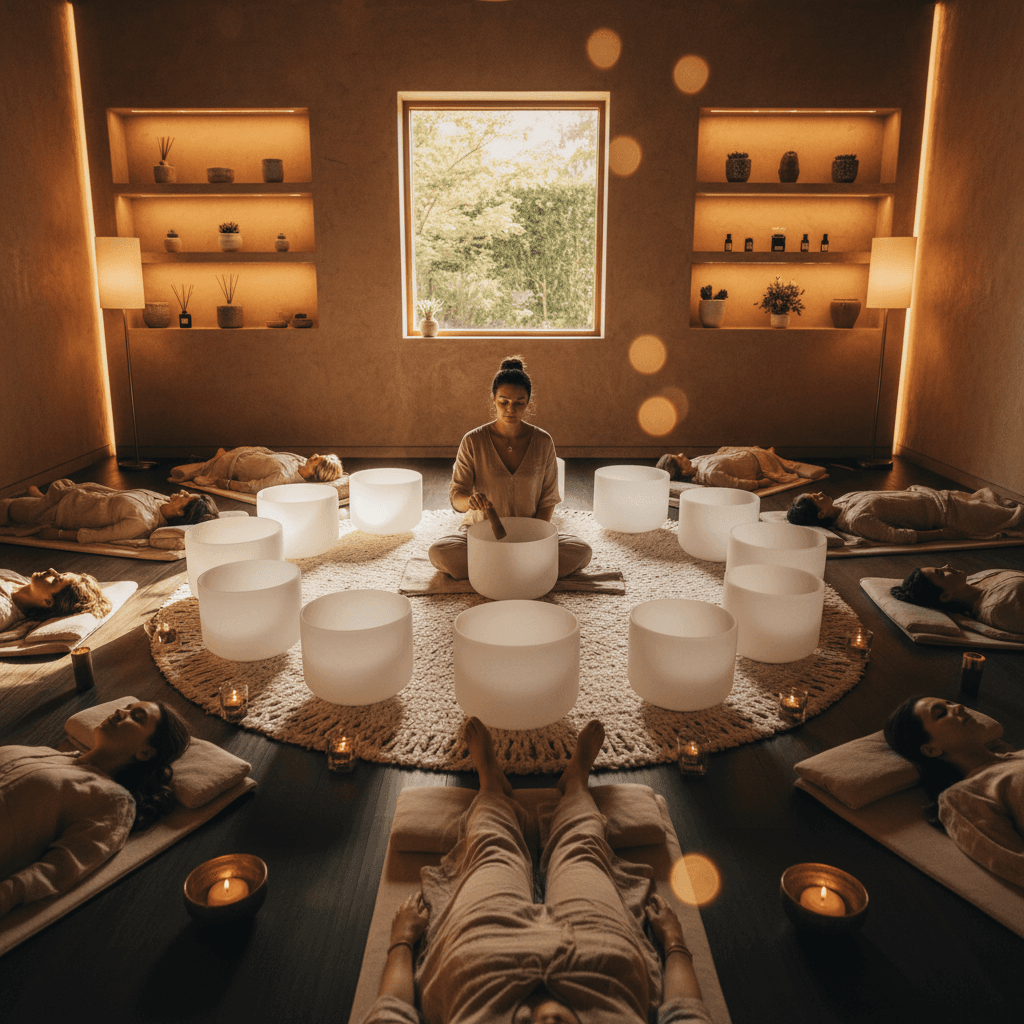
Chefs: Mastering Kitchen Pressure Through Sound Wellness
Sound for Death Workers: Managing Stress for Funeral Directors
Sound Wellness: Respite for Retail's Customer-Facing Heroes