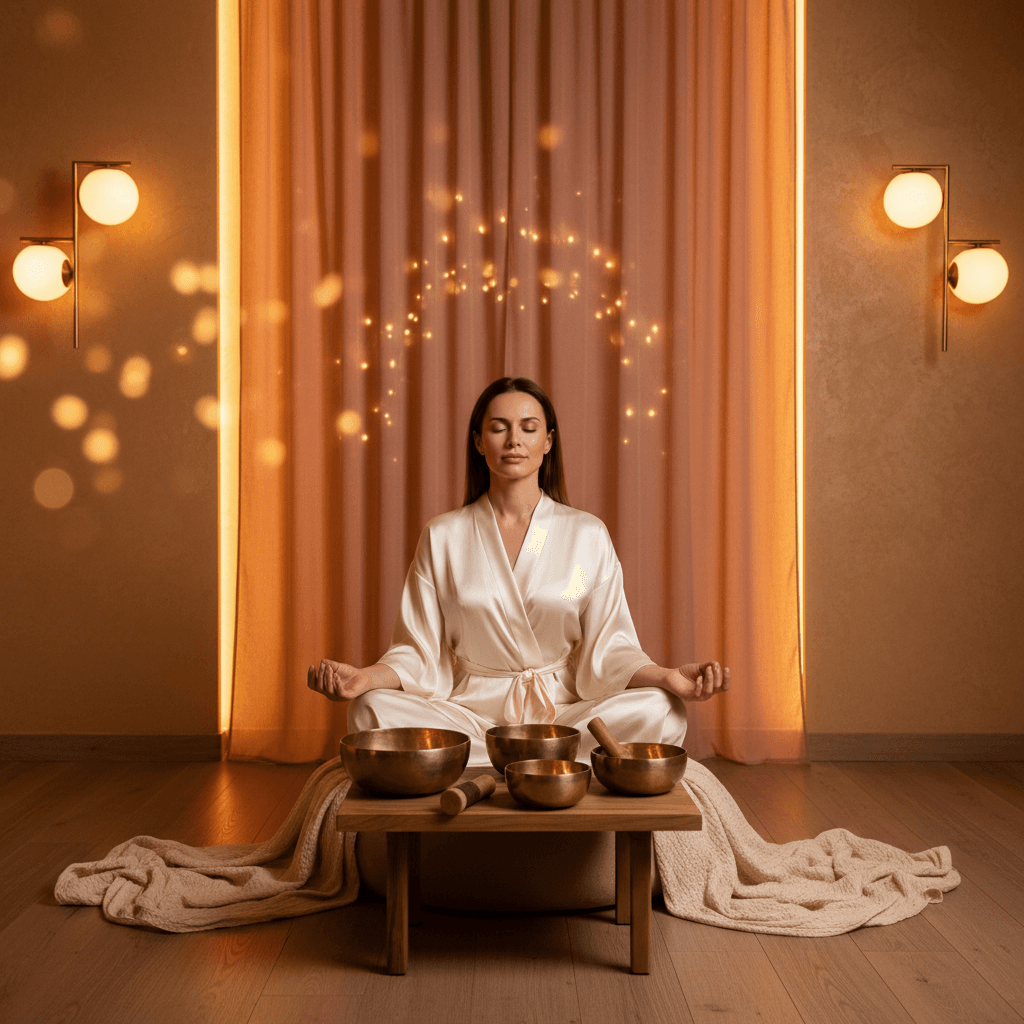
Sound for Death Workers: Managing Stress for Funeral Directors
Key Insights
Funeral directors face immense emotional labor and stress. Discover the science-backed benefits of sound wellness as a powerful self-care tool. Soul Art explains.
What is the sound of holding space for grief? For funeral directors and others in the death care industry, it is often a profound silence, a carefully managed quiet that belies the immense internal and external pressures of their work. This is a profession built on emotional labor, a term for managing one's own feelings to fulfill the emotional requirements of a job. While they are surrounded by the rituals of death daily, they are often left with little space to process the cumulative weight of their experiences.
This journal article explores the unique psycho-emotional landscape of the funeral professional. We will delve into the science of how this constant exposure to trauma and grief impacts the nervous system. Most importantly, we will present a powerful, non-verbal modality for stress management and restoration: sound wellness. You will learn how specific frequencies and vibrations can support the body’s innate capacity for release, offering a sanctuary of sound for those who work so diligently in silence.
The Science Explained
To understand why sound can be such a potent tool for funeral professionals, we must first appreciate the unique physiological and psychological demands of their work. Their role is a delicate balance of technical skill and deep empathy, a performance that requires immense regulation.
The Signature of Stress: Emotional Labor and Burnout
The work of a funeral director goes far beyond logistics. As sociologists like Arlie Hochschild first identified, it is a prime example of emotional labor. Professionals in this field must actively comfort the bereaved, projecting calm and empathy even when dealing with their own stressors or the sheer repetition of tragedy.
This constant state of managing emotions can lead to several challenges:
- Compassion Fatigue: A state of emotional and physical exhaustion leading to a diminished ability to empathize or feel compassion for others.
- Nervous System Dysregulation: The body’s stress response system (the sympathetic nervous system) can become chronically activated. This leads to a state of hypervigilance, making true relaxation and rest feel inaccessible.
- Burnout: Research highlights that funeral professionals face significant risks for burnout and other mental health injuries due to their regular engagement with potentially psychologically traumatic events.
"The deceased body is not an inert object but a material presence that grounds the performance for all participants." This insight from academic research highlights the profound energetic and emotional weight that funeral directors carry, managing not just the living but the dead with dignity.
How Sound Intervenes on a Physiological Level
Sound is not merely an auditory experience; it is a physical one. Every sound is a vibration, a wave of energy that travels through the air and into our bodies. This is where sound wellness begins its work, bypassing the cognitive mind to communicate directly with the body's cells and nervous system.
Vibroacoustics and Vagus Nerve Stimulation
Our bodies are equipped with specialized mechanoreceptors that detect vibration. Key among these are the Pacinian corpuscles, which are sensitive to subtle pressure and vibrations. When instruments like Himalayan singing bowls are placed on or near the body, their low-frequency vibrations are transmitted through the skin, muscle, and bone.
This process is known as vibroacoustic therapy. Some research suggests these vibrations may help to gently stimulate the vagus nerve, the primary nerve of the parasympathetic nervous system. Activating the "rest-and-digest" response helps to counteract the "fight-or-flight" state, lowering heart rate, deepening breath, and signaling to the body that it is safe to relax.
Brainwave Entrainment for Mental Quiet
Our brains operate at different frequencies or "brainwave states." Active, conscious thought is associated with Beta waves. Calmer, more meditative states are associated with Alpha and Theta waves.
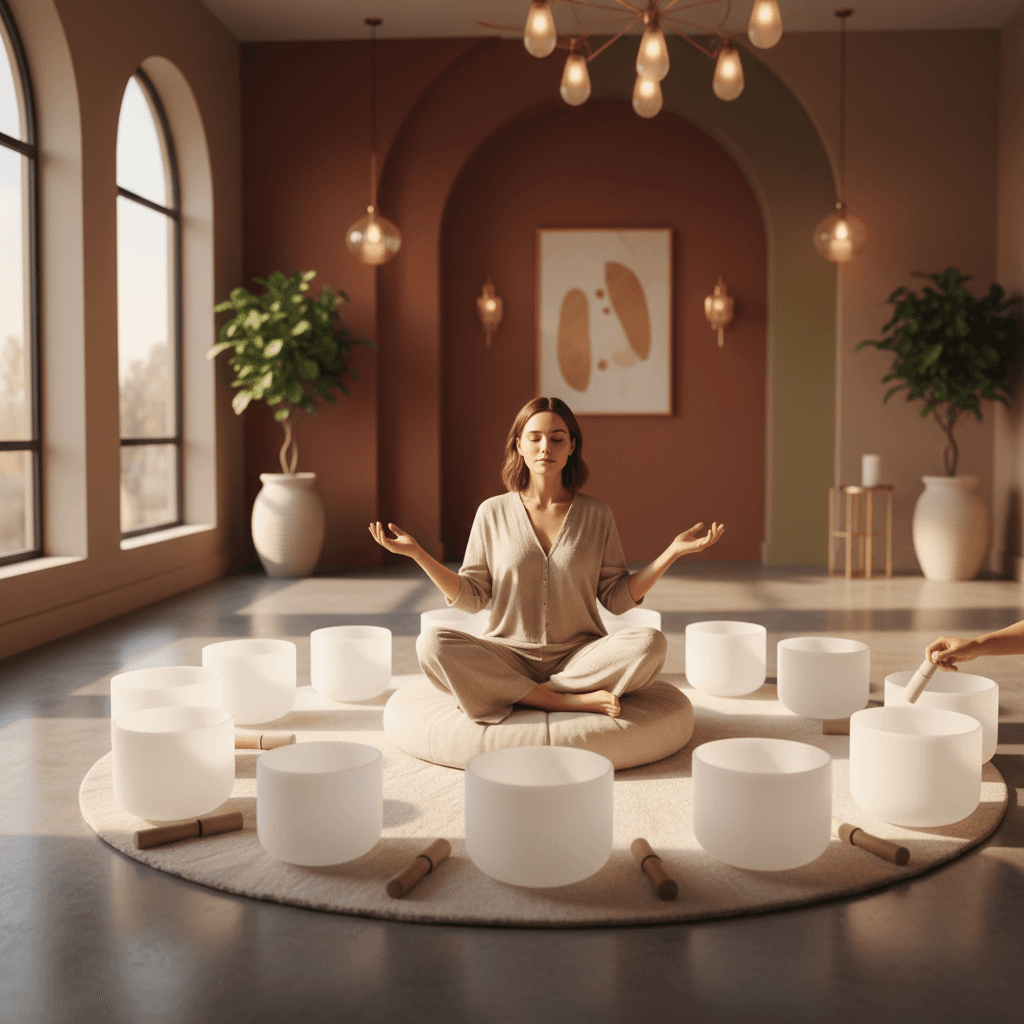
The consistent, harmonic frequencies produced by instruments like crystal bowls can encourage a phenomenon called brainwave entrainment. The brain begins to synchronize its own electrical pulses with the external rhythm. This can gently guide the mind away from the cyclical, stressful thoughts common in high-pressure jobs and into a state of deep, restorative quiet. Some studies even point to specific frequencies, such as 40 Hz, being associated with enhanced cognitive processing and neural synchronization, which may support mental clarity after a session.
How It Works in Practice
The science provides the "why," but the experience itself is where the transformation unfolds. For a funeral director, who spends their days curating experiences for others, a sound session is a rare opportunity to simply receive.
Imagine stepping into a quiet, softly lit space. There is no need to talk, explain your day, or manage anyone's emotions. You simply lie down on a comfortable mat, supported by cushions and covered with a soft blanket. The session begins not with words, but with sound.
First, you might hear the gentle chime of a Koshi bell, signaling a shift from the outside world to this present moment. Then, the resonant tones of crystal bowls begin to fill the room. The sound is not just in your ears; it feels three-dimensional, washing over and through you. It gives your analytical mind a simple, beautiful task: to listen.
Then, the practitioner may place a warm, heavy Himalayan singing bowl on your sternum or lower back. When struck, the vibration is immediate and profound. It is a physical sensation that travels deep into the body, loosening tension in muscles you didn't even realize were clenched. For someone constantly "on stage," this is a moment of pure surrender. There is nothing to do, nothing to fix, and no one to care for but yourself. The layers of emotional armor built up over days or weeks of service begin to soften, and the accumulated stress starts to dissipate, not through analysis, but through physical release.
The Soul Art Approach
At Soul Art, we recognize that professionals who hold so much for others require a unique kind of care—one that is both deeply restorative and impeccably professional. Founded by Larissa Steinbach, our studio is a sanctuary designed to provide precisely that.
Our approach for professionals like funeral directors is grounded in a deep understanding of the nervous system. Larissa Steinbach curates each session using a specific combination of instruments chosen for their vibrational properties. We prioritize creating a non-verbal space, acknowledging that after a day of intense emotional communication, what is often needed most is silence and sensation.
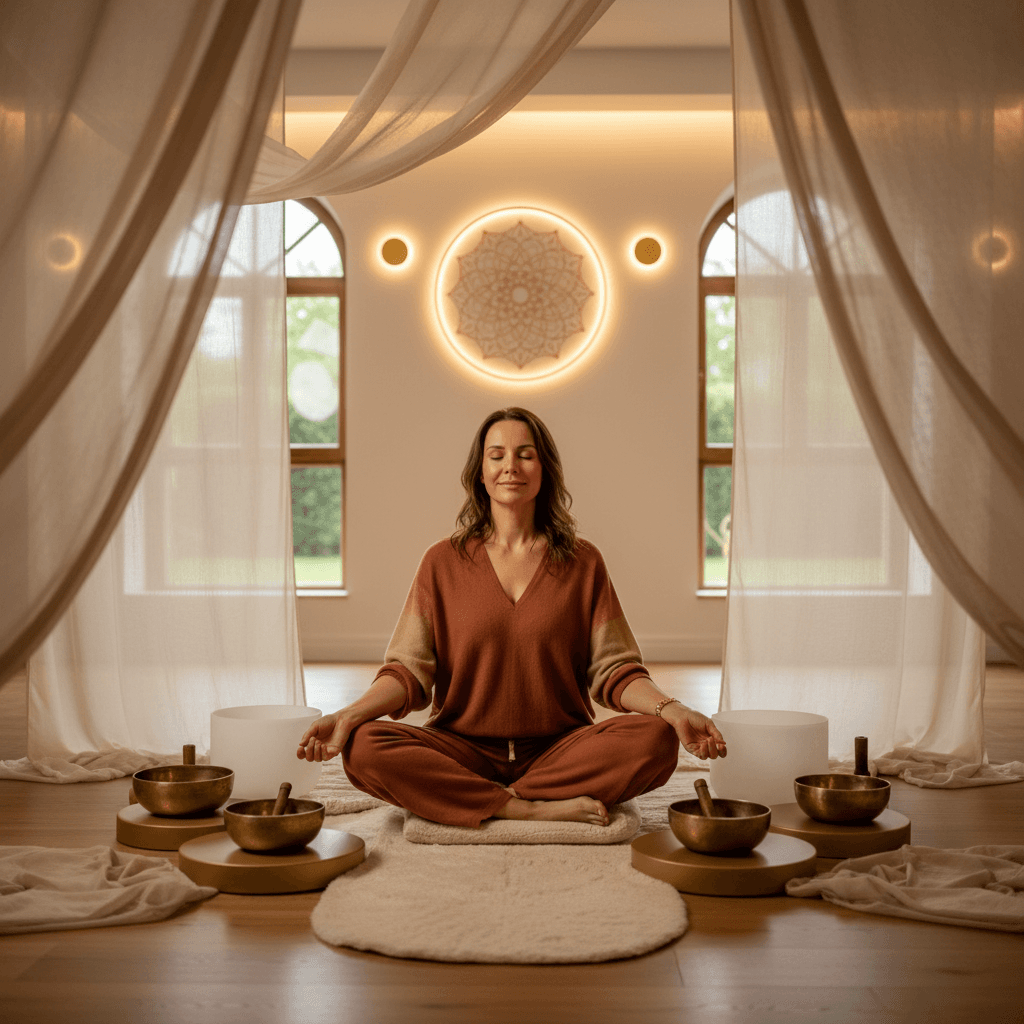
We utilize a collection of therapeutic-grade instruments, including:
- Himalayan Singing Bowls: For their deep, grounding vibrations perfect for vibroacoustic work directly on the body.
- Pure Quartz Crystal Bowls: For their clear, ethereal tones that promote brainwave entrainment and mental clarity.
- Gongs: To create a powerful "sound wash" that can facilitate the release of deeply held emotional and energetic blockages.
The Soul Art experience is one of "quiet luxury," where every detail is considered to ensure a feeling of safety, privacy, and profound calm. It is a space where the caretaker can finally be taken care of, allowing for a complete reset of mind, body, and spirit.
Your Next Steps
Integrating restorative practices is not a luxury; it is a professional necessity for long-term sustainability in the death care industry. While a professional session provides a deep reset, you can begin to incorporate the principles of sound wellness into your daily life.
Here are a few actionable steps you can take today:
- Schedule Deliberate Silence: Block out 10-15 minutes in your calendar each day for non-negotiable quiet time. No phones, no podcasts, no talking. Allow your auditory system, and thus your nervous system, a moment of complete rest.
- Practice Mindful Listening: Find a single, simple sound—the hum of an air conditioner, birds outside your window, or even the sound of your own breath. Close your eyes and focus on it exclusively for three minutes. This practice anchors you in the present and calms an overactive mind.
- Create a "Decompression" Playlist: Compile a short list of instrumental, ambient, or classical music without lyrics. Play this in your car on the way home from work to create a sonic boundary between your professional and personal life.
- Explore a Professional Sound Session: Commit to experiencing a professional sound bath as a form of preventative care. Consider it a vital part of your professional toolkit, designed to clear accumulated stress and maintain your capacity for empathy and service.
For those in Dubai, Soul Art offers a confidential and serene environment for this essential work.
In Summary
The funeral profession demands a unique and profound form of emotional resilience. The daily exposure to grief and trauma, combined with the immense responsibility of care, places a significant toll on the nervous system. This is not a burden to be carried alone or ignored until it leads to burnout.
Sound wellness offers a powerful, scientifically-grounded, and dignified tool for self-care. Through vibroacoustic stimulation and brainwave entrainment, it provides a non-verbal pathway to release stored tension, regulate the nervous system, and restore a sense of inner calm. It is a practice that honors the caregivers, providing them with the same peace and serenity they so expertly provide for others. At Soul Art, we are honored to hold that space for you.
Bookings Coming Soon
Soul Art is still in preparation. Session details and booking will be published here after launch.
Coming Soon
Related Articles
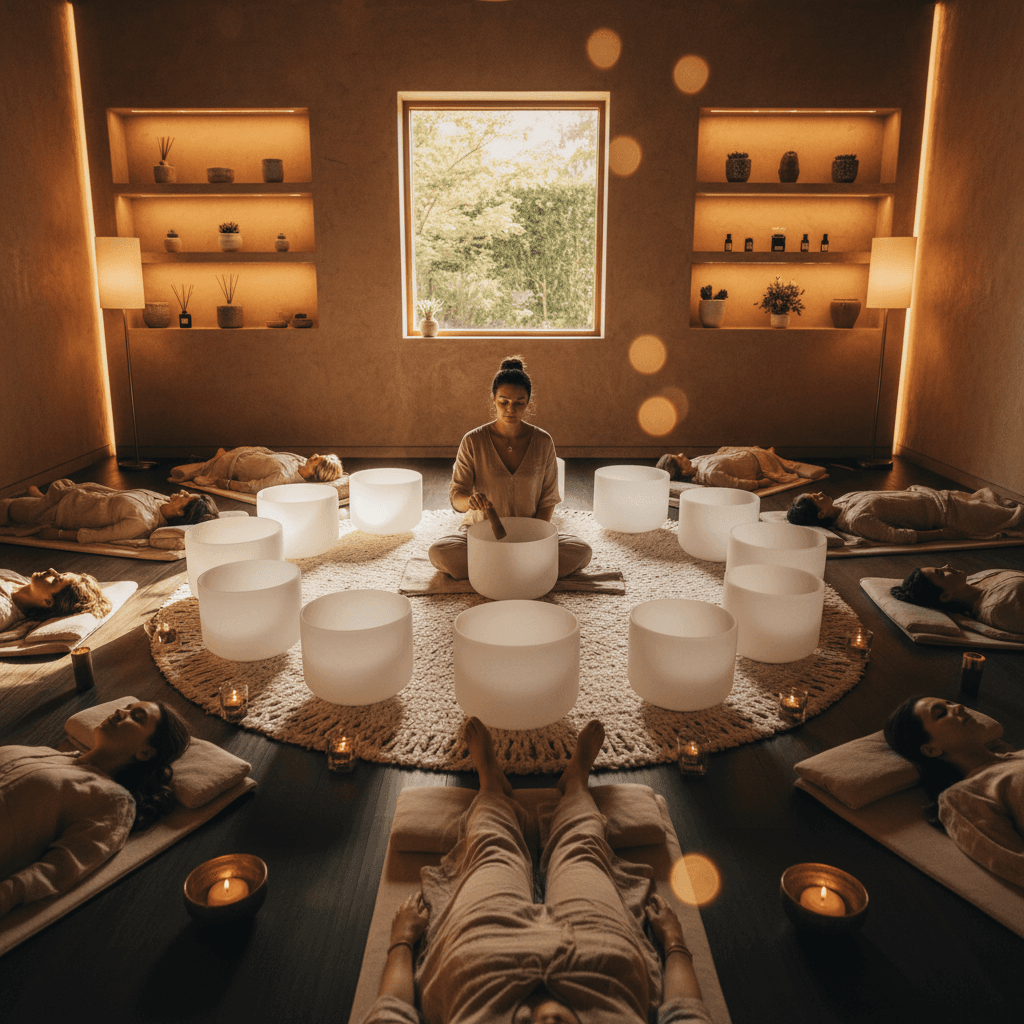
Chefs: Mastering Kitchen Pressure Through Sound Wellness
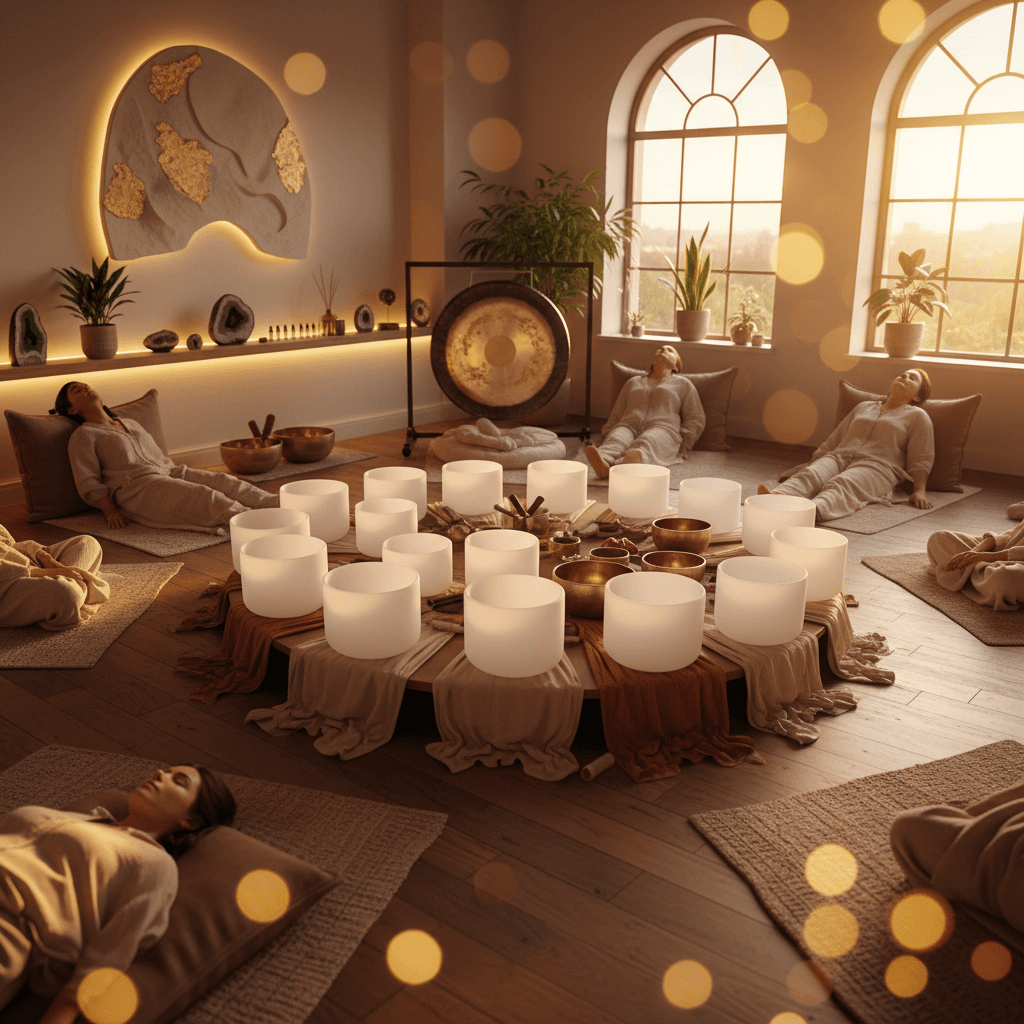
Sound Wellness: Respite for Retail's Customer-Facing Heroes
Accountants: Sound for Tax Season Stress & Burnout Relief