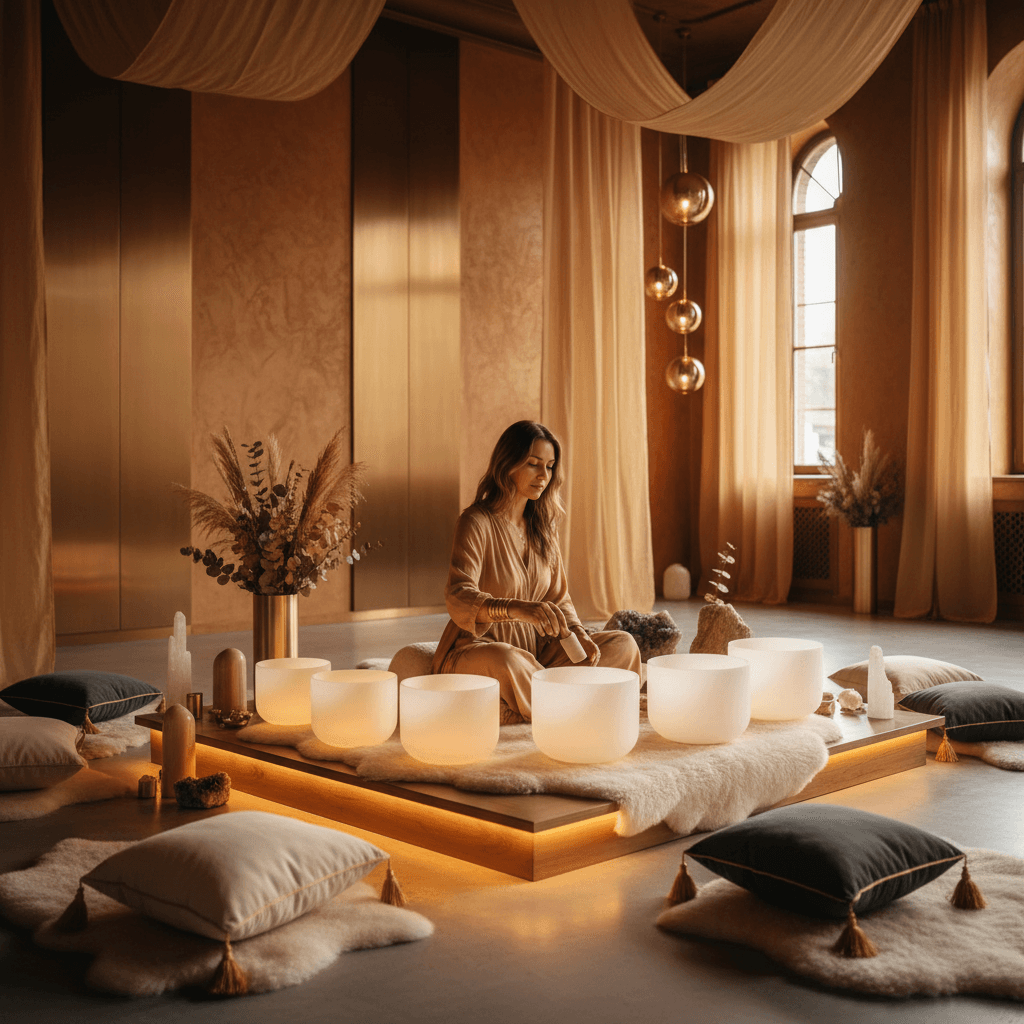
Tech Burnout: Sound Wellness for Dubai's Digital Workforce

Key Insights
Combat tech burnout and reclaim your well-being. Discover how sound wellness at Soul Art by Larissa Steinbach offers deep relaxation and digital resilience for the modern professional.
Compelling Introduction
In an era defined by constant connectivity, scrolling, and notifications, have you ever felt the relentless hum of your digital life seeping into your very core, leaving you depleted and disconnected from yourself? The modern professional, especially here in Dubai's dynamic economy, navigates a landscape where the lines between work and personal life are increasingly blurred by technology. This always-on culture, while fostering unparalleled innovation and efficiency, also casts a long shadow: the pervasive phenomenon of tech burnout.
This deep dive explores the scientific underpinnings of digital exhaustion and, more importantly, offers a profound, evidence-informed pathway to rejuvenation. We will unravel how the incessant demands of our digital world impact our mental and physical health, drawing on recent research and systematic reviews. Then, we will unveil the transformative power of sound wellness, a complementary practice increasingly embraced for its capacity to restore balance and foster resilience.
By understanding the roots of tech burnout and embracing the harmonizing frequencies of sound, you can learn to navigate the digital age with greater calm and clarity. This article will equip you with knowledge and practical steps to safeguard your well-being, paving the way for a more balanced and fulfilling life in our hyper-connected world.
The Digital Deluge: Unpacking Tech Burnout
The relentless pace of digital transformation has undeniably reshaped how we work, communicate, and live. While offering immense advantages, this constant immersion in technology has also given rise to a unique set of stressors, collectively known as technostress, and a significant contributor to widespread burnout among the digital workforce. Understanding these mechanisms is the first step toward finding effective solutions.
Understanding Burnout in the Digital Age
Burnout, as formally recognized by the World Health Organization's International Classification of Diseases (ICD-11), is an occupational phenomenon characterized by three core dimensions: feelings of energy depletion or exhaustion, increased mental distance from one’s job or feelings of negativism or cynicism related to one’s job, and reduced professional efficacy. Crucially, the digital environment often exacerbates these symptoms. Research indicates that working with technology is a significant predictive factor for burnout across almost all occupational settings, with particular complications arising from the continuous connection facilitated by portable devices.
A systematic review synthesizing findings from 201 peer-reviewed empirical studies highlighted that technostress profoundly damages overall well-being, engagement, and life satisfaction. The primary drivers of these negative outcomes were identified as techno-overload and techno-invasion. Techno-overload refers to the feeling of being overwhelmed by the sheer volume of digital information and tasks, while techno-invasion describes the pervasive feeling that technology invades one's personal life and time, making it difficult to disconnect. These stressors contribute significantly to the erosion of mental and physical reserves.
Compelling statistical evidence underscores these connections. A study on digitalization and employee burnout revealed a significant positive correlation between digitalization and role overload (r = 0.461, p < 0.01), digitalization and burnout (r = 0.509, p < 0.01), and digitalization and technology overload (r = 0.383, p < 0.01). Furthermore, both role overload and technology overload were found to have significant positive correlations with burnout (r = 0.373, p < 0.01 and r = 0.189, p < 0.01, respectively). These findings paint a clear picture: the more ingrained technology becomes in our work, the higher the risk of experiencing overload and, consequently, burnout.
The Neuroscience of Overload
Our brains are remarkable organs, but they have limitations. Constant digital input bombards our sensory systems, forcing our prefrontal cortex – the area responsible for focus, decision-making, and impulse control – into perpetual overdrive. This sustained cognitive load can lead to what is often described as 'decision fatigue' or 'information overload,' making it increasingly difficult to concentrate, prioritize, and process information efficiently. The continuous alerts and notifications from various devices trigger a state of constant vigilance, preventing the brain from entering restorative states necessary for optimal functioning.
When the brain is perpetually activated in this manner, it can disrupt the natural rhythms of brainwave activity. Optimal cognitive function and a sense of calm are often associated with alpha brainwaves, while deeper relaxation and creativity are linked to theta brainwaves. Chronic digital stimulation, however, tends to keep the brain in higher-frequency beta states, associated with active, alert concentration or stress. Over time, this imbalance may contribute to heightened anxiety, difficulty sleeping, and a reduced capacity for emotional regulation. The brain simply doesn't get the downtime it needs to process, consolidate memories, and restore its neural resources.
The Physiological Impact of Chronic Stress
The digital world doesn't just affect our minds; it has a profound impact on our bodies. Chronic exposure to technostress and the accompanying overload triggers the body's fight-or-flight response, governed by the sympathetic nervous system. This response releases stress hormones like cortisol and adrenaline, which are beneficial in short bursts but detrimental when sustained. Elevated cortisol levels, over time, have been associated with a range of health issues including weakened immune function, digestive problems, increased blood pressure, and difficulties with metabolic regulation.
Moreover, the physical postures associated with digital work – hunched over screens, repetitive strain from typing and scrolling – contribute to muscular tension, headaches, and overall fatigue. This physical discomfort feeds back into the mental stress cycle, creating a vicious loop. The body remains in a state of alert, rarely engaging its parasympathetic nervous system, which is responsible for "rest and digest" functions. This continuous physiological arousal prevents the deep restorative processes that are essential for long-term health and well-being.
"The challenge of our digital age isn't just about managing information; it's about managing our internal states in the face of an ever-present external demand."
Furthermore, research highlights a generational divide in how employees experience digitalization-induced burnout. While older employees may face greater challenges in adapting to new technologies, leading to increased stress and anxiety due to a lack of digital literacy and extensive experience in traditional environments, younger professionals can also exhibit higher digital burnout due to over-reliance on technology and the pressures of constant connectivity. This suggests that the problem is not limited to a specific demographic but is a pervasive issue requiring varied and adaptable solutions.
The efficacy of traditional wellness initiatives, such as promoting work-life balance through wellness programs or gym memberships, has been questioned in addressing these deep-seated challenges. Many of these approaches tend to tackle only the symptoms of workplace stress rather than its root causes. This underscores the need for complementary, holistic approaches that can address the profound impact of technology on our inner landscapes.
Reclaiming Inner Calm: The Promise of Sound Wellness
In response to the escalating rates of tech burnout, professionals are increasingly seeking restorative practices that offer a genuine reprieve from digital demands. Sound wellness emerges as a powerful, non-invasive complementary approach, offering a sanctuary for the mind and body. This practice leverages the profound effect of vibrational frequencies to guide individuals into states of deep relaxation and inner harmony.
Harnessing Vibrational Frequencies
The core principle behind sound wellness lies in resonance and entrainment. Every cell in our body vibrates at a specific frequency. When exposed to therapeutic sounds and vibrations from instruments like crystal singing bowls and gongs, our bodies and minds may naturally synchronize with these harmonious frequencies. This process, known as entrainment, can gently encourage the brain to shift from dominant beta brainwave states (associated with alertness and stress) to more relaxed alpha and theta states.
Alpha brainwaves are often associated with a calm, meditative state, perfect for creative thinking and stress reduction. Theta brainwaves go even deeper, linked to profound relaxation, introspection, and enhanced intuition, similar to states experienced during deep meditation or just before sleep. By facilitating these shifts, sound wellness sessions may support the reduction of mental chatter and promote a sense of peaceful awareness. Many people report an immediate calming effect, feeling their nervous system settle and their mind quiet. This allows for a much-needed break from the overstimulation that fuels tech burnout.
Beyond the brain, the physical vibrations generated by sound instruments can permeate the body. These vibrations may gently massage cells and tissues, promoting circulation and releasing muscular tension that often accumulates from prolonged digital engagement. This bio-energetic interaction has been associated with a sense of physical release and deep relaxation, helping to alleviate the stored stress that contributes to chronic fatigue and discomfort. The sensory experience is far removed from the digital world, offering a complete immersion in a different kind of frequency.
The Auditory Journey to Relaxation
A typical sound wellness session is an immersive experience designed to disconnect you from external demands and reconnect you with your inner self. Clients typically lie comfortably, often on a mat or cushion, and are invited to close their eyes and simply receive the sounds. The practitioner then plays a carefully selected array of instruments, such as:
- Crystal Singing Bowls: Known for their pure, sustained tones, these bowls create a rich tapestry of sound that resonates deeply.
- Gongs: Producing powerful, complex overtones, gongs can create a profound vibrational experience that many find deeply cleansing and releasing.
- Chimes and Other Percussion: Adding delicate textures and layers to the soundscape.
As the sounds wash over them, clients often describe sensations ranging from gentle tingling to a profound sense of weightlessness. The auditory landscape shifts, inviting the mind to wander freely or simply rest in the present moment. It's a journey away from the tyranny of deadlines and notifications, into a space where the nervous system can reset. The sustained, harmonious frequencies provide an anchor, allowing the sympathetic nervous system to quiet down and the parasympathetic nervous system to activate. This transition is crucial for stress recovery, promoting reduced heart rate, normalized breathing, and a general feeling of well-being.
The effectiveness of this practice lies in its ability to offer a direct, non-cognitive pathway to relaxation. Unlike mindfulness practices that require active mental engagement, sound wellness invites passive reception. This can be particularly beneficial for those experiencing tech burnout, whose cognitive resources are already depleted. It offers a gentle yet powerful means to achieve mental stillness and physical rejuvenation, providing a much-needed antidote to the pervasive techno-overload and techno-invasion that characterize the digital workforce's daily life.
Anecdotal evidence suggests that regular sound wellness sessions can significantly improve sleep quality, reduce anxiety levels, and enhance mental clarity. By offering a sanctuary from the digital noise, these sessions enable individuals to recalibrate their internal systems, fostering greater resilience against future stressors. It’s a holistic wellness practice that recognizes the interconnectedness of mind, body, and spirit, offering a path to restore harmony in a dissonant world.
The Soul Art Difference: Larissa Steinbach's Vision
At Soul Art, Dubai's premier sound wellness studio, the experience is meticulously crafted to offer more than just relaxation; it's a journey into profound self-discovery and restorative healing. Founded by the visionary Larissa Steinbach, Soul Art stands apart through its unique blend of scientific understanding, intuitive artistry, and a deep commitment to individual well-being.
Larissa Steinbach brings a wealth of expertise and a passion for creating transformative soundscapes. Her approach at Soul Art is rooted in the understanding that true well-being in the digital age requires a holistic strategy that addresses both the mental and energetic tolls of modern life. She curates each session with intention, designing a specific vibrational journey to meet the needs of those grappling with tech burnout and seeking deep solace.
What makes the Soul Art method unique is its dedication to creating an immersive, multi-sensory environment that optimizes the effectiveness of sound healing. The studio itself is a sanctuary, designed to foster immediate tranquility upon entry. Larissa meticulously selects and works with high-quality instruments, including:
- Alchemy Crystal Singing Bowls: These bowls, often infused with precious gemstones and minerals, produce incredibly pure and resonant tones. Their crystalline structure creates a vibrational field that is believed to align with the body’s energy centers, promoting profound energetic release and balance.
- Symphonic Gongs: Chosen for their rich, complex overtones and powerful vibrational presence, the gongs at Soul Art are played with expertise to create a deeply immersive experience. The full-body sensation generated by these instruments can facilitate deep states of meditation and emotional release.
- Therapeutic Chimes and other World Instruments: These elements add delicate layers to the sound tapestry, guiding listeners through different phases of relaxation and introspection, ensuring a rich and varied sonic journey.
Larissa Steinbach's artistry lies in her ability to intuitively weave these sounds together, creating a unique "sound story" for each session. She doesn't just play instruments; she conducts an energetic symphony that responds to the collective energy of the space and the individual needs present. This tailored approach allows for a highly personalized experience, making Soul Art a beacon for those seeking genuine respite and renewal. The precise application of these frequencies, combined with the tranquil setting, helps individuals effectively disengage from the hyper-vigilance induced by digital demands and sink into a state of profound relaxation.
At Soul Art, Larissa Steinbach’s vision is to empower individuals to cultivate digital resilience, transforming the challenges of connectivity into opportunities for deeper self-awareness and peace. It's about re-tuning the nervous system, restoring the body's natural rhythms, and reconnecting with an inner calm that can withstand the pressures of the digital world.
Cultivating Digital Resilience: Your Path Forward
Recognizing the signs of tech burnout and taking proactive steps is crucial for maintaining your well-being in the digital age. Sound wellness is a powerful tool, but integrating it with other mindful practices can create a comprehensive strategy for cultivating lasting digital resilience. Here are some actionable steps you can implement starting today:
- Schedule Digital Detox Periods: Designate specific times each day or week, even if just for an hour, when you completely disconnect from all screens and notifications. Use this time to engage in non-digital activities like reading a physical book, spending time in nature, or enjoying a meal with loved ones without devices.
- Establish Clear Digital Boundaries: Create distinct boundaries between work and personal life by defining when and where you engage with digital devices for work. This might mean keeping your phone out of the bedroom or having a strict "no work emails after 6 PM" rule.
- Incorporate Mindful Movement: Counteract the physical stagnation of digital work with regular movement. Short walks, stretching breaks, or yoga sessions can help release accumulated tension and improve circulation, fostering a greater sense of physical and mental ease.
- Practice Intentional Digital Use: Before opening an app or clicking a link, pause and ask yourself: "What is my intention here?" This simple question can help you become more conscious of your digital habits, reducing mindless scrolling and increasing purposeful engagement.
- Experience Sound Wellness at Soul Art: Regularly immersing yourself in sound wellness sessions can profoundly impact your ability to de-stress and reset. The guided relaxation experienced at Soul Art by Larissa Steinbach offers a unique opportunity to deeply restore your nervous system, providing a potent antidote to digital overload. Consider booking an introductory session to discover this transformative practice firsthand.
Taking these steps isn't about rejecting technology, but about mastering your relationship with it. It’s about creating a harmonious balance where digital tools serve you, rather than drain you. By proactively caring for your nervous system and mental landscape, you can navigate the digital world with greater presence, clarity, and inner peace.
In Summary: Harmonizing Your Digital Life
The pervasive nature of technology, while offering undeniable benefits, has led to a widespread phenomenon of tech burnout, characterized by exhaustion, cynicism, and reduced efficacy. Scientific research underscores the profound impact of techno-overload and techno-invasion on our well-being, highlighting the need for effective stress management tools beyond traditional approaches. Sound wellness, with its ability to gently guide the brain into restorative states and soothe the nervous system through vibrational frequencies, offers a powerful and accessible antidote.
At Soul Art, Larissa Steinbach expertly curates immersive sound experiences using high-quality instruments like Alchemy Crystal Singing Bowls and gongs, providing a sanctuary where individuals can deeply relax and recalibrate. This complementary practice supports profound stress reduction and enhanced digital resilience. By embracing sound wellness as a vital self-care practice and integrating mindful digital habits, you can reclaim your inner calm and thrive in our interconnected world. We invite you to explore the harmonizing power of sound and experience the Soul Art difference for yourself.
Bookings Coming Soon
Soul Art is still in preparation. Session details and booking will be published here after launch.
Coming Soon
Wellness Disclaimer: This article is for educational and informational purposes only. It does not constitute medical advice, diagnosis, or treatment. Soul Art Dubai provides non-medical wellness experiences focused on relaxation, stress management, and general wellbeing. Sound wellness is a complementary practice and should not replace professional medical care.
Related Articles
Sound Resilience for First-Time Managers: Thrive as a New Leader
Harmonizing Global Teams: Sound Healing for Time Zone Stress
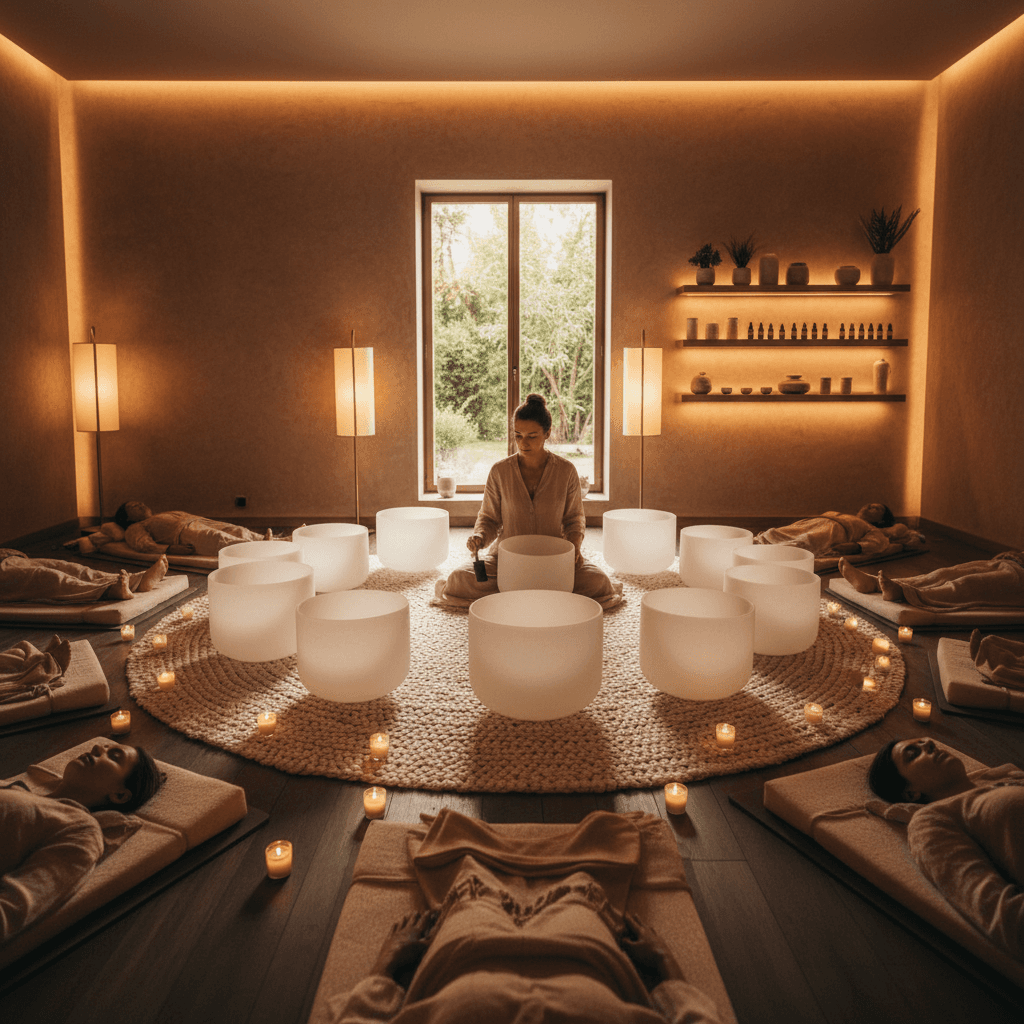
Transforming Workplace Conflict: Sound for Team Harmony