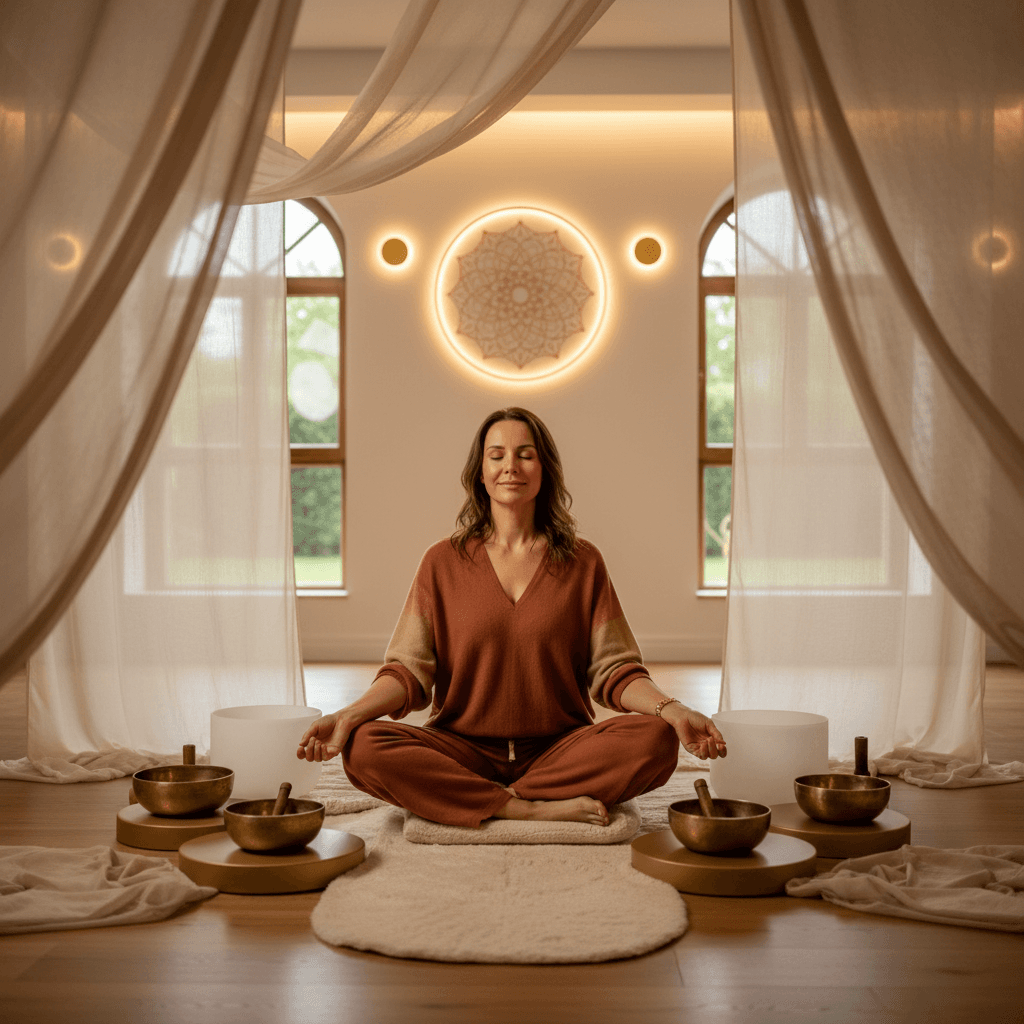
Sound for Educators: Harmonizing Well-being Amidst Burnout
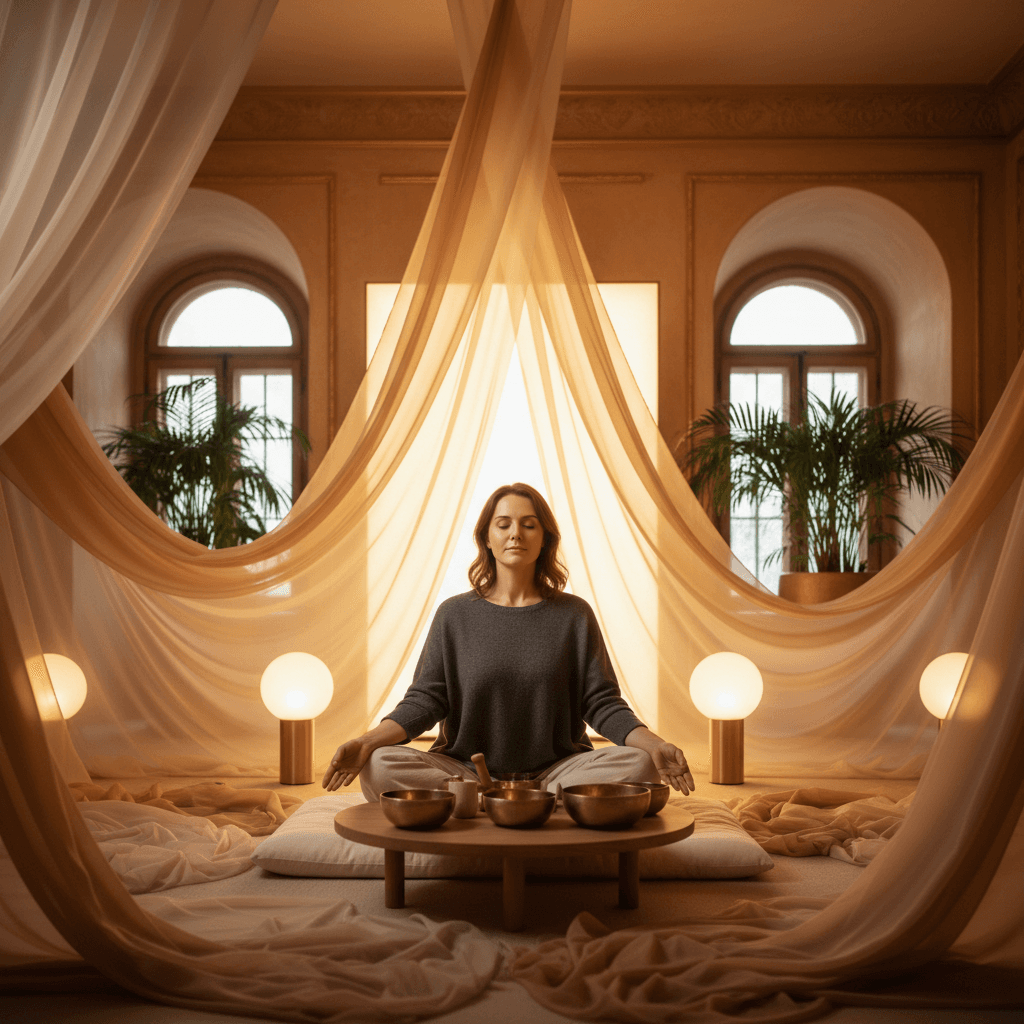
Key Insights
Combat teacher burnout with sound wellness. Discover how Soul Art, founded by Larissa Steinbach, offers scientific, holistic support for educators in Dubai.
Reclaiming Calm: Sound Wellness for Dubai's Dedicated Educators
Did you know that K-12 educators report the highest burnout rate across all professions in the U.S.? A staggering 44% of K-12 teachers feel burned out at work "always or very often," according to a 2022 Gallup poll. This isn't just a statistic; it's a silent crisis affecting dedicated individuals, their students, and the very fabric of our educational system.
At Soul Art, Dubai's premier sound wellness studio, we understand the immense pressures faced by teachers. From overcrowded classrooms and excessive administrative burdens to the constant interpersonal demands and often noisy work environments, the modern educator's role is uniquely challenging. This article delves into the science behind educator burnout and explores how the transformative power of sound wellness, through the unique methodology of Larissa Steinbach and Soul Art, may offer a vital pathway to resilience and profound well-being.
We'll uncover the physiological impact of chronic stress on teachers, revealing why traditional self-care often falls short. More importantly, we'll illustrate how precisely calibrated sound frequencies can guide the nervous system back to a state of balance, fostering mental clarity, emotional equilibrium, and physical rejuvenation. Join us as we explore how sound can become an indispensable tool for educators seeking to reclaim their energy and passion.
The Science Explained: Unpacking Educator Burnout and Sound's Healing Potential
The Alarming Reality: What the Research Says About Teacher Burnout
The demands of teaching extend far beyond lesson planning and classroom instruction; they encompass continuous people management, task coordination, and emotional labor, all day, every day. Research has consistently highlighted teaching as a high-stress profession, leading to significant levels of burnout globally. Studies indicate that nearly 30% of teachers in general are affected by burnout, with specific groups like kindergarten teachers facing even higher risks. One study found that 4.6% of kindergarten educators surveyed were at risk of burnout, with 20.3% reporting impaired mental health.
The symptoms of teacher burnout are extensive and deeply impactful, affecting mental, emotional, and physical health. Educators frequently report mental, physical, and psychological exhaustion after work, often suffering from headaches and neck pain (a common complaint from 66% of educators in one study), and 28% experience hoarseness and a burning throat due to constant vocal strain in noisy environments. The noise level in group rooms, primarily from children playing, consistently forces educators to speak louder, exacerbating vocal stress which, in turn, correlates significantly with impaired mental health and burnout risk.
Beyond the physical, the emotional toll is profound. Teachers experiencing chronic stress may demonstrate demoralization, irritability, apathy, and a sense of hopelessness. They might feel helpless in their ability to impact change and struggle with maintaining motivation and performing at previous levels. These emotional symptoms often manifest as increased impatience or anger, even in response to minor triggers, highlighting a state of chronic deregulation. Burnout is strongly associated with adverse mental and emotional health issues, including anxiety and depression, and significantly contributes to low motivation, detachment from colleagues and students, cynical outlooks, and ultimately, higher rates of teacher attrition.
The Physiological Toll of Chronic Stress: A Nervous System Perspective
Chronic stress, such as that experienced by educators, profoundly impacts the body's physiological systems. The persistent demands—ranging from work overload and administrative burdens to overcrowded classes and noisy environments—keep the nervous system in a heightened state of alert. This "fight-or-flight" response, mediated by the sympathetic nervous system, is designed for acute threats, not for sustained activation.
When constantly activated, the sympathetic nervous system floods the body with stress hormones like cortisol and adrenaline. While useful for quick reactions, prolonged exposure to these hormones can lead to systemic inflammation, suppressed immune function, and digestive issues. It also depletes energy reserves, contributing to the pervasive feelings of exhaustion and burnout reported by teachers. The mental health of educators, and their risk of burnout, are strongly correlated with physical symptoms like "I often suffer from headaches and neck pain" and "I am exhausted and burned out after work," underscoring the deep connection between mind and body under stress.
Moreover, the cognitive functions essential for teaching—such as maintaining control of the class, relating to students, and focusing on learning objectives—become severely impaired. Teachers with burnout often struggle with self-efficacy, showing low levels of personal accomplishment and a reduced capacity to engage in effective, research-based practices that benefit students. This cascade of negative effects highlights the urgent need for interventions that address the root cause of chronic stress at a physiological level, beyond superficial approaches.
Sound as a Gateway to Nervous System Regulation and Restoration
This is where sound wellness emerges as a powerful, non-invasive complementary approach. Sound, particularly specific frequencies and vibrations, has the unique ability to influence brainwave states and gently guide the nervous system from the hyper-aroused sympathetic state to the calmer, "rest-and-digest" parasympathetic state. This process is often facilitated through the vagus nerve, a crucial component of the parasympathetic nervous system that regulates internal organ functions such as heart rate, digestion, and respiratory rate.
When the body is exposed to deeply resonant, sustained sound frequencies, such as those produced by singing bowls or gongs, it may induce brainwave states associated with deep relaxation and meditation, primarily alpha (relaxed wakefulness) and theta (deep relaxation, creativity, restorative sleep). This shift in brainwave patterns can significantly lower cortisol levels, reduce heart rate and blood pressure, and ease muscle tension—offering a direct counter to the physiological effects of chronic stress.
"In the cacophony of modern life, especially within the demanding world of education, sound offers a profound invitation to silence the external noise and listen to the whispers of our inner calm. It's not just an escape, but a powerful re-tuning."
Preliminary studies and anecdotal evidence suggest that sound wellness practices may support improved sleep quality, reduced anxiety, enhanced emotional regulation, and a greater sense of well-being. For educators, whose profession requires constant mental acuity and emotional resilience, facilitating this physiological shift can be transformative. It’s about offering the body and mind an opportunity to truly recover, building a deeper reservoir of resilience against the inevitable stressors of the classroom.
How It Works in Practice: Experiencing Deep Restoration
Imagine stepping away from the daily demands of lesson plans, classroom dynamics, and administrative tasks into a sanctuary designed purely for your well-being. At Soul Art, the journey into sound wellness is a deeply immersive and restorative experience, offering a profound contrast to the noisy, high-pressure environments teachers often navigate. It’s an invitation to simply be, without expectation or demand.
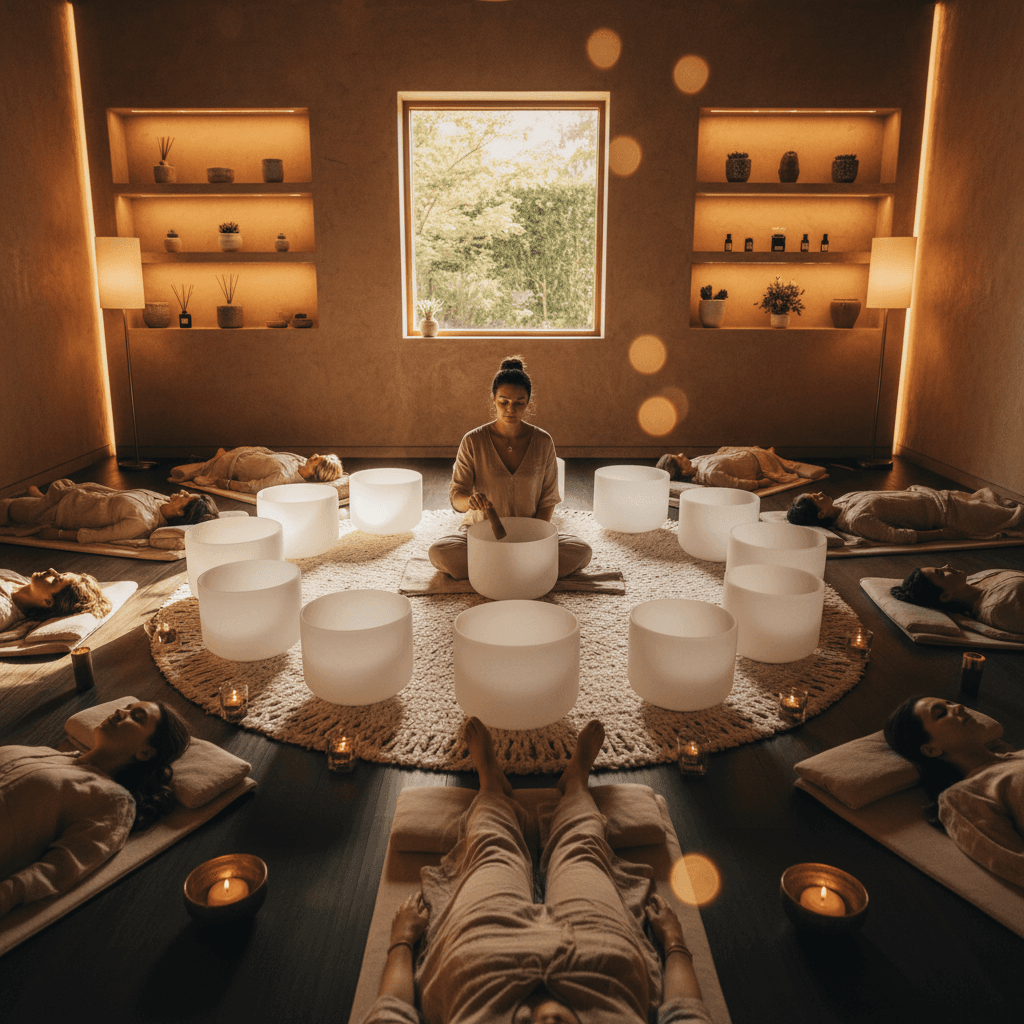
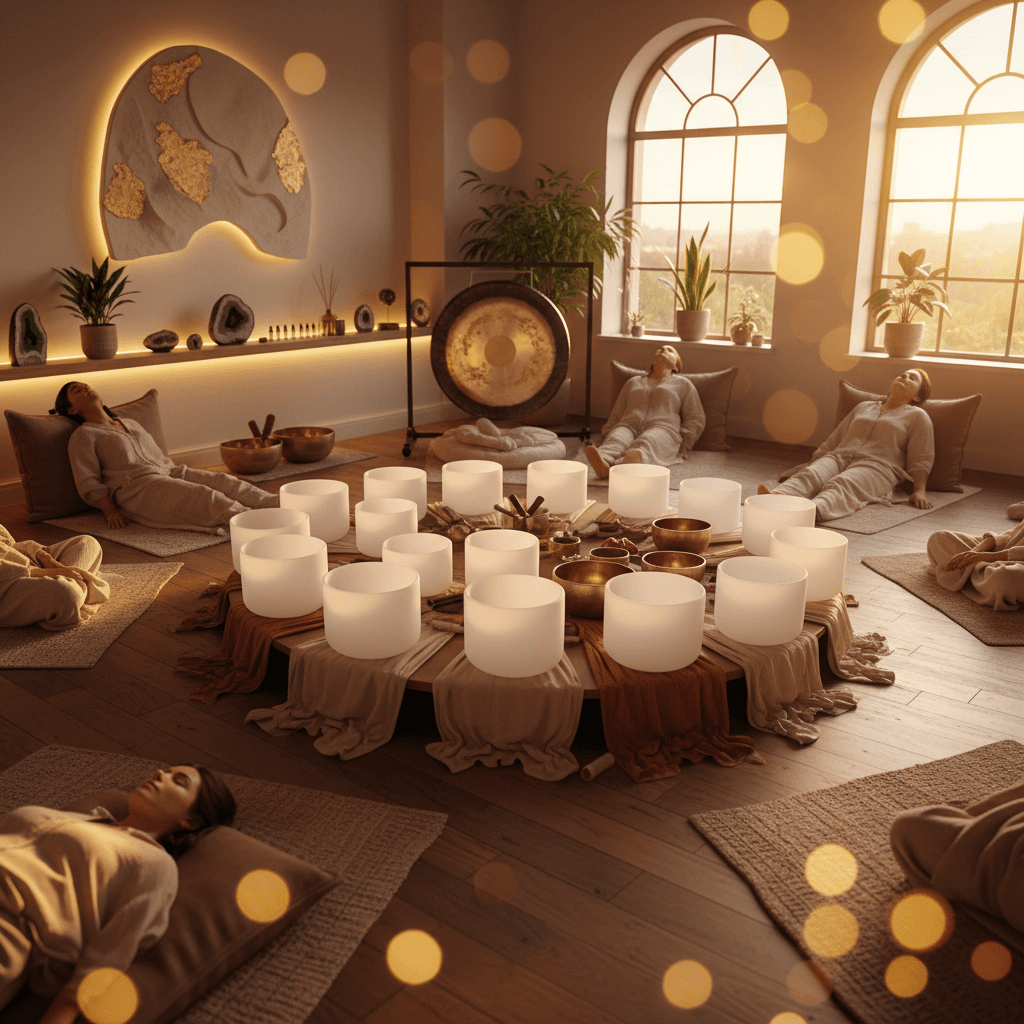
As you settle into a comfortable position, often reclining on a soft mat, the session begins. The space is thoughtfully prepared, often with soft lighting and a calming ambiance, immediately signaling a departure from the external world. The air may carry a subtle, soothing aroma, enhancing the sense of tranquility. You are invited to simply close your eyes and allow the sounds to wash over you.
Then, the journey of sound unfolds. The practitioner expertly plays a symphony of instruments: the deep, grounding hum of Himalayan singing bowls, resonating directly with your body; the majestic, expansive waves of gongs, creating a sensation of being enveloped; the delicate, shimmering notes of chimes and crystal bowls, uplifting and purifying. Each tone, each vibration, is intentionally chosen to create a rich, layered soundscape that encourages deep relaxation.
Many people report feeling the vibrations not just in their ears but throughout their entire body, a gentle cellular massage that helps release stored tension. This physical sensation, combined with the auditory experience, may lead to a profound sense of surrender. The mind, often racing with thoughts of tasks and worries, gradually quiets. It's a natural deceleration, moving from the busy beta brainwave state to the more peaceful alpha and theta states. Clients often describe entering a dream-like state, a place between wakefulness and sleep, where profound healing and insight can occur.
The experience is non-linear and deeply personal. Some may feel a surge of creative energy, others profound emotional release, and many simply experience an unparalleled depth of peace. The session allows the nervous system to recalibrate, promoting a natural return to homeostasis. This deep state of rest facilitates the body’s innate ability to repair and regenerate, easing physical complaints like headaches and neck pain that often plague educators, while simultaneously fostering mental clarity and emotional resilience. You emerge from the session feeling not just relaxed, but often profoundly re-energized, centered, and better equipped to face life’s challenges with renewed perspective.
The Soul Art Approach: Larissa Steinbach's Vision for Educator Well-being
At Soul Art, Larissa Steinbach has meticulously crafted a unique approach to sound wellness, specifically attuned to the discerning needs of Dubai's community, including its dedicated educators. Her vision extends beyond merely playing instruments; it's about creating a sacred space where individuals can reconnect with their inner calm and foster sustained well-being. The Soul Art method is distinctive in its blend of scientific understanding and intuitive artistry, offering a truly transformative experience.
Larissa's expertise lies in her profound understanding of how specific sound frequencies interact with the human energy field and nervous system. She selects and plays a diverse array of instruments, including handcrafted Himalayan singing bowls, powerful gongs, pure quartz crystal singing bowls, and delicate chimes. Each instrument is chosen for its unique vibrational quality and its potential to facilitate different states of relaxation and healing. The resonance of these instruments is not just heard but felt, creating a full-body sensory experience.
What makes the Soul Art method truly unique is the intention and personalized guidance Larissa brings to each session. She curates each sound journey with mindfulness, often tailoring the experience to the collective energy or specific needs of the participants. For educators, this means creating a sanctuary where the mind can truly disengage from the constant demands of their profession, allowing for deep emotional and physical release. The atmosphere at Soul Art is one of quiet luxury—sophisticated, serene, and deeply welcoming—providing an ideal environment for profound self-care.
Larissa emphasizes the importance of creating a container for emotional safety, enabling participants to fully surrender to the healing vibrations. Through her gentle yet powerful facilitation, she guides individuals into states of profound relaxation, where the nervous system can reset and the body’s innate healing mechanisms are activated. This holistic approach supports not only stress reduction but also enhances mental clarity, creativity, and overall emotional resilience—qualities that are invaluable for any educator navigating the complexities of their role. Soul Art is more than a studio; it's a haven for transformation under Larissa Steinbach's expert guidance.
Your Next Steps: Cultivating Resilience Beyond the Classroom
As an educator, prioritizing your well-being isn't a luxury; it's a necessity for your sustained passion, effectiveness, and overall health. Addressing burnout requires intentional self-care strategies that actively support nervous system regulation and mental restoration. While systemic changes in education are vital, individual practices can provide immediate and profound relief.
Here are practical steps you can implement today to cultivate greater resilience and well-being:
- Integrate Micro-Pauses: Throughout your busy day, take short, intentional breaks. Even 2-5 minutes of conscious breathing, closing your eyes, or stepping away from your desk can help reset your focus and reduce accumulated stress.
- Prioritize Sleep Hygiene: Establish a consistent sleep schedule and create a calming bedtime routine. Adequate, restful sleep is fundamental for nervous system repair and emotional regulation, directly combating feelings of exhaustion.
- Explore Sound Wellness: Consider incorporating sound baths or sound meditation into your weekly routine. Engaging with specific frequencies may support deeper relaxation and stress reduction than traditional relaxation methods, offering a powerful antidote to chronic stress.
- Set Clear Boundaries: Practice saying no to additional demands when your plate is already full. Protecting your personal time and energy is crucial for preventing overload and maintaining a healthy work-life balance.
- Connect with Nature: Spend time outdoors, even if it's just a short walk in a park. Nature has a proven calming effect on the nervous system and can provide a mental escape from the confines of the classroom.
Remember, true self-care is not selfish; it’s an investment in your capacity to teach, inspire, and thrive. Exploring complementary wellness practices like sound healing offers a potent way to buffer the stresses of your profession.
Bookings Coming Soon
Soul Art is still in preparation. Session details and booking will be published here after launch.
Coming Soon
In Summary: A New Harmony for Educators
The pervasive challenge of educator burnout impacts not only teachers themselves but also the students they inspire. Research consistently highlights the chronic stress, physical ailments, and mental health struggles faced by those dedicated to shaping young minds. Traditional approaches often fall short in addressing the deep physiological and neurological impact of sustained high-pressure environments.
However, a scientifically-grounded, holistic solution lies within the transformative power of sound. At Soul Art, Larissa Steinbach champions sound wellness as a vital practice for nervous system regulation, stress reduction, and profound rejuvenation. By guiding the body and mind into deep states of relaxation, sound experiences offer educators a unique opportunity to release tension, restore energy, and cultivate lasting resilience. Embrace this complementary path to well-being and discover a new harmony amidst the demands of your noble profession.
Wellness Disclaimer: This article is for educational and informational purposes only. It does not constitute medical advice, diagnosis, or treatment. Soul Art Dubai provides non-medical wellness experiences focused on relaxation, stress management, and general wellbeing. Sound wellness is a complementary practice and should not replace professional medical care.
Related Articles
Chefs: Mastering Kitchen Pressure Through Sound Wellness
Sound for Death Workers: Managing Stress for Funeral Directors
Sound Wellness: Respite for Retail's Customer-Facing Heroes