Synesthesia & Sound Healing: Unlocking Unique Neural Paths to Wellness
Key Insights
Explore the fascinating link between synesthesia and sound healing, uncovering how unique neural perspectives can enhance well-being. Discover Soul Art's approach.
Synesthesia and Sound Healing: Unlocking Unique Neural Paths to Wellness
Compelling Introduction
Imagine hearing a symphony and seeing a kaleidoscope of colors dance before your eyes, or tasting a word as a distinct flavor. This extraordinary phenomenon is known as synesthesia, a unique neurological trait where the stimulation of one sensory pathway involuntarily triggers an experience in another. While relatively rare, synesthesia offers a profound window into the brain’s intricate capacity for sensory integration and cross-modal communication.
At Soul Art, Dubai’s premier sound wellness studio founded by Larissa Steinbach, we explore the potential for sound to harmonise and enhance our internal sensory landscapes. This article delves into the fascinating connection between the unique neural perspectives of synesthetes and the profound effects of sound wellness. By understanding how sound can foster increased neural connectivity, we can unlock deeper states of relaxation, cognitive clarity, and holistic wellbeing for everyone. Join us as we explore how the wisdom of neuroscience illuminates the path to a richer, more integrated sensory experience through the power of sound.
The Science Explained
The Enigma of Synesthesia: A Neurological Tapestry
Defining Synesthesia: A Cross-Sensory World
Synesthesia is a captivating neurological condition characterized by involuntary and consistent cross-activation between sensory or cognitive pathways, resulting in unique perceptual experiences. It is a stable, lifelong phenomenon, often with a genetic basis, and manifests in diverse forms. For example, some individuals experience grapheme-color synesthesia, seeing letters or numbers in specific hues, while others, known as sound-color synesthetes, perceive colors in response to sounds.
This trait is not considered an illness or impairment; instead, many synesthetes report that their heightened sensory world enriches their lives, stating they would not wish to be rid of it. Scientific inquiry into synesthesia has significantly advanced since the 19th century, with modern research providing valuable insights into its underlying mechanisms and its implications for understanding sensory processing.
The Neural Basis: Beyond Modularity
On a neural level, there is a general consensus that the emergence of synesthesia is related to altered connectivity between the brain areas involved in processing the inducer and those involved in processing the concurrent sensation. Functional and structural MRI studies, alongside positron-emission tomography (PET) scans, provide converging evidence for increased activation and communication between various brain regions in synesthetes. For instance, in individuals who experience colored hearing, visual areas of the brain show increased activation in response to sound, a response not observed in non-synesthetes.
Researchers like Simon Baron-Cohen and his colleagues propose that synesthesia may result from a genetically driven overabundance of neural connections in the brain. Unlike the typical modularity where different sensory functions are largely separate, synesthetes' brains appear to possess more connections between neurons, allowing for this unique cross-sensory blending. Some theories, such as those by Daphne Maurer, even speculate that all humans may be born with such extensive neural connections, which most of us lose as we grow, making synesthetes individuals who retain this early childhood connectivity. This enhanced neural communication offers valuable insights into sensory integration, neural plasticity, and cognitive processing.
Sound Wellness: Harmonizing Brain and Body
Vibrational Foundations: Physics Meets Physiology
Sound wellness, often referred to as sound therapy, operates on fundamental principles of physics and biology that scientists are continually exploring. Our bodies are exquisitely sensitive detectors of vibrations, capable of responding to vibrational input through multiple pathways. Vibroacoustic therapy (VAT), for example, utilizes low-frequency sine wave vibrations, typically between 30 and 120 Hz, delivered directly to the body.
Specialized mechanoreceptors, particularly the Pacinian corpuscles in our skin, can detect vibrations up to 1,000 Hz. These highly sensitive nerve endings, with their unique onion-like structure, respond precisely and rapidly to high-frequency vibrations while dampening low-frequency disturbances. This interaction between external sound vibrations and our internal biological systems suggests a frequency-specific nature, where targeted frequencies may optimize cellular function through mechanical stimulation of membrane proteins and ion channels, aligning with the body’s characteristic vibrational properties.
Neurological Pathways: Entrainment and Connectivity
The neurological effects of sound wellness unfold through multiple sophisticated pathways, influencing brain activity and connectivity. A primary mechanism is brainwave entrainment, the natural tendency for neural oscillations in the brain to synchronize with external rhythmic stimuli, such as specific sound frequencies. Research indicates that 40 Hz auditory and visual stimulation, for instance, can effectively entrain gamma waves across wide brain areas. Gamma waves are associated with heightened cognitive processing, memory consolidation, and neural synchronization, all indicative of increased communication between brain regions.
Further studies employing neuroimaging methods like functional MRI (fMRI) investigate how sound alters the mind. Researchers like Dr. Yune S. Lee have observed that the bilateral prefrontal area of the brain increases in coherence after being primed by binaural beats compared to a control tone. This suggests an enhancement in cognitive functions and language comprehension. Intriguingly, recent findings in mice also highlight that an area of the brain called the inferior colliculus, traditionally known for sound processing, is also involved in processing touch signals, including mechanical vibrations detected by the skin. Neurons in this region respond more strongly to combined sound and mechanical vibrations than to either stimulus alone, pointing to a fascinating convergence of sensory input in the brain and an enhanced sensory experience. These insights underscore how sound can foster increased neural communication and integration, echoing the enhanced connectivity seen in synesthetes.
How It Works in Practice
Connecting the theoretical insights of synesthesia with the practical application of sound wellness reveals a profound potential for enhancing our sensory experience and promoting holistic wellbeing. While sound healing does not aim to induce synesthesia, it seeks to cultivate a state of heightened sensory integration and neural harmony that mirrors some aspects of the rich, interconnected internal world of a synesthete. By engaging multiple sensory pathways through targeted sound and vibration, individuals may experience a deeper, more cohesive sense of self and environment.
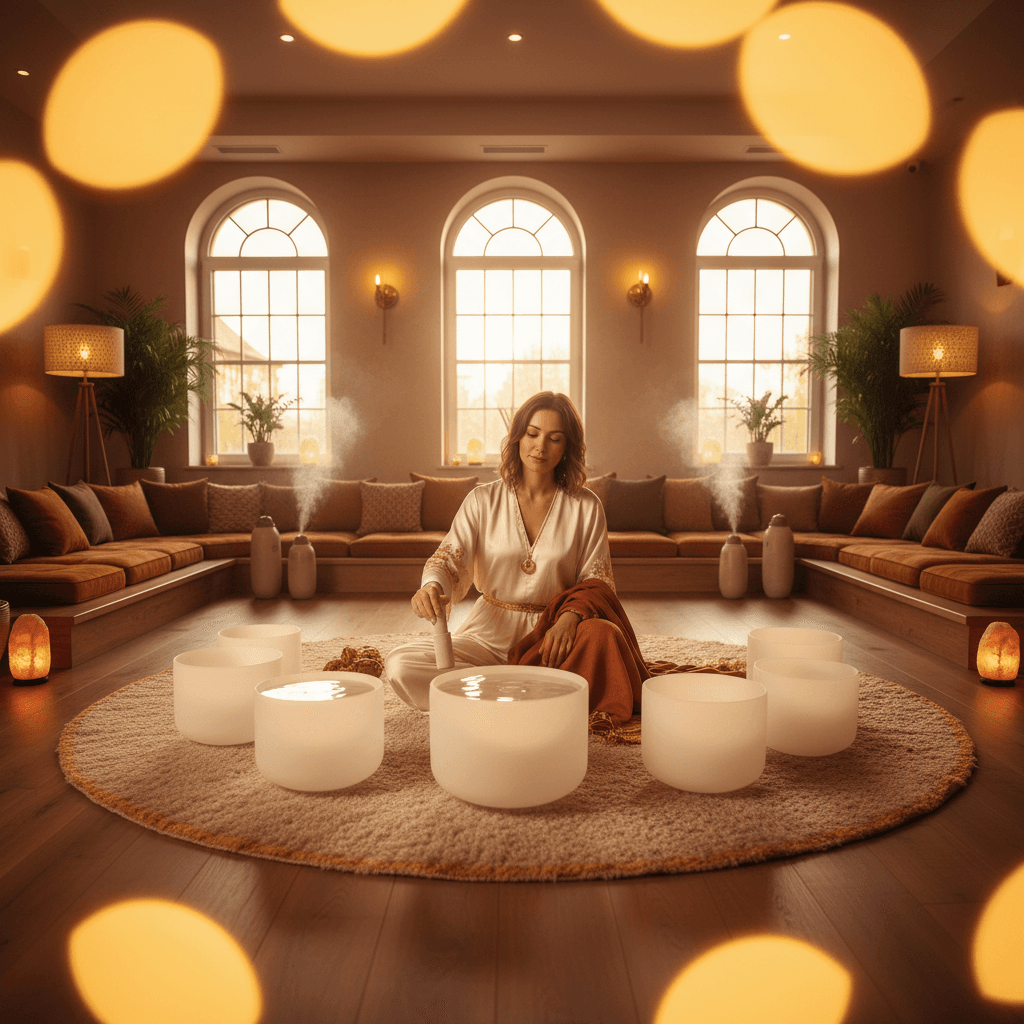
During a sound wellness session, clients are immersed in a carefully curated soundscape. The auditory experience, created by instruments like singing bowls and gongs, is complemented by the tactile sensation of vibrations resonating through the body. This dual stimulation of hearing and touch, consciously or unconsciously, encourages the brain to process information in a more integrated manner. The subtle vibrations detected by Pacinian corpuscles on the skin, combined with specific auditory frequencies, create a profound physiological and neurological response. Many people report feeling deeply relaxed, experiencing a significant reduction in stress, and achieving a state of mental clarity that is often elusive in daily life.
The frequency-specific nature of sound used in wellness practices aims to optimize cellular function and synchronize brainwave patterns, such as the induction of alpha and theta waves for relaxation, or gamma waves for enhanced cognitive function. This fosters a sense of inner balance and expands perception. By stimulating various neural pathways and promoting coherence between brain regions, sound wellness may support improved emotional regulation, enhanced intuition, and a more profound connection to one’s inner self. It’s an invitation to explore the inherent interconnectedness of our senses and mind, moving towards a more fluid and integrated experience of being.
The Soul Art Approach
At Soul Art, Larissa Steinbach and her team are dedicated to harnessing these profound scientific principles to create transformative sound wellness experiences. Larissa's vision is rooted in a deep understanding of the subtle yet powerful ways sound interacts with our physiology and neurology, guided by the insights gleaned from synesthesia research. The Soul Art method is distinctive for its holistic, science-backed approach, designed to cultivate neural harmony and sensory integration for every client.
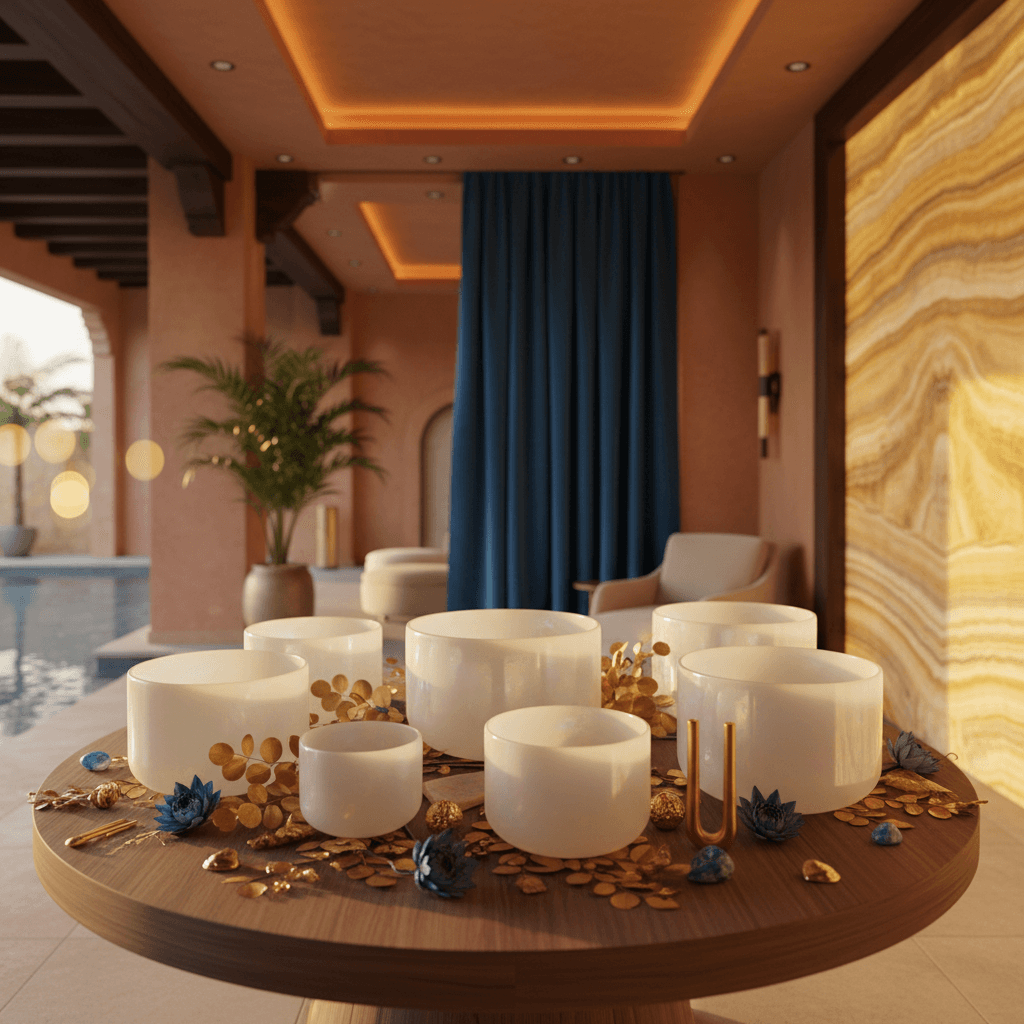
Soul Art sessions are meticulously crafted, utilizing a diverse array of resonant instruments, each chosen for its unique vibrational signature. These include Himalayan singing bowls, which offer rich overtones and deep resonant frequencies, and crystal singing bowls, known for their pure, sustained tones that can entrain brainwaves. Majestic gongs are also integral, delivering powerful full-body vibrations that are deeply felt, engaging both auditory and tactile senses simultaneously. The careful layering of these sounds and vibrations creates an immersive environment that encourages the brain’s natural tendency towards synchronization and increased connectivity.
Larissa Steinbach's expertise ensures that each session is more than just a listening experience; it is a profound multi-sensory journey designed to stimulate the brain's capacity for interconnectedness. By intentionally guiding clients through these vibrational landscapes, Soul Art aims to facilitate a state where mind and body communicate more fluidly, fostering a sense of expanded awareness and inner peace. This unique approach helps individuals explore their own internal landscapes, potentially leading to a richer, more integrated perception of their world, much like a glimpse into the harmonious reality of a synesthete.
"The brain, in its infinite complexity, holds secrets to perception and consciousness. Sound wellness, through its precise application of frequencies and vibrations, offers us a gentle key to unlock some of these innate capacities, fostering a more integrated and harmonious existence for all."
Your Next Steps
Embracing the potential of sound wellness for a more integrated sensory experience is an accessible journey that can begin today. By understanding how sound can influence your neural pathways and promote connectivity, you can intentionally incorporate practices that support your overall wellbeing. These practices are designed to complement your existing self-care routines and enhance your daily life.
Here are a few actionable steps you can take to begin your exploration:
- Mindful Listening: Dedicate time each day to truly listen to sounds around you, without judgment. Notice the textures, rhythms, and subtle qualities of ambient sounds, from nature’s symphony to your favorite music. This practice can sharpen your auditory perception and encourage a deeper connection to your environment.
- Explore Sonic Landscapes: Experiment with various forms of intentional sound. This could include listening to binaural beats for focus or relaxation, classical music for emotional uplift, or ambient soundscapes for calm. Observe how different sound environments impact your mood, energy levels, and cognitive state.
- Integrate Vibration: Pay attention to how vibrations feel in your body. Even simply humming or chanting can create internal vibrations that resonate through your bones and tissues. Consider incorporating a small tuning fork practice or gentle vibrational massage into your self-care routine.
- Set Intentions: Before engaging with sound, take a moment to set a clear intention. Whether it's for relaxation, clarity, creativity, or emotional release, an intention can amplify the benefits of your sound experience by focusing your mind and energy.
- Experience Professional Guidance: To fully immerse yourself in the transformative potential of sound wellness, consider experiencing a guided session. Soul Art offers expertly curated experiences designed by Larissa Steinbach, which leverage the scientific principles discussed, creating a profound journey into neural harmony and deep relaxation.
In Summary
Synesthesia offers us a fascinating glimpse into the brain's extraordinary capacity for cross-sensory integration and enhanced neural connectivity. It highlights a unique way our brains can intertwine different perceptions, creating a richer internal reality. This article has explored how sound wellness, a powerful and evidence-informed practice, aims to cultivate similar states of neural coherence and sensory integration for everyone.
Through mechanisms like brainwave entrainment and the intricate interplay of auditory and vibrational stimuli, sound sessions at Soul Art may support profound relaxation, cognitive enhancement, and emotional balance. Larissa Steinbach’s unique approach at Soul Art leverages these scientific understandings to create deeply immersive experiences. By engaging your brain’s natural ability to synchronize and connect, sound wellness invites you to experience a more integrated and harmonious state of being, enriching your perception of the world and yourself.
Bookings Coming Soon
Soul Art is still in preparation. Session details and booking will be published here after launch.
Coming Soon
Wellness Disclaimer: This article is for educational and informational purposes only. It does not constitute medical advice, diagnosis, or treatment. Soul Art Dubai provides non-medical wellness experiences focused on relaxation, stress management, and general wellbeing. Sound wellness is a complementary practice and should not replace professional medical care.
Related Articles
Cluster Headaches: Unveiling Pain and the Promise of Frequencies in Wellness
Epilepsy & Sound: Safety, Serenity, and Emerging Wellness Paths
Mastering Focus: Analytical Listening & Brain Engagement at Soul Art