Sound & Brain Power: Synaptic Pruning for Optimal Function

Key Insights
Explore how sound wellness supports synaptic pruning, refining neural pathways for enhanced cognitive function, memory, and emotional balance at Soul Art Dubai.
Have you ever wondered how your brain stays sharp, adaptable, and efficient amidst the constant influx of information? Imagine your brain as a beautifully intricate garden, perpetually growing new connections, but also needing careful tending. This tending involves a fascinating biological process called synaptic pruning, a vital mechanism that sculpts our neural networks, making them more agile and potent.
At Soul Art Dubai, founded by the visionary Larissa Steinbach, we explore how the profound frequencies of sound can gently yet powerfully influence this inherent brain process. This article delves into the science of how your brain refines its architecture and how sound wellness practices may support this journey towards optimal cognitive function and emotional equilibrium. Prepare to discover the unseen world within your skull and how conscious auditory experiences can become a key to unlocking greater mental clarity and resilience.
Synaptic Pruning: The Brain's Master Sculptor
The human brain is an extraordinary organ, constantly adapting and reorganizing itself in response to our experiences. Central to this adaptability is neuroplasticity, the brain’s ability to undertake functional and structural modifications. Within this dynamic landscape, synaptic pruning emerges as a critical, lifelong process.
What is Synaptic Pruning?
Synaptic pruning is essentially the brain's sophisticated decluttering system. It involves the removal of weak, redundant, or unused connections between neurons, known as synapses. This process dramatically sculpts the brain during development, from infancy through adolescence, and continues subtly into adulthood.
Think of it like trimming a rose bush; by cutting away extra stems and leaves, the remaining parts grow stronger and more vibrant. Similarly, by eliminating less useful synapses, the brain ensures that the most important and frequently used pathways become more efficient and robust. Research highlights that the degree of synaptic pruning post-learning often correlates with improved learning performance, suggesting its crucial functional role in cognitive enhancement.
The "Use It or Lose It" Principle
This elegant biological mechanism operates on a fundamental "use it or lose it" principle. Synapses that are frequently activated and strengthened, such as those involved in learning new skills or processing new information, are retained and reinforced. Conversely, those that remain inactive for extended periods tend to weaken, shrink, and are eventually pruned away.
This targeted elimination allows the brain to conserve energy and resources, making the neural network more sparse, faster, and more robust. It's a testament to the brain's remarkable energy efficiency and its continuous effort to optimize its architecture for peak performance. This intelligent self-optimization helps refine our cognitive abilities and memory.
Synaptic Plasticity: More Than Just Pruning
Synaptic pruning is one facet of a broader concept known as synaptic plasticity. This refers to the strengthening or weakening of synaptic links, either by modulating their strength or by altering their numbers. Two key processes contribute to this: Long-Term Potentiation (LTP) and Long-Term Depression (LTD).
LTP is associated with an increase in dendritic spine density, representing the formation of new connections and the strengthening of existing ones. In contrast, LTD is known to induce synaptic pruning, facilitating the elimination of less efficient connections. This intricate balance ensures that the brain can both build and refine its circuitry in response to ongoing experiences. Beyond pruning, brain refinement also involves myelination, which enhances the speed and accuracy of nerve transmissions, and sprouting, where neurons generate new branches to establish fresh links.
The Role of Experience-Dependent Changes
Our internal and external environments exert long-term influences that induce experience-dependent changes in neuronal connectivity. Studies involving various sensory experiences, like visual or auditory engagement, demonstrate how these interactions modify the size, morphology, and number of dendritic spines. This continuous modification constitutes the basis of experience-dependent synaptic plasticity.
For example, learning tasks strengthen certain synapses while weakening others. Synapses that are frequently used become strengthened and maintained, while weaker, unactivated synapses are shrunk and pruned. This continuous refinement ensures that our brain's "wiring diagram" remains efficient and adaptable, allowing for enhanced learning, memory formation, and overall cognitive function. Abnormal pruning, whether too much, too little, or at the wrong time, has been associated with disruptions in connection density seen in a spectrum of neurological and developmental conditions, underscoring the delicate balance required for optimal brain health.
How It Works in Practice
Understanding the science of synaptic pruning helps us appreciate the profound impact our daily experiences, particularly sensory ones, have on our brain health. Sound, as a powerful multisensory stimulus, plays a unique role in this process. When we engage with specific frequencies and harmonies, we aren't just listening; we are actively influencing our neural landscape.
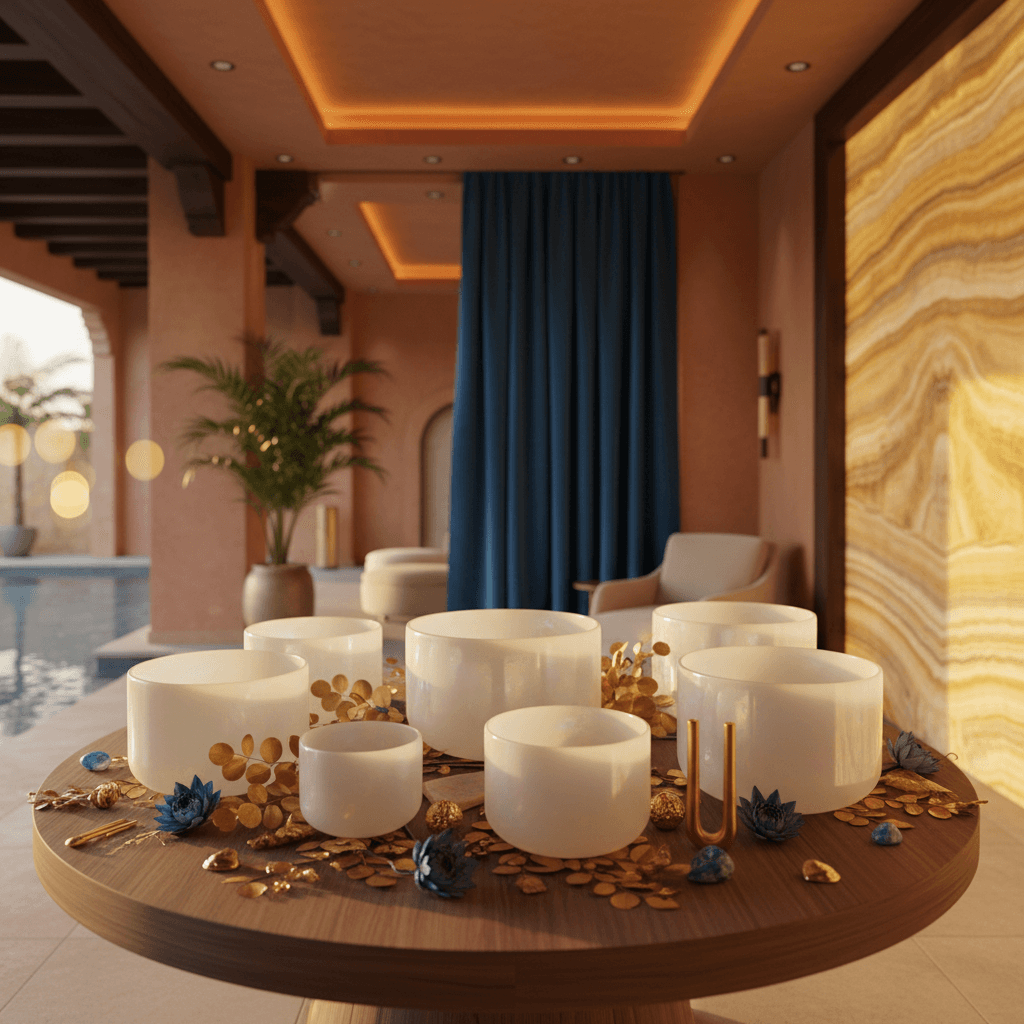
Imagine entering a sound wellness session at Soul Art. The rich, enveloping tones generated by instruments like Himalayan singing bowls, crystal bowls, and gongs don't merely create a pleasant atmosphere. They deliver intricate patterns of auditory information to your brain. This sensory input stimulates neural pathways, fostering both the strengthening of existing connections and the targeted refinement that leads to synaptic pruning. Many people report an enhanced sense of clarity and mental spaciousness after such sessions.
The deliberate creation of harmonic soundscapes encourages the brain to enter specific states, often associated with relaxation and meditation. In these states, brainwave patterns shift, which preliminary studies indicate may facilitate the brain’s natural processes of organization and renewal. Just as focused mental tasks strengthen relevant synapses, deeply relaxing and immersive sound experiences may help quiet extraneous neural noise, allowing for the gentle release of less-needed connections. This supports resource conservation and makes the neural network more efficient.
Clients at Soul Art often describe experiencing a noticeable shift in their mental state, moving from agitation or distraction to profound calm and focus. This can be interpreted as the subjective experience of a more harmonized and optimized neural network, where unnecessary "background chatter" has been reduced. The focused auditory input, particularly low-frequency components found in some sound instruments, may encourage the brain to hone its processing efficiency, aligning with research on how sound influences executive functioning. This holistic wellness practice offers a pathway to support the brain’s innate ability to self-regulate and optimize, providing a complementary approach to modern life's cognitive demands.
The Soul Art Approach
At Soul Art Dubai, Larissa Steinbach has meticulously crafted a unique methodology that harmonizes ancient wisdom with contemporary scientific understanding. Her approach to sound wellness is not just about relaxation; it's a sophisticated practice designed to engage the brain's innate capacity for self-optimization, including the subtle yet powerful process of synaptic pruning.
Larissa Steinbach's philosophy centers on creating an environment where the brain can naturally recalibrate. By curating specific sound frequencies and vibrations, Soul Art aims to guide clients into states of deep relaxation and focused awareness, where the brain’s own restorative mechanisms are encouraged. This includes fostering the optimal conditions for synaptic plasticity and, by extension, the beneficial process of pruning.
The uniqueness of the Soul Art method lies in its mindful selection and application of instruments. Larissa Steinbach masterfully employs a symphony of therapeutic tools, including resonant Himalayan singing bowls, pure quartz crystal singing bowls, powerful gongs, delicate chimes, and precisely calibrated tuning forks. Each instrument is chosen for its specific frequency range and vibrational quality, creating a rich tapestry of sound that resonates deeply within the body and brain. For example, the sustained, complex overtones of gongs can induce profound alpha and theta brainwave states, which are associated with deep meditative relaxation and enhanced neuroplasticity.
Through these carefully orchestrated sound journeys, Soul Art provides a sanctuary for the mind. Many people report that regular engagement with these sound experiences helps to quiet mental "noise," reduce feelings of overwhelm, and improve focus. This anecdotal evidence aligns with the scientific understanding that specific auditory stimulation may support the brain in discarding less useful neural pathways, leading to a clearer, more efficient cognitive landscape. It's a holistic wellness practice that recognizes the profound connection between sound, brain function, and overall well-being.
"The brain is a living symphony, constantly composing and refining itself. Through intentional sound, we offer it the opportunity to conduct its most beautiful and efficient score." – Larissa Steinbach
Your Next Steps
Embracing sound wellness as a practice for optimal brain function is an accessible and enriching journey. Here are some actionable steps you can take to integrate the principles of synaptic pruning and neuroplasticity into your daily life:
- Explore Immersive Sound Experiences: Seek out sound baths or guided meditation sessions that incorporate instruments like crystal bowls, gongs, or chimes. These experiences may help shift your brainwave patterns towards states conducive to relaxation and mental clarity, potentially supporting healthy neural organization.
- Curate Your Auditory Environment: Be mindful of the sounds you expose yourself to daily. While low-frequency noise exposure has been associated with cognitive disruption, intentionally listening to calming music or nature sounds may offer a gentler, more harmonizing input for your brain. Choose frequencies that promote a sense of peace and focus.
- Practice Mindful Listening: Engage in active listening, whether to music, podcasts, or even the sounds of your environment. This focused attention can strengthen neural pathways related to auditory processing and memory, embodying the "use it or lose it" principle in a positive way.
- Integrate Regular Relaxation: Stress and chronic overstimulation can impact brain health. Incorporating daily relaxation techniques, such as short sound meditations or deep breathing exercises, provides your brain with crucial periods for rest, integration, and the subtle refinement processes like synaptic pruning.
- Prioritize Learning and Novelty: Continuously challenge your brain with new information, skills, or experiences. Learning increases dendritic spine density, and combining this with periods of rest and sound engagement may create an optimal environment for both strengthening essential connections and gracefully pruning less relevant ones.
Ready to restore your nervous system and discover deep relaxation with the transformative power of sound? Larissa Steinbach and the team at Soul Art Dubai invite you to experience firsthand how conscious auditory engagement can support your journey towards a sharper, more balanced mind.
In Summary
Synaptic pruning is a fundamental and lifelong biological process, acting as the brain's internal editor, meticulously refining our neural networks for optimal efficiency and function. This "use it or lose it" mechanism underpins our ability to learn, remember, and adapt, ensuring our cognitive architecture remains robust and agile. Experience-dependent changes, influenced by our environment and daily practices, play a crucial role in directing this intricate sculpting.
At Soul Art Dubai, under the guidance of Larissa Steinbach, we leverage the profound power of sound as a complementary wellness practice to support these natural brain processes. By immersing ourselves in carefully curated soundscapes, we may encourage the brain to enter states conducive to relaxation, focused attention, and ultimately, a more harmonized neural landscape. This holistic approach to well-being offers a unique pathway to enhanced mental clarity, emotional balance, and a greater sense of inner peace. Discover the symphony within and allow Soul Art to help you tune your brain for its most optimal performance.
Bookings Coming Soon
Soul Art is still in preparation. Session details and booking will be published here after launch.
Coming Soon
Wellness Disclaimer: This article is for educational and informational purposes only. It does not constitute medical advice, diagnosis, or treatment. Soul Art Dubai provides non-medical wellness experiences focused on relaxation, stress management, and general wellbeing. Sound wellness is a complementary practice and should not replace professional medical care.
Related Articles

Cluster Headaches: Unveiling Pain and the Promise of Frequencies in Wellness

Epilepsy & Sound: Safety, Serenity, and Emerging Wellness Paths
Mastering Focus: Analytical Listening & Brain Engagement at Soul Art