Precision & Peace: Why Surgeons Need Sound Wellness for Peak Performance
Key Insights
Explore the profound impact of sound on surgical precision and patient recovery. Discover how sound wellness, pioneered by Larissa Steinbach at Soul Art Dubai, supports peak performance and holistic well-being for medical professionals.
The Unseen Symphony: How Sound Shapes Surgical Outcomes
Imagine a place where absolute precision, unwavering focus, and critical communication are paramount. This is the operating room, a highly sterile environment where lives are literally in the balance. Yet, behind the scenes, this controlled space is often anything but quiet. The persistent hum of machinery, sudden alarms, shouted instructions, and even casual conversations contribute to a sonic landscape that research increasingly links to everything from surgeon performance to patient recovery.
The concept might seem surprising: how could something as intangible as sound hold such sway over a surgeon’s delicate hand or a patient's healing journey? This article delves into the profound, scientifically-backed connection between the acoustic environment and surgical efficacy. We will explore how sound can be a hidden stressor, a cognitive disruptor, and conversely, how intentional sound wellness practices, as championed by Larissa Steinbach and Soul Art Dubai, offer a powerful, complementary approach to support the well-being and performance of medical professionals before, during, and after their most demanding procedures.
Understanding this dynamic is not just crucial for healthcare providers; it offers invaluable insights into how sound impacts our cognitive function, stress levels, and overall well-being in any high-stakes environment. What if mastering our sonic surroundings could unlock new levels of focus, reduce burnout, and foster a deeper sense of calm in our daily lives?
The Science Explained: Unpacking the Hidden Power of Sound
The operating theatre, though designed for optimal medical care, often harbors a hidden environmental factor that significantly impacts both the surgical team and patient outcomes: noise. Far from being a mere annoyance, various studies have illuminated how the ambient sounds and sudden sonic peaks in an operating room can profoundly affect cognitive function, stress levels, and even physical healing. Understanding these mechanisms is key to appreciating the potential of sound wellness.
Noise as a Cognitive Disruptor for Surgeons
For surgeons, whose work demands sustained concentration and precise motor skills, noise is a significant challenge. Research indicates a direct correlation between high noise levels and an increase in surgical errors. A notable study by Siu et al. (2013) analyzed over 1,000 surgical procedures and found that those performed in noisier environments had a significantly higher incidence of technical errors and complications. This suggests that the brain, when constantly bombarded by unwanted sound, struggles to maintain the razor-sharp focus required for intricate procedures.
The impact extends beyond simple distraction. Noise peaks, particularly sudden and high-level sounds, have been shown to actively hamper surgical team communication, reducing the exchange of case-relevant information that is integral to efficient workflow. This effect is often more prominent in junior surgical trainees, who may report being more distracted by even lower volumes of background noise and during critical times. While senior surgeons might perceive noise differently, the underlying cognitive burden remains. A study from the Data Science Institute at Columbia revealed that during stressful moments in the operating room, which can be triggered by a loud noise, surgeons made up to 66 percent more mistakes. This highlights how noise acts as a stressor, diminishing cognitive performance and increasing susceptibility to error.
The Physiological Toll: Stress, Communication, and Physical Health
The effects of noise are not purely psychological; they manifest physiologically. A prospective study involving 290 surgeons and anesthesiologists found that 87.6% considered noise to increase stress levels, and 83.8% believed it deteriorated the quality of teamwork. Furthermore, 86.2% reported that noise affected communication among staff, and 85.5% indicated it decreased their concentration, posing a direct threat to patient safety. This constant state of heightened alert, even at a subconscious level, can lead to chronic stress, impacting overall well-being and increasing the risk of burnout for medical professionals.
Beyond immediate performance, prolonged noise exposure in the operating room carries long-term health risks for staff. A scoping review on noise exposure in orthopedic operating rooms highlighted the significant risk of noise-induced hearing loss (NIHL) among surgeons and staff. One systematic review included in this research revealed that 51% of orthopedic surgery personnel exhibited evidence of NIHL after adjusting for expected age-related hearing loss. This troubling statistic underscores the need for proactive measures to mitigate the detrimental effects of surgical soundscapes. Despite efforts to implement active noise-reducing headphones, some surgeons are hesitant to use them, citing potential hinderance to communication—a critical barrier that sound wellness strategies may help overcome.
Patient Outcomes: More Than Just Recovery
The reverberations of operating room noise extend directly to patient recovery and complications. A study by Meyer et al. (2012) examined postoperative recovery in patients exposed to high-noise environments during surgery. The findings were stark: these patients experienced higher levels of postoperative pain, longer recovery times, and a greater incidence of complications such as wound infections and cardiovascular issues. This suggests that the body's stress response, triggered by the noisy environment even under anesthesia, can impede the natural healing process.
Furthermore, noise can affect patient perception of care and emotional well-being. Preliminary studies indicate that patients in the OR report experiencing different emotions depending on the sounds around them. While full anesthesia aims to minimize sensory input, the subconscious processing of sound can still influence emotional states. The research indicates that for some patients, the OR experience may lead to longer-term depression or anxiety. Conversely, the presence of calming sounds, like certain types of music, has been shown to have a positive impact on patients’ emotions, even when undergoing procedures. This evidence points towards a holistic view of patient care where the sonic environment plays a crucial role not just in physical recovery, but also in psychological comfort.
"The subtle orchestrations of sound, whether chaotic or harmonious, possess a profound power to sculpt our inner landscape, influencing everything from surgical precision to the very essence of healing."
How It Works in Practice: From OR Chaos to Intentional Calm
The scientific evidence clearly paints a picture of the operating room as a potentially hostile sonic environment. The cacophony of equipment, alerts, and conversations creates a complex challenge for the human nervous system, affecting both those performing the surgery and those receiving it. Translating this understanding into practical solutions involves recognizing how our brains process sound and then intentionally designing sound environments that support, rather than hinder, optimal states.
In the high-pressure world of surgery, where milliseconds matter and vigilance is non-negotiable, the detrimental effects of noise manifest in tangible ways. Surgeons report feelings of distraction during critical junctures, particularly trainees who are still honing their ability to filter out extraneous stimuli. This divided attention can lead to compromised decision-making, slower reaction times, and an increased likelihood of error, directly impacting patient safety. Imagine the cognitive load of interpreting complex medical data while simultaneously trying to block out an alarm or a loud conversation – it's a battle for mental resources that our brains are not optimally designed to win under such conditions.
For patients, the impact of sound is often underestimated, especially given that many are under anesthesia. However, the body's subconscious stress response mechanisms remain active. High noise levels can trigger the release of stress hormones, which may contribute to systemic inflammation and compromise the immune system, thereby potentially prolonging recovery times and increasing susceptibility to complications. Even pre-operatively, the sounds of the operating room can induce anxiety, elevating heart rate and blood pressure, which can complicate the induction of anesthesia and overall patient experience. This underscores the need to consider the patient's entire journey, from pre-op preparation to post-op recovery, through a sonic lens.
This understanding extends far beyond the operating room. Most individuals in modern, fast-paced environments encounter their own versions of "operating room noise"—be it a demanding workplace, a bustling home, or the constant digital notifications that vie for attention. Just as surgeons need to optimize their focus, we all benefit from mastering our sonic environments. Implementing mindful sound practices means consciously choosing sounds that promote calm, concentration, and emotional balance, rather than simply reacting to the ambient noise. For example, using specific calming frequencies or meditative soundscapes can help mitigate the effects of environmental stressors, allowing the nervous system to downregulate and restore a sense of equilibrium. This intentional approach shifts us from being passive recipients of sound to active curators of our well-being.
The Soul Art Approach: Cultivating Inner Resonance with Larissa Steinbach
At Soul Art Dubai, Larissa Steinbach champions a transformative approach to wellness that deeply resonates with the need for intentional sound management highlighted by surgical research. Her philosophy recognizes that just as disruptive sounds can impede focus and recovery, carefully curated sonic environments can enhance mental clarity, reduce stress, and promote profound healing. Soul Art's method is not about masking noise; it's about replacing sonic chaos with harmonious frequencies that recalibrate the nervous system.
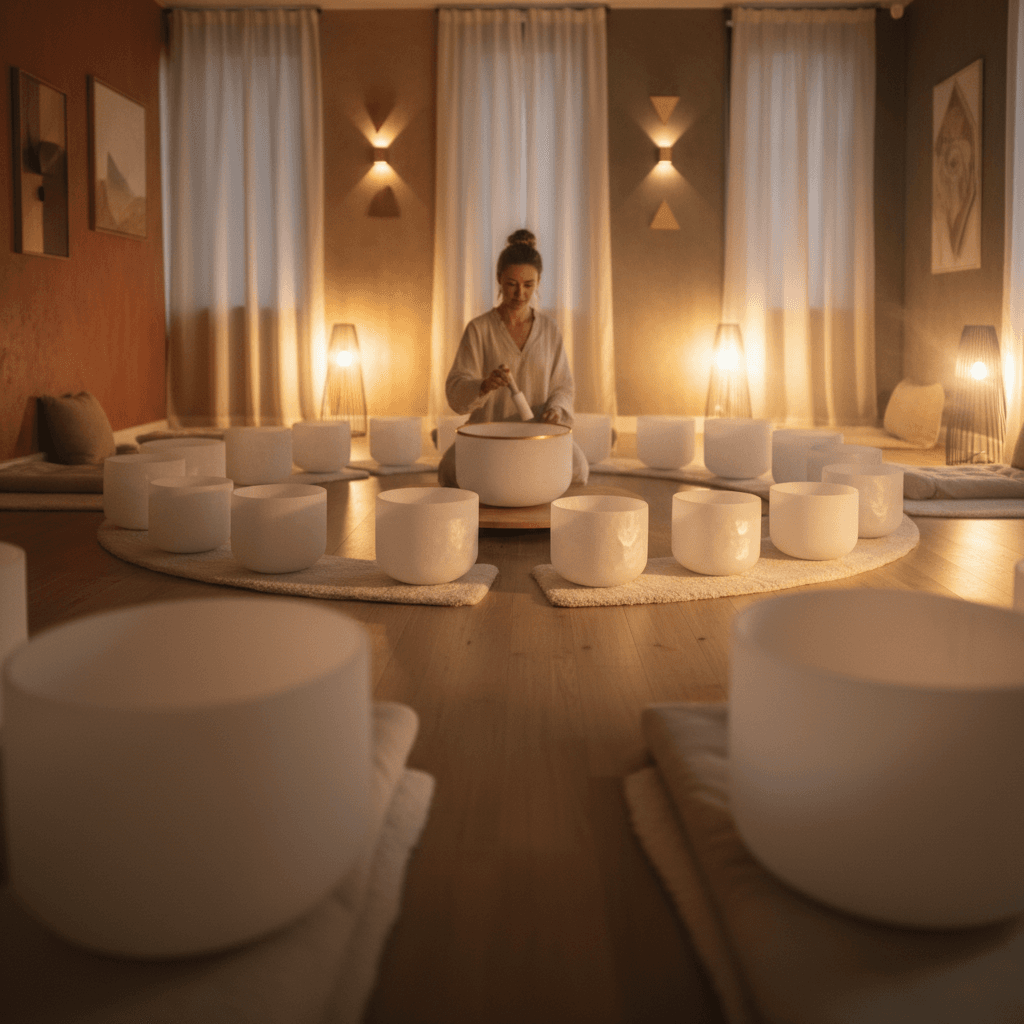
Larissa Steinbach, with her profound understanding of sound and its therapeutic applications, has developed a unique methodology that offers a stark contrast to the noisy operating theatre. Soul Art focuses on the power of specific sound frequencies and vibrations to induce deep relaxation and mental coherence. Unlike the jarring, unpredictable sounds of an OR that trigger stress responses, the sounds at Soul Art—produced by masterfully played instruments like Himalayan singing bowls, crystal bowls, gongs, and chimes—are designed to entrain brainwaves to states associated with deep relaxation, meditation, and even restorative sleep.
What makes the Soul Art method particularly unique is its blend of ancient wisdom and modern scientific understanding. Each session is meticulously crafted to create an immersive auditory experience where the frequencies and vibrations work on a cellular level, promoting a sense of inner calm and equilibrium. For individuals working in high-stress environments, such as surgeons, or anyone experiencing the modern-day equivalent of "OR noise," these sessions offer a vital sanctuary. They provide an opportunity for the mind and body to release accumulated tension, quiet the incessant mental chatter, and restore a sense of grounded presence. The resonant tones gently guide participants into a meditative state, fostering mental clarity, reducing anxiety, and enhancing emotional resilience—all crucial elements for optimal cognitive function and overall well-being.
Your Next Steps: Integrating Sound for Enhanced Well-being
Understanding the profound impact of sound, especially in high-pressure environments, empowers us to take proactive steps towards cultivating better well-being. While you may not be a surgeon in an operating room, the principles of managing your sonic environment for optimal performance and peace are universally applicable. Here are practical ways you can begin to integrate sound wellness into your daily life today:
- Mindful Listening Breaks: Throughout your day, take short breaks to actively listen to your environment. Can you identify sounds that cause subtle tension or distraction? Once identified, consciously seek out moments of quiet or introduce calming sounds. Even five minutes of listening to gentle music or nature sounds can reset your nervous system.
- Curate Your Sonic Environment: Be intentional about the sounds you allow into your personal and professional spaces. This might mean investing in noise-canceling headphones for focus, creating specific playlists for different tasks (e.g., focus-enhancing instrumental music, calming ambient sounds for winding down), or simply turning off unnecessary background noise like a constantly running TV.
- Explore Therapeutic Frequencies: Begin to explore the vast world of sound wellness. Listen to recordings of singing bowls, gongs, or binaural beats, which are designed to entrain your brainwaves to states of relaxation or focus. Many apps and online resources offer guided sound meditations that can be a powerful tool for stress reduction and mental clarity.
- Practice Intentional Silence: In a world saturated with sound, actively seeking out moments of silence can be incredibly restorative. Spend time without any auditory input, allowing your mind to quiet and your nervous system to re-regulate. This practice can enhance your ability to focus and process information more effectively when you do engage with sound.
- Experience Professional Sound Wellness: For a truly immersive and deeply restorative experience, consider booking a session at a dedicated sound wellness studio like Soul Art Dubai. Guided by experts like Larissa Steinbach, these sessions offer a carefully constructed sonic journey designed to recalibrate your nervous system, release deep-seated stress, and foster a profound sense of inner peace. It's an investment in your mental acuity, emotional balance, and overall resilience.
Taking these steps can help you mitigate the "noise" of modern life, enhance your cognitive performance, and cultivate a deeper sense of calm.
In Summary: The Resonance of Well-being
The intricate dance between sound, stress, and performance is undeniable, particularly within the demanding realm of surgery. We’ve explored compelling scientific evidence demonstrating how ambient noise in operating rooms can significantly impair surgeons' concentration, elevate stress levels, and even extend patient recovery times and increase complications. Conversely, intentional sound can profoundly soothe, focus, and heal.
Just as the operating theatre environment demands meticulous attention to every detail, our daily lives call for a conscious consideration of the sounds that shape our experiences. Embracing sound wellness is not merely a luxury; it is a vital practice for anyone seeking enhanced cognitive function, reduced stress, and holistic well-being. Larissa Steinbach and Soul Art Dubai stand at the forefront of this movement, offering expertly guided sound experiences designed to transform chaotic frequencies into harmonious resonance, helping you find your center amidst life's demands.
Bookings Coming Soon
Soul Art is still in preparation. Session details and booking will be published here after launch.
Coming Soon
Wellness Disclaimer: This article is for educational and informational purposes only. It does not constitute medical advice, diagnosis, or treatment. Soul Art Dubai provides non-medical wellness experiences focused on relaxation, stress management, and general wellbeing. Sound wellness is a complementary practice and should not replace professional medical care.
Related Articles

Chefs: Mastering Kitchen Pressure Through Sound Wellness

Sound for Death Workers: Managing Stress for Funeral Directors

Sound Wellness: Respite for Retail's Customer-Facing Heroes