Harmonic Pathways: Sound-Based Neurological Rehabilitation for Stroke Recovery
Key Insights
Explore how sound wellness, championed by Larissa Steinbach at Soul Art Dubai, may support neurological rehabilitation and enhance recovery after a stroke.
The journey to recovery after a stroke can be one of the most challenging experiences an individual and their loved ones face. While traditional rehabilitation methods are vital, a growing body of scientific inquiry is shedding light on innovative, complementary approaches that may offer enhanced support for neurological healing. Imagine harnessing the profound power of sound to stimulate brain pathways, foster neuroplasticity, and gently guide the brain toward renewed function.
At Soul Art Dubai, we explore these cutting-edge frontiers of wellness, offering sound-based practices designed to complement conventional rehabilitation efforts. This article delves into the fascinating science behind sound-based neurological rehabilitation, illuminating how carefully crafted auditory experiences, under the guidance of experts like Larissa Steinbach, may support the complex process of stroke recovery. You’ll discover how sound can become a harmonious partner in regaining motor skills, enhancing cognitive functions, and cultivating emotional well-being after a neurological event.
The Science Behind Sound-Based Neurological Rehabilitation
The human brain possesses an extraordinary capacity for adaptation and reorganization, a phenomenon known as neuroplasticity. This inherent ability is the cornerstone of stroke recovery, allowing undamaged brain regions to take over functions previously performed by damaged areas. Sound-based interventions, particularly those involving music and rhythm, have emerged as a compelling area of study for their potential to stimulate and facilitate this crucial reorganization.
The Brain's Symphony: Neuroplasticity and Sound
Scientific research consistently demonstrates that the brain responds profoundly to auditory stimuli. Studies on neurological rehabilitation and sound therapy highlight how music-based interventions integrate motor training principles and multimodal stimulation, effectively aiming to improve upper limb motor function post-stroke. This integration leverages the brain's natural responsiveness to sound.
Early research, such as that by Paltsev and Elner in 1967, explored changes in the functional state of the spinal cord's segmental apparatus under the influence of sound, noting its role in voluntary movement. Later, Rossignol and Melvill Jones investigated audiospinal influences in humans, observing its possible role in rhythmic movement synchronized to sound. These foundational studies paved the way for understanding how sound can directly impact motor control at a neural level.
Neuroimaging studies have further illuminated the intricate brain networks involved in processing rhythmicity, identifying clearly-defined parietal, cerebellar, and frontal areas. These regions are critical for motor planning, coordination, and execution. By engaging these areas through rhythmic sound, we may provide a powerful stimulus for neuroplastic changes.
Rhythmic Auditory Stimulation (RAS) and Motor Recovery
One of the most well-researched applications of sound in neurological rehabilitation is Rhythmic Auditory Stimulation (RAS). This technique uses a steady, metronome-like beat to entrain and regulate motor patterns. Thaut et al. demonstrated in 1992 that rhythmic auditory cuing can significantly affect stride and electromyography (EMG) patterns in normal gait, illustrating its potential for motor retraining.
In stroke recovery, RAS has been specifically applied to address motor impairments. Music-supported therapy (MST), a form of RAS, has shown effectiveness in post-stroke rehabilitation of motor function in several clinical trials. These studies, including one published in Nature, indicate that MST may contribute to improving upper-limb motor function and overall walking ability in hemiparetic stroke patients. While the precise therapeutic mechanisms are still being explored, many researchers suggest that improved motor function is mediated through cortical reorganization and enhanced motor learning.
Music interventions can support recovery in conditions like stroke by enhancing cognitive functions, motor skills, and emotional well-being. This multimodal approach means that sound is not just an external cue but an integral part of a complex sensory experience that promotes active engagement and neuronal rewiring. The Art of Sound Healing points out that various sound vibrations, including music and nature sounds, have been shown to improve cognitive functions and mental activity, offering new strategies for supporting neurological well-being.
Cognitive and Emotional Well-being
Beyond motor skills, sound therapy also offers significant potential for enhancing cognitive functions and improving mood, which are often impacted by stroke. Cognitive deficits, such as difficulties with attention, memory, and executive functions, are common post-stroke. Sound-based interventions can serve as a form of "auditory training" that may help sharpen these cognitive faculties.
For instance, research by Noto et al. in Japan reported that a patient with left spatial neglect improved attention toward the left side after training with a xylophone, using ascending keys from right to left. Similarly, Kouya and Saito found that patients with left spatial neglect extended personal hygiene activities to the left side of the face after training with a reversely set xylophone and playing melodies emphasizing ascending pitch patterns. This indicates how sound can be used to re-direct attention and motor planning, addressing specific neurological deficits.
Furthermore, the emotional impact of stroke can be profound, leading to depression, anxiety, and social isolation. Sound therapy, by its very nature, is deeply relaxing and restorative. It can help regulate the nervous system, reduce stress hormones, and foster a sense of calm and well-being. This emotional support is critical, as a positive emotional state and reduced stress are strongly associated with better rehabilitation outcomes and overall quality of life. Holistic wellness practices that address both the physical and emotional aspects of recovery are increasingly recognized for their value.
Experiencing Sound-Based Neurological Support
Connecting the robust scientific understanding of sound and brain function to practical application is where the true potential of sound-based neurological support unfolds. It's not merely about listening to pleasant melodies; it’s a carefully designed, active, and often personalized process that seeks to engage the brain in specific ways. These sessions aim to complement the intensive, focused work of traditional rehabilitation by providing an enriched environment for healing.
Beyond Passive Listening: Active Engagement
Sound-based neurological rehabilitation often involves more than just passive reception of sound. It frequently incorporates active engagement, where individuals participate in sensory and motor tasks synchronized with auditory cues. For example, specific rhythmic patterns may be used to guide movements, helping individuals to re-learn coordination and timing. This method, often referred to as Neurologic Music Therapy (NMT), uses active perception and performance models to retrain and re-educate brain and behavior functions.
Clients might engage with simple instruments like chimes, drums, or even specially adapted musical devices, synchronizing their movements with auditory feedback. This creates a powerful feedback loop: the brain sends a motor command, the movement produces a sound, and that sound then reinforces the motor learning. This "auditory feedback" is crucial in motor control and learning, helping to solidify new neural pathways. The principle is that by linking movement to precise rhythmic and melodic structures, the brain can more effectively rebuild motor programs.
The selection of sounds, rhythms, and even specific instrument types is tailored to the individual's needs and rehabilitation goals. For someone working on gait, a steady rhythmic beat might be used. For upper limb control, more intricate melodic or harmonic patterns might be introduced. The goal is to stimulate specific neurological responses that support recovery, making the experience both engaging and therapeutically beneficial.
Creating an Enriched Environment for Recovery
Evidence-based reviews of stroke rehabilitation emphasize that neurological and functional recovery can occur in both acute and chronic phases post-stroke. Rehabilitation is shown to be most beneficial when started early, but recovery of stroke-related impairments is still possible even years later. A key factor influencing this recovery is an "enriched environment." Sound-based wellness practices contribute significantly to creating such an environment.
An enriched environment is one that provides continuous, novel, and stimulating experiences, encouraging the brain to adapt and reorganize. Sound sessions, with their carefully chosen auditory stimuli, offer a unique form of enrichment. They can help maintain neural activation, attention, and sensory processing, all vital components of recovery. The intensity and consistency of these interventions are also important, as ongoing engagement fosters greater neuroplasticity.
The calming and restorative nature of sound therapy further contributes to an enriched healing environment. By reducing stress and anxiety, sound experiences can optimize the physiological conditions for recovery. When the nervous system is relaxed, the brain is more receptive to learning and adaptation. This holistic approach, combining cognitive and motor stimulation with emotional support, underscores the comprehensive impact sound can have on overall health and well-being.
"The brain, in its infinite wisdom, yearns for harmony. When disrupted, sound can become the gentle conductor guiding it back to its natural rhythm."
The Soul Art Method: A Bespoke Path to Wellness
At Soul Art Dubai, we believe that true wellness is a deeply personal journey, especially after a significant neurological event like a stroke. Under the visionary guidance of Larissa Steinbach, our approach to sound-based neurological support is meticulously designed to be complementary to traditional medical care. We offer a bespoke path to well-being, focusing on enhancing neurological rehabilitation through carefully curated soundscapes and resonant experiences.
Our method at Soul Art is rooted in the understanding that each individual’s brain and body respond uniquely to sound. Larissa Steinbach begins with a thorough understanding of each client's specific needs, challenges, and wellness goals. This personalized assessment allows her to tailor soundscapes that are not only deeply restorative but also strategically aligned with the individual’s recovery journey, always with the utmost respect for their medical history and current rehabilitation plan.
What makes the Soul Art method truly unique is the integration of both ancient wisdom and contemporary scientific understanding. We utilize a diverse array of high-quality instruments known for their profound vibrational qualities:
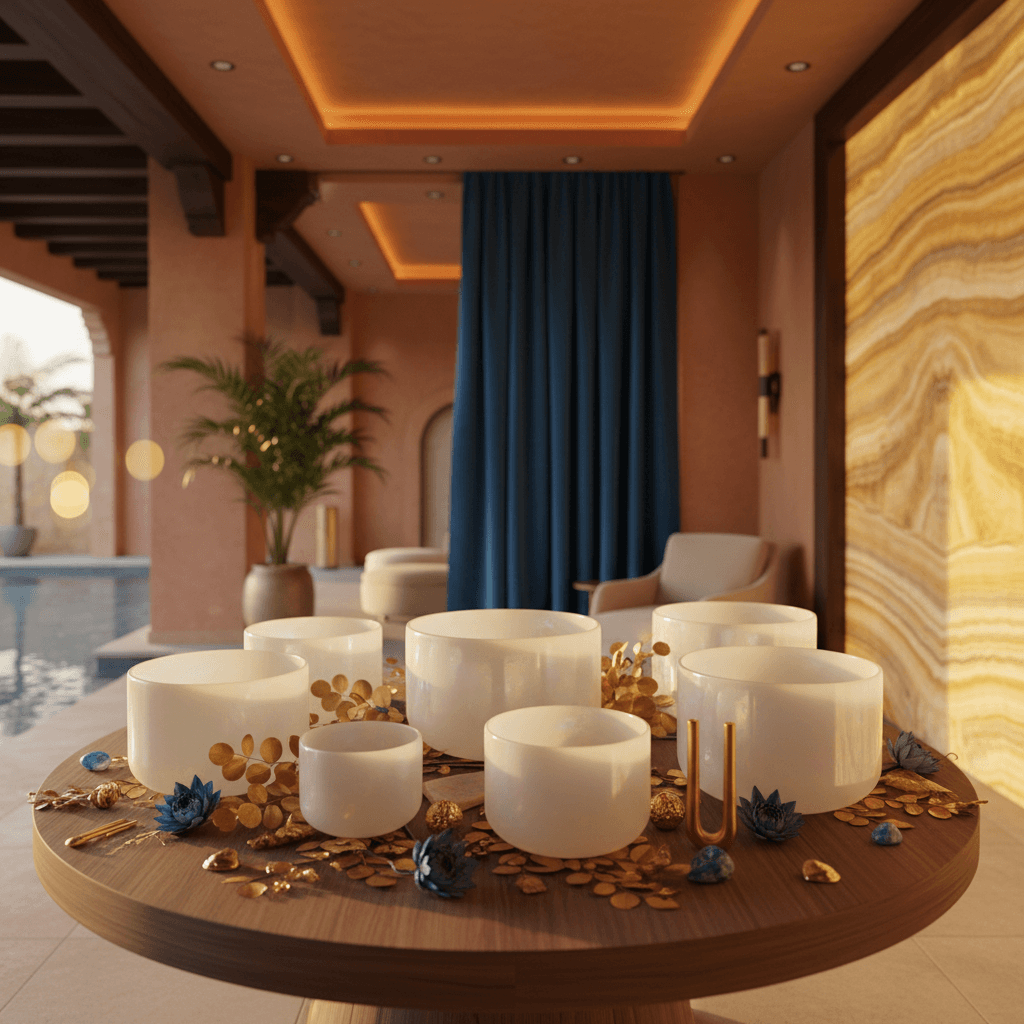
- Crystal Singing Bowls: Their pure, resonant tones are believed to balance energy centers and induce deep states of relaxation, which may facilitate a calm nervous system essential for healing.
- Gongs: The complex overtones of gongs create a sonic environment that can encourage neural entrainment, gently guiding brainwave frequencies towards more restorative states.
- Chimes and Tuning Forks: These instruments are used for precise, localized applications, potentially stimulating specific areas through focused vibration and auditory feedback, which can be particularly useful in areas related to sensory integration.
Larissa Steinbach carefully orchestrates these sounds, creating rhythmic elements, melodic patterns, and resonant frequencies that may support neurological reorganization. For instance, specific rhythms may be introduced to encourage motor patterning, or harmonious tones to foster cognitive focus and reduce mental fatigue. The goal is to create a multi-sensory experience that engages the auditory, tactile, and emotional systems, thereby providing a rich tapestry of stimulation for the brain.
At Soul Art, every session is a sanctuary—a deeply restorative and supportive atmosphere where clients can experience profound relaxation and a sense of renewed hope. We are committed to offering a holistic wellness practice that addresses the mental, emotional, and energetic aspects of recovery, working in synergy with established medical and rehabilitation protocols.
Empowering Your Wellness Journey: Next Steps
Navigating the path of stroke recovery requires patience, persistence, and a willingness to explore all available avenues that may support well-being. Incorporating complementary practices like sound wellness into your routine can be a profound step towards fostering neurological health and enhancing your overall quality of life. Here are some actionable steps you can consider today:
- Consult Your Medical Team: Always discuss any new wellness practices, including sound-based approaches, with your healthcare providers. It’s essential to ensure they align with your current medical treatment plan and rehabilitation goals.
- Explore Complementary Practices: Research and consider various complementary wellness modalities that resonate with you. Sound wellness, yoga, meditation, and mindful movement are all practices that may support nervous system regulation and holistic well-being.
- Maintain a Consistent Wellness Routine: Consistency is key for any recovery journey. Whether it's daily gentle exercises, mindful breathing, or incorporating soundscapes into your relaxation time, regular practice can reinforce positive changes and build resilience.
- Focus on an Enriched and Supportive Environment: Surround yourself with stimuli that encourage learning, relaxation, and emotional well-being. This includes engaging with hobbies, spending time in nature, and fostering positive social connections, alongside exploring sound-based experiences.
- Consider a Consultation at Soul Art: If you are intrigued by the potential of sound-based neurological support, we invite you to connect with Soul Art Dubai. Larissa Steinbach can discuss how our personalized sound wellness sessions may complement your recovery journey, providing a unique dimension to your self-care practice.
In Summary: Harmonic Pathways to Recovery
Stroke recovery is a testament to the brain's remarkable capacity for healing, a journey that can be significantly supported by innovative and holistic wellness practices. Sound-based neurological rehabilitation offers a compelling complementary approach, leveraging the power of rhythm, frequency, and harmony to engage the brain's neuroplasticity. By stimulating motor pathways, enhancing cognitive functions, and fostering emotional well-being, sound wellness may provide a valuable adjunct to traditional rehabilitation.
Under the expert guidance of Larissa Steinbach at Soul Art Dubai, these personalized sessions aim to create an enriched healing environment, offering profound relaxation and focused neurological support. While it is never a substitute for medical treatment, integrating sound into a comprehensive recovery plan may open new pathways to enhanced function and a greater sense of peace. We invite you to explore how the subtle yet powerful vibrations of sound can contribute to your journey toward renewed well-being.
Bookings Coming Soon
Soul Art is still in preparation. Session details and booking will be published here after launch.
Coming Soon
Wellness Disclaimer: This article is for educational and informational purposes only. It does not constitute medical advice, diagnosis, or treatment. Soul Art Dubai provides non-medical wellness experiences focused on relaxation, stress management, and general wellbeing. Sound wellness is a complementary practice and should not replace professional medical care.
Related Articles

Cluster Headaches: Unveiling Pain and the Promise of Frequencies in Wellness
Epilepsy & Sound: Safety, Serenity, and Emerging Wellness Paths
Mastering Focus: Analytical Listening & Brain Engagement at Soul Art