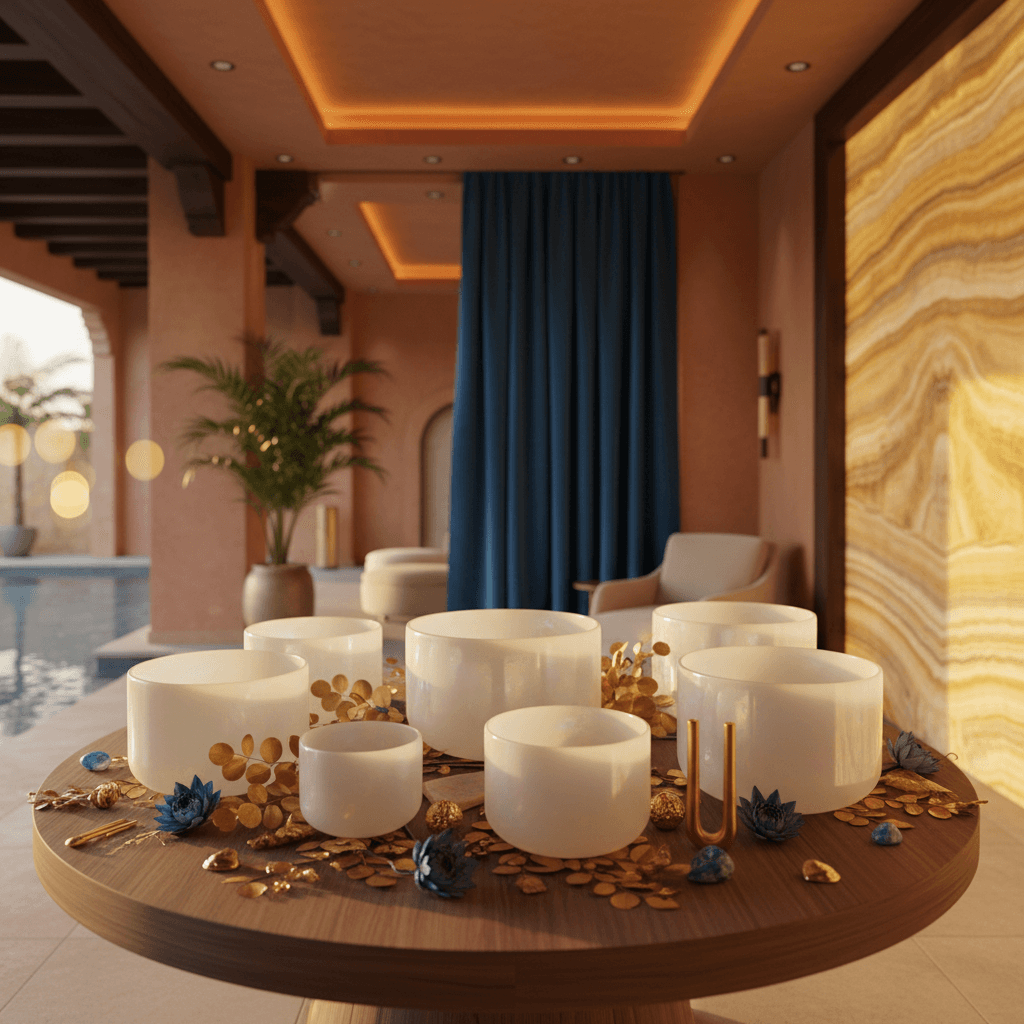
The Science of Sound: Activating Your Parasympathetic System
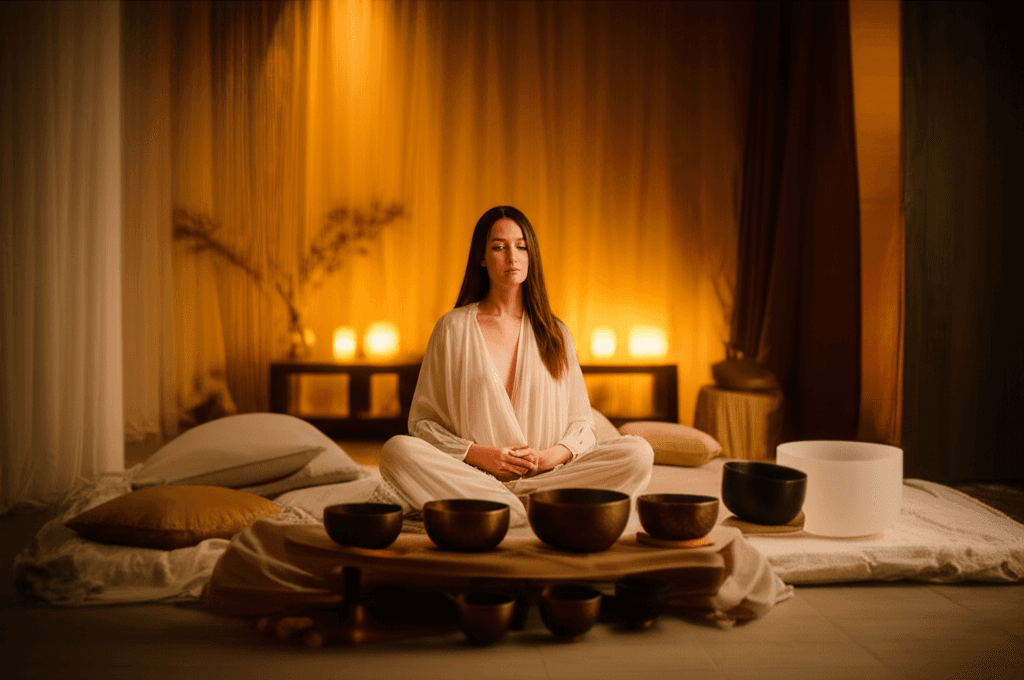
Key Insights
Discover the science behind stress hormones and the parasympathetic sound response. Learn how Soul Art uses sound to lower cortisol and activate your body's natural relaxation state.
Have you ever noticed that profound, full-body sigh of relief after a stressful event has passed? The moment your racing heart begins to slow, your tense shoulders drop, and a wave of calm washes over you. This isn't just a feeling; it's a complex neurobiological process, a signal that your body's internal braking system has taken over. This system is known as the parasympathetic nervous system, and in our modern, over-stimulated world, learning how to activate it on demand is no longer a luxury—it's essential for our wellbeing.
What if you could consciously trigger this state of deep rest and recovery, not by chance, but through the intentional use of sound? Scientific research is now illuminating what ancient traditions have known for centuries: specific auditory frequencies can directly influence our nervous system, guiding it away from stress and towards serenity. This article explores the fascinating science of the parasympathetic sound response, revealing how we can leverage sound to down-regulate stress hormones like cortisol and restore our bodies to a state of natural, healing equilibrium.
The Body's Internal Orchestra: Stress Hormones and the Nervous System
To understand how sound can promote such profound relaxation, we must first appreciate the delicate balance within our Autonomic Nervous System (ANS). The ANS controls our body's unconscious actions—like breathing, heart rate, and digestion—and is composed of two primary, complementary divisions: the sympathetic and the parasympathetic.
The 'Fight-or-Flight' Cascade: Understanding the Sympathetic Response
The sympathetic nervous system (SNS) is our body's accelerator pedal. When faced with a perceived threat—be it a looming work deadline or a genuine physical danger—the brain's emotional center, the amygdala, signals an alarm. This triggers a powerful cascade through the hypothalamus-pituitary-adrenal (HPA) axis, flooding the body with stress hormones like adrenaline and cortisol.
This "fight-or-flight" response is a brilliant evolutionary survival mechanism. It produces immediate physiological changes to prepare you for action:
- Heart Rate: Increases to pump blood to muscles.
- Breathing: Accelerates to boost oxygen intake.
- Pupils: Dilate to enhance vision.
- Digestion: Slows or stops to divert energy to vital organs.
While crucial for short-term survival, chronic activation of the SNS due to modern life's relentless stressors keeps us in a state of overdrive. This sustained elevation of cortisol can contribute to a host of wellness challenges, including high blood pressure, digestive issues, sleep disturbances, and persistent feelings of anxiety.
The 'Rest-and-Digest' Counterpart: Introducing the Parasympathetic Nervous System
In contrast, the parasympathetic nervous system (PSNS) is our body's braking system. Its primary role is to promote the "rest-and-digest" or "feed-and-breed" functions that conserve energy and facilitate recovery. When the PSNS is dominant, our physiology shifts towards restoration:
- Heart Rate: Decreases.
- Breathing: Slows and deepens.
- Digestion: Stimulates to process nutrients.
- Muscles: Relax.
The vagus nerve is the superhighway of the parasympathetic nervous system, a wandering nerve extending from the brainstem to the abdomen, connecting to the heart, lungs, and digestive tract. Stimulating the vagus nerve is a direct way to activate the PSNS. A key indicator of healthy PSNS function, or "vagal tone," is Heart Rate Variability (HRV)—the natural variation in time between heartbeats. Higher HRV is associated with better stress resilience and emotional regulation.
How Sound Rewires the System
This is where the transformative power of sound enters the picture. Research is providing compelling evidence that specific auditory stimuli can directly influence the ANS, encouraging a shift from sympathetic dominance to parasympathetic calm.
A study in the Journal of Music Therapy found that calming, slow-tempo music led to a significant decrease in sympathetic nervous system activity and cortisol levels. Conversely, fast-tempo music increased these markers. This indicates a direct, measurable link between sound and our stress response.
Further studies have highlighted the effects of more targeted sound interventions. Research on military personnel with post-deployment stress, for example, found that music embedded with theta binaural beats was particularly effective. The group listening to this specialized music showed an increase in high-frequency HRV—a clear marker of increased parasympathetic activity—and reported lower daily stress levels compared to those listening to music alone. Binaural beats work by playing slightly different frequencies in each ear, prompting the brain to create a third, internal frequency that can guide brainwave activity toward deeply relaxed states, such as theta (associated with meditation) or delta (associated with deep sleep).
From Theory to Sensation: The Felt Experience of a Sound Bath
Understanding the neuroscience is one thing, but experiencing the parasympathetic sound response is a deeply personal, sensory journey. When a client first arrives at Soul Art for a sound bath, they often carry the physical tension of a sympathetically-charged day: shallow breathing, clenched jaw, and a mind racing with to-do lists.
As the session begins, the initial sounds—perhaps the deep, resonant hum of a crystal singing bowl or the gentle shimmer of chimes—wash over the room. At first, the mind may resist, trying to analyze the sounds or clinging to its worries. But the immersive nature of the soundscape soon begins to work its magic. The vibrations are not just heard with the ears; they are felt in the body.
The first sign of a shift is often in the breath. Without conscious effort, it begins to slow and deepen, a direct signal to the vagus nerve that it is safe to relax. This is followed by a release of physical tension. The shoulders soften, the hands unclench, and a pleasant warmth may spread through the limbs as blood vessels dilate and circulation improves. This is the physiological signature of cortisol levels beginning to fall.
"The body has an innate intelligence for healing. Sound doesn't force this process; it simply creates the optimal conditions for the body to remember its natural state of balance and coherence."
As the journey continues, the complex overtones of a gong might create a sense of timelessness, allowing the prefrontal cortex—the brain's executive decision-maker—to quiet down. The mental chatter fades, replaced by a state of present-moment awareness. This is the subjective experience of the brain shifting into slower, more restorative brainwave patterns, like alpha and theta. By the end of the session, the body is in a state of profound rest, a testament to the power of the parasympathetic nervous system being fully engaged.
The Soul Art Method: Curating Frequencies for Deep Restoration
At Soul Art, we approach sound wellness as both an art and a science. Founded by Larissa Steinbach, our method is built upon a deep understanding of the principles discussed here, combining ancient wisdom with contemporary neuroscientific insights to create truly transformative experiences. It's not about simply playing calming music; it is a meticulously curated journey for your nervous system.
We utilize a range of specific instruments chosen for their unique acoustic properties and their ability to promote a parasympathetic response:
- Alchemy Crystal Singing Bowls: These bowls are forged with quartz crystal and infused with precious gems, minerals, and metals. They produce incredibly pure, resonant tones and powerful vibrations that can be felt throughout the body, helping to release stored tension and entrain brainwaves to a state of calm.
- Symphonic Gongs: When played with skill, gongs create a complex and immersive soundscape rich with overtones. This "wall of sound" can help to overwhelm the analytical mind, making it easier to surrender to the experience and enter a meditative state.
- Therapeutic Chimes and Tuning Forks: These instruments are often used to target specific frequencies that are associated with relaxation and balance, providing a delicate yet powerful layer to the overall soundscape.
What makes the Soul Art approach unique is Larissa Steinbach's ability to intuitively and scientifically guide each session. By reading the energy of the room and understanding the needs of the participants, she layers sounds and frequencies to create a dynamic journey that gently guides the nervous system from a state of stress to one of deep, restorative peace.
Integrating Calm into Your Daily Life
Activating your parasympathetic nervous system is a practice, and you can begin cultivating it in your daily life. While a professional sound bath offers a uniquely deep and immersive experience, these simple steps can help you build stress resilience.
Here are a few practices you can implement today:
- Mindful Listening: Take five minutes to simply listen to your environment without judgment. Notice the subtle sounds you usually filter out. This practice of focused attention can help calm a racing mind.
- Curate a 'Parasympathetic Playlist': Create a collection of slow-tempo music (around 60 beats per minute), ambient soundscapes, or recordings of binaural beats in the alpha or theta range. Play it during your commute or while you work to create a calming auditory environment.
- Humming and Chanting: The vibration created by humming is a simple yet potent way to stimulate your vagus nerve. Try humming your favorite tune for a few minutes and notice the calming effect on your body.
- Pair Sound with Breath: Combine your listening practice with slow, deep diaphragmatic breathing. Inhale for a count of four, hold for four, and exhale slowly for a count of six. This combination directly signals safety to your nervous system.
For a deeper, professionally guided experience designed to reset your nervous system, exploring a sound bath at Soul Art can be a powerful next step in your wellness journey.
The Resonance of Wellbeing
In the symphony of our lives, our nervous system is the conductor. A life dominated by the sympathetic "fight-or-flight" response leads to dissonance and exhaustion. Chronic stress keeps this system in overdrive, impacting everything from our mood to our long-term health.
The science is clear: sound is not merely passive entertainment. It is an active, powerful, and non-invasive tool that can communicate directly with our nervous system. By leveraging specific frequencies and resonant vibrations, we can consciously engage our parasympathetic "rest-and-digest" system, lowering stress hormones and guiding our bodies back to their innate state of balance.
At Soul Art, we are dedicated to harnessing this profound connection between sound, science, and soul. We invite you to step out of the noise of daily life and experience the transformative resonance of deep, physiological calm for yourself.
Bookings Coming Soon
Soul Art is still in preparation. Session details and booking will be published here after launch.
Coming Soon
Related Articles
Cluster Headaches: Unveiling Pain and the Promise of Frequencies in Wellness
Epilepsy & Sound: Safety, Serenity, and Emerging Wellness Paths
Mastering Focus: Analytical Listening & Brain Engagement at Soul Art