Stress Contagion: Leaders' Calm is Your Team's Resilience

Key Insights
Learn how leader stress spreads through teams and discover science-backed strategies to model calm, foster resilience, and enhance performance with Soul Art Dubai.
Have you ever walked into a room and instantly felt the tension, even before a single word was spoken? Or perhaps you've noticed how a leader's demeanor can swiftly shift the entire mood of a team meeting, for better or worse. This isn't just anecdotal observation; it's the profound phenomenon of emotional contagion, a silent yet powerful force in every human interaction, especially within dynamic team environments.
For leaders, understanding and managing this invisible current is not merely a "nice-to-have" personal development trait. It is a fundamental leadership competency that directly influences team performance, innovation, and overall organizational resilience. In the bustling corporate landscape of Dubai, where demands are high and stakes are significant, the ability to model calm is an invaluable asset.
This article delves into the fascinating science behind stress contagion, exploring how a leader's emotional state can ripple through an entire organization. We will uncover practical, research-backed strategies to cultivate a serene and focused presence, empowering you to intentionally spread calm confidence rather than unconscious stress. Ultimately, mastering emotional regulation for your team's wellbeing is a strategic move, and here at Soul Art, founded by Larissa Steinbach, we believe it's an essential journey.
The Invisible Current: Understanding Stress Contagion
Emotional contagion is a well-documented psychological phenomenon where emotions, both positive and negative, spread from one person to another, often subconsciously. Think of it as an emotional "flu" that travels through a group. Daniel Goleman, a prominent psychologist and author of "Emotional Intelligence," emphasizes this, stating, "The leader’s mood is quite literally contagious, spreading quickly and influencing the emotional climate of the team."
At its core, emotional contagion is rooted in our neurobiology. Our brains are hardwired for social connection and mimicry. Mirror neurons, for instance, fire both when we perform an action and when we observe someone else performing it, creating a direct neural link. This "primitive" form of emotional contagion means we often unconsciously imitate the facial expressions, postures, and vocal tones of those around us, which in turn can trigger corresponding emotional states within us.
The Leader's Amplifying Role
Leaders, by virtue of their position and visibility, are particularly potent sources of emotional transmission. Employees naturally look to their leaders for cues on how to interpret and respond to a given situation. This makes a leader's emotional state a powerful determinant of the team's collective mood and performance.
When a leader experiences and displays unmanaged stress, it can quickly escalate into widespread panic within the team, undermining their ability to think clearly and make sound decisions. The research is clear: if you and your team are stressed, fearful, or worried, your decision-making and capacity to process information are negatively affected. Conversely, positive emotions foster improved employee attitudes, creativity, and job performance.
Effective leaders, especially during crisis management, distinguish between appropriate stress and unmanaged stress. Appropriate stress signals urgency and focuses attention, communicating that "This is important and we will handle it." In contrast, unmanaged stress broadcasts, "This is overwhelming and I'm not sure what to do," leading to a detrimental fight-or-flight response among team members. This critical distinction is what researchers call "calm urgency." Leaders who demonstrate calm urgency convey seriousness without broadcasting panic, encouraging thoughtful action rather than reactive chaos.
The Lasting Echo: Longevity of Leader Stress
The impact of a leader's emotional state isn't fleeting; it can cast a long shadow over a team's well-being. A panel study on occupational stress transfer revealed surprisingly persistent stress contagion effects. Even one year after managers initially reported symptoms of occupational stress, their stress levels significantly correlated with their employees' perception of stress.
Approximately 10 percent of managers' stress carried over into their employees' stress levels, a pervasive effect that extends beyond immediate interactions. While this effect may diminish over time, often fading within three years, its year-long presence highlights a significant challenge. This prolonged exposure to a leader’s unmanaged stress can erode team cohesion, reduce engagement, and even increase absenteeism and turnover. It shapes the access to resources and controls other important aspects of the work environment, creating a cycle of stress that impacts the very fabric of the organization.
Leaders who fail to manage their emotional spillover inadvertently create cultures where individuals spend energy managing their leader's emotional state rather than focusing on their best work. This drains mental and emotional resources, hindering creativity, collaboration, and overall resilience. The message is clear: emotional regulation is not just for personal well-being; it's a strategic imperative for business results and a psychologically safe workplace.
How It Works in Practice
The scientific understanding of stress contagion manifests powerfully in the daily life of an organization. Consider a leader who frequently arrives at meetings visibly agitated, speaking in a hurried tone, and displaying restless body language. Even without explicit communication, team members pick up on these subtle cues. Their own heart rates may subtly increase, muscles might tense, and a generalized sense of anxiety can permeate the room. This isn't a conscious choice; it's a primal, physiological response to perceived threat, unconsciously mirroring their leader's state.
This often leads to a defensive team dynamic. Employees become hesitant to share ideas that might be seen as "extra work" or "another problem." Creativity can stagnate as the focus shifts to self-preservation and avoiding triggering the leader's stress. Decision-making becomes less thoughtful and more reactive, driven by a desire to quickly resolve issues rather than explore optimal solutions. The work environment grows volatile, and personal stress becomes harder to compartmentalize.
Conversely, imagine a leader who consistently projects calm confidence, even amidst high-pressure situations. Their voice remains steady, their posture open, and their communication clear and considered. This intentional display of composure signals safety and capability to the team. It creates an emotional buffer, allowing team members to approach challenges with a sense of focus rather than fear.
Such a leader fosters an environment where appropriate stress, signaling importance, can motivate performance without veering into panic. Team members feel more psychologically safe, encouraging them to collaborate openly, engage in creative problem-solving, and take thoughtful risks. The positive emotional contagion from the leader supports a resilient and high-performing culture, rather than undermining it. It underscores that emotional regulation is a critical leadership competency, directly impacting business results.
The Soul Art Approach
At Soul Art, Dubai's premier sound wellness studio, Larissa Steinbach understands that cultivating inner calm is a profound leadership advantage. Our approach is rooted in the belief that emotional regulation is not merely a personal pursuit but a core leadership capability that directly impacts team dynamics and organizational success. We empower leaders to shift from unconsciously spreading stress to intentionally radiating calm, focused energy.
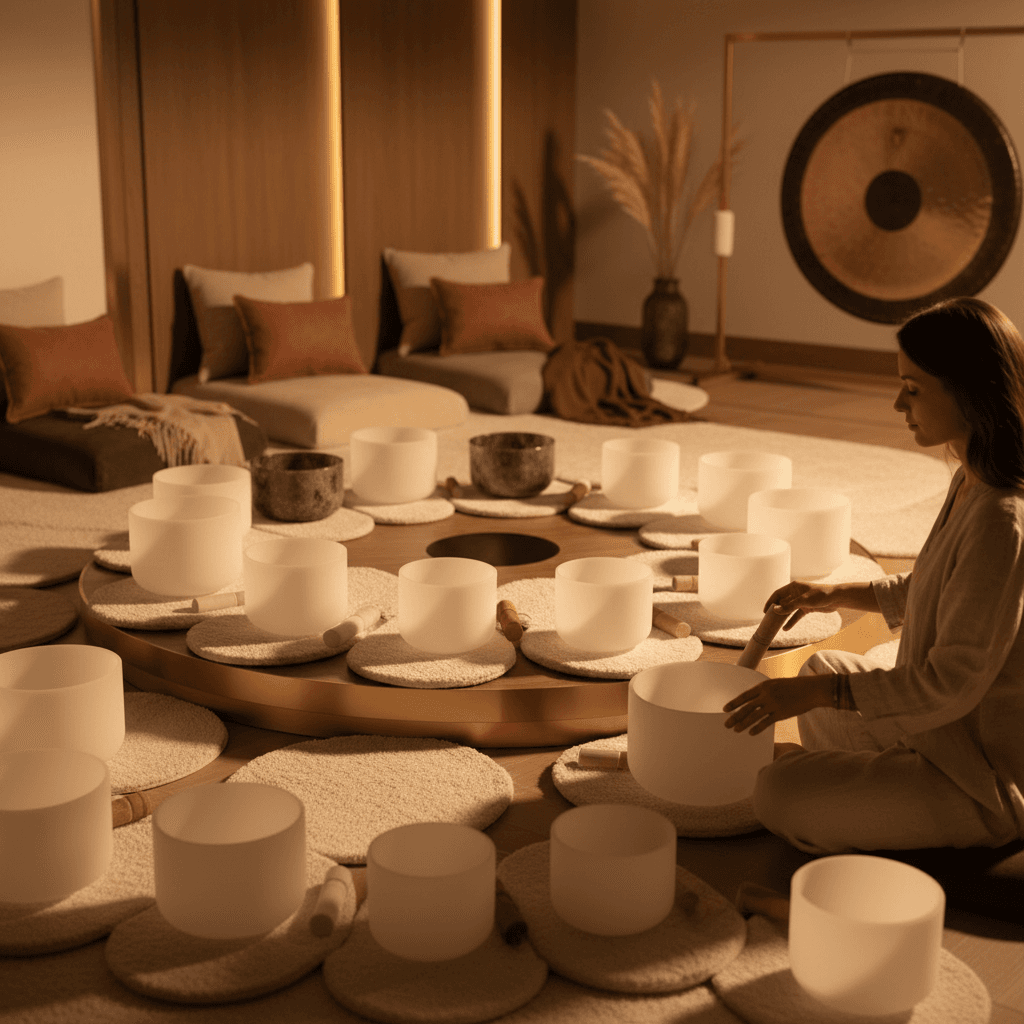
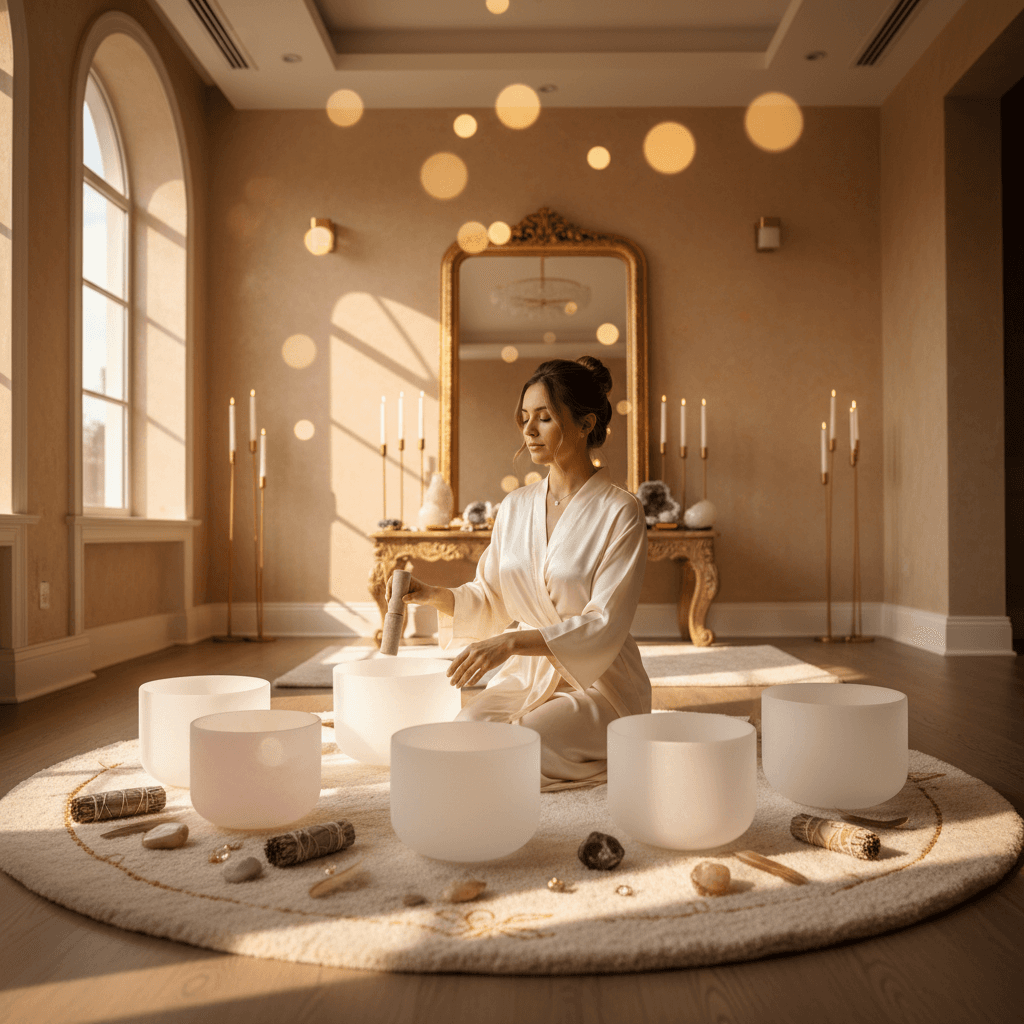
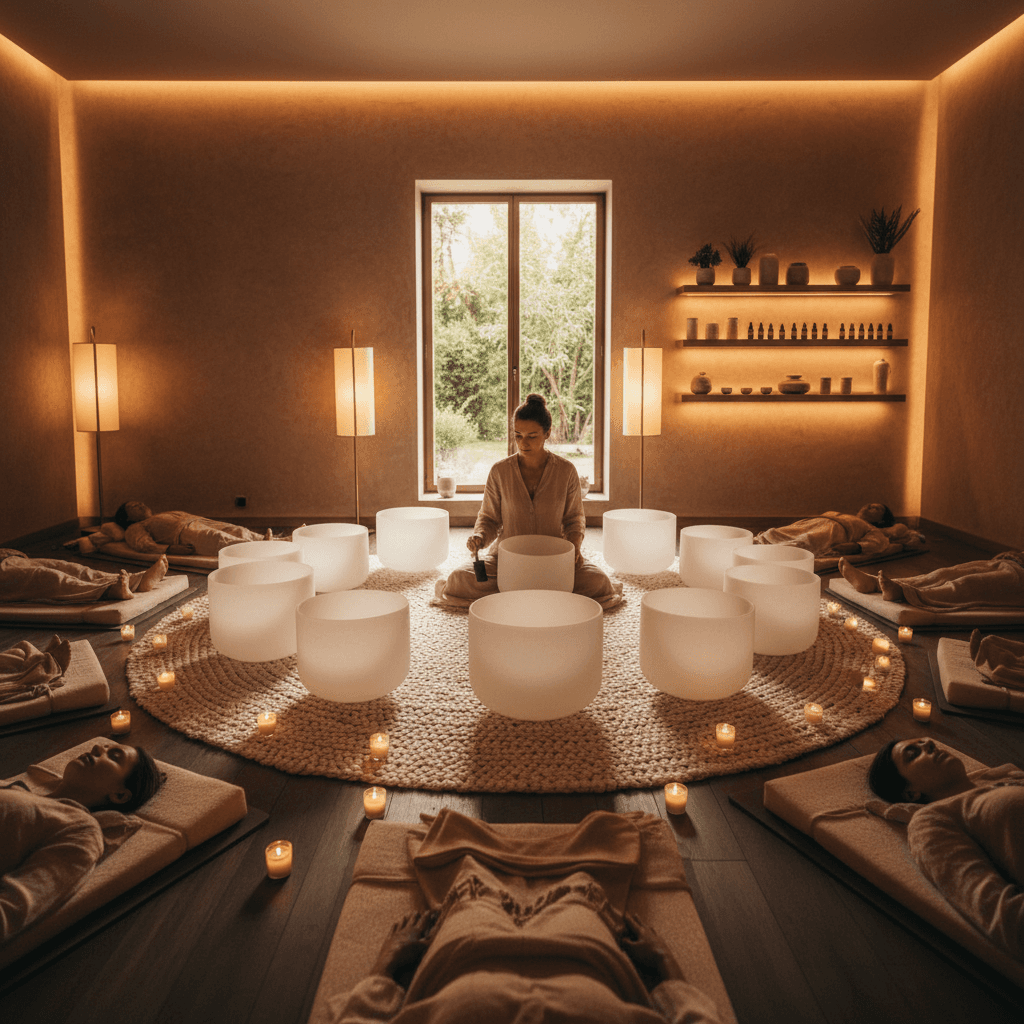
Larissa Steinbach curates transformative sound wellness experiences designed to deeply reset the nervous system. Our sessions utilize a harmonious blend of ancient and modern instruments, including resonant Himalayan singing bowls, powerful gongs, soothing crystal bowls, and gentle chimes. The specific frequencies and vibrations created during a sound bath encourage the brain to shift into more relaxed brainwave states, such as alpha and theta.
This physiological shift supports the activation of the parasympathetic nervous system, the body's "rest and digest" mode. For leaders, this means a tangible reduction in internal stress and anxiety, fostering enhanced mental clarity and emotional resilience. It's an opportunity to disengage from the constant mental chatter and re-connect with a deeper sense of presence and inner peace.
Soul Art sessions are more than just relaxation; they are an intentional practice in cultivating a steady internal state. By regularly immersing themselves in these resonant frequencies, leaders may support their ability to approach challenges with "calm urgency" and greater emotional clarity. It’s about building a robust internal reservoir of tranquility, enabling them to communicate intentions and emotional states with greater awareness and positive impact. The quiet luxury of the Soul Art experience provides a serene sanctuary, allowing leaders to develop this vital competency amidst Dubai's demanding pace.
Your Next Steps
Cultivating calm as a leader is an ongoing journey, but one with immense returns for both your personal well-being and your team's success. Here are actionable steps you can implement today to begin modeling calm and fostering a more resilient workplace:
- Practice Self-Awareness & Emotional Check-ins: Regularly pause throughout your day to check in with your own emotional state. Ask yourself: "What am I feeling right now?" and "Is this emotion appropriate for the situation, or is it my personal stress response?" This emotional clarity is the first step toward intentional communication.
- Embrace Strategic Pauses: In high-stakes situations, resist the urge to react immediately. As Harvard Business School Professor Nancy Koehn notes, Abraham Lincoln cultivated the practice of "doing nothing in the moment" during crises. Take a deep breath, count to ten, or step away for a minute before responding. This small pause can make a significant difference in your composure and decision-making.
- Communicate with Calm Urgency: When conveying serious information or tight deadlines, choose your words and tone carefully. Emphasize the importance and necessity of quick action, but frame it as a challenge you will collectively overcome, rather than an overwhelming crisis. Your non-verbal cues (calm voice, steady gaze) are just as powerful as your words.
- Prioritize Personal Well-being Practices: Recognize that your emotional regulation starts with self-care. Incorporate practices like mindful breathing, short meditation breaks, or sound wellness sessions into your routine. These practices may support a more balanced nervous system, building your capacity to handle pressure with grace.
- Cultivate Intentional Emotional Contagion: Understand that you are always communicating something with your emotional state. Decide what emotional states you want to spread – perhaps focused energy, thoughtful urgency, or collaborative optimism – and consciously embody them.
By integrating these practices, you can become a beacon of calm, transforming workplace stress from a destructive force into a manageable motivator.
In Summary
The science of emotional contagion unequivocally shows that a leader's emotional state is a powerful, often subconscious, force shaping the entire team's dynamics. From impacting decision-making and creativity to influencing long-term stress levels, the emotions you project are always communicating something. Leaders who master emotional regulation transform potential panic into productive performance, fostering resilience and collaboration.
At Soul Art, Larissa Steinbach helps leaders cultivate this essential competency through deeply restorative sound wellness experiences. By nourishing your inner calm, you not only enhance your personal well-being but also strategically elevate your team's capacity for success. Choose to be the calm in the storm, and watch your team thrive.
Bookings Coming Soon
Soul Art is still in preparation. Session details and booking will be published here after launch.
Coming Soon
Wellness Disclaimer: This article is for educational and informational purposes only. It does not constitute medical advice, diagnosis, or treatment. Soul Art Dubai provides non-medical wellness experiences focused on relaxation, stress management, and general wellbeing. Sound wellness is a complementary practice and should not replace professional medical care.
Related Articles
Sound Resilience for First-Time Managers: Thrive as a New Leader
Harmonizing Global Teams: Sound Healing for Time Zone Stress
Transforming Workplace Conflict: Sound for Team Harmony