Sound Wellness for Special Educators: Thriving in High-Demand Roles
Key Insights
Discover how sound wellness practices can support special education teachers in managing stress, enhancing focus, and promoting resilience in their vital, high-demand profession. Explore Soul Art's unique approach.
The Resilient Educator: Sound Wellness in High-Demand Special Education
The role of a special education teacher is profoundly vital, yet inherently demanding. From crafting individualized education plans (IEPs) to navigating diverse student needs and managing dynamic classroom environments, these professionals face unique pressures that can lead to significant stress and burnout. In fact, research indicates a persistent demand for special education teachers, partly due to the disproportionate growth of students identified with disabilities and the heavy caseloads these educators often carry (Russ et al., 2001; Smith-Davis & Billingsley, 1993). This context underscores a critical question: how can we empower these dedicated individuals to sustain their passion and effectiveness without compromising their own well-being?
At Soul Art, Dubai's premier sound wellness studio led by Larissa Steinbach, we understand that nurturing the well-being of high-demand professionals, particularly in education, is not just beneficial—it is essential. This article delves into the scientifically-backed benefits of sound wellness, exploring how its principles, much like the evidence-based practices (EBPs) crucial in special education itself, can provide a powerful framework for stress management, enhanced focus, and profound resilience for those shaping the future of exceptional learners. We will uncover the neurological underpinnings of sound's impact, illustrate its practical applications, highlight Soul Art's distinctive approach, and provide actionable steps for integrating sound into your self-care regimen.
The Science of Sound for Stress Resilience
The human body and mind are remarkably responsive to auditory input. While special education teachers dedicate themselves to implementing scientifically proven practices in their classrooms, recognizing the scientific basis for their own self-care is equally important. Just as the "What Works Clearinghouse" (WWC) establishes rigorous criteria for evidence in educational practices, the field of sound wellness increasingly leverages scientific inquiry to understand its profound effects on human physiology and psychology.
The Nervous System & Stress Response
Teaching in special education can place constant demands on the sympathetic nervous system, often referred to as our "fight or flight" response. This prolonged activation can lead to chronic stress, manifesting as fatigue, irritability, and decreased cognitive function, impacting both personal health and professional efficacy (Kokkinos & Davazoglu, 2009). The constant need for supervision, the complexities of student progress, and the dedication to meeting varied needs contribute significantly to this physiological load.
Sound wellness practices are designed to activate the parasympathetic nervous system, initiating the body's "rest and digest" response. This shift promotes physiological changes that counteract stress, such as lowered heart rate, reduced blood pressure, and muscle relaxation. It’s a deliberate down-regulation of the nervous system, offering a much-needed respite for those in high-demand roles.
How Sound Influences Brainwaves
Our brains operate at different frequencies, measurable in brainwaves, which correlate with various states of consciousness. Sound, particularly specific frequencies and rhythmic patterns, has the ability to guide these brainwave states through a process known as brainwave entrainment.
- Beta waves (13-30 Hz): Associated with alert, focused concentration and problem-solving, common during teaching tasks.
- Alpha waves (8-12 Hz): Linked to relaxed wakefulness, meditation, and creative thinking. Sound practices often induce this state, fostering a sense of calm readiness.
- Theta waves (4-7 Hz): Connected to deep relaxation, meditation, intuition, and memory consolidation. Entering theta can be profoundly restorative.
- Delta waves (less than 4 Hz): Associated with deep, dreamless sleep and physiological healing. Very low frequency sounds can facilitate access to these restorative states.
By gently guiding the brain towards alpha and theta states, sound wellness may support improved mental clarity, enhanced creativity, and deeper relaxation, offering teachers a pathway to cognitive restoration. This scientifically grounded approach aligns with the principles of evidence-based practice, where careful consideration is given to the impact of interventions.
Hormonal Impact & Emotional Regulation
Beyond brainwaves, sound vibration and auditory experiences can influence our neurochemical landscape. Preliminary research suggests that engagement with sound wellness practices may lead to a reduction in stress hormones like cortisol. Simultaneously, there has been an association with increased levels of beneficial neurotransmitters, such as:
- Serotonin: Known as the "feel-good" hormone, contributing to feelings of well-being and happiness.
- Dopamine: Involved in reward, motivation, and pleasure.
- Oxytocin: The "bonding hormone," which may support feelings of calm and social connection.
This neurochemical rebalancing can significantly impact emotional regulation, equipping special education teachers with greater emotional resilience to navigate the daily challenges of their profession. By fostering a more stable internal environment, sound wellness may support a more balanced emotional response to stressors.
The Parallel to Evidence-Based Practices (EBPs)
In special education, the emphasis on Evidence-Based Practices (EBPs) is paramount, ensuring that educators use "scientifically proven practices" in their classrooms (Odom et al., 2005). The U.S. Department of Education's What Works Clearinghouse (WWC) acts as a central source for identifying interventions with strong evidence, primarily from randomized controlled trials (What Works Clearinghouse, 2011). This same dedication to scientific rigor, though applied to personal well-being rather than instructional methods, underpins the approach to sound wellness.
While sound wellness for teachers is a complementary self-care practice and not an EBP for students, the commitment to understanding its mechanisms through scientific inquiry mirrors the foundational principles of special education. Preliminary evidence, such as systematic reviews on sound-based interventions for children (PMC, listeningtherapy.ie PDFs), highlights the growing interest in understanding how sound can impact functional outcomes and participation in education. For teachers, the focus shifts to how sound may support their own cognitive function, emotional stability, and overall well-being, enabling them to implement EBPs with greater consistency and presence.
From Theory to Tranquility: The Practical Application of Sound Wellness
Understanding the science of sound is one thing; experiencing its profound effects is another. For special education teachers, whose days are filled with structured lesson plans and direct instructional strategies like Explicit Instruction or Differentiated Instruction (AbleSpace Blog), stepping into a sound wellness session offers a powerful contrast—an opportunity for unstructured, receptive healing.
The Sound Journey Experience
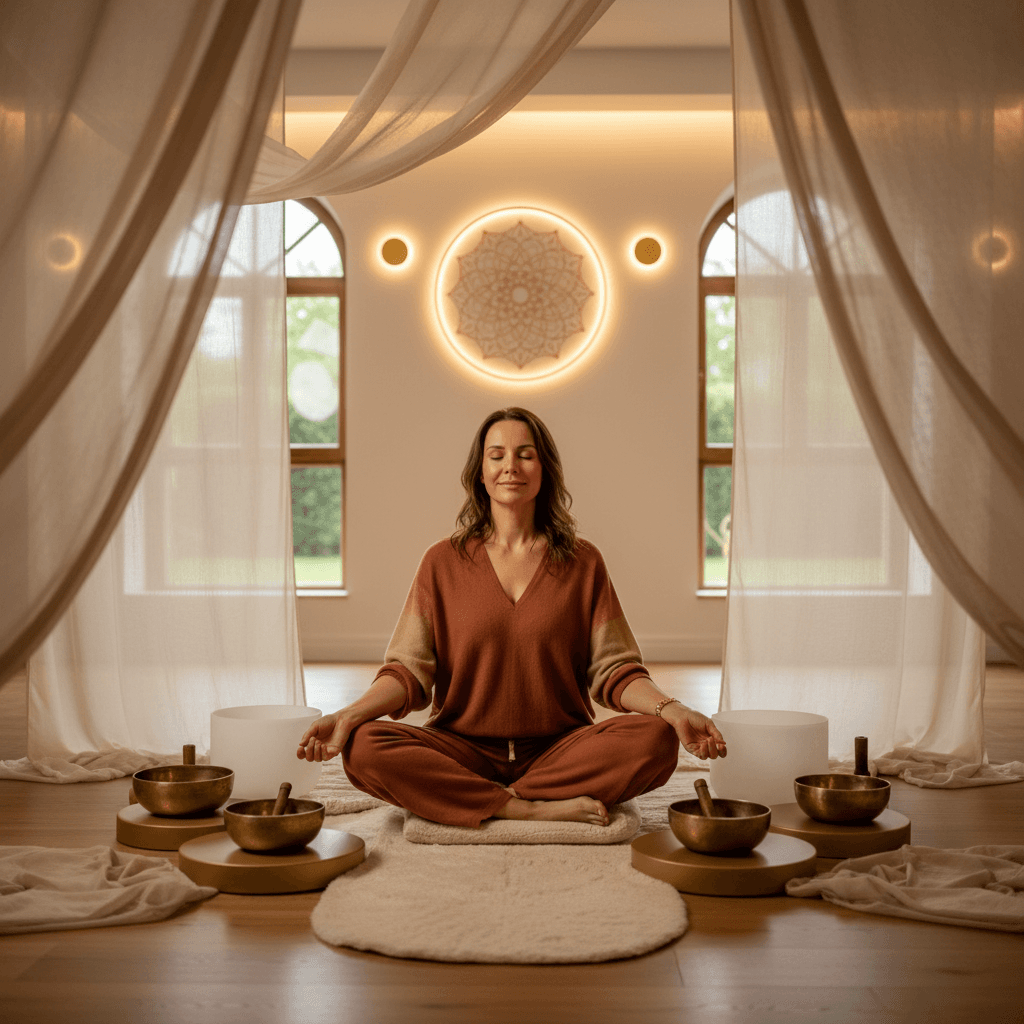
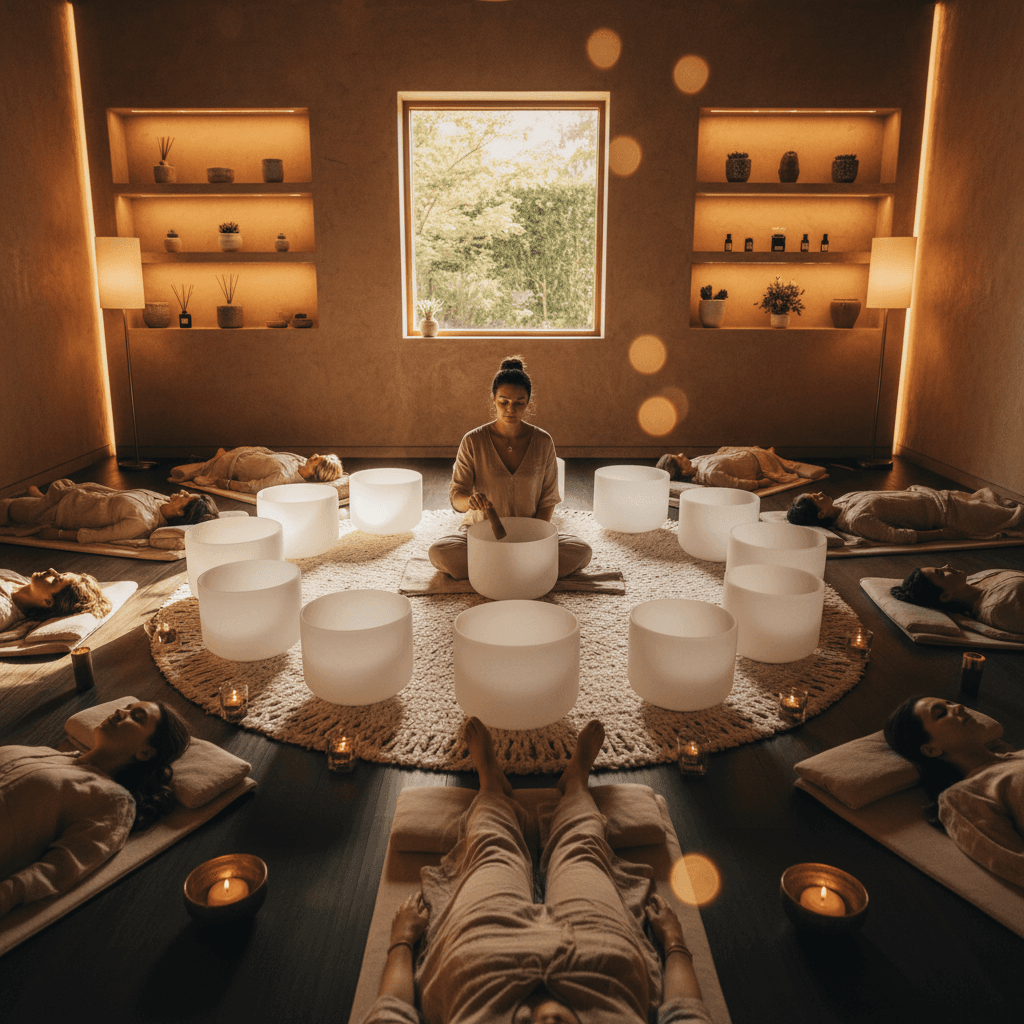
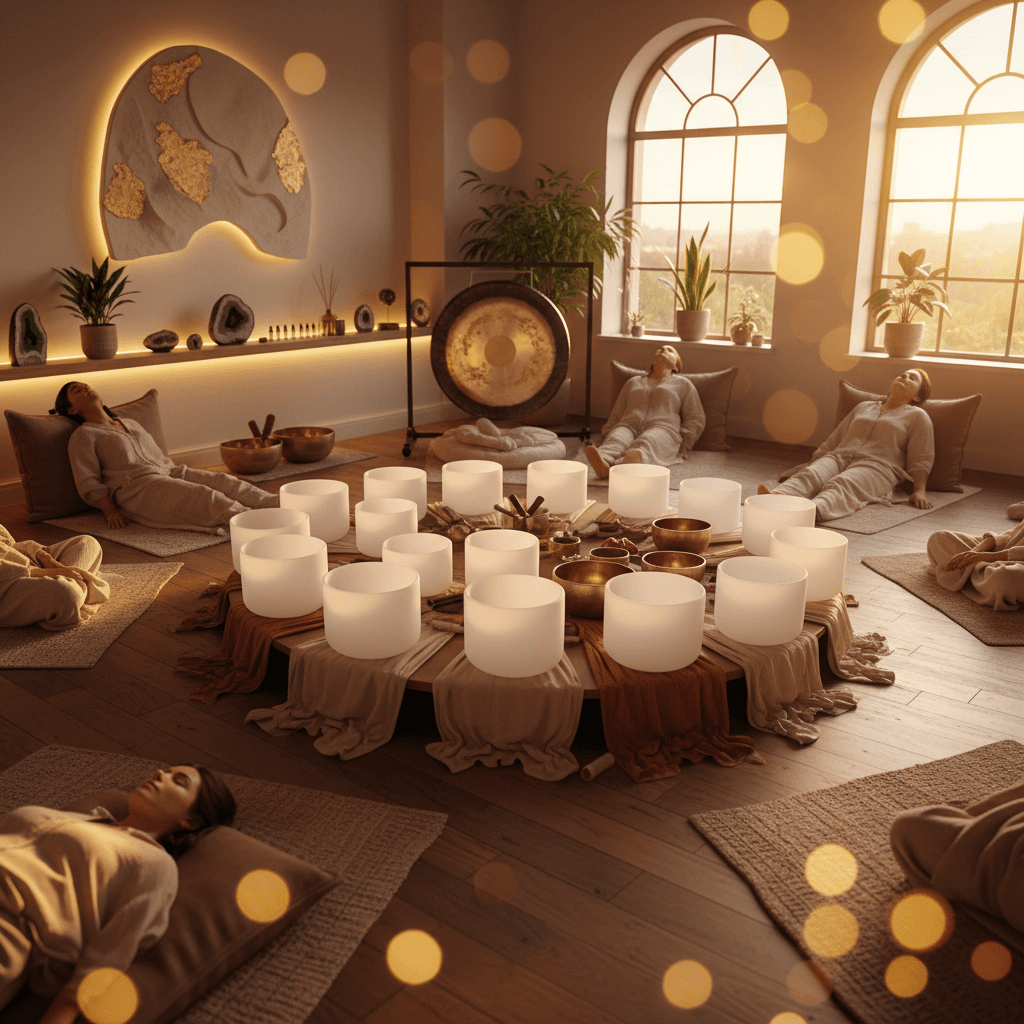
A sound wellness session at Soul Art is a meticulously crafted experience designed for deep relaxation and restoration. Clients typically recline comfortably, often enveloped in soft blankets, as the sound practitioner introduces various instruments. These are not merely sounds; they are carefully selected frequencies and vibrations that resonate through the body. The journey may begin with the deep, grounding tones of gongs, the resonant hum of Himalayan singing bowls, or the delicate chime of tuning forks.
The experience is profoundly sensory. You don't just hear the sounds; you feel them as subtle vibrations through your body, a gentle internal massage that reaches cells and tissues. This tactile and auditory immersion helps to quiet the incessant mental chatter, drawing your awareness into the present moment. Many people report a sense of being completely suspended, free from the daily pressures and worries, allowing the mind and body to enter a state of profound stillness.
Cultivating Inner Calm & Focus
For a special education teacher, consistently navigating complex student needs and managing a busy classroom, cultivating inner calm is a superpower. Sound wellness may support the development of this inner calm by:
- Reducing Rumination: The rich, complex soundscapes can effectively interrupt cycles of negative thought patterns and overthinking, offering a mental reset.
- Enhancing Emotional Regulation: By facilitating a shift to the parasympathetic nervous system, individuals may find themselves less reactive to stress, better able to respond with patience and empathy.
- Improving Concentration: Regular sound wellness practices have been associated with enhanced mental clarity and focus, skills that are indispensable for lesson planning, assessment, and effective instruction.
This journey from mental noise to profound quiet is not just a temporary escape; it is a practice in self-regulation. It helps retrain the nervous system to find its way back to a state of balance, even amidst external chaos.
Creating a Foundation for Effective Teaching
Ultimately, the personal benefits of sound wellness for special education teachers directly translate into professional advantages. A teacher who is well-rested, mentally clear, and emotionally balanced is better equipped to provide high-quality education. The impact of teacher well-being on student outcomes is often underestimated.
"A well-regulated nervous system in an educator creates a ripple effect of calm and presence, which is invaluable in supporting the diverse emotional and learning needs of students in special education settings."
When teachers feel supported and resourced, they are more present, patient, and resilient. This enables them to fully engage with and effectively implement evidence-based practices such as Peer-Assisted Learning Strategies (PALS), Assistive Technology (AT), or Differentiated Instruction, ensuring that all students receive the tailored support they need to thrive (AbleSpace Blog). Sound wellness, therefore, becomes a foundational self-care practice that underpins professional excellence and longevity in a truly demanding field.
The Soul Art Difference: Larissa Steinbach's Bespoke Sound Wellness
At Soul Art, we recognize that true well-being is not a one-size-fits-all solution, especially for professionals like special education teachers who bear unique responsibilities. Our founder, Larissa Steinbach, has meticulously developed a distinctive approach to sound wellness that integrates deep scientific understanding with a profound commitment to individual needs.
A Philosophy of Deep Connection
Larissa Steinbach's philosophy at Soul Art is centered on facilitating a deep connection to one's inner self and fostering a sense of holistic balance. She understands that the pressures faced by special education teachers—from advocating for students to managing complex administrative tasks and dealing with the emotional labor of their roles—require more than just superficial relaxation. Her approach goes beyond simply playing instruments; it involves creating an environment where deep listening, introspection, and cellular rejuvenation can occur.
Larissa's expertise ensures that each session is not just an auditory experience but a journey into self-discovery and profound calm. She carefully curates the soundscape to address the specific energy and needs of her clients, guiding them towards a state where genuine restoration is possible. This personalized attention is a hallmark of the Soul Art experience.
Unique Modalities and Instruments
Soul Art employs a rich tapestry of sound healing instruments, each chosen for its unique vibrational qualities and therapeutic potential. These include:
- Himalayan Singing Bowls: Hand-beaten bowls that produce multi-tonal harmonics and rich, sustained vibrations, excellent for body resonance and meditative states.
- Gongs: Powerful instruments that create deep, immersive sound waves, often leading to profound relaxation and altered states of consciousness.
- Tuning Forks: Precisely calibrated to specific frequencies, tuning forks can be used on or around the body to target specific energetic points, promoting cellular balance and relaxation.
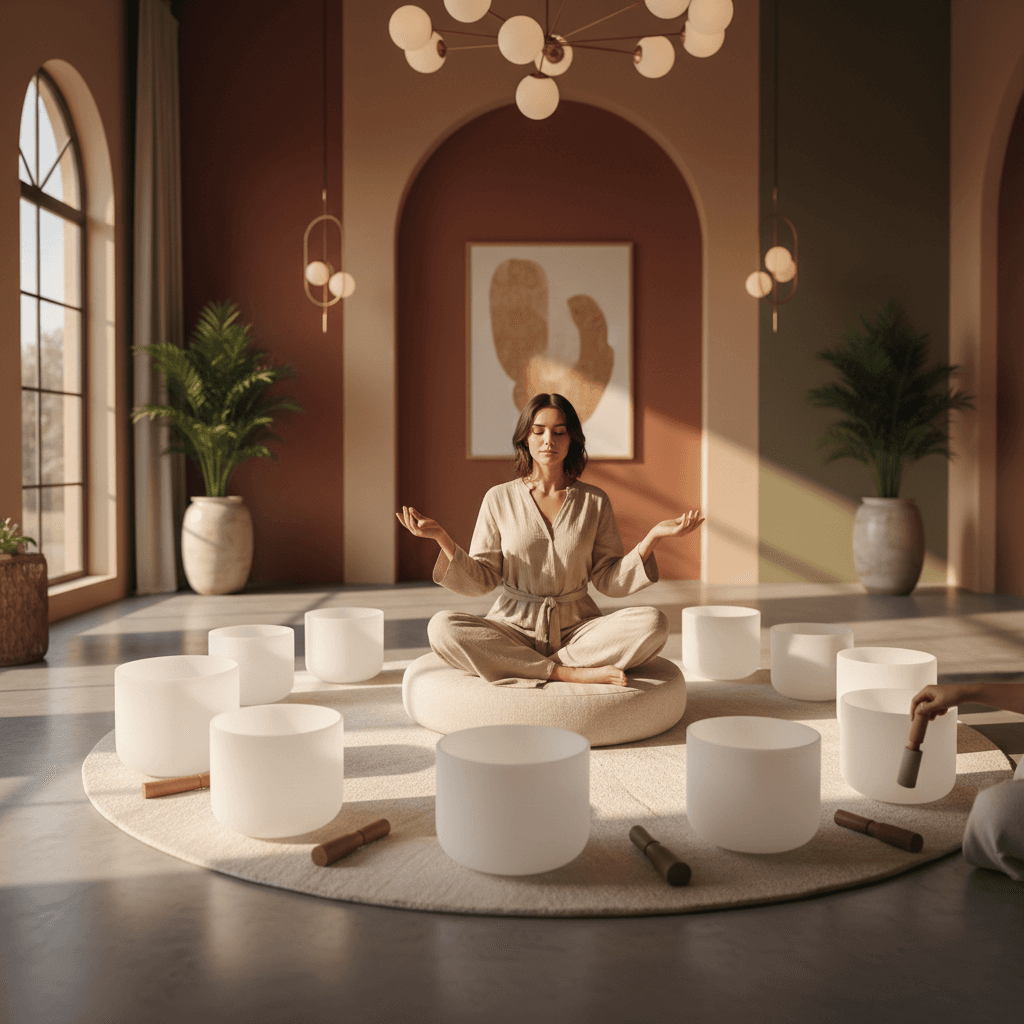
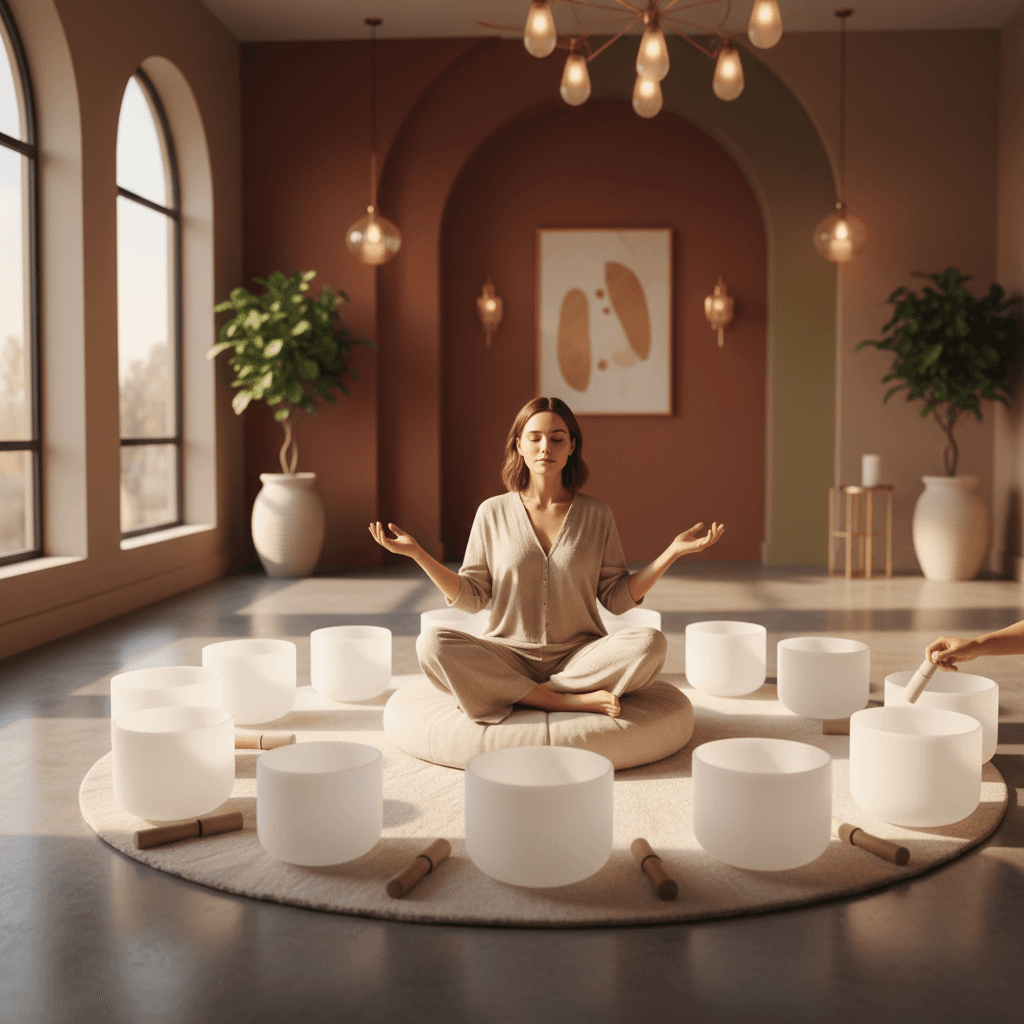
- Crystal Singing Bowls: Made from pure quartz crystal, these bowls produce pure, resonant tones believed to align with various energy centers in the body.
- Chimes and Other Percussion: Used to add delicate textures and ethereal qualities to the soundscape, enhancing the overall immersive experience.
Larissa Steinbach combines these instruments with other complementary techniques, such as guided meditation and breathwork, to amplify the therapeutic effects. This bespoke blending of modalities ensures a comprehensive and deeply restorative session, tailored to the unique demands placed upon a special education teacher's nervous system.
Tailored for High-Demand Professionals
The Soul Art method is particularly effective for high-demand professionals because it directly addresses the insidious effects of chronic stress and mental fatigue. Larissa Steinbach recognizes that special education teachers often feel a profound sense of responsibility and can struggle to prioritize their own well-being. Soul Art sessions provide:
- An Oasis of Calm: A dedicated space and time away from external pressures, allowing for complete mental and physical surrender.
- Nervous System Reset: Targeted sound frequencies and vibrations that actively help to down-regulate an overstimulated nervous system, promoting systemic relaxation.
- Enhanced Mental Clarity: By quieting the mind, sound wellness may support improved cognitive function, decision-making, and creativity—qualities invaluable in a demanding educational setting.
- Emotional Release: The deep relaxation induced by sound can sometimes facilitate the release of pent-up emotions, leading to a profound sense of lightness and emotional freedom.
Larissa's bespoke approach at Soul Art ensures that the wellness journey is not just a temporary fix but a sustainable practice that empowers special education teachers to return to their classrooms renewed, resilient, and more deeply connected to their innate capacity for empathy and effective teaching.
Empowering Your Practice: Actionable Steps for Teacher Well-being
While dedicated sessions at Soul Art offer a profound reset, integrating smaller elements of sound wellness into your daily life can significantly enhance your resilience as a special education teacher. Just as implementing EBPs requires consistency, so too does cultivating personal well-being.
Here are practical steps you can implement today:
- Mindful Listening Breaks: During planning periods or even brief moments between classes, take 5-10 minutes to listen to calming music, nature sounds, or ambient soundscapes. Focus solely on the sounds to bring your attention to the present moment and gently shift your brainwaves.
- Incorporate Gentle Sound into Routines: Begin or end your day with the peaceful chime of a small singing bowl or the resonance of a tuning fork. This simple ritual can signal to your nervous system that it's time to transition into a state of calm or reflection.
- Practice Intentional Silence: In a world filled with noise, intentionally carve out moments of silence. This provides an important counterpoint to auditory input, allowing your mind to rest and process. Even a few minutes of quiet before engaging with a challenging task can make a difference.
- Explore Guided Sound Meditations: Many apps and online platforms offer guided meditations that incorporate sound elements. These can be a convenient way to experience the benefits of sound wellness from the comfort of your home or office.
- Prioritize Professional Sound Wellness Sessions: Consider booking a session at Soul Art with Larissa Steinbach. Dedicated, immersive sessions provide a level of deep relaxation and nervous system recalibration that can be challenging to achieve independently amidst a busy schedule. Think of it as an essential investment in your professional longevity and personal health.
These practices are not luxuries; they are fundamental self-care tools that can empower special education teachers to sustain their energy, compassion, and effectiveness in a role that genuinely shapes lives.
In Summary: Sustaining Excellence with Sound Wellness
The calling of a special education teacher is one of immense dedication and profound impact, yet it comes with significant demands that can test the limits of even the most resilient individuals. Recognizing this, the integration of scientifically-informed wellness practices, such as sound wellness, becomes not just beneficial but truly essential for sustained professional excellence and personal well-being.
As we've explored, sound has a remarkable ability to down-regulate the nervous system, guide brainwave states towards relaxation and focus, and positively influence our hormonal balance. This creates a powerful foundation for managing stress, enhancing emotional regulation, and fostering the mental clarity vital for effective teaching. At Soul Art, Larissa Steinbach offers bespoke sound wellness experiences, using a unique blend of instruments and a deep understanding of high-demand professional needs, providing an essential oasis for restoration. By embracing sound wellness as a complementary self-care practice, special education teachers can protect their inner resources, ensuring they continue to serve their students with the passion, presence, and resilience they deserve.
Bookings Coming Soon
Soul Art is still in preparation. Session details and booking will be published here after launch.
Coming Soon
Wellness Disclaimer: This article is for educational and informational purposes only. It does not constitute medical advice, diagnosis, or treatment. Soul Art Dubai provides non-medical wellness experiences focused on relaxation, stress management, and general wellbeing. Sound wellness is a complementary practice and should not replace professional medical care.
Related Articles
Chefs: Mastering Kitchen Pressure Through Sound Wellness
Sound for Death Workers: Managing Stress for Funeral Directors
Sound Wellness: Respite for Retail's Customer-Facing Heroes