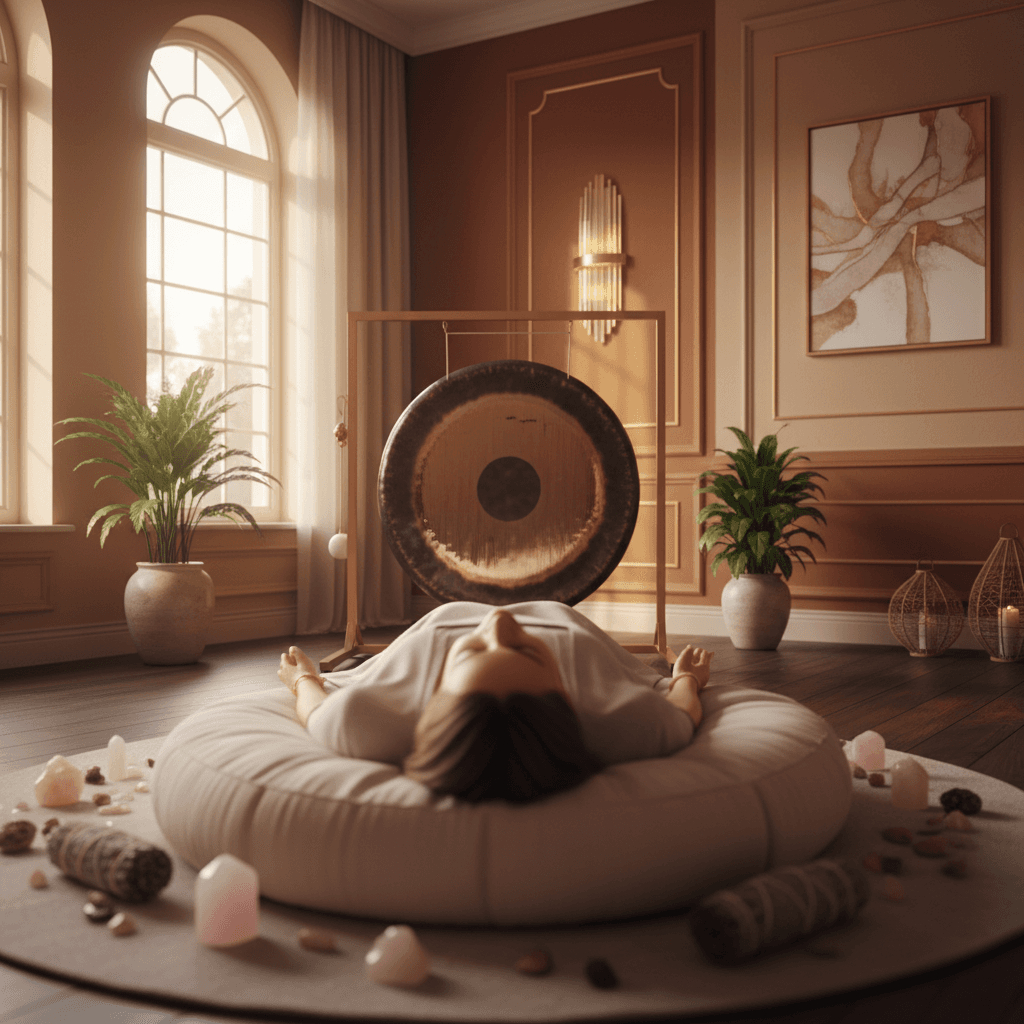
Harmonizing Sensitivity: Sound Healing for Highly Sensitive People
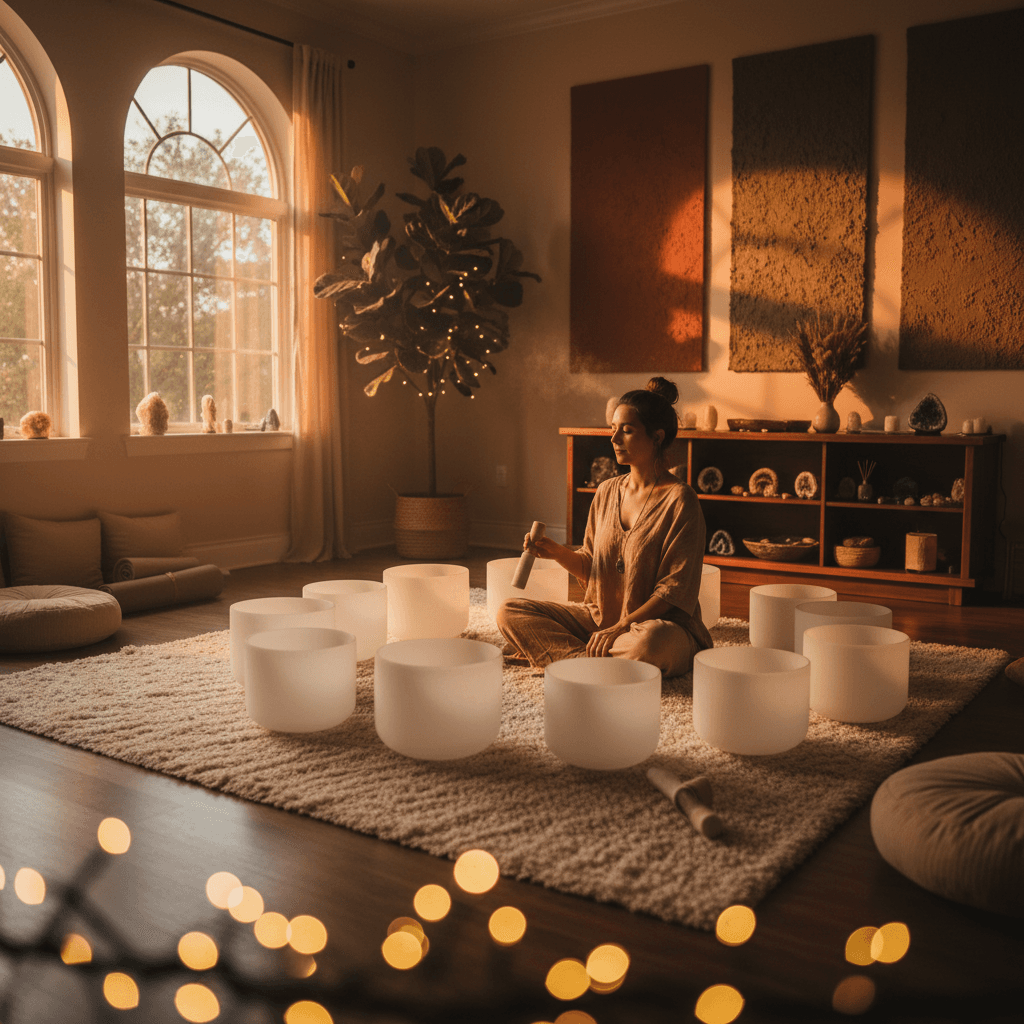
Key Insights
Explore how sound healing offers a gentle, science-backed path to calm and stress reduction for highly sensitive individuals, tailored by Soul Art Dubai.
Harmonizing Sensitivity: Sound Healing for Highly Sensitive People
Do you often feel overwhelmed by your environment, experiencing sounds, sights, and emotions with a profound intensity that others seem to miss? If so, you might be among the approximately 15-20% of the population identified as Highly Sensitive People (HSPs). For these individuals, the constant influx of sensory information can lead to chronic stress, anxiety, and a feeling of being perpetually "on edge."
In a world increasingly filled with noise and demands, finding truly effective and gentle stress reduction methods is not just a luxury, but a necessity for HSPs. This article delves into the fascinating world of sound healing, exploring its scientific underpinnings and how this ancient practice offers a promising, evidence-informed approach to fostering deep calm and emotional well-being for sensitive souls. We'll uncover how Soul Art, founded by Larissa Steinbach, meticulously crafts these experiences to be both profound and profoundly gentle.
Join us as we explore how the subtle yet powerful vibrations of sound can offer a much-needed port in the storm, guiding you towards inner peace and resilience. Understanding this unique connection can unlock a new dimension of self-care tailored specifically to your highly perceptive nature.
The Science of Sound and Sensitivity
The intersection of sound, the nervous system, and human sensitivity is a rich area of ongoing research. For Highly Sensitive People, whose brains process information more deeply, the impact of sound is particularly profound, making sound wellness a uniquely potent, yet sometimes challenging, modality. Understanding the science behind this interaction is key to appreciating its potential benefits.
Understanding Highly Sensitive People (HSPs)
Highly Sensitive People, or HSPs, possess a distinct neurobiological trait characterized by deeper cognitive processing of physical, social, and emotional stimuli. This trait, also known as Sensory Processing Sensitivity (SPS), means HSPs are more attuned to subtleties in their environment, process information more thoroughly, and often react more intensely to both positive and negative experiences. An fMRI study published in PMC (2014) examined the neural correlates of SPS, revealing differences in brain activity related to sensory processing among highly sensitive individuals.
While this deep processing allows for great empathy and creativity, it also means HSPs are more susceptible to sensory overload. Loud noises, bright lights, strong smells, or even the emotional states of others can quickly become overwhelming, leading to heightened stress, fatigue, and burnout. This inherent sensitivity underscores the need for carefully curated wellness practices that honor their unique nervous system.
How Sound Frequencies Interact with the Nervous System
Sound healing, often referred to as a "sound bath," involves immersing participants in resonant frequencies produced by various instruments like singing bowls, gongs, and chimes. The core premise is that these specific frequencies can influence our brainwave states and physiological responses. Research discussed in Psychology Today highlights how sound and frequency can reduce stress, with EEG studies revealing similar stress and tension-reducing effects from singing bowl vibrations.
The human body is highly receptive to vibrations, not just through auditory perception but also through physical resonance received by the skin. Experts suggest that both the sounds we hear and the vibrations we feel may support potential health benefits, working in concert to influence our internal state. This dual sensory input can help shift the nervous system from a state of fight-or-flight (sympathetic dominance) to rest-and-digest (parasympathetic dominance).
Specific frequencies can encourage brainwave entrainment, where brainwaves synchronize with external rhythmic stimuli. For instance, binaural beats, which involve playing two slightly different frequencies in each ear, can induce brain states associated with relaxation (alpha waves) or deep meditative states (theta waves), as noted by Forbes. By gently guiding brainwaves towards these calmer patterns, sound interventions may support a reduction in psychological and physiological stress markers, including changes in heart rate and cortisol levels.
Evidence-Informed Wellness: What the Research Says
While sound healing is not a licensed medical profession and its research is often described as being in its infancy, studies are producing promising results in the arena of tension, stress, and anxiety reduction. Seasons of Sound Healing clarifies that sound healing is "evidence-informed rather than evidence-prescriptive," meaning it is supported by research related to stress and well-being but is not a medical intervention.
Several studies underscore these benefits:
- Stress and Tension Reduction: An observational study by Goldsby et al. (2016) found that singing bowl sound meditation was associated with reductions in tension, anxiety, and negative mood states, as well as increases in spiritual well-being.
- Physiological Changes: A 2020 study, also cited in Psychology Today, indicated that Eastern Integrative Medicine and ancient sound healing treatments may contribute to stress reduction. Preliminary findings from studies on Himalayan singing bowls, like one by Trivedi and Saboo (2019), suggest their impact on stress index and heart rate variability.
- Brainwave Activity: Further EEG studies on singing bowl vibration have revealed similar stress and tension-reducing effects, indicating measurable neural responses. Research by Ahn et al. (2019) specifically examined EEG characteristics based on singing bowl sound frequency.
- Mood Enhancement: Sound baths often cultivate a state of deep relaxation that may support reduced stress and anxiety, enhancing overall mood. Giving the brain a focused task of listening can help quiet racing thoughts and may contribute to lowering heart rate and blood pressure, as outlined by UCLA Health.
It is important to acknowledge that more physiological research is necessary to fully understand the effects of sound healing, particularly large-scale randomized controlled trials. However, the existing body of evidence, including observational studies and music therapy research, strongly supports sound healing as a valuable wellness and contemplative practice for stress reduction and emotional well-being. This method offers a promising approach for reducing tension, anxiety, and other negative mood states, providing a complementary pathway to holistic health.
Experiencing Sound Wellness: A Practical Journey
Connecting the scientific principles to a lived experience helps demystify sound healing, especially for Highly Sensitive People who benefit from clear expectations. A sound wellness session, often called a sound bath, is designed to be accessible, requiring no prior experience or "learning curve." Participants are invited to simply lie down and receive the restorative frequencies.
The Sound Bath Experience
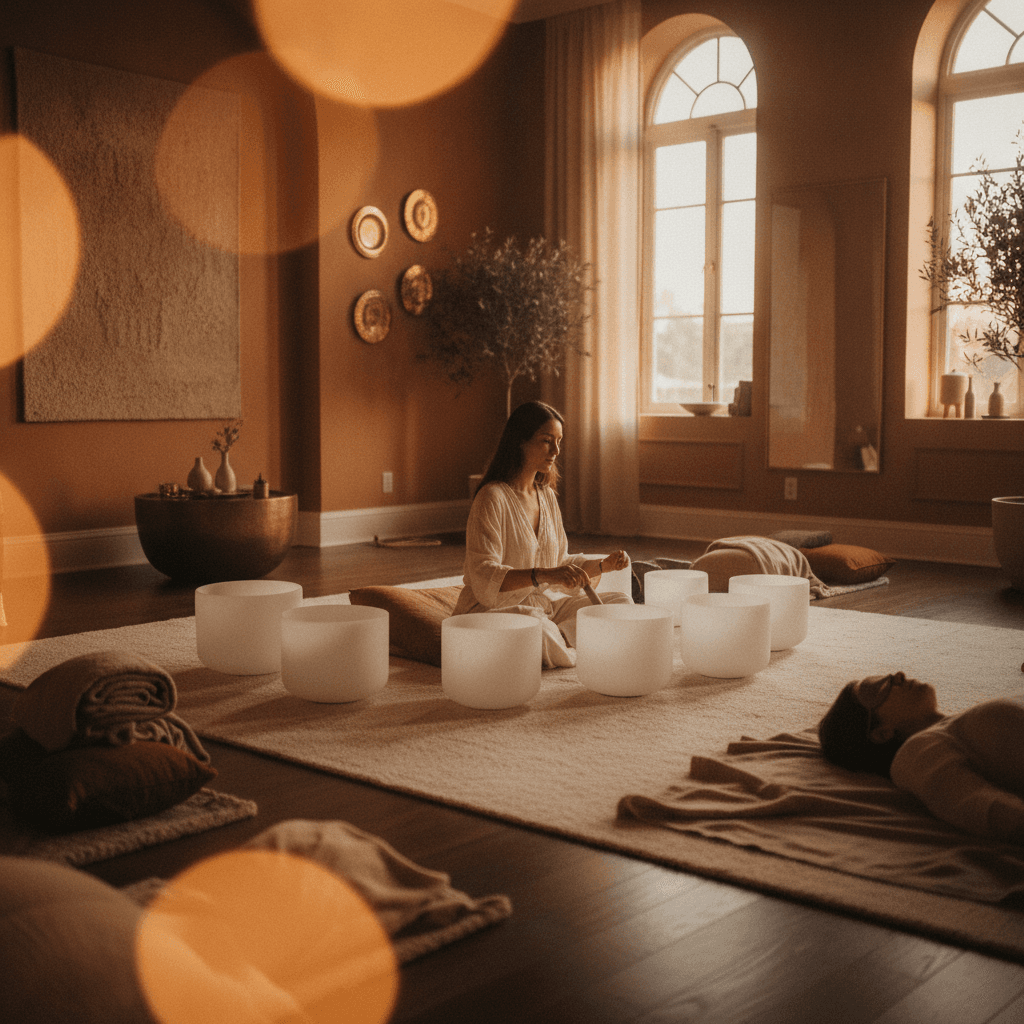
During a typical sound bath, you recline comfortably on a yoga mat, often covered with a blanket, and allow the sounds and vibrations to wash over you. Instruments such as crystal singing bowls, Tibetan singing bowls, gongs, chimes, and other resonant tools are played around you. The experience is truly immersive, engaging both your auditory senses and the vibrational receptors throughout your body.
Many people report feeling a profound sense of relaxation, a deep calm settling over them as the frequencies gently guide their minds away from daily stressors. The sounds can range from gentle, ethereal melodies to deep, resonant waves, creating a dynamic sonic landscape. This passive form of relaxation allows your nervous system to unwind naturally, supporting a reduction in mental chatter and physical tension. As Psychology Today notes, sound healing is a low-risk form of relaxation that participants merely lie down and enjoy, "bathing in sound."
Tailoring the Experience for Sensitivity
For Highly Sensitive People, the immersive nature of a sound bath, while deeply beneficial, requires thoughtful consideration. The intensity of sounds and vibrations can sometimes be too stimulating for those with extreme sensitivity to sound or loud noises, as pointed out by Forbes. This is where the practitioner's expertise and the studio's approach become paramount.
Responsible practitioners, such as those at Soul Art, understand the nuances of sensory processing. They are trained to stay within their scope, avoid medical claims, and communicate clearly and transparently. For HSPs, it's beneficial to position oneself farther from the vibrational instruments, or to speak to the sound healing practitioner leading the sound bath prior to attending. This allows for adjustments, such as selecting a spot in the room where the sound is less intense, or requesting modifications to instrument volume or duration. Ethical training ensures that the experience is always client-centered, fostering a safe and deeply relaxing environment for every individual.
"Sound healing is not about forcing relaxation, but about creating an environment where the nervous system feels safe enough to remember how to relax on its own."
The goal is to cultivate a space where sensitive individuals can feel completely at ease, allowing the subtle shifts in sound and frequency to work their gentle magic. It’s about meeting each person where they are, acknowledging their unique sensory needs, and guiding them towards a state of profound well-being at their own pace. This personalized care transforms a potentially overwhelming experience into a deeply restorative one.
The Soul Art Difference: A Sanctuary for Sensitive Souls
At Soul Art, Dubai's premier sound wellness studio, Larissa Steinbach has meticulously designed an approach that deeply understands and caters to the unique needs of Highly Sensitive People. Our philosophy is rooted in creating a sanctuary where every individual can experience profound relaxation and nervous system regulation without feeling overwhelmed. This specialized care is what truly sets the Soul Art method apart.
Larissa Steinbach applies her deep knowledge of sound frequencies and human physiology to craft sessions that are both powerful and incredibly gentle. She recognizes that for HSPs, subtle cues and carefully controlled environments are crucial for truly letting go. Our sessions are not about intense auditory bombardment, but rather a nuanced exploration of harmonious vibrations that nurture and soothe.
What makes the Soul Art method unique is its commitment to personalization and mindful facilitation. We utilize a curated selection of instruments, including pure quartz crystal singing bowls, symphonic gongs, chimes, and other therapeutic sound tools, chosen for their specific frequencies and gentle resonance. Larissa Steinbach ensures that the soundscape is always balanced, allowing for deep cellular resonance without overstimulation. Clients are always encouraged to communicate their comfort levels, and the sound journey is adjusted in real-time to ensure optimal well-being.
Our practitioners are trained to hold space with immense empathy and understanding, guiding you through the experience with a calm and reassuring presence. We emphasize creating an atmosphere of safety and trust, where sensitive souls can surrender to the sounds and vibrations, knowing they are in expert and compassionate hands. This careful attention to detail and unwavering focus on individual needs ensures that Soul Art offers a truly restorative haven for those who experience the world with heightened perception.
Cultivating Calm: Your Path Forward
For Highly Sensitive People, integrating sound wellness into a regular self-care routine can be transformative. It’s about building resilience, managing sensory input, and fostering a deep sense of inner peace. Here are some actionable steps you can take to begin or deepen your journey with sound healing.
- Start Gently and Mindfully: If you're new to sound healing, especially as an HSP, consider starting with shorter sessions or private experiences where you can communicate your specific sensitivities. This allows you to ease into the experience and understand what feels right for your unique nervous system.
- Communicate Your Needs: Before any sound wellness session, speak with the practitioner about your sensitivity. Mention if loud sounds or intense vibrations are challenging for you. A good practitioner, like those at Soul Art, will be able to guide you to a suitable position in the room or adjust the intensity of instruments to ensure your comfort.
- Create Your Own Sanctuary: Beyond studio sessions, explore incorporating gentle sounds into your home environment. This could be soft nature sounds, calming instrumental music, or even simple chimes. Creating a dedicated, quiet space where you can retreat can significantly support your nervous system.
- Observe and Reflect: Pay attention to how different sounds and frequencies make you feel. Keep a journal of your experiences during and after sound sessions. This self-awareness will help you discover what resonates most deeply with you and what approaches are most beneficial for your unique sensitivity.
- Embrace Sound as a Complementary Tool: View sound wellness as a powerful complementary approach to your overall well-being strategy. It works beautifully alongside other self-care practices like mindfulness, gentle movement, and nature immersion, enhancing your capacity for peace and presence.
Ready to restore your nervous system and discover the profound calm that sound can bring? We invite you to explore the tailored sound wellness experiences at Soul Art.
In Summary: Embracing Your Sensitivity with Sound
Highly Sensitive People possess a remarkable capacity for deep processing and profound connection, yet this trait also makes them susceptible to sensory overwhelm and chronic stress. Sound healing, as an evidence-informed wellness practice, offers a gentle yet powerful pathway to mitigate these challenges. Research suggests that resonant frequencies can support the reduction of tension, anxiety, and physiological stress markers, guiding the nervous system towards a state of deep relaxation.
At Soul Art, Larissa Steinbach and her team understand the unique needs of sensitive souls, crafting immersive yet nurturing sound journeys that honor individual sensory thresholds. By creating a sanctuary of harmonious vibrations, Soul Art provides a crucial tool for HSPs to cultivate inner peace, emotional resilience, and a profound sense of well-being. Embrace your sensitivity as a strength, and let the transformative power of sound guide you home to your most serene self.
Bookings Coming Soon
Soul Art is still in preparation. Session details and booking will be published here after launch.
Coming Soon
Wellness Disclaimer: This article is for educational and informational purposes only. It does not constitute medical advice, diagnosis, or treatment. Soul Art Dubai provides non-medical wellness experiences focused on relaxation, stress management, and general wellbeing. Sound wellness is a complementary practice and should not replace professional medical care.
Related Articles
Empowered Choices: The Art of Clarity Without Overexplaining
Unveiling the Power: Photosensitivity & Visuals in Sound Sessions
The Subtle Art of Slow Transitions: Guiding Your Brain to Calm