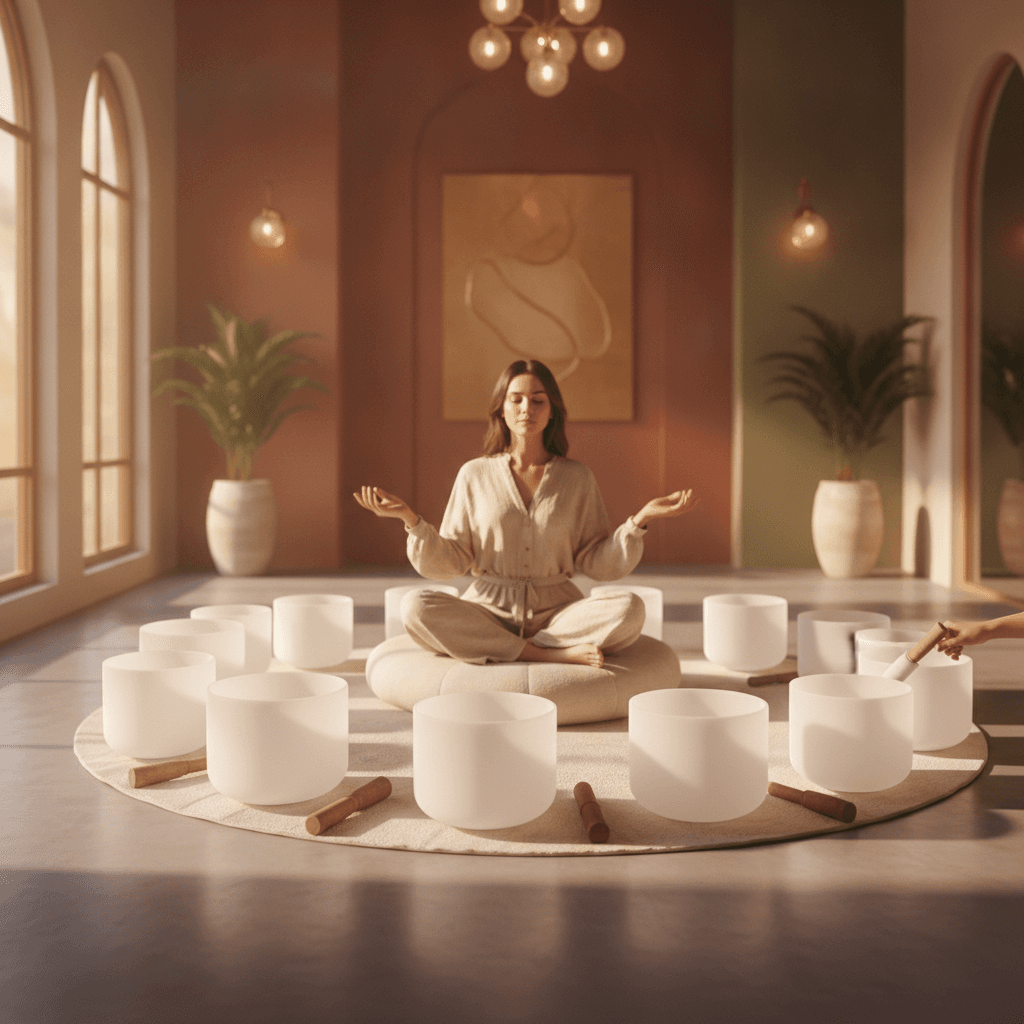
Sound for Freeze Response: Gentle Regulation & Nervous System Harmony
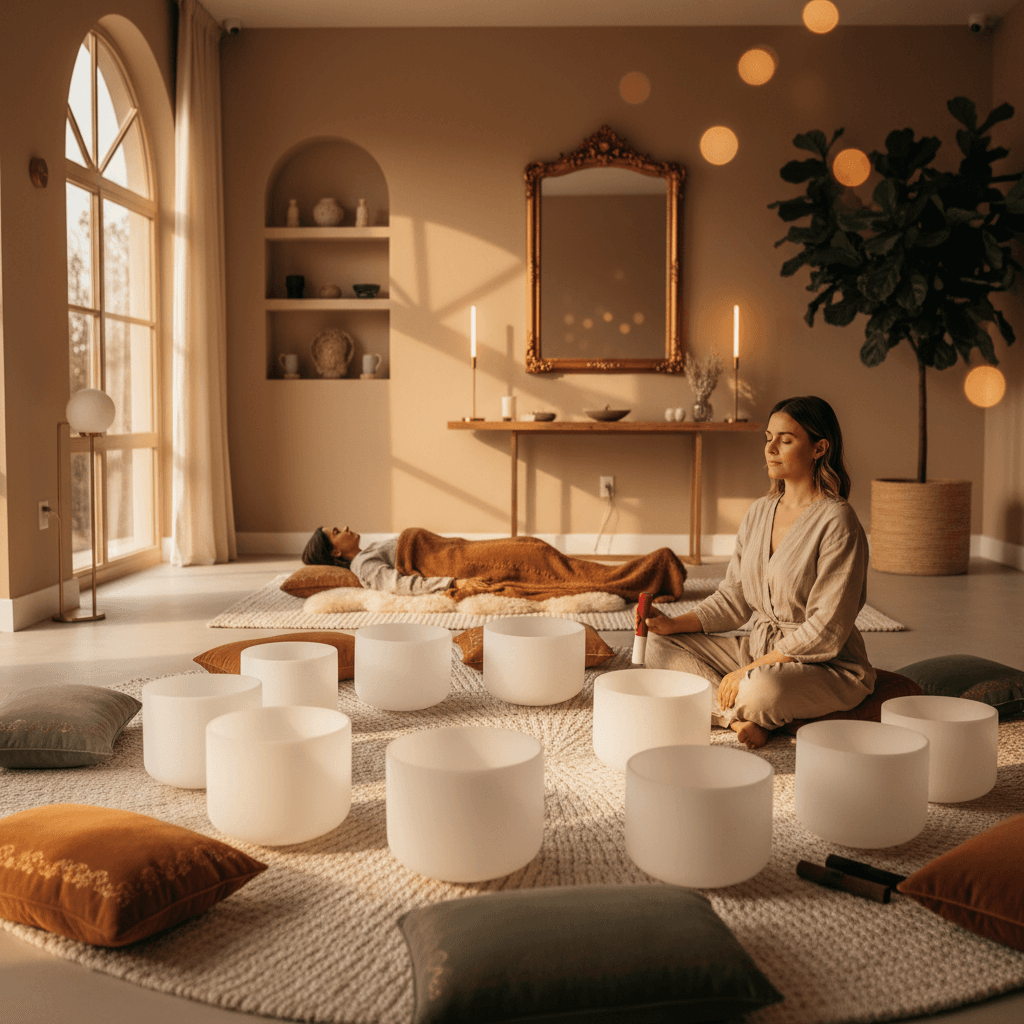
Key Insights
Discover how sound wellness gently regulates the freeze response, promoting nervous system harmony. Learn science-backed techniques from Larissa Steinbach at Soul Art Dubai.
Introduction: Unlocking the Freeze Response with Gentle Sound
Have you ever felt completely stuck, unable to move or react, even when facing a situation that demands action? This isn't a sign of weakness; it's likely your body's ancient "freeze response" at play, a primal survival mechanism designed to protect you from overwhelming threat. While adaptive in acute danger, chronic or inappropriate activation of this response can leave you feeling numb, disconnected, and perpetually exhausted.
At Soul Art, Dubai's premier sound wellness studio, we understand the profound impact of the freeze response on daily life. Founded by the visionary Larissa Steinbach, Soul Art offers a scientifically-grounded yet deeply empathetic approach to gently guide your nervous system back to a state of calm and resilience. This article will delve into the neuroscience of the freeze response and reveal how targeted sound and gentle somatic practices can support its regulation, fostering a profound sense of inner peace and renewed vitality. Discover how subtle vibrations can unlock held tension and reintroduce flow where stillness once prevailed.
The Science Behind Soothing the Freeze Response
Understanding the freeze response begins with appreciating the intricate workings of our autonomic nervous system (ANS). This vital system operates mostly unconsciously, governing functions like heart rate, digestion, and breathing, and is composed of two main branches: the sympathetic, responsible for "fight or flight," and the parasympathetic, which oversees "rest and digest." However, there's a lesser-known but equally critical player: the dorsal vagal pathway.
Understanding the Freeze Response and Dorsal Vagal Shutdown
When faced with an inescapable or overwhelming threat, the nervous system might bypass the active "fight or flight" response, shifting instead into a deep conservation mode known as dorsal vagal shutdown. This is the biological basis of the freeze response. It's an automatic, protective strategy where the body attempts to minimize harm by slowing everything down – heart rate, respiration, metabolism – leading to feelings of numbness, disconnection, fatigue, or even dissociation.
Research, including studies on tonic immobility in animals and humans (Gallup, 1977; PMC2489204), highlights its adaptive value in contexts of perceived inescapable predation or assault. For individuals with PTSD or chronic stress, the brain may perceive threats even in safe environments, leading to inflated defensive responses and a heightened tendency to freeze (PTSD UK, n.d.; Jovanovic et al., 2010). This isn't laziness or lack of motivation; it's a deeply ingrained survival strategy.
The Vagus Nerve: Our Internal Regulator
Central to both the freeze response and its gentle regulation is the vagus nerve. As the longest cranial nerve, it acts as a crucial communication highway between the brain and most major organs. The dorsal vagal pathway, specifically, is responsible for the shutdown associated with freezing. By stimulating different branches of the vagus nerve, we can intentionally shift our nervous system state.
Activating the ventral vagal complex, another part of the parasympathetic system, promotes social engagement, safety, and a sense of calm. Sound, gentle movement, and specific pressure points can engage the vagus nerve, helping to gently move the system out of freeze and towards a more regulated, responsive state. This process helps the body learn to feel safe again and promotes what is known as neuroception, the unconscious way our nervous system detects cues of safety or danger.
Brainwave Entrainment and Hormonal Balance
Sound's profound effect on the nervous system is largely due to its ability to influence brainwave activity and hormonal responses. Our brains operate at different frequencies, each associated with distinct states of consciousness:
- Beta (13-30 Hz): Alert, focused, often associated with stress.
- Alpha (8-12 Hz): Relaxed, creative, meditative state.
- Theta (4-7 Hz): Deep relaxation, dreaming, emotional processing.
- Delta (0.5-3 Hz): Deep sleep, restorative healing.
Studies show that sound healing tools, especially binaural beats and singing bowls, can induce brainwave entrainment, gently shifting the brain from high-stress beta into calmer alpha or theta states (Journal of Evidence-Based Integrative Medicine, 2017). This shift is correlated with reduced anxiety, improved mood, and enhanced relaxation. Furthermore, listening to harmonic sounds can increase the production of "feel-good" neurotransmitters like serotonin and dopamine, while significantly reducing levels of cortisol, the primary stress hormone. A 2016 study, for instance, showed lower cortisol levels and heart rates after just 20 minutes of singing bowl meditation (University of California, 2016). This creates an internal environment conducive to healing and emotional regulation, moving the body out of a high-alert or shutdown state.
Gentle Auditory and Somatic Pathways to Regulation
Translating this scientific understanding into practical, calming experiences is where sound wellness truly shines. The goal is not to force the body out of freeze, but to gently invite it towards safety and regulation, fostering a sense of agency and reconnection. This holistic approach combines specific auditory techniques with subtle physical movements and activations.
The Power of Vocal Toning and Rhythmic Sounds
Our own voices are powerful tools for vagal nerve activation. Simple vocalizations can create vibrations that resonate through the chest and throat, directly stimulating the vagus nerve and engaging the parasympathetic nervous system.
- The "Choooo" Exhale: Exhaling with a long, soft "Choooo" sound, perhaps accompanied by a gentle sway or bounce, encourages a calming release. This sound helps to unblock the physical tightness often associated with fear and panic, allowing the body to relax and encouraging blood flow.
- The "Shhhhh" Sound: A soft, rhythmic "Shhhhh" sound, combined with gentle heel bounces, mimics the soothing noises often used to calm infants. Research indicates that rhythmic sounds engage the parasympathetic system, effectively reducing panic and inducing a sense of safety.
- Humming or Chanting: Humming a soothing tune or chanting sounds like "Om" creates sustained vibrations that are highly effective in activating the parasympathetic nervous system, helping to release stored tension.
- Vocal Toning ("Ah"): Taking a deep breath and making a long "Ah" sound as you exhale, experimenting with different tones, can help you find a resonant frequency that feels profoundly calming to your unique system.
Harnessing Specific Frequencies for Grounding
Beyond vocal sounds, specific sound frequencies can significantly influence our physiological and psychological states, promoting deep relaxation and grounding.
- Binaural Beats and Healing Frequencies: Listening to frequencies designed for grounding, such as 432 Hz or 528 Hz, can promote profound relaxation. These precise frequencies are believed to resonate with the body's natural rhythms, helping to redirect focus away from panic or dissociation and create an atmosphere conducive to emotional regulation. They facilitate brainwave entrainment, guiding the mind into alpha or theta states, where healing and relaxation are more accessible. This helps to reduce the physiological markers of stress, supporting mental well-being and potentially aiding in pain management by influencing how the brain perceives discomfort (Pain Research and Management, 2015).
Integrating Gentle Movement and Pressure Points
The freeze response often manifests as tension or stiffness in the body. Gentle physical practices, when combined with sound, can be incredibly effective in releasing this stored energy and restoring a sense of flow.
- Gentle Heel Bounces: Subtle bouncing, just an inch or so off the ground while keeping the balls of your feet planted, stimulates the vagus nerve. This simple movement encourages blood flow, loosens tight muscles, and helps to re-engage the body's energy flow, reducing the physical tension and rigidity associated with the freeze response. It signals safety to the nervous system through proprioceptive input.
- Hegu Pressure Point Activation: Applying gentle yet firm pressure to the Hegu point, located between the thumb and index finger, can significantly help release tension and activate the body's parasympathetic nervous system. Holding this point for 20-30 seconds while taking slow, deep breaths is believed to help reduce stress, anxiety, and general tension, all common companions of the freeze response.
- Somatic Stretching and Pendulation: Slow, mindful stretching, focusing on areas of tightness like the neck, shoulders, and arms, allows the body to release stored tension. Peter Levine's technique of Pendulation involves gently shifting attention between a tense or frozen body part and a calm or neutral area. This practice teaches the nervous system to oscillate between activation and calm, building tolerance for sensation and reducing overwhelm, effectively 'thawing' the freeze.
The Soul Art Signature: Larissa Steinbach's Method for Deep Regulation
At Soul Art, Larissa Steinbach and her dedicated team have meticulously crafted an environment and methodology that honors the body's innate wisdom, particularly when addressing the freeze response. Our approach is not about forcing change but about creating the conditions for the nervous system to naturally gravitate towards safety and regulation. This philosophy underpins every session, from the studio's serene design to the nuanced application of sound.
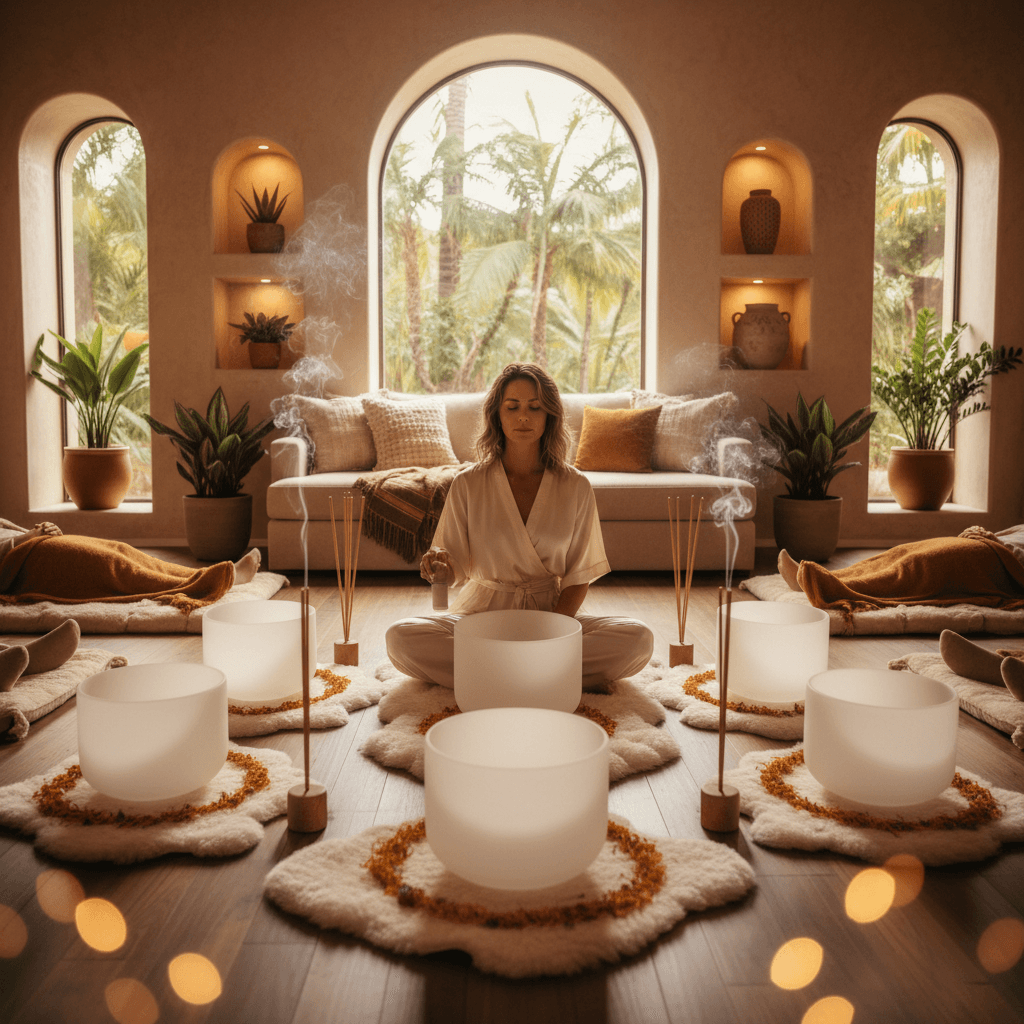
Larissa Steinbach integrates a diverse range of sound instruments, each chosen for its unique vibrational quality and ability to soothe and ground. Tibetan singing bowls, gongs, crystal bowls, and chimes are expertly played to create immersive soundscapes. These instruments generate pure, resonant tones and complex harmonics that gently entrain brainwaves, guiding participants into deeply relaxed alpha and theta states. The low-frequency sounds, in particular, are powerful for somatic release, helping to reconnect body awareness and support the processing of stored tension without requiring direct verbal engagement.
What makes the Soul Art method unique is its holistic, multi-sensory approach, intentionally designed to provide cues of safety. Beyond the auditory experience, our sessions incorporate gentle, guided somatic awareness practices, reminiscent of the subtle movements and pressure point activations discussed. Larissa intuitively combines these elements—a precisely chosen frequency from a crystal bowl, a gentle invitation to notice a particular sensation, or a calming vocal tone—to meet each individual's nervous system where it is. This careful layering of modalities helps to stimulate the vagus nerve, increase parasympathetic activity, and create a profound sense of security that allows the body to gradually release the grip of the freeze response.
"Our deepest desire at Soul Art is to provide a sanctuary where your nervous system can finally remember how to rest, heal, and restore its natural rhythm. It's about gently unlocking what's been held, not through force, but through the profound wisdom of sound and conscious presence." – Larissa Steinbach
The environment at Soul Art Dubai is purposefully designed to enhance this feeling of safety. Soft lighting, comforting textures, and a tranquil atmosphere minimize external stimuli, allowing for deeper introspection and relaxation. This carefully curated space, combined with Larissa's compassionate guidance, creates a powerful container for self-regulation, enabling clients to experience shifts in their emotional and physical states, reducing stress hormones and fostering a sense of well-being and resilience.
Cultivating Calm: Your Journey Towards Gentle Regulation
Understanding the freeze response and the power of sound is the first step towards cultivating greater nervous system harmony. Integrating these insights into your daily life can empower you to respond to stress with more resilience and less rigidity. Remember, these are gentle, complementary practices intended to support your overall wellness journey.
Here are some actionable steps you can begin to explore today:
- Incorporate Gentle Vocalizations: Experiment with the "Choooo" or "Shhhhh" sounds during moments of stress or overwhelm. Feel the vibrations in your chest and throat as you hum a soothing tune. This simple practice can quickly engage your vagus nerve.
- Explore Calming Frequencies: Seek out reputable recordings of 432 Hz or 528 Hz frequencies for grounding meditations. Listen with headphones in a quiet space to fully immerse yourself in their calming effects, allowing the sound to redirect your focus.
- Practice Mindful Movement: Integrate gentle heel bounces into your routine, even for a few minutes while standing or waiting. Pay attention to how this subtle motion re-engages your body and stimulates blood flow, releasing physical tension.
- Activate Pressure Points for Relaxation: When feeling tense, gently press the Hegu point between your thumb and index finger. Combine this with slow, deep breaths to invite a sense of calm and activate your parasympathetic nervous system.
- Create a Safe Internal Space: Close your eyes and visualize a place where you feel completely safe and serene. Notice the sights, sounds, and textures of this imaginary sanctuary. Allow your body to absorb the calm associated with this mental refuge.
These practices, when consistently applied, may support your nervous system in learning to gently unthaw from the freeze response, fostering a greater capacity for emotional regulation and physical relaxation. For a deeper, professionally guided experience in cultivating this profound sense of inner harmony, consider the transformative power of a sound wellness session.
In Summary: Embracing Sound for Nervous System Harmony
The freeze response, while a primal survival mechanism, can hinder our well-being when chronically activated. This article has illuminated the scientific pathways through which sound, vocalizations, and gentle somatic practices can gently guide the nervous system out of this state of shutdown. By understanding the vagus nerve's role, harnessing brainwave entrainment, and balancing stress hormones, we can unlock profound states of relaxation and emotional regulation.
Larissa Steinbach's Soul Art offers a unique and expertly curated approach, blending ancient wisdom with modern science to create a sanctuary for healing and restoration. Through tailored soundscapes and compassionate guidance, Soul Art empowers individuals to reconnect with their bodies, release stored tension, and foster a lasting sense of peace and resilience. Embrace the gentle power of sound to harmonize your nervous system and reclaim your vitality.
Bookings Coming Soon
Soul Art is still in preparation. Session details and booking will be published here after launch.
Coming Soon
Wellness Disclaimer: This article is for educational and informational purposes only. It does not constitute medical advice, diagnosis, or treatment. Soul Art Dubai provides non-medical wellness experiences focused on relaxation, stress management, and general wellbeing. Sound wellness is a complementary practice and should not replace professional medical care.
Related Articles
Beyond Hearing: Sound Waves & Your Body's Inner Boundaries at Soul Art
Breath Holding & Sound: Releasing Guarded Patterns at Soul Art Dubai
Reclaim Vitality: Soft Sound Practices for Fatigue & Collapse