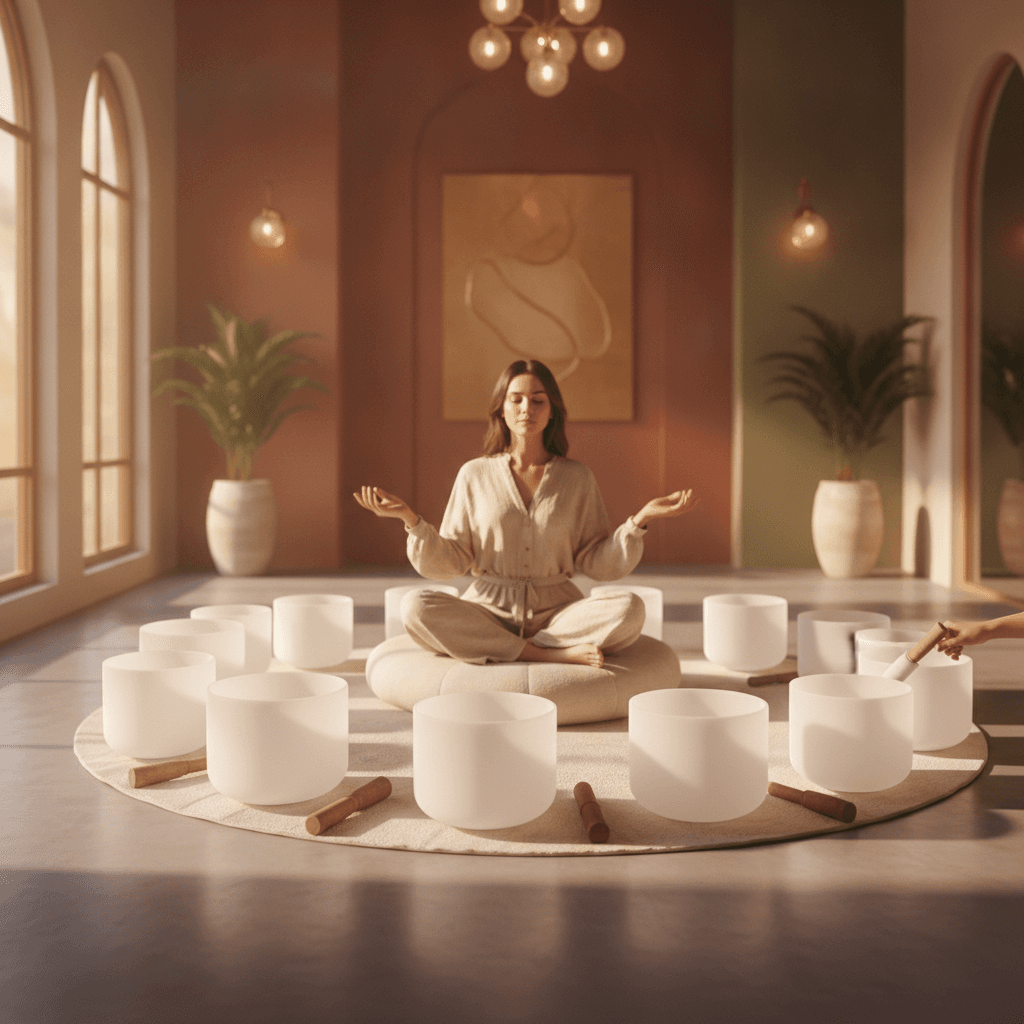
Grounding: Slow Breath, Low Bowls, Deep Calm at Soul Art
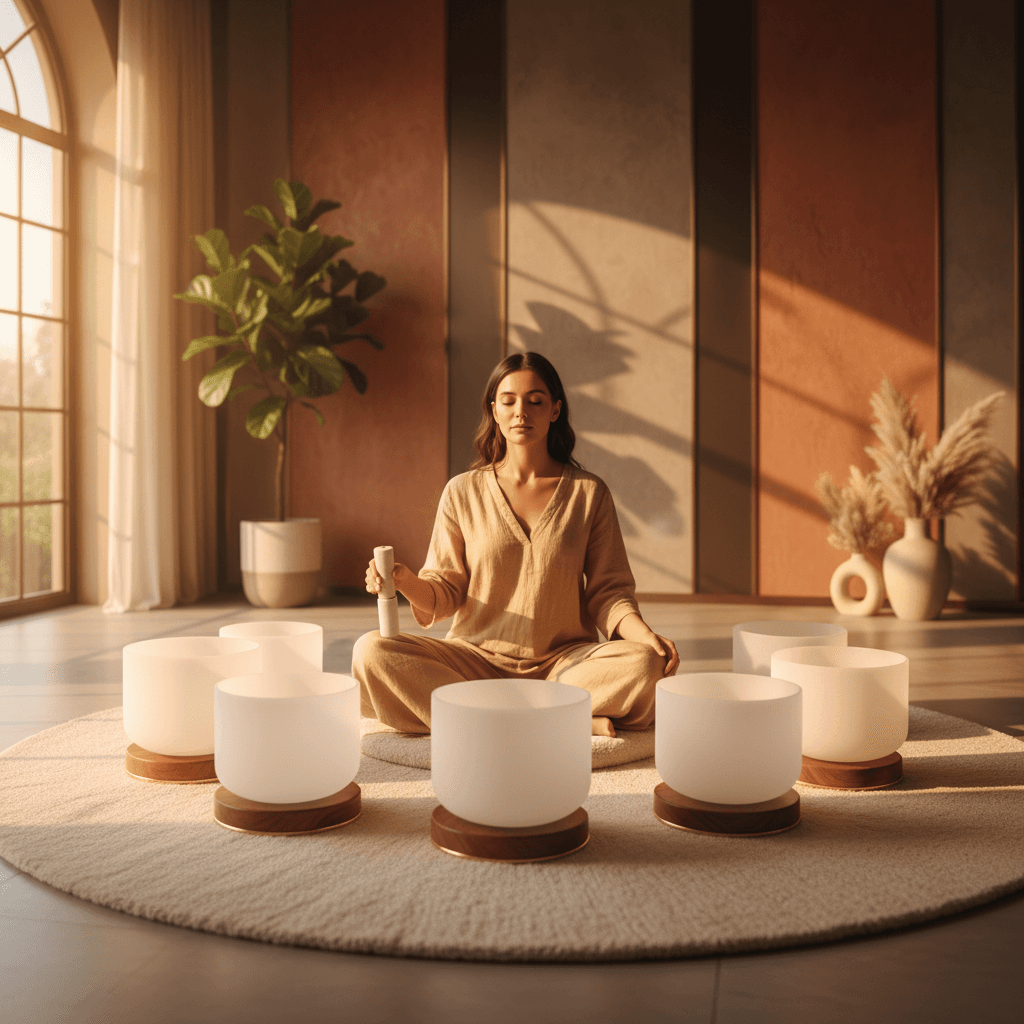
Key Insights
Discover the neuroscience behind grounding through slow breath and low bowls at Soul Art Dubai. Larissa Steinbach unveils deep relaxation.
Have you ever noticed how a deep sigh can instantly release tension, or how the resonant hum of a distant sound can bring a sudden sense of peace? In our hyper-connected world, where the constant demands of daily life often leave us feeling adrift, the innate wisdom of our bodies offers a profound pathway back to balance. This journey often begins with something as fundamental as our breath, amplified by the therapeutic vibrations of sound.
At Soul Art, Dubai's premier sound wellness studio, we explore the powerful synergy between slow, conscious breathing and the deep, grounding frequencies of low bowls. This article delves into the fascinating science underpinning these ancient practices, revealing how they can profoundly impact your nervous system, quiet the racing mind, and foster a truly grounded state of being. You'll learn how this unique approach, championed by our founder Larissa Steinbach, offers a sophisticated and effective path to deep well-being.
We invite you to explore the psycho-physiological correlates of these practices, understand their practical applications, and discover how they can become indispensable tools in your personal wellness repertoire. Prepare to unlock a deeper connection to your inner calm, supported by the elegant science of sound and breath.
The Neuroscience of Calm: How Breath Transforms Your Brain
The human body is an intricate symphony of systems, constantly seeking equilibrium. In the face of modern stressors, this balance can easily be disrupted, leading to feelings of anxiety, overwhelm, and disconnection. Fortunately, a growing body of scientific research illuminates how simple yet profound practices like slow breathing and resonant sound can powerfully recalibrate our internal state, fostering deep calm and mental clarity.
The Vagus Nerve and Autonomic Balance
At the heart of our physiological response to stress and relaxation lies the autonomic nervous system, comprising the sympathetic (fight, flight, or freeze) and parasympathetic (rest and digest) branches. Slow, conscious breathing is a potent activator of the parasympathetic nervous system, primarily through its influence on the vagus nerve. This cranial nerve acts as a crucial communication highway between the brain and many vital organs, playing a pivotal role in regulating heart rate, digestion, and emotional responses.
Research indicates that engaging in slow breathing, particularly around six breaths per minute, can significantly enhance Heart Rate Variability (HRV). HRV, a measure of the variation in time between heartbeats, is a key indicator of autonomic nervous system health and resilience. Studies have shown that paced breathing sessions increase the Standard Deviation of all NN intervals (SDNN) and HRV in the Low Frequency (LF) range, which has been associated with improved perceived ease and comfort levels. This suggests that intentionally slowing your breath can optimize your heart's rhythm, signaling to your brain that it is safe to relax and restore. Even after a slow breathing session concludes and respiratory frequency returns to normal, HRV power can remain elevated during a post-session resting-state period, demonstrating a lasting physiological benefit.
Brainwave Entrainment and Altered States
Beyond its impact on the autonomic nervous system, slow breathing has also been linked to profound changes in brain activity. A study published in Frontiers in Human Neuroscience found that ultra-slow mechanical stimulation, which can be analogously applied to the rhythmic, deep vibrations of low bowls and slow breath, induced an enhancement of delta-theta EEG activity over the whole cortex. This activity primarily involved Default Mode Network (DMN) structures, associated with self-referential thought and introspection.
Crucially, this brainwave shift was linked to a reversal of the overall information flow directionality within the brain and to an altered state of consciousness. Phenomenologically, this state overlaps with those experienced in deep meditative states, suggesting that slow breath combined with resonant sound may facilitate access to profound inner stillness and heightened awareness. The deep, sustained tones of low bowls may further support this process through brainwave entrainment, where the brain's electrical activity naturally synchronizes with the external rhythmic stimuli, gently guiding it towards more relaxed states like alpha and theta waves.
The Brain's Breathing Pacemaker: PreBötzinger Complex
Intriguing research from Stanford University School of Medicine has identified a specific cluster of nerve cells in the brainstem, known as the PreBötzinger Complex (preBtC), that directly connects breathing to states of mind. Dr. Mark Krasnow, senior author of the study published in Science, highlights the critical role of these neurons in informing the rest of the brain about breathing patterns. This discovery provides a scientific basis for the long-observed link between breath and emotional regulation.
The preBtC appears to play a key role in how breathing influences arousal and emotion, an effect often observed during meditation. Experiments with mice demonstrated that when these neurons were quieted, the animals became extraordinarily calm, displaying fewer fast "active" and faster "sniffing" breaths, and more slow breaths associated with chilling out. This suggests that by consciously slowing our breath, we can modulate the activity of the preBtC, sending calming signals to the rest of the brain and fostering a state of tranquility.
Cortical Control: From Anxious Breathing to Tranquility
Further solidifying the link between breath and emotional states, neuroscientists at the Salk Institute, in findings published in Nature Neuroscience, have identified a specific brain circuit that regulates breathing voluntarily. This research pinpoints a group of brain cells in the frontal cortex that connects to the brainstem, where vital actions like breathing are controlled. This connection allows us to coordinate our breathing with our current behaviors and emotional state.
Senior author Sung Han notes that this discovery offers a scientific explanation for the beneficial effects of practices like yoga and mindfulness on alleviating negative emotions. It demonstrates how the more sophisticated parts of the brain can consciously influence the lower brainstem’s breathing center, empowering us to use slow breathing as a direct tool for regulating anxiety, panic, or post-traumatic stress. This conscious control over our breath offers a powerful pathway to self-soothing and emotional equilibrium.
The Grounding Effect: From Internal Shifts to Inner Peace
The concept of "grounding" often brings to mind physical contact with the Earth. However, the profound sense of stability and presence achieved through practices like slow breath and low bowls can be understood as a powerful internal grounding. These techniques shift focus away from distressing thoughts and overwhelming emotions, anchoring awareness firmly in the present moment. Research from the European Society of Medicine indicates that such grounding techniques help the brain move out of "fight, flight, or freeze" mode, allowing it to think clearly again by slowing breathing and lowering heart rate.
The physiological benefits associated with grounding, even beyond physical earthing, are noteworthy. Studies have indicated that grounding practices may lead to statistically significant improvements in mood, normalizing cortisol patterns (the stress hormone), and enhancing sleep quality. One study found that sleeping grounded completely normalized cortisol patterns, improved sleep, and established a healthier 24-hour circadian rhythm. Additionally, there is evidence that grounding can decrease multiple markers of whole-body inflammation, potentially contributing to a natural boost in mood by reducing inflammatory cytokines that directly impact dopamine levels. While specific research on sound bowls and cortisol is ongoing, the combined effects of deep relaxation and nervous system regulation achieved through slow breath and low bowls certainly align with these positive outcomes, helping to cultivate a sense of inner stability and peace.
"The symphony of our inner world finds its conductor in the rhythm of our breath. When harmonized with resonant sound, it creates a profound anchor, grounding us amidst life's currents."
How It Works in Practice
Translating complex neuroscience into a tangible experience is at the heart of what we do at Soul Art. A session focused on grounding through low bowls and slow breath is an immersive journey designed to gently guide your body and mind into a state of profound calm and centeredness. It's an invitation to step away from the external chaos and tune into your internal sanctuary.
As you recline comfortably, the session typically begins with an introduction to mindful breathing. You are guided to observe your natural breath, then gently encouraged to lengthen your exhalations and deepen your inhalations, moving towards a slower, more rhythmic pace. This initial focus on breath immediately begins to signal to your nervous system that it is safe to relax, initiating the parasympathetic response. The very act of focusing on your breath is a grounding technique, pulling your awareness from external distractions or internal worries to the present moment.
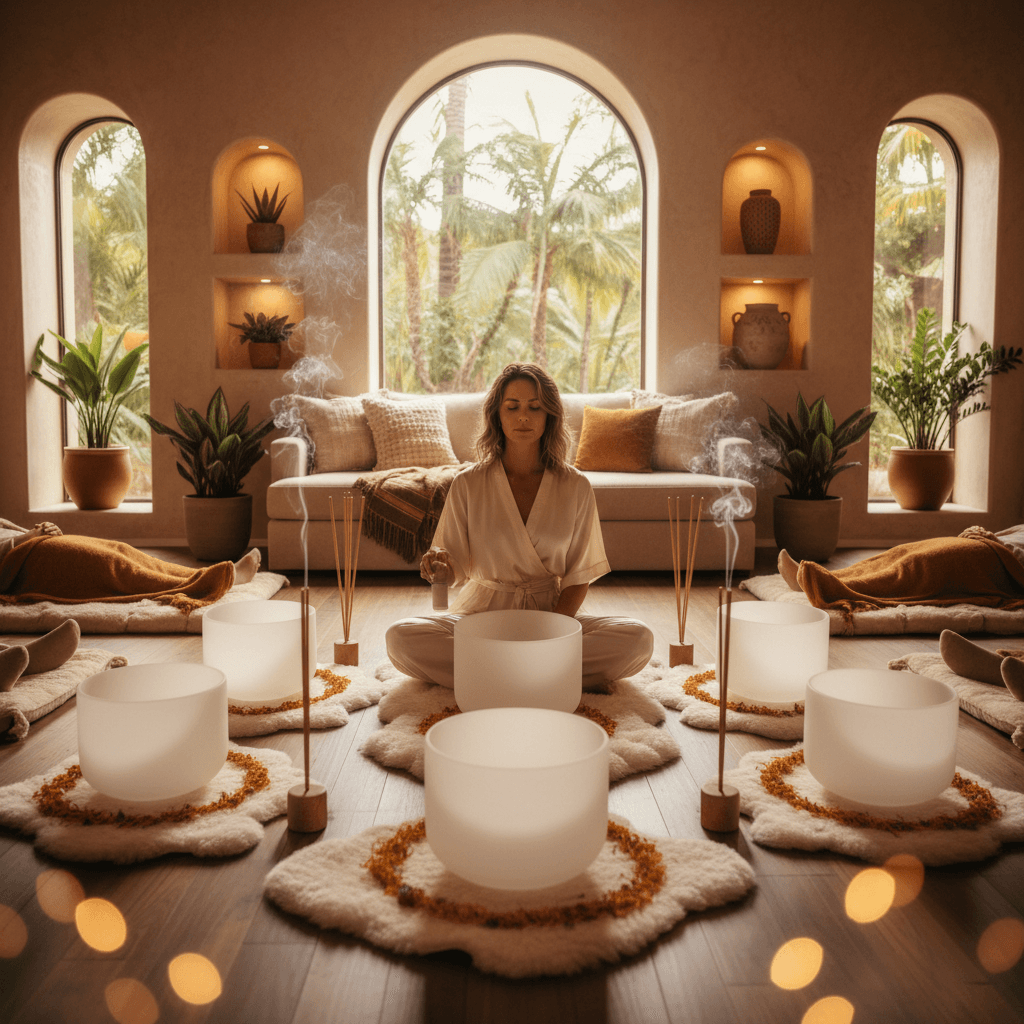
Then, the low bowls enter the experience. These ancient instruments, whether crafted from crystal or Tibetan alloys, produce deep, sustained tones and powerful vibrations. The frequencies generated by these bowls are not merely heard; they are felt throughout your entire being. The low, resonant hum permeates the cellular structure of your body, creating a subtle yet palpable internal massage. This tactile sensation further anchors your awareness, providing a concrete focal point for your attention and enhancing the grounding effect.
The synergy between the slow breath and the bowl's vibrations is key. As your breath deepens, the vibrations seem to travel more freely, resonating with your internal rhythms. This combination helps to quiet the "monkey mind," that incessant stream of thoughts that often fuels anxiety. The brain, enveloped in the consistent, calming stimuli of slow breath and resonant sound, finds it easier to disengage from rumination and enter a state of peaceful awareness. Clients often describe feeling a profound sense of release, as if layers of tension are gently peeled away, leaving them feeling lighter, more present, and deeply rooted in the moment. The consistent practice of these techniques also strengthens neural pathways associated with relaxation, making it easier over time to access this state of calm whenever needed.
The Soul Art Approach
At Soul Art, Larissa Steinbach has meticulously crafted an experience that transcends a mere sound bath. Her approach to "Grounding Through Low Bowls and Slow Breath" is an artful integration of ancient wisdom, contemporary neuroscience, and deep personal intuition, designed to facilitate genuine transformation. Larissa's methodology is built upon a profound understanding of how subtle shifts in sound and breath can profoundly impact our psycho-emotional landscape.
Larissa's sessions are distinguished by her careful selection and masterful playing of various low bowls, often combining the earthy tones of traditional Tibetan bowls with the pure, expansive frequencies of crystal singing bowls. She understands that each bowl possesses a unique voice and vibrational signature, and she intuitively selects and plays them to create a deeply resonant, immersive soundscape. This isn't just about sound; it's about creating a living, breathing field of vibration that interacts with the body's natural energetic pathways.
Central to the Soul Art method is the integration of guided breathwork. Larissa expertly guides participants through specific breath patterns, often commencing with techniques that establish a rhythmic, slow respiration, such as variations of box breathing or diaphragmatic breathing. This ensures that the physiological benefits of slow breathing, from vagal nerve stimulation to enhanced HRV, are optimized from the outset. By consciously orchestrating the breath, Larissa helps clients actively engage in their own grounding process, fostering a deeper sense of agency and presence.
What makes the Soul Art method truly unique is Larissa Steinbach’s ability to weave these elements into a seamless, therapeutic narrative. Her sessions are not prescriptive but rather an invitation to a personalized journey of self-discovery, where the deep, sustained tones of the bowls create a safe container for inner exploration. She focuses on creating an environment where the body naturally releases tension, the mind finds stillness, and the spirit reconnects with its innate peace. It's a holistic experience that nurtures every aspect of one's being, leaving participants feeling profoundly renewed and anchored.
Your Next Steps
Embracing the profound benefits of grounding through slow breath and low bowls doesn't require a complete overhaul of your daily routine. Small, consistent steps can lead to significant shifts in your overall well-being. Here are some actionable recommendations you can integrate into your life, moving towards a more grounded and centered existence.
- Mindful Moment Breathing: Throughout your day, pause for just one minute. Close your eyes, place a hand on your belly, and focus solely on the sensation of your breath. Inhale slowly through your nose, allowing your belly to rise, then exhale even more slowly, feeling your belly fall. Repeat for 6-10 breaths. This simple practice helps reset your nervous system and anchors you in the present.
- Curated Soundscapes: Incorporate calming, low-frequency sounds into your daily environment. This could be ambient music, nature sounds, or even recordings of singing bowls. Allow these frequencies to wash over you, providing a gentle auditory anchor that promotes relaxation and reduces mental chatter.
- Sensory Grounding Exercises: When feeling overwhelmed, engage your five senses to connect with your immediate environment. Notice five things you can see, four things you can feel, three things you can hear, two things you can smell, and one thing you can taste. This technique pulls your mind away from anxious thoughts and back into the present moment.
- Schedule Rest and Recharge: Prioritize dedicated time for relaxation. This isn't about productivity; it's about intentional rest that allows your nervous system to fully downregulate. Consider journaling, gentle stretching, or simply sitting in quiet contemplation without digital distractions.
- Explore Guided Practices: Many apps and online resources offer guided breathwork and sound meditation. These can be excellent tools to deepen your practice and reinforce the neural pathways for calm. Consistency is key; even 10-15 minutes daily can make a noticeable difference in your resilience to stress.
By regularly practicing these techniques, you'll begin to strengthen your brain's capacity for relaxation, making it easier to navigate life's challenges with greater equanimity. If you're ready to experience the transformative power of expertly guided low bowls and slow breath in a serene environment, we invite you to explore the unique offerings at Soul Art.
In Summary
In an era defined by constant stimulation, the elegant simplicity of slow breath and the profound resonance of low bowls offer a scientifically supported pathway to deep grounding and inner peace. We've explored how these practices stimulate the vagus nerve, enhance Heart Rate Variability, and induce beneficial brainwave states, fundamentally recalibrating the nervous system. From the PreBötzinger Complex's role in linking breath to emotion, to the cortical control over our anxiety, the science consistently reinforces the power within our own breath to achieve a state of tranquility.
At Soul Art, Larissa Steinbach masterfully combines these ancient techniques with a contemporary understanding of wellness, creating immersive experiences that help you release stress, improve mood, and foster a lasting sense of calm. These sessions are designed not just for temporary relief, but to build your inherent capacity for resilience and grounded living. Embrace this sophisticated self-care practice and discover the profound well-being that awaits you.
Bookings Coming Soon
Soul Art is still in preparation. Session details and booking will be published here after launch.
Coming Soon
Wellness Disclaimer: This article is for educational and informational purposes only. It does not constitute medical advice, diagnosis, or treatment. Soul Art Dubai provides non-medical wellness experiences focused on relaxation, stress management, and general wellbeing. Sound wellness is a complementary practice and should not replace professional medical care.
Related Articles
Beyond Hearing: Sound Waves & Your Body's Inner Boundaries at Soul Art
Breath Holding & Sound: Releasing Guarded Patterns at Soul Art Dubai
Reclaim Vitality: Soft Sound Practices for Fatigue & Collapse