Sound for Social Workers: Easing Compassion Fatigue with Soul Art
Key Insights
Discover how sound wellness at Soul Art, led by Larissa Steinbach, offers social workers a powerful tool to mitigate compassion fatigue and burnout in Dubai.
Compelling Introduction: The Unseen Toll of Empathy
Imagine a profession where your deepest empathy becomes both your greatest strength and your most significant vulnerability. For social workers, this is an everyday reality. They stand on the front lines of human suffering, offering unwavering support to individuals and families facing immense challenges. Yet, this profound dedication comes at a steep cost: over 70% of social workers experience compassion fatigue to some degree, a statistic that underscores a silent crisis within the helping professions (socialworkers.org).
This pervasive emotional and physical distress, a culmination of secondary traumatic stress and burnout, impacts their ability to navigate daily life and sustain their vital work. It is a nuanced challenge, deeply rooted in the continuous exposure to trauma and the empathetic burden carried day in and day out. Understanding this silent struggle is the first step toward building more resilient, compassionate, and effective support systems for those who dedicate their lives to helping others.
At Soul Art, Dubai's premier sound wellness studio, founded by Larissa Steinbach, we recognize this unique burden. We believe in empowering these unsung heroes with accessible, scientifically-informed wellness practices that may foster resilience and renew their capacity for compassion. This article delves into the science behind compassion fatigue and explores how the ancient yet innovative practice of sound wellness offers a complementary path toward profound restoration and sustained well-being for social workers.
The Deep Roots of Compassion Fatigue: A Scientific Perspective
Social work, while immensely rewarding, is consistently identified as a stressful occupation (Curtis et al., 2010). Professionals in this field are uniquely susceptible to emotional and psychological distress due to prolonged exposure to various forms of traumatic realities (Armes et al., 2020; Hamid and Musa, 2017). This persistent exposure can lead to a constellation of challenges, notably compassion fatigue and burnout.
Understanding Compassion Fatigue and Burnout
Compassion fatigue is distinct from general burnout, though the two often overlap and contribute to a cycle of distress. It is characterized by physical and emotional exhaustion, often accompanied by a reduced capacity for empathy, stemming from the continuous care for those who have experienced trauma (Thomas, 2013). This differs from burnout, which is more broadly associated with mental and physical exhaustion resulting from chronic occupational stress, impacting overall work performance and responsibilities (socialworkers.org).
The concept of secondary traumatic stress (STS) or vicarious traumatization (VT) is central to compassion fatigue. It arises from indirect exposure to trauma, such as listening to clients' traumatic experiences or witnessing their suffering (Diaconescu, 2015). This indirect exposure can activate stress responses in social workers, mirroring those of directly traumatized individuals. The cumulative effect can be profound, impacting personal well-being and even changing a social worker's perspective when dealing with complex cases (Kim et al., 2021; Denne et al., 2019). Studies indicate that without proper intervention, compassion fatigue may lead to more serious conditions, including anxiety, depression, and even chronic substance use (socialworkers.org).
The Nervous System's Role and Sound's Influence
The human body's stress response system, primarily the sympathetic nervous system, is designed for acute threats. However, for social workers, this system can be chronically activated by the constant emotional demands and exposure to distressing narratives (Travis et al., 2016). This sustained activation can lead to physiological imbalances, including elevated cortisol levels, disrupted sleep patterns, and a heightened state of vigilance, making relaxation increasingly difficult. The parasympathetic nervous system, responsible for "rest and digest," becomes underactive, leading to diminished recovery capacity.
"The subtle yet profound power of sound offers a unique pathway to soothe an overstimulated nervous system, inviting the body and mind back into a state of harmony."
Emerging research suggests that sound wellness practices, such as those offered by Larissa Steinbach at Soul Art, may play a vital role in recalibrating the nervous system. The principle lies in sound's ability to influence brainwave states and activate the vagal nerve, a key component of the parasympathetic nervous system. Specific frequencies and rhythmic patterns, like those produced by gongs and singing bowls, may facilitate the brain's transition from beta waves (associated with alertness and stress) to alpha waves (relaxed, meditative state) and even theta waves (deep relaxation, creativity, restorative sleep).
This process, known as brainwave entrainment, has been associated with:
- Reduced physiological markers of stress: Preliminary studies indicate a potential decrease in cortisol levels and heart rate variability improvements, suggesting a shift towards a more relaxed state.
- Vagal nerve stimulation: Gentle vibrations and sustained tones may stimulate the vagal nerve, promoting parasympathetic activation and fostering a "calm and connect" response. This response is crucial for emotional regulation and resilience.
- Enhanced emotional processing: By inducing deeper states of relaxation, sound wellness may create a safe space for individuals to process emotions, release tension, and cultivate a sense of inner peace, without directly revisiting traumatic content.
- Improved sleep quality: Transitioning into alpha and theta states during sound sessions has been anecdotally reported to improve sleep onset and duration, which is essential for emotional and physical recovery.
While more intervention studies are needed specifically among social workers to conclusively measure the efficacy of practices like sound wellness in mitigating compassion fatigue (Delaney, 2018; Slatyer et al., 2017), the existing understanding of sound's physiological effects offers a promising complementary approach. Two studies among healthcare professionals, for instance, focused on yoga and mindfulness as interventions to reduce compassion fatigue, underscoring the potential for holistic practices (pmc.ncbi.nlm.nih.gov/articles/PMC11809495/). Sound wellness, as a distinct yet complementary modality, aligns with these holistic approaches by targeting the nervous system directly.
From Theory to Tranquility: Experiencing Sound Wellness
Connecting the scientific understanding of compassion fatigue to the tangible experience of sound wellness reveals a pathway to profound restoration. For social workers who often carry the weight of others' pain, the opportunity to shed that burden, even temporarily, is invaluable. Sound wellness is not merely listening to pleasant sounds; it is an immersive, multi-sensensory experience designed to guide the body and mind into a state of deep relaxation and self-healing.
The Therapeutic Environment
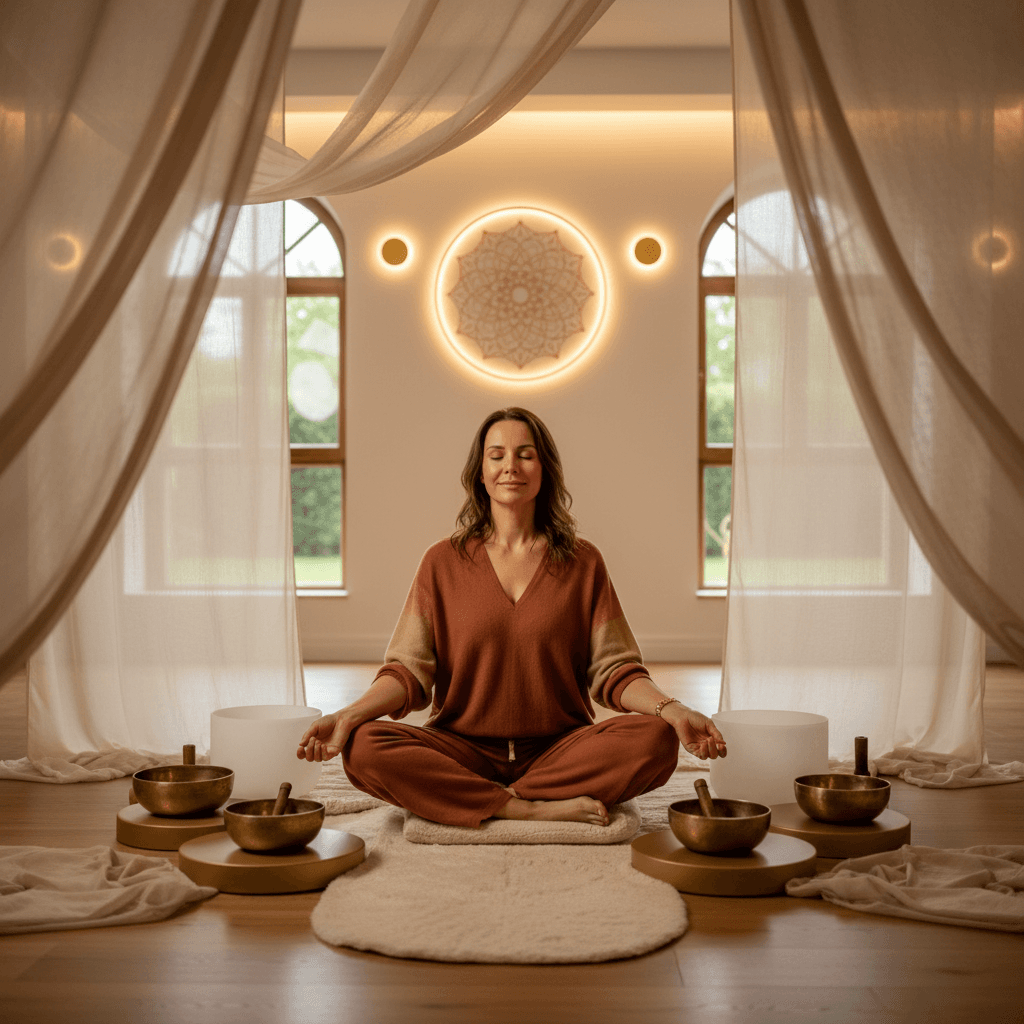
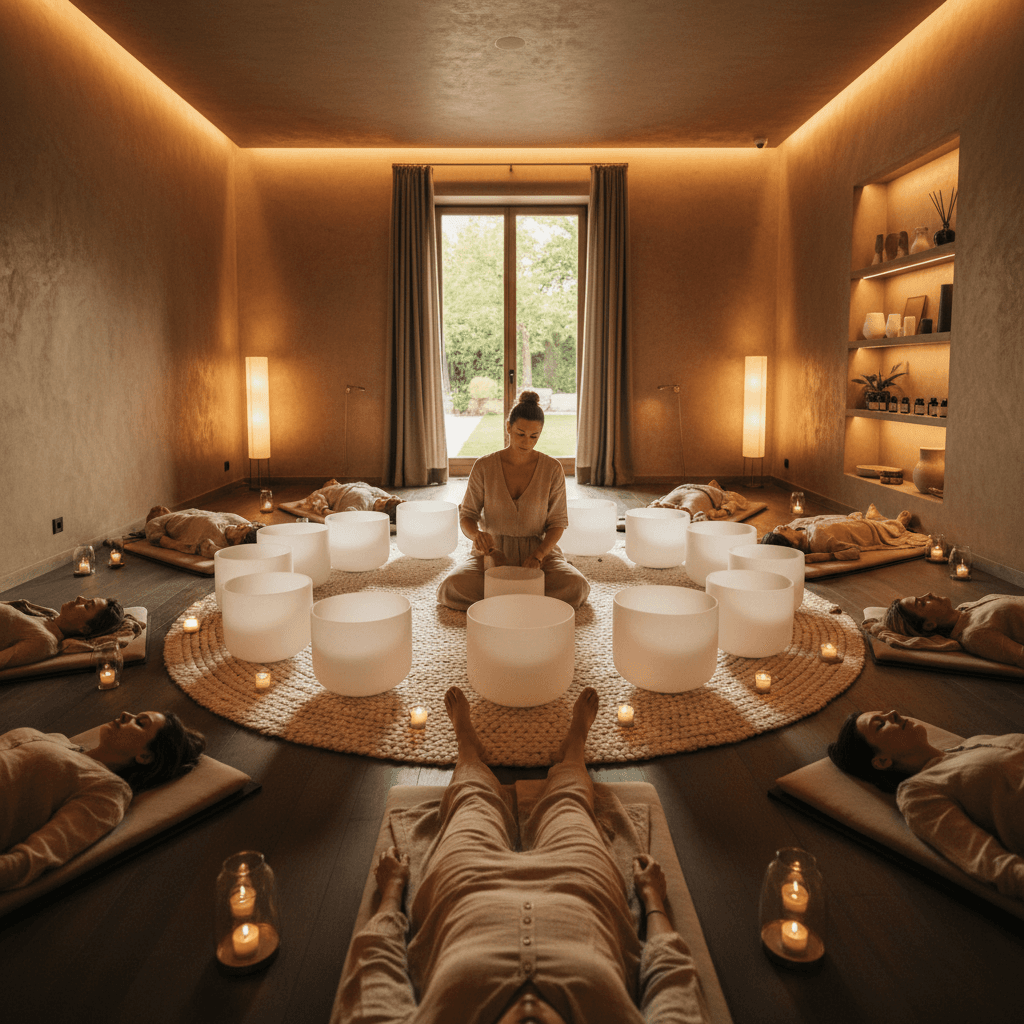
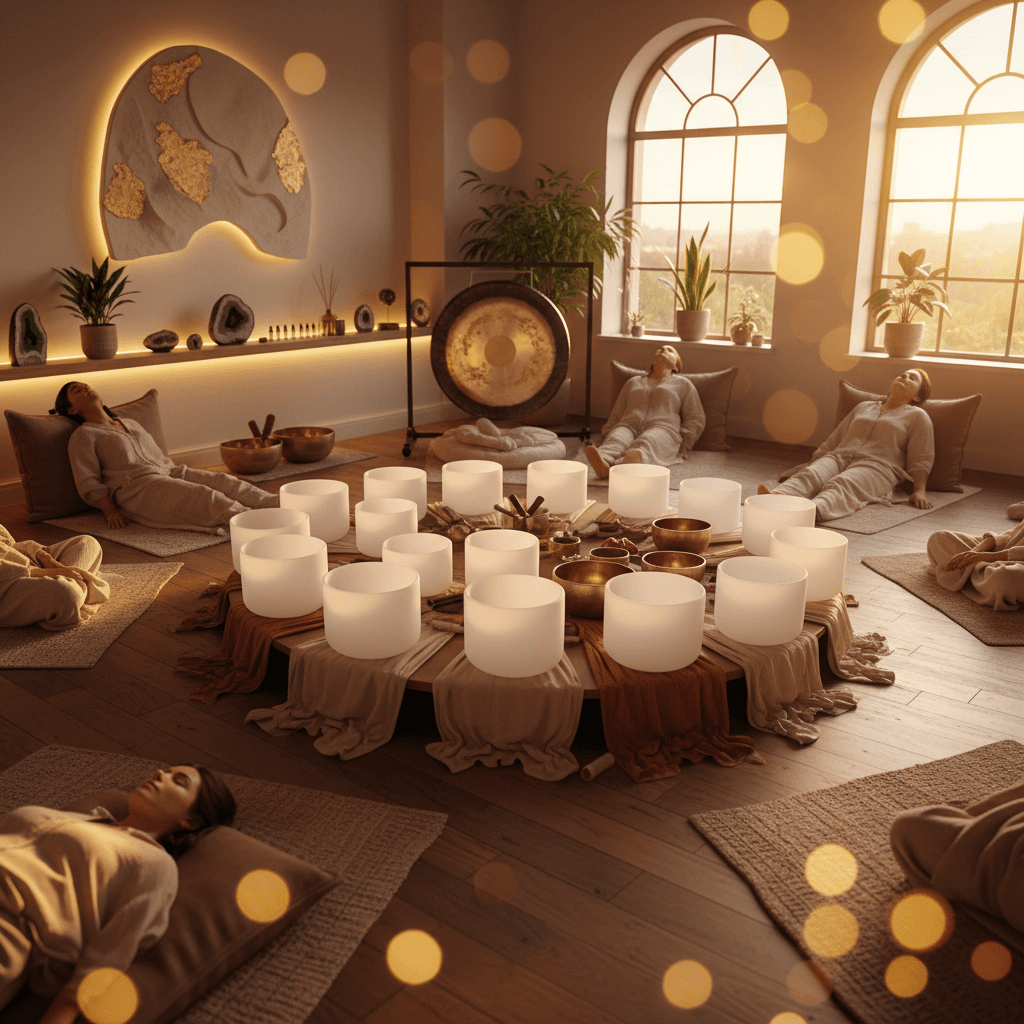
Imagine stepping into a serene space, intentionally designed to be a sanctuary from the world's demands. At Soul Art, the environment itself is a crucial element of the healing process. Soft lighting, comfortable mats, and a gentle, ambient temperature create a cocoon where one can feel safe to let go. The atmosphere is one of quiet luxury, allowing for a complete surrender to the moment. This deliberate creation of a supportive space is essential for individuals who spend their professional lives in often chaotic or emotionally charged environments.
The session begins with an invitation to simply lie down, close your eyes, and allow the body to settle. There are no expectations, no tasks to perform, only a gentle encouragement to be present. This initial phase helps to transition from the active, thinking mind to a more receptive, feeling state. For social workers accustomed to constant problem-solving and critical thinking, this opportunity to simply be can be a radical act of self-care.
Sensory Engagement and Physiological Shifts
As the sound journey begins, a symphony of carefully selected instruments fills the space. The deep, resonant tones of a large gong may wash over the body, its vibrations felt as much as heard, gently stimulating nerve endings and promoting cellular relaxation. The pure, sustained notes of crystal singing bowls create intricate harmonic overtone frequencies that resonate within the body, potentially influencing the brain's electrical activity. Chimes, rainsticks, and other instruments add layers of texture, creating a rich tapestry of sound.
Clients often describe a profound sense of peace and a feeling of "floating" or weightlessness. This subjective experience is rooted in the physiological shifts occurring within the body. The sustained, rhythmic sound patterns, particularly those with frequencies that align with natural brainwave states, may gently guide the brain into alpha and theta states. In these states, the mind becomes calm, thoughts quieten, and the body's natural healing mechanisms are activated. This can include a reduction in muscle tension, a slowing of the heart rate, and a deeper, more regulated breath.
The physical vibrations are particularly significant. They are thought to stimulate mechanoreceptors throughout the body and may contribute to vagal nerve toning. This stimulation sends signals to the brain, activating the parasympathetic nervous system, effectively telling the body it is safe to relax and restore. Many people report a sense of emotional release during or after a session, as the relaxation allows pent-up stress and unexpressed feelings to surface and gently dissipate. This complementary approach offers a powerful way for social workers to discharge accumulated stress, promoting mental clarity, emotional balance, and a renewed sense of personal well-being that extends beyond the session itself.
Soul Art's Signature Resonance: A Path to Renewal with Larissa Steinbach
At Soul Art, Dubai, the practice of sound wellness is elevated to an art form, guided by the profound expertise and compassionate vision of its founder, Larissa Steinbach. Her approach is rooted in a deep understanding of sound's therapeutic potential, combined with an intuitive ability to create bespoke experiences that resonate deeply with each individual's needs, especially those navigating high-stress professions like social work.
Larissa Steinbach's method goes beyond simply playing instruments; it involves a meticulous crafting of soundscapes designed to facilitate specific states of consciousness and promote healing. She understands that the unique experiences of social workers — their empathy, their exposure to trauma, and their relentless dedication — require a tailored approach to self-care. Her sessions are not merely passive listening experiences but active engagements with frequencies and vibrations that support the body's innate ability to recalibrate and restore.
What makes the Soul Art method truly unique is Larissa's holistic philosophy and her mastery of a diverse array of instruments. She meticulously selects and plays instruments such as:
- Large Symphonic Gongs: These create immersive sound waves that deeply penetrate the body, stimulating cellular resonance and promoting profound relaxation. The complex overtones of gongs are particularly effective at inducing altered states of consciousness, which may aid in stress reduction and emotional processing.
- Crystal Singing Bowls: Tuned to specific frequencies, these bowls produce pure, sustained tones that resonate with the body's energy centers. Their vibrations are often described as deeply soothing, promoting mental clarity and emotional release.
- Himalayan Singing Bowls: With their rich, earthy tones, these traditional bowls offer grounding frequencies that can help to stabilize the nervous system and foster a sense of security and presence.
- Chimes and Other Percussion: Delicate chimes, ocean drums, and rainsticks add intricate layers to the soundscape, creating a multi-dimensional experience that can transport the listener to a state of serene calm.
Larissa Steinbach's expertise ensures that each session is a finely tuned journey, gently guiding participants into states of deep relaxation where the body's self-regulatory mechanisms can flourish. The intention behind every sound is to create a nurturing space for social workers to release accumulated tension, replenish their energy reserves, and reconnect with their inner strength. This unique blend of scientific understanding, artistic intuition, and profound empathy positions Soul Art as an essential haven for those seeking to mitigate compassion fatigue and cultivate sustainable well-being in their demanding careers.
Cultivating Resilience: Practical Steps for Social Workers
Addressing compassion fatigue is a multi-faceted endeavor that requires a commitment to proactive self-care. While sound wellness offers a powerful complementary tool, integrating it into a broader self-care strategy is key to long-term well-being. For social workers, whose resilience is a fundamental skill, embracing these practices can significantly enhance their capacity to recover from stress and maintain their physical, mental, and emotional health (socialworkers.org).
Here are 3-5 actionable steps that social workers can begin to implement today:
- Schedule Non-Negotiable Breaks: Just as you schedule client appointments, schedule dedicated time for yourself each day. This could be 15 minutes to step away from your desk, practice deep breathing, or engage in a brief mindfulness exercise. These small pauses can prevent stress from accumulating throughout the day.
- Establish Clear Professional Boundaries: Learn to say no when your workload becomes overwhelming. Protecting your personal time and energy is crucial for preventing burnout. This includes setting limits on responding to work communications outside of designated hours.
- Engage in Regular Mind-Body Practices: Incorporate activities that connect your mind and body. This might include yoga, meditation, spending time in nature, or engaging in creative hobbies. These practices can help regulate the nervous system and foster emotional balance.
- Seek Peer Support and Supervision: Connect with colleagues or supervisors who understand the unique challenges of social work. Sharing experiences and receiving professional guidance can provide validation, reduce feelings of isolation, and offer new coping strategies.
- Explore Sound Wellness as a Self-Care Ritual: Integrate sound wellness sessions into your routine. Consider booking a session at Soul Art with Larissa Steinbach to experience firsthand how targeted frequencies and vibrations may support nervous system regulation, reduce stress, and promote deep relaxation, offering a unique form of restorative self-care.
By proactively adopting these self-care strategies, social workers can build greater resilience, sustain their invaluable work, and protect their own well-being. Prioritizing self-care is not a luxury; it is a professional necessity for thriving in a demanding and emotionally taxing field.
Embracing Self-Care: A Resonant Conclusion
The profound commitment of social workers to their clients is truly commendable, yet it often comes at the significant personal cost of compassion fatigue and burnout. This article has illuminated the scientific basis of this pervasive challenge, detailing how chronic stress impacts the nervous system and erodes well-being. It has also presented sound wellness as a powerful, complementary approach to foster resilience and restore balance.
Through the expertly guided sessions at Soul Art, Larissa Steinbach offers social workers a sanctuary where carefully curated soundscapes, utilizing instruments like gongs and crystal singing bowls, may gently guide the mind and body into deep states of relaxation. This practice has been associated with nervous system recalibration, stress reduction, and enhanced emotional processing. Prioritizing self-care is not merely a recommendation; it is an essential strategy for these dedicated professionals to sustain their vital work and nurture their own compassion. We invite you to experience the transformative potential of sound wellness.
Bookings Coming Soon
Soul Art is still in preparation. Session details and booking will be published here after launch.
Coming Soon
Wellness Disclaimer: This article is for educational and informational purposes only. It does not constitute medical advice, diagnosis, or treatment. Soul Art Dubai provides non-medical wellness experiences focused on relaxation, stress management, and general wellbeing. Sound wellness is a complementary practice and should not replace professional medical care.
Related Articles
Chefs: Mastering Kitchen Pressure Through Sound Wellness
Sound for Death Workers: Managing Stress for Funeral Directors
Sound Wellness: Respite for Retail's Customer-Facing Heroes