Sound Comfort for Toddlers: Easing Separation Anxiety

Key Insights
Explore how sound wellness at Soul Art Dubai, founded by Larissa Steinbach, offers comfort and eases separation anxiety in toddlers. Discover scientific insights and practical tips.
Have you ever wondered if the gentle lull of specific sounds could offer profound comfort to your little one during moments of separation? The heart-wrenching cries as you say goodbye, the clingy grasp that signals distress – separation anxiety is a universal challenge for both toddlers and their caregivers. While a natural developmental stage, understanding and addressing it with thoughtful strategies can profoundly impact a child’s emotional well-being.
At Soul Art, Dubai's premier sound wellness studio founded by Larissa Steinbach, we delve into the science behind sound and its potential to soothe the nervous system, offering a unique, complementary approach to support children through these emotional transitions. This article explores the intricate dance between neuroscience, developmental psychology, and the ancient wisdom of sound, offering insights and practical takeaways for parents seeking to provide a sense of security and calm for their toddlers. We believe that by fostering emotional resilience from an early age, we can empower children to navigate the world with greater confidence and inner peace.
The Science Explained: Understanding Separation Anxiety and Sound's Influence
Separation anxiety, a normal developmental stage, typically emerges between 6 months and 5 years of age. During this period, a child’s distress and protest surrounding separation from primary caregivers are age-appropriate and a testament to the strong, healthy attachment bonds they have formed. However, if this anxiety becomes excessive, persists beyond age 5, or significantly interferes with daily functioning, it may indicate a more challenging condition.
Research from the Cleveland Clinic and other sources emphasizes that while these moments can be stressful, they are a sign of a close bond. The challenge lies in helping children navigate this phase without inadvertently reinforcing anxiety. Understanding the underlying mechanisms of anxiety, particularly how it manifests in a child's developing brain and body, is crucial.
The Neurobiology of Anxiety in Toddlers
When a toddler experiences separation anxiety, their autonomic nervous system often shifts into a sympathetic "fight or flight" response. This physiological reaction can manifest as crying, clinging, increased heart rate, and even physical symptoms like stomachaches or headaches, especially in older children experiencing anticipatory anxiety. The brain, particularly the amygdala, perceives separation as a threat, triggering a cascade of stress hormones. For children, this is not just an emotional experience; it’s a deeply physical one.
Studies have also explored the role of family accommodation in maintaining anxiety. When parents overly accommodate a child’s anxiety by altering routines or avoiding separations, they may unintentionally communicate that the child is unable to handle fear independently. Research by Lebowitz and colleagues (2016) even found biological evidence, showing that salivary oxytocin levels in anxious children were significantly associated with the degree of family accommodation, particularly for separation anxiety. This suggests that while parents often act with love, their accommodations can, over time, reinforce rather than diminish the child's anxiety.
The Power of Sound on the Developing Nervous System
Sound-based interventions are gaining recognition for their potential to support emotional and behavioral regulation in children. A systematic review published in Occupational Therapy International highlighted preliminary evidence for the positive impact of such interventions, including specific programs like the SSP (Safe and Sound Protocol), iLS (integrated Listening Systems), and LPP (Listening Program), on auditory hypersensitivity, emotional regulation, and anxiety symptomatology. These interventions leverage the direct connection between the auditory system and the vagus nerve, a key component of the parasympathetic nervous system responsible for "rest and digest" functions.
Specific frequencies and harmonic sounds can act as a gentle massage for the nervous system, encouraging a shift from a stressed, sympathetic state to a calmer, parasympathetic one. This can help to downregulate the body's stress response, potentially reducing the physiological symptoms associated with anxiety. By creating a sonically supportive environment, we aim to provide a sensory anchor that helps toddlers feel safer and more grounded, even in the absence of their primary caregiver. The consistent application of calming sound patterns can, over time, help to retrain the nervous system to respond to separation with greater resilience.
The Importance of Rituals and Calm Goodbyes
Research consistently underscores the importance of consistent, calm goodbye rituals. Cara Goodwin, Ph.D., a licensed clinical psychologist, emphasizes that a predictable goodbye ritual – be it a special handshake, a song, or a particular sequence of hugs and kisses – can significantly reduce distress and anxiety in children. These rituals provide a sense of predictability and control, signaling to the child what is coming and that the separation is temporary.
Furthermore, Dr. Goodwin stresses the importance of not sneaking out. While it might seem easier in the moment, studies find that this practice is associated with more distress and anxiety in infants when they realize their parents have abruptly left. Instead, parents should initiate the goodbye with a calm, confident demeanor, mirroring emotions that promote security rather than mirroring their child's distress. This intentional, empathetic approach, combined with the potential for sound to soothe, creates a powerful framework for managing separation anxiety.
How It Works in Practice: Connecting Theory to Experience
Bringing scientific understanding into practical, everyday applications is at the heart of what we do at Soul Art. When we consider how sound can comfort toddlers experiencing separation anxiety, we move beyond abstract concepts to tangible experiences that engage a child's senses and nervous system. The application of sound wellness isn't about "fixing" the anxiety but about providing a robust toolset for emotional regulation and resilience.
Creating a Soothing Auditory Environment
Imagine a space where gentle, harmonious frequencies fill the air, creating an immediate sense of calm. This is the essence of sound comfort for toddlers. Rather than relying solely on verbal reassurance, which can be challenging for young children to fully process during distress, sound works directly on the auditory pathways and the nervous system. The brain processes sound much faster than language, making it a highly effective medium for immediate emotional regulation.
Clients at Soul Art often describe the experience as deeply relaxing, almost like a sonic embrace. For toddlers, this can translate into a reduction in overt distress signals such as crying, clinging, or fussing. The soothing vibrations and carefully curated tones may help to quiet the overactive sympathetic nervous system, allowing the child's body to naturally shift towards a more relaxed, parasympathetic state. This shift is critical because a calm body is better equipped to process emotions and adapt to new situations.
The Role of Sensory Integration and Predictability
Toddlers thrive on predictability and sensory comfort. Sound wellness provides both. Consistent exposure to specific calming sounds can become a powerful association for a child, signaling safety and relaxation. This creates a sensory anchor that they can internalize and even recall during moments of stress. The beauty of sound is its non-invasive nature; it doesn't require active participation in the same way traditional talk-based therapies might, making it uniquely suited for very young children.
Parents and caregivers accompanying their toddlers to Soul Art sessions observe a transformation not just in their child, but often in themselves too. When caregivers are calmer, children tend to mirror that emotional state, as noted by research suggesting children will often reflect their parents' emotions during separation. By engaging in a shared calming experience through sound, both parent and child can benefit, strengthening their bond and creating a co-regulated environment of peace. The gentle resonance of singing bowls, chimes, or other instruments can provide a consistent, grounding presence that helps to ease the transition when a caregiver needs to step away.
Beyond the Session: Integrating Sound at Home
The benefits of sound comfort extend beyond the studio walls. We guide parents on how to incorporate simple sound rituals into their daily routines, particularly around separation moments. This could involve playing specific calming music during drop-offs, using a small chimes or a soothing lullaby as part of a goodbye ritual, or creating a quiet, sound-enriched space for winding down. The goal is to build upon the positive associations formed at Soul Art, reinforcing the message of security and well-being wherever the child may be. These practical applications help bridge the gap between structured wellness sessions and everyday life, empowering families with sustainable tools for emotional support.
The Soul Art Approach: A Unique Path to Comfort
At Soul Art, Larissa Steinbach and her team are dedicated to crafting bespoke sound wellness experiences that resonate deeply with each individual, including the youngest members of our community. Our approach to supporting toddlers through separation anxiety is holistic, empathetic, and firmly rooted in scientific understanding, yet delivered with the quiet luxury and warmth characteristic of Dubai's premier studio. We recognize that every child is unique, and our methods are designed to be adaptable, gentle, and profoundly effective.
Larissa Steinbach's vision for Soul Art extends beyond mere relaxation; it's about cultivating a deeper connection to self and fostering emotional resilience. For toddlers, this means creating an environment where their nervous systems can feel safe enough to process feelings of separation without overwhelming distress. Our unique methodology integrates ancient wisdom with contemporary scientific insights into auditory processing and nervous system regulation. We understand that early childhood experiences shape future emotional landscapes, and we are committed to providing nurturing foundations.
Curating a Safe and Soothing Sanctuary
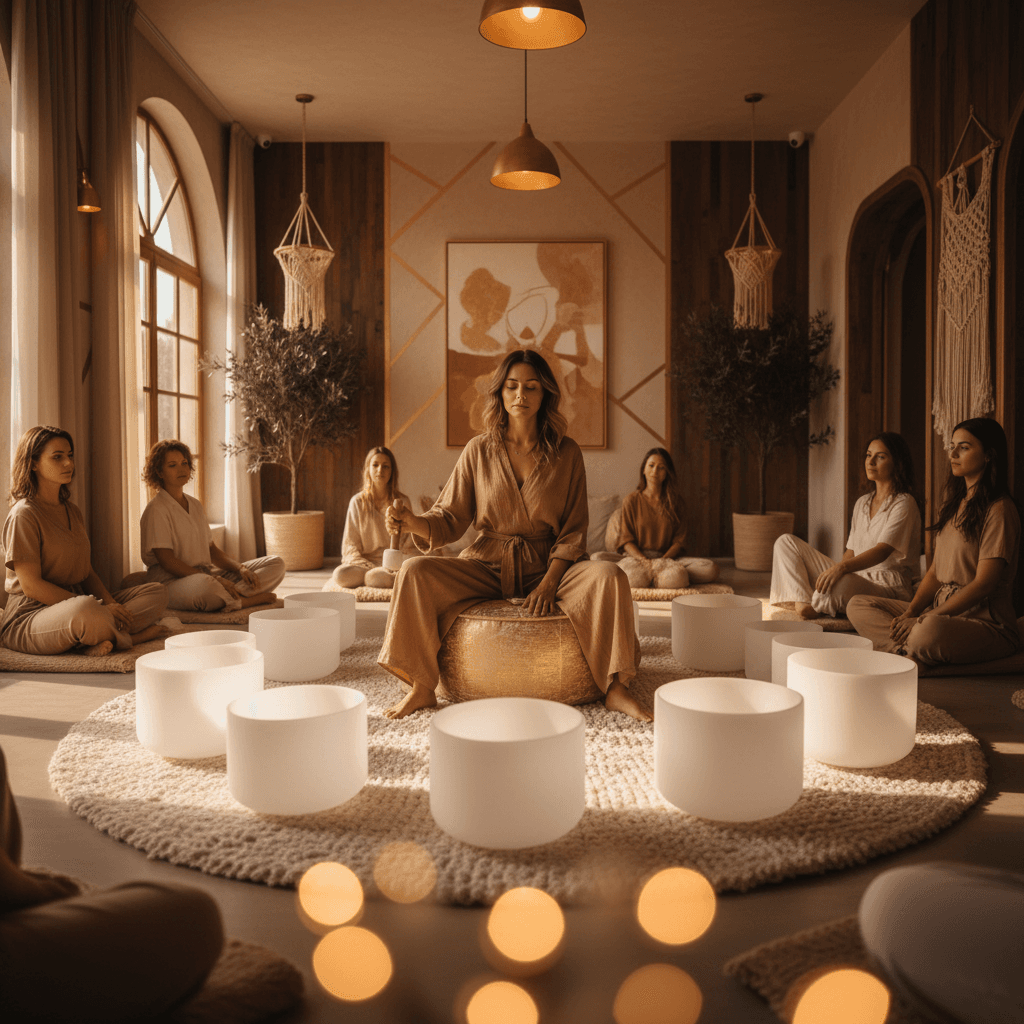
Our studio at Soul Art is meticulously designed to be a sanctuary of calm. The physical space itself, with its soft lighting, natural textures, and inviting ambiance, prepares the nervous system for relaxation even before the sound begins. For toddlers, this means a non-intimidating environment where they can feel secure. We use carefully selected instruments, each chosen for its specific vibrational qualities and ability to produce harmonious, gentle sounds that are highly unlikely to overstimulate a child's sensitive auditory system.
Larissa Steinbach and her practitioners employ instruments such as Himalayan singing bowls, crystal singing bowls, chimes, and gentle percussion. These instruments produce rich overtones and sustained vibrations that are known to encourage brainwave states associated with deep relaxation, such as alpha and theta waves. This shift in brain activity may help to calm the mind and body, providing a foundation for emotional comfort. The soundscapes are not merely music; they are intentionally crafted sonic environments designed to encourage nervous system regulation and a sense of profound peace.
Personalized Guidance and Empathetic Support
What truly distinguishes the Soul Art approach is the personalized attention and empathetic guidance provided by Larissa Steinbach and her skilled team. We don't just play sounds; we facilitate an experience. For toddlers and their caregivers, this involves creating a supportive atmosphere where feelings are acknowledged and validated. We work with caregivers to understand the nuances of their child's separation anxiety, tailoring sessions to their specific needs and developmental stage. This may include shorter, more frequent sessions or incorporating elements that cater to a child's natural curiosity and playfulness.
We also educate parents on the broader principles of nervous system regulation and the importance of their own calm presence. As research suggests, children often mirror their caregivers' emotions. By helping parents cultivate their own inner calm through sound wellness, they can more effectively project confidence and ease during separation moments, creating a positive feedback loop for their child. Soul Art sessions become a shared journey towards greater emotional harmony for the whole family, reinforcing the idea that well-being is a collective pursuit.
Your Next Steps: Practical Comfort for Toddlers
Navigating separation anxiety can feel overwhelming, but empowering yourself with practical tools can make a significant difference. At Soul Art, we believe in providing actionable strategies that complement our sound wellness experiences, helping you foster greater comfort and resilience in your toddler. Remember, consistency and a calm, empathetic approach are key.
Here are 3-5 actionable steps you can implement starting today:
- Establish a Consistent Goodbye Ritual: Following Dr. Cara Goodwin's research, create a special routine you perform every time you separate. This could be a unique handshake, a specific phrase, or a series of hugs and kisses. Predictable rituals provide comfort and help your child understand what’s happening, reducing uncertainty and distress.
- Always Say Goodbye (Don't Sneak Out): While tempting, sneaking out can increase a child's anxiety and distress. Instead, initiate the goodbye calmly and confidently. Reassure your child that you will return, reinforcing trust and predictability. Your calm demeanor can help your child mirror your confidence, as research suggests children often reflect parental emotions during separation.
- Prioritize Your Calmness: Children are highly attuned to their caregivers' emotional states. Before separation, take a few deep breaths to center yourself. Projecting a calm and confident demeanor, even if you feel nervous, can significantly influence your child's emotional response. Consider a brief moment of quiet contemplation or a short sound meditation for yourself before a planned separation.
- Incorporate Calming Sounds at Home: Introduce gentle, harmonious background sounds during times of transition or rest. This could be soft instrumental music, nature sounds, or simple chimes. Creating a soothing auditory environment at home can reinforce the calming effects experienced at Soul Art and provide a continuous sensory anchor for your child's nervous system.
- Acknowledge and Validate Feelings (Without Accommodation): When your child expresses distress, offer empathy and comfort rather than immediate distraction. Say, "I know you're sad that I'm leaving, and it's okay to feel that way." This validates their emotions without inadvertently accommodating the anxiety by avoiding the separation, which research indicates can maintain rather than diminish anxiety over time.
By integrating these practices, you provide a robust support system for your toddler, helping them build confidence and emotional regulation skills. The journey through separation anxiety is a process, and with patience and consistent effort, it truly does get better with time.
Bookings Coming Soon
Soul Art is still in preparation. Session details and booking will be published here after launch.
Coming Soon
In Summary: Nurturing Toddler Well-being with Sound
Separation anxiety is a normal, albeit challenging, developmental phase for toddlers, deeply rooted in their forming attachments and developing nervous systems. Understanding its scientific underpinnings reveals the profound impact of parental presence, consistent rituals, and environmental factors on a child's emotional regulation. Research clearly indicates that calm, predictable goodbyes and empathetic comfort, rather than sneaking out or excessive accommodation, are crucial for fostering long-term resilience.
Soul Art, under the guidance of Larissa Steinbach, offers a complementary path to support children through this stage using the therapeutic power of sound. By creating a harmonious auditory environment, we aim to soothe the nervous system, reduce physiological stress responses, and encourage a state of deep relaxation. This unique approach provides toddlers with a sensory anchor, fostering a sense of security and empowering both children and caregivers to navigate separations with greater ease and confidence. We invite you to explore how sound wellness can contribute to a foundation of emotional well-being for your family.
Related Articles
Moving Home: How Sound Wellness Supports Child Adaptation
Sound Wellness for Sibling Adjustment: Nurturing Family Harmony

Teen Identity & Sound: Self-Discovery for Adolescents at Soul Art Dubai