Sound as a Sanctuary: Nurturing Calm for Overwhelmed Children
Key Insights
Explore how sound wellness, guided by Larissa Steinbach at Soul Art Dubai, offers a unique, scientifically-backed approach to supporting children with sensory overwhelm.
Have you ever witnessed a child's sudden, intense emotional outburst, seemingly triggered by something as ordinary as a loud noise, a bright light, or a specific texture? These moments, often dismissed as "tantrums," may actually be a visible manifestation of an internal struggle: sensory overwhelm. For a significant number of children, the everyday world can feel like a relentless assault on their senses, leading to profound emotional and behavioral challenges.
Recent pioneering research is beginning to illuminate the distinct brain patterns behind these reactions, moving us closer to understanding and effectively supporting these young individuals. At Soul Art Dubai, we believe in a holistic, scientifically-informed approach to nurture well-being, especially for our youngest and most sensitive members of the community. This article will delve into the cutting-edge science of sensory processing, explore how sound can offer a powerful pathway to regulation, and introduce you to the unique methods championed by our founder, Larissa Steinbach, to create a sanctuary for overwhelmed children.
The Science Behind Sensory Overwhelm
For decades, parents and educators have observed that some children react disproportionately to sensory stimuli. While often challenging to articulate, the experiences of these children are now gaining scientific validation. Understanding the brain's role in processing sensory information is the first step toward offering meaningful support.
Understanding Sensory Processing Disorder (SPD)
SensSensory Processing Disorder (SPD) is a condition that affects how the brain interprets and responds to sensory input, such as sounds, touch, sights, tastes, and smells. While it profoundly impacts daily functioning for many children, SPD still lacks an official diagnosis in the Diagnostic and Statistical Manual of Mental Disorders (DSM-5), though sensory issues are widely recognized as common features of other conditions like Autism Spectrum Disorder (ASD) and ADHD. Research from the STAR Institute suggests that these challenges affect an estimated 5% to 12% of school-aged children, explaining a considerable portion of emotional volatility in this population. In clinical settings, the prevalence can be even higher, with studies indicating that up to 55.9% to 64.4% of preschool-aged children referred for developmental and behavioral concerns exhibit sensory processing difficulties.
A groundbreaking study published in 2013 by researchers at the University of California, San Francisco (UCSF), provided some of the first biological evidence of SPD as a distinct condition. Using advanced brain imaging techniques called Diffusion Tensor Imaging (DTI), these scientists identified measurable differences in the white matter brain structure of children with SPD compared to their typically developing peers. These structural variations were particularly noted in areas connecting crucial sensory regions of the brain, suggesting a physiological basis for their unique sensory experiences.
"These children are not just being difficult or seeking attention. Their brains are wired differently, affecting how they experience and respond to the world around them." – Dr. Lucy Jane Miller, founder of the STAR Institute.
Neural Signatures of Overstimulation
More recent investigations at UCSF, funded by the National Institutes of Health (NIH), have continued to uncover distinct brain patterns in children overly sensitive to their sensory environment. Published in the Journal of Neurodevelopmental Disorders, these findings reveal a specific neural signature for overwhelm in children highly sensitive to sound, touch, and visual information. Researchers studied 83 neurodivergent children, imaging their brains using functional MRI (fMRI) to measure brain activity.
The study identified significant differences:
- Children who were easily overwhelmed by sensory input showed a compensatory mechanism in their brains. They exhibited increased activity in their brain’s inward-focused networks, which are typically associated with self-control and internal regulation.
- Simultaneously, these children demonstrated a reduction in activity within their outward-focused networks, which are involved in processing external sensory information.
- This pattern suggests that when overstimulated, these children actively "dial up" their internal mechanisms to gain self-control while "dialing down" external input to minimize the flood of sensations.
Conversely, children who were not emotionally overwhelmed, and some who were even under-responsive to sensory input, exhibited the opposite brain activity pattern. This discovery is pivotal as it could one day help clinicians refine approaches to support children experiencing strong emotional and behavioral reactions. The research highlights that the intense emotional volatility often seen in these children is not merely behavioral but rooted in how their brains fundamentally process the world. Preliminary evidence also suggests that abnormal feed-forward inhibitory mechanisms, potentially linked to GABAergic activity, might contribute to these unique sensory processing behaviors.
The Role of Sound in Brain Regulation
Sound is a powerful form of sensory input, capable of both overwhelming and deeply soothing the nervous system. For children with sensory processing challenges, everyday sounds can be incredibly disruptive. This might manifest as:
- Hyper-responsivity to auditory input: Children may react strongly to unexpected or loud noises, leading to distress, withdrawal, or explosive behavior. A sudden clap, a fire alarm, or even the hum of a refrigerator can trigger a fight-or-flight response.
- Difficulty filtering sounds: The brain struggles to differentiate between important and unimportant auditory information, leading to constant distraction and mental fatigue. This makes focused learning or social interaction incredibly challenging.
- Multisensory integration deficits: Some children with SPD struggle to combine different sensory inputs effectively. For example, they may have difficulty benefiting from seeing and hearing speech inputs simultaneously, especially in noisy environments, making communication and comprehension harder.
Conversely, carefully curated sound environments and specific sonic frequencies can become potent tools for regulation. Gentle, predictable, and harmonious sounds can engage the brain's inward-focused networks in a constructive way, promoting a sense of safety and calm without requiring the "dialing down" of outward networks in an overwhelmed state. These sounds can offer a predictable anchor, helping the nervous system to shift from a state of heightened arousal to one of relaxation and receptivity. The brain’s response to sound can influence cortical activity and potentially support more balanced sensory processing.
Bridging Science to Serenity: How Sound Wellness Supports Sensory Regulation
Connecting the complex neuroscience of sensory processing to practical, supportive approaches for children is at the heart of sound wellness. By understanding how an overwhelmed brain operates, we can strategically introduce sound as a calming and regulating force. Sound wellness is a complementary approach that focuses on creating an environment where the nervous system can reset and find balance.
Creating a Sanctuary for the Senses
Imagine a child whose internal world is constantly buzzing with overwhelming sensations. Every light is too bright, every touch too intense, every sound too loud. This constant state of heightened arousal drains their energy, impacting their ability to learn, play, and connect with others. Sound wellness, in this context, aims to be an antidote to this sensory chaos.
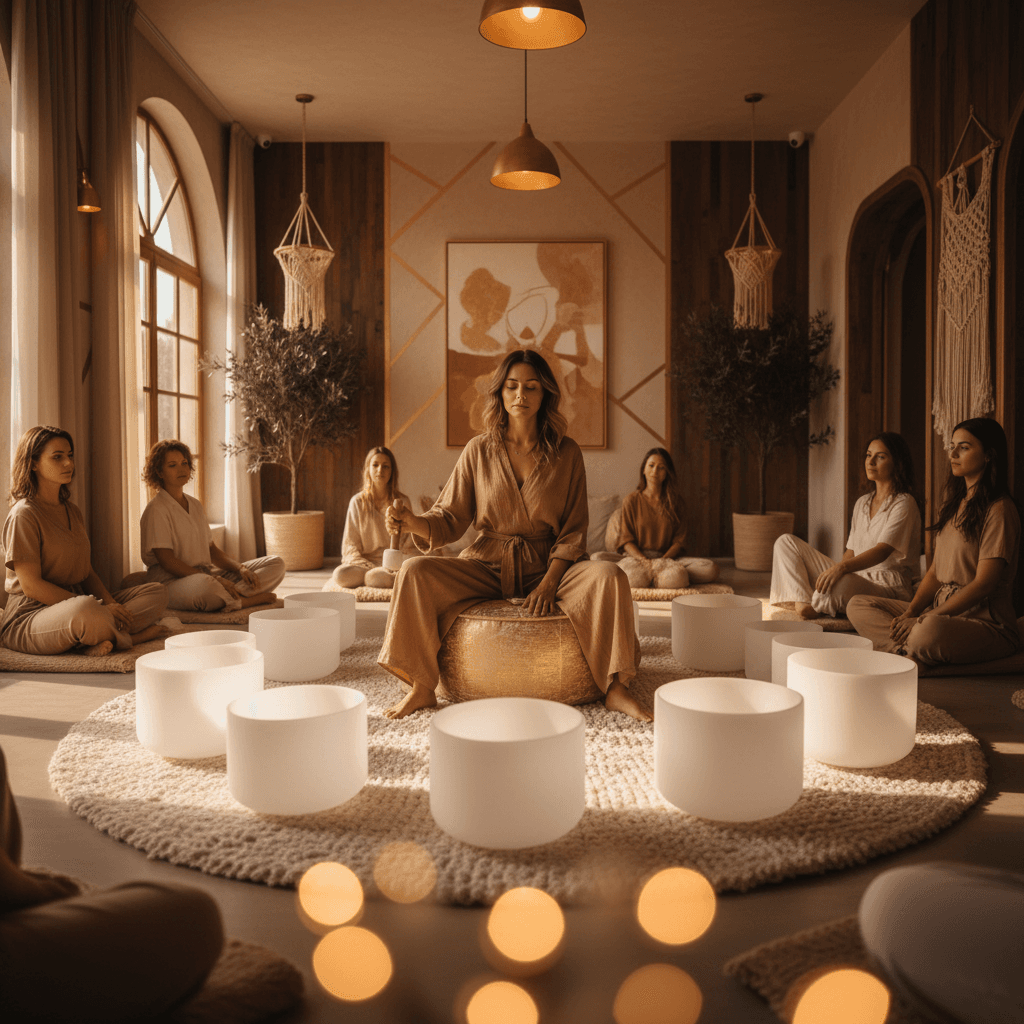
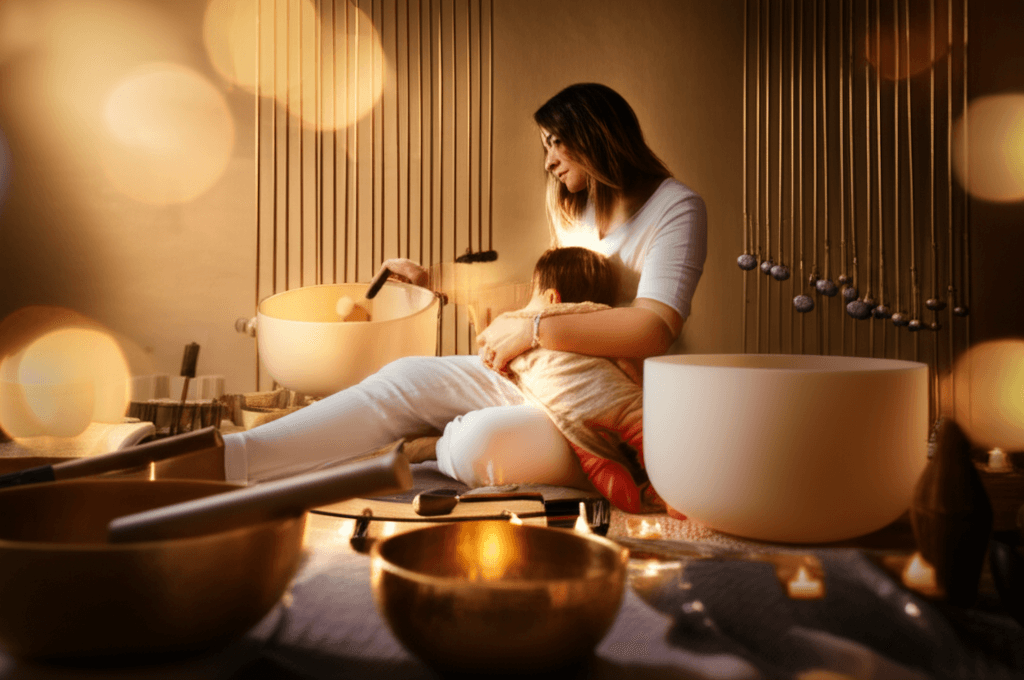
During a sound wellness session, the intention is to provide precisely the opposite of what typically overwhelms. Instead of unpredictable, jarring noises, children are immersed in a landscape of harmonious and predictable sounds. Instruments like crystal singing bowls, gongs, and chimes produce pure tones and rich overtones that are designed to be deeply resonant and soothing. These sounds are not meant to stimulate but to gently guide the nervous system towards a state of rest and repair.
The Experience of Sound and Vibration
The experience is often deeply calming for children. As the gentle sounds wash over them, they may begin to feel a sense of safety and stillness that is rare in their daily lives. The vibrations from the instruments are not just heard but also felt throughout the body, providing a grounding sensation that can be incredibly helpful for children who feel constantly "ungrounded" or overwhelmed. Many people report that these subtle physical sensations, combined with the auditory input, create a full-body experience of relaxation.
This gentle sensory input offers a unique form of feedback to the child's brain. Instead of provoking a defensive "dialing down" of external networks, the carefully chosen sounds may support a different kind of regulation. They provide a predictable pattern that the brain can safely engage with, potentially helping to reorganize its processing capabilities. Over time, consistent exposure to these calming soundscapes may help children develop a greater capacity for self-regulation and a more balanced response to everyday sensory stimuli. This isn't about eliminating sensory challenges, but rather building resilience and offering tools for managing them.
The Soul Art Difference: Larissa Steinbach's Harmonious Method
At Soul Art, Dubai's premier sound wellness studio, we are dedicated to providing experiences that promote deep relaxation and holistic well-being for all ages. Our founder, Larissa Steinbach, brings a profound understanding of sound's therapeutic potential, especially for children grappling with sensory overwhelm. Larissa's method is not merely about playing instruments; it's a meticulously crafted approach rooted in intention, scientific insight, and empathetic connection.
A Personalized Path to Peace
Larissa Steinbach believes that each child's sensory profile is unique, and thus, their path to peace must be equally individualized. At Soul Art, we consider the specific sensitivities and needs of every child, designing sound journeys that are gentle, supportive, and non-intrusive. This personalized approach ensures that the experience is always nurturing, never overwhelming.
What sets Soul Art apart is the fusion of ancient wisdom with contemporary understanding of neurodevelopment. Larissa Steinbach utilizes a curated collection of high-quality instruments, each chosen for its specific vibrational qualities and ability to elicit a calming response. These include:
- Crystal Singing Bowls: Known for their pure, resonant tones and powerful vibrations that can promote deep relaxation and balance.
- Himalayan Singing Bowls: Offering grounding, earthy tones that many find deeply comforting and stabilizing.
- Gongs: Used gently to create expansive soundscapes that encourage mental stillness and release.
- Chimes and Other Percussion: Providing delicate, ethereal sounds that can gently guide attention and foster a sense of wonder.
Intentional Soundscapes for Regulation
Larissa's expertise lies in her ability to intuitively blend these instruments to create intentional soundscapes that gently invite the nervous system into a more regulated state. The aim is to create an environment where the child feels safe to simply be, allowing their brain to recalibrate without pressure. This can involve specific rhythms and frequencies that have been associated with promoting alpha and theta brainwave states, which are linked to relaxation and a meditative calm.
The ambiance at Soul Art Dubai is meticulously designed to enhance this sensory sanctuary. From the lighting to the temperature, every detail contributes to an atmosphere of quiet luxury and profound tranquility. Larissa Steinbach’s dedication to creating a safe, understanding, and highly professional space allows children and their families to explore the profound benefits of sound wellness as a complementary approach to managing sensory challenges. Many people report significant shifts in their children's demeanor and emotional regulation after engaging with these practices.
Empowering Your Child: Practical Steps for Sensory Support
Supporting a child with sensory overwhelm requires patience, understanding, and proactive strategies. While professional guidance, like that offered at Soul Art, can be profoundly beneficial, there are many practical steps parents and caregivers can integrate into daily life to create a more supportive environment. These actions complement specialized sound wellness sessions and foster a greater sense of calm and predictability for your child.
Here are some actionable steps you can implement today:
- Cultivate a Sensory-Friendly Home Environment: Identify and minimize common sensory triggers in your home. This might mean dimming lights, using softer fabrics, reducing background noise, or creating a quiet "safe space" where your child can retreat when feeling overwhelmed. Consistency in this environment can significantly reduce daily stressors.
- Integrate Mindful Listening Practices: Encourage your child to engage with calming sounds in a controlled way. This could involve listening to gentle music, nature sounds, or even short, guided sound meditations specifically designed for children. Start with short durations and gradually increase as their comfort grows, helping them to develop a positive relationship with sound.
- Establish Predictable Routines and Transitions: For children with sensory processing challenges, unpredictability can be a major source of anxiety and overwhelm. Implementing clear, consistent daily routines and providing ample warning for transitions (e.g., "In 5 minutes, we will clean up") can help their brains prepare for changes, reducing sudden emotional outbursts.
- Explore Gentle Sensory Input at Home: Beyond sound, consider other forms of gentle sensory input that might be regulating for your child. This could include deep pressure activities (like a weighted blanket during quiet time), swinging, or tactile play with calming textures (e.g., kinetic sand, playdough). Always observe your child's reactions and preferences to find what truly soothes them.
- Seek Professional Consultations: Consider consulting with an occupational therapist specializing in sensory integration or a developmental pediatrician. While sound wellness is a powerful complementary approach, a comprehensive evaluation can provide additional insights and strategies tailored to your child’s specific needs. They can offer guidance on a "sensory diet" of activities to help your child maintain optimal arousal levels.
Taking these steps can help build a foundation of support, fostering your child's ability to navigate their sensory world with greater ease and confidence. For further exploration of how structured sound experiences can enhance these efforts, consider connecting with Soul Art.
In Harmony: A Path to Calm for Overwhelmed Children
The journey of understanding and supporting a child with sensory overwhelm is deeply personal, yet universally challenging for many families. The scientific community is making significant strides in validating these experiences, showing that what appears as a "tantrum" can often be a cry for help from an overwhelmed nervous system. Recognizing the distinct brain patterns behind sensory over-responsivity opens new avenues for compassionate and effective support.
Sound wellness, as practiced by Larissa Steinbach at Soul Art Dubai, offers a profound and gentle pathway to regulation and calm. By creating meticulously curated soundscapes and providing a sanctuary for the senses, we aim to help children shift from a state of overwhelm to one of peace and internal balance. This complementary approach empowers children to better navigate their sensory world, fostering emotional resilience and overall well-being. Discover the transformative power of sound for your child at Soul Art.
Bookings Coming Soon
Soul Art is still in preparation. Session details and booking will be published here after launch.
Coming Soon
Wellness Disclaimer: This article is for educational and informational purposes only. It does not constitute medical advice, diagnosis, or treatment. Soul Art Dubai provides non-medical wellness experiences focused on relaxation, stress management, and general wellbeing. Sound wellness is a complementary practice and should not replace professional medical care.
Related Articles
Moving Home: How Sound Wellness Supports Child Adaptation
Sound Wellness for Sibling Adjustment: Nurturing Family Harmony

Teen Identity & Sound: Self-Discovery for Adolescents at Soul Art Dubai