Harmonizing Calm: Gentle Bowl Practice for Sensory Overload
Key Insights
Discover how gentle bowl practice at Soul Art Dubai, founded by Larissa Steinbach, offers a sanctuary from sensory overload and fosters profound inner calm.
The Gentle Resonance: Navigating a World of Overwhelm
In our rapidly accelerating world, where digital notifications chime incessantly and urban soundscapes buzz with relentless activity, have you ever felt a profound sense of overwhelm, as if your senses are being bombarded beyond their capacity? This isn't merely stress; it’s a phenomenon known as sensory overload, a state where our brains struggle to process the sheer volume of incoming sensory information. It's a common, yet often misunderstood, experience that can profoundly impact our mental well-being and daily functioning.
This comprehensive article, curated by Larissa Steinbach and the team at Soul Art Dubai, delves into the intricate science behind sensory overload, exploring its neurological underpinnings and widespread effects. We will uncover how specific elements of our environment can trigger this state and, crucially, reveal how the ancient practice of gentle bowl sound healing, offered through our unique approach, may provide a powerful and accessible pathway to restore balance and cultivate inner peace. Prepare to discover a new perspective on managing sensory challenges and embracing a more harmonious existence.
The Science Explained: Understanding Sensory Overload and Its Impact
Sensory overload is more than just feeling "too much." From a scientific perspective, it's best understood as a mismatch between environmental demands and neurological capacity. It's not a personal failing or a lack of resilience; rather, it’s a signal that the brain is struggling to filter, prioritize, and respond to the vast amounts of sensory input it receives. This often leads to feelings of distress, anxiety, and even physical discomfort, significantly impacting one's quality of life.
Neurological Underpinnings of Sensory Overload
Recent scientific studies have shed light on what occurs in the brain during moments of sensory overwhelm. Research, including findings from a UCSF study, indicates that individuals sensitive to sensory input exhibit distinct brain activity patterns. For those prone to overstimulation, there's often lower connectivity in brain networks responsible for "outward" functions like motor skills and sensation. Simultaneously, there's higher activity in "inward-focused" networks, which are crucial for emotional regulation, attention, and cognitive control.
This suggests that the brain is actively attempting to manage the overwhelm internally, trying to "turn down the volume" on external stimuli while working harder to maintain self-control. When this internal regulatory effort becomes too demanding, it can manifest externally as what might be perceived as behavioral challenges, but which are, in fact, signals of an overwhelmed nervous system. This neuroscientific understanding reframes such experiences not as a behavioral issue, but as a deep-seated neurological response to an environment that isn't aligned with one's sensory processing needs.
The Role of Transitions and Environmental Demands
One significant trigger for sensory overload often overlooked is the concept of "transitions." Research shows that shifting from one activity or environment to another frequently involves a confluence of factors that amplify cognitive and sensory load. These include increased unpredictability, a surge of new sensory information, the demand for rapid cognitive shifting, and heightened executive functioning requirements.
Each of these factors independently raises the brain's processing burden. When combined, especially during a transition, they significantly escalate the likelihood of overwhelm. This explains why moments of distress, such as meltdowns or shutdowns, frequently occur during or immediately following transitions, rather than during periods of perceived rest. Understanding these triggers is paramount for creating environments and practices that genuinely support nervous system regulation and reduce unnecessary barriers to calm.
Meditation as a Support for Sensory Resilience
In light of these findings, practices that support the nervous system and enhance attentional control become invaluable. Numerous scientific studies have investigated the effects of meditation on sensory overload and mental well-being. Research suggests that consistent meditation practice may lead to positive changes in brain structure and function, improving the brain's capacity for attentional control and emotional regulation. This means the brain may become more adept at filtering out irrelevant stimuli and managing emotional responses to overwhelming input.
Additionally, meditation has been associated with a reduction in stress levels, a lowering of anxiety, and an enhancement in overall resilience to sensory overload. It's a practice that gently nudges the brain towards a state where it can better process and respond to its environment, rather than being swamped by it.
"When environments become more predictable, sensory demands are reduced, and recovery is respected, research shows improvements in well-being. These supports are not 'accommodations for weakness' but evidence-based ways to align environments with neurological needs."
This insight from Swift Health underscores the profound shift in perspective needed: supporting individuals with sensory challenges is about alignment, not adaptation under duress. Gentle bowl practice, as a form of guided meditation and sensory support, embodies this principle, offering a structured, predictable, and low-demand environment for the nervous system to find its equilibrium.
How It Works in Practice: The Gentle Touch of Sound
Connecting the scientific understanding of sensory overload to a practical solution like gentle bowl practice reveals its profound potential. Imagine an environment where the usual sensory cacophony is intentionally softened, replaced by a curated soundscape designed to soothe rather than stimulate. This is the essence of how sound wellness works in practice, offering a direct pathway to nervous system regulation.
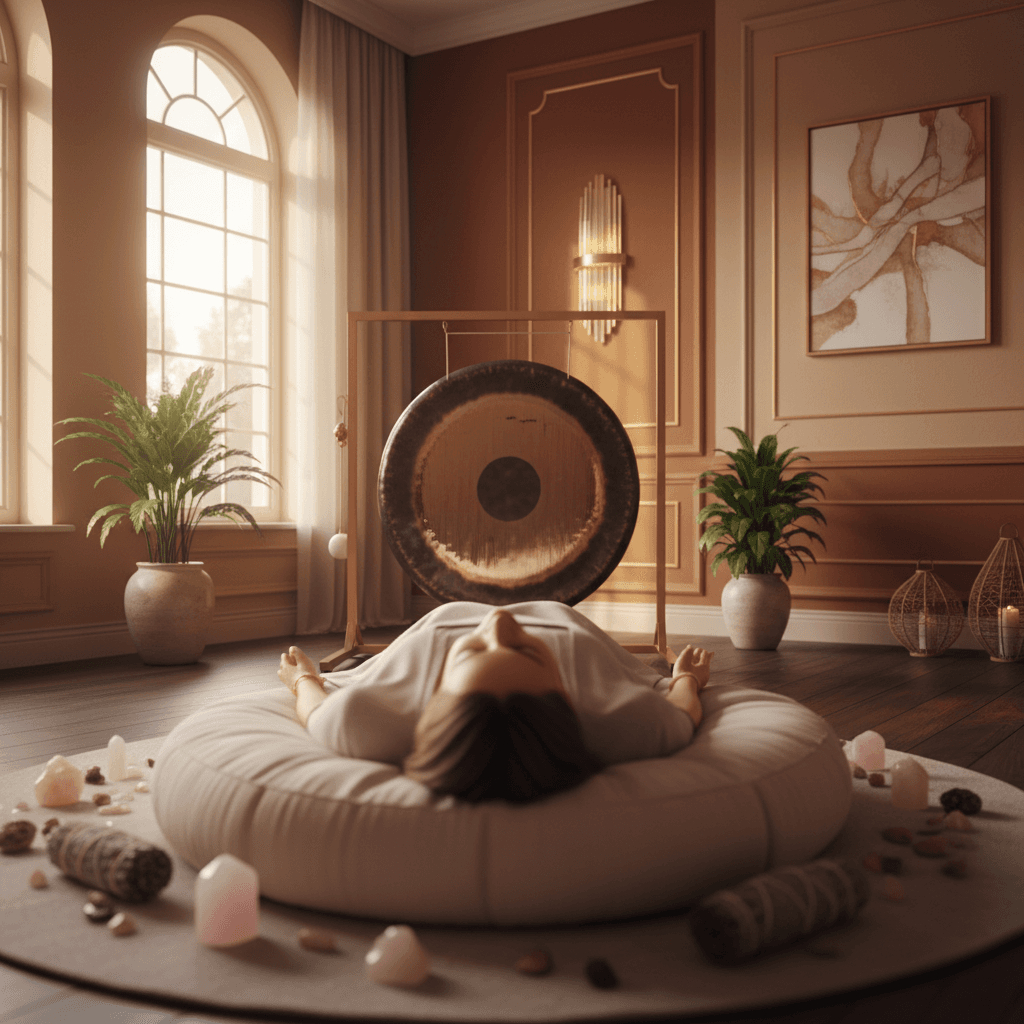
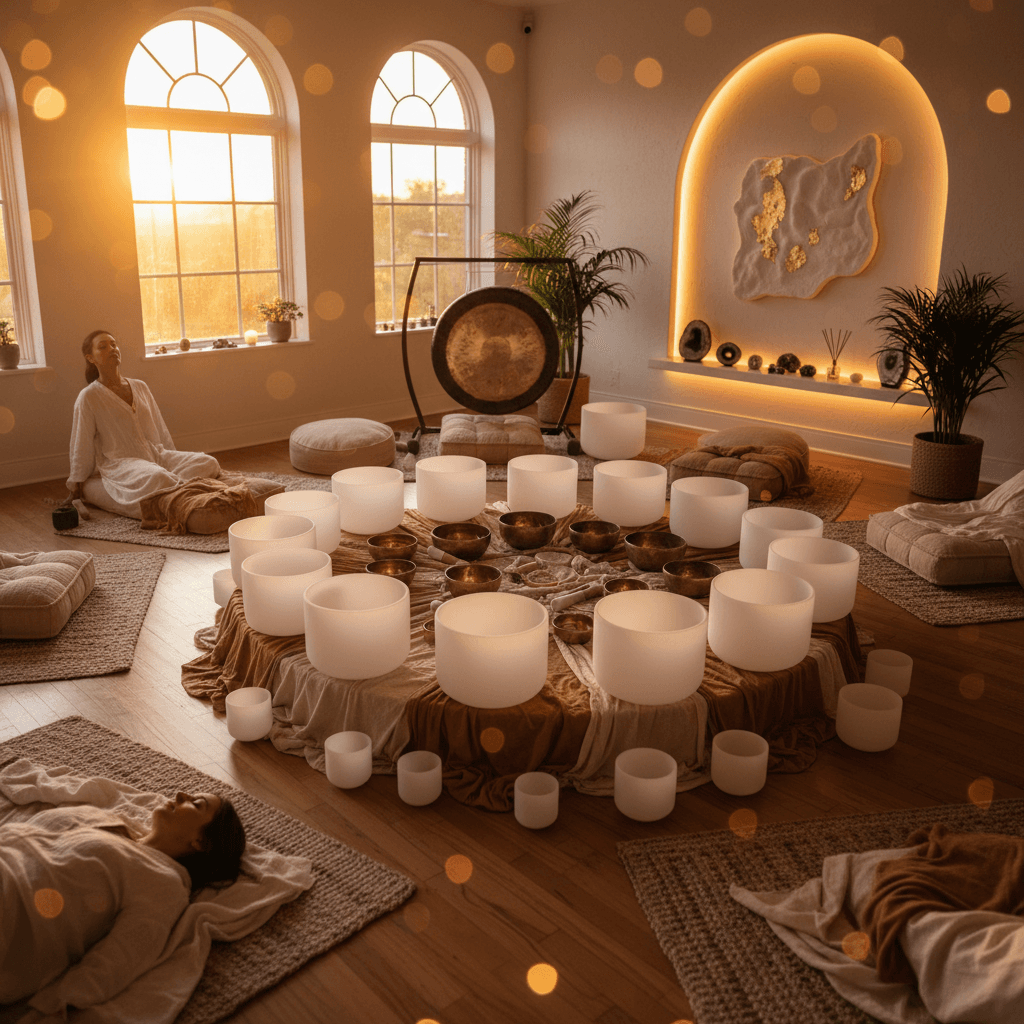
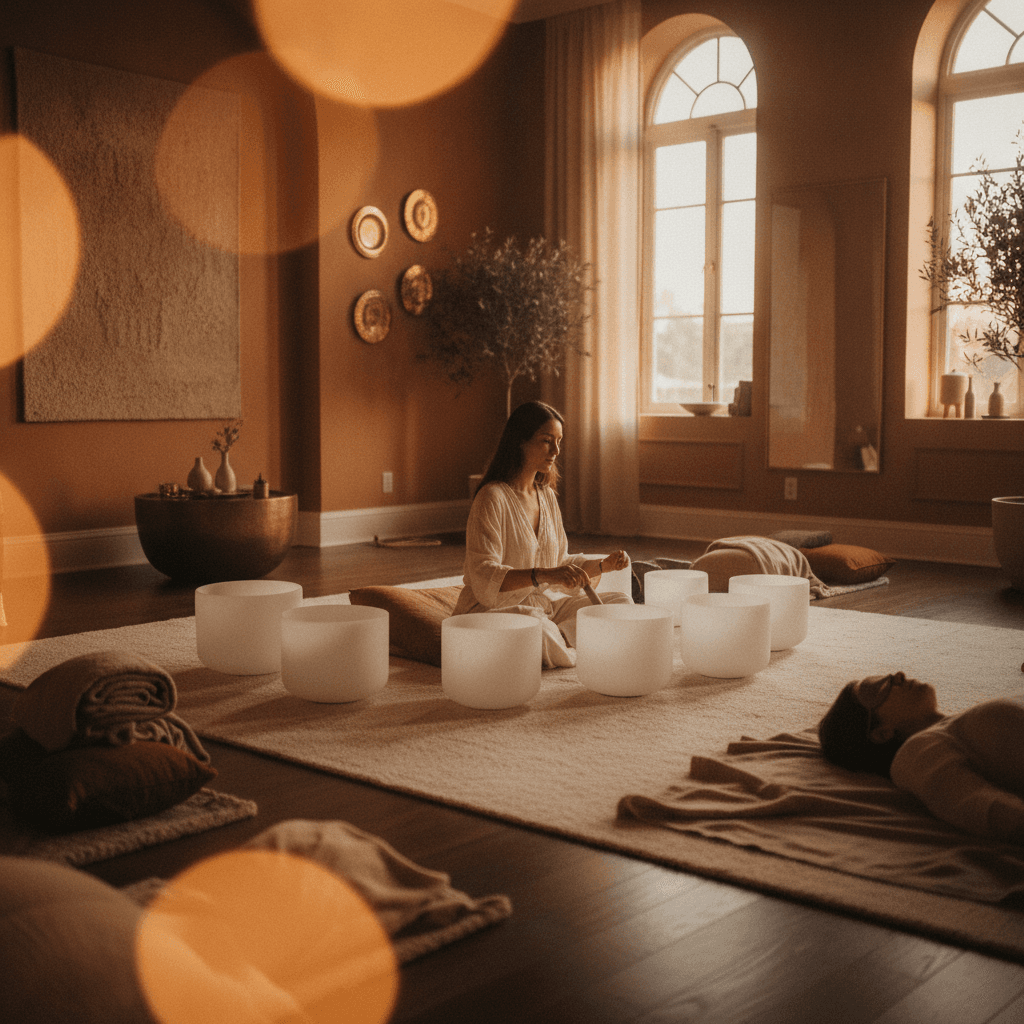
During a gentle bowl practice, clients are invited to recline comfortably in a serene space, free from harsh lights or jarring noises. The experience begins with the subtle, sustained tones of crystal and Himalayan singing bowls. Unlike the unpredictable nature of daily sensory input, these sounds are deliberately consistent, harmonious, and cyclical, providing a predictable auditory anchor for the brain. This predictability is crucial; it allows the nervous system to relax its guard, knowing there are no sudden shocks or overwhelming changes to process.
The carefully selected frequencies and vibrations emanating from the bowls interact with the body's energy fields, creating a deeply immersive yet gentle experience. Clients often report a feeling of floating or being enveloped in sound, where external worries seem to dissipate. The resonance is not just heard with the ears; it is felt throughout the body, engaging the tactile and proprioceptive senses in a soothing, rather than stimulating, manner. This full-body sensory engagement provides a grounding sensation, helping to anchor awareness in the present moment and quiet the often-overactive mind.
This practice provides a unique opportunity for what research refers to as "reduced sensory demands" and "respected recovery." The gentle, rhythmic sounds act as a focal point, drawing attention away from internal anxieties or external overstimulation. As the brain focuses on these harmonious vibrations, the overactive inward-focused networks (responsible for managing overwhelm) can gradually ease, while the outward-focused networks (often dialed down in sensory over-responsivity) are engaged in a supportive, non-demanding way. Many people report emerging from these sessions feeling deeply rested, with a clearer mind and a heightened sense of inner calm, prepared to navigate the sensory demands of their daily lives with renewed resilience.
The Soul Art Approach: Larissa Steinbach's Vision for Sensory Harmony
At Soul Art Dubai, Larissa Steinbach has meticulously crafted an environment and a methodology that directly addresses the nuances of sensory overload. Our approach goes beyond simply playing instruments; it's a holistic immersion designed to create a haven of sensory accessibility and profound relaxation. Larissa's vision is rooted in creating a space where every detail, from the ambient lighting to the temperature and the selection of instruments, is curated to support the nervous system.
The Soul Art method leverages the potent power of gentle bowl practice, primarily utilizing both pristine crystal singing bowls and ancient Himalayan singing bowls. Each type of bowl offers a unique vibrational quality. Crystal bowls emit pure, sustained tones that resonate deeply, often described as ethereal and expansive. Himalayan bowls, crafted from multiple metals, produce a richer, more complex harmonic overtone, providing a grounding and centering experience. Larissa thoughtfully combines these instruments, tailoring the sound journey to create a nuanced and profoundly restorative sonic tapestry.
What makes the Soul Art method truly unique is its emphasis on intentionality and personalization. Sessions are structured to gradually introduce sounds, allowing the nervous system to gently attune without feeling rushed or overwhelmed. We focus on creating a predictable and safe auditory environment, which, as research highlights, is key to reducing distress and supporting neurological capacity. The absence of sudden, jarring changes ensures that even the most sensitive individuals can relax into the experience.
Furthermore, Larissa Steinbach integrates elements of mindful presence and compassionate guidance throughout each session. This is not about forcing adaptation but about removing unnecessary barriers and providing an opportunity for genuine recovery. The controlled, nurturing environment at Soul Art allows the brain to engage its regulatory networks in a gentle, supportive manner, fostering emotional balance and enhancing overall resilience against the demands of a stimulating world.
Your Next Steps: Cultivating Calm and Resilience
Understanding sensory overload is the first step; taking proactive measures to manage it is the journey towards greater well-being. Gentle bowl practice offers a powerful tool, but there are also daily habits you can integrate to support your nervous system and build resilience. Building a meditation practice takes time and dedication; be patient with yourself and embrace the journey, even when progress feels slow. Consistency is more important than perfection.
Here are some actionable steps you can implement today to better manage sensory demands:
- Mindful Sensory Breaks: Schedule intentional short breaks throughout your day to step away from stimulating environments. Seek out quiet spaces, even for just five minutes, to allow your senses to reset. Focus on a single, gentle input, like a calming scent or soft light.
- Conscious Breathing Practices: Simple diaphragmatic breathing can significantly impact your nervous system. Inhale slowly through your nose for a count of four, hold for seven, and exhale completely through your mouth for eight. Repeat this several times to activate your parasympathetic nervous system, promoting relaxation.
- Curate Your Sensory Environment: Be proactive in modifying your immediate surroundings. This could mean using noise-canceling headphones in busy areas, dimming overhead lights, or choosing natural light sources. Small adjustments can make a big difference in reducing overall sensory load.
- Prioritize Predictability: Where possible, create routines and predictable schedules for yourself. As research suggests, predictability reduces cognitive load and allows the nervous system to feel safer and less on edge, especially during transitions.
- Explore Sound Wellness: Consider integrating gentle sound practices into your self-care routine. Listening to calming instrumental music or the soothing tones of singing bowls at home, even for a few minutes, can offer a mini-reset for your senses. If you're new to meditation or find it challenging to practice on your own, consider seeking guidance from a meditation teacher or joining a meditation group.
For a deeply immersive and expertly guided experience, exploring the offerings at Soul Art Dubai can provide unparalleled support. Our studio, envisioned by Larissa Steinbach, is a dedicated sanctuary designed to help you gently recalibrate and find your inner calm amidst the bustle of life.
In Summary: Embracing Harmony with Gentle Bowl Practice
Sensory overload is a prevalent experience in our modern world, stemming from a fundamental mismatch between environmental demands and our neurological capacity to process them. Scientific research underscores that this isn't a weakness, but a signal for our brains needing support in managing an overwhelming influx of information. Practices like meditation and gentle sound immersion offer powerful, evidence-based pathways to enhance attentional control, regulate emotions, and foster greater resilience against sensory challenges.
At Soul Art Dubai, Larissa Steinbach has cultivated a unique sanctuary where the ancient wisdom of gentle bowl practice meets contemporary understanding of neurological wellness. Through carefully curated soundscapes and a profoundly empathetic approach, we provide a haven for your senses to rest, reset, and recalibrate. Our gentle bowl practices are a complementary approach to holistic wellness, designed to support your nervous system and guide you back to a state of profound peace and inner harmony. Discover the transformative power of sound and reconnect with your deepest sense of calm at Soul Art.
Bookings Coming Soon
Soul Art is still in preparation. Session details and booking will be published here after launch.
Coming Soon
Wellness Disclaimer: This article is for educational and informational purposes only. It does not constitute medical advice, diagnosis, or treatment. Soul Art Dubai provides non-medical wellness experiences focused on relaxation, stress management, and general wellbeing. Sound wellness is a complementary practice and should not replace professional medical care.
Related Articles
Empowered Choices: The Art of Clarity Without Overexplaining
Unveiling the Power: Photosensitivity & Visuals in Sound Sessions
The Subtle Art of Slow Transitions: Guiding Your Brain to Calm