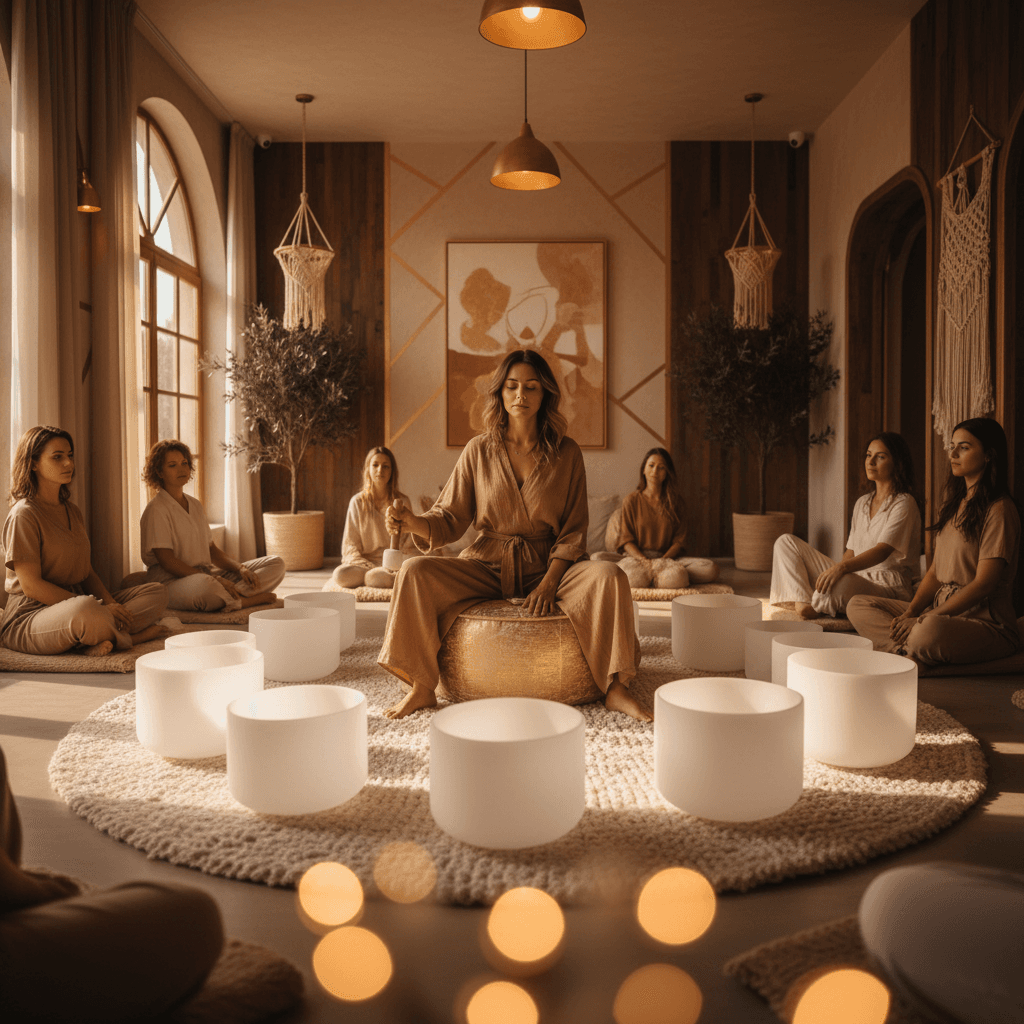
Potty Training Calm: Sound for Smooth Child Transitions
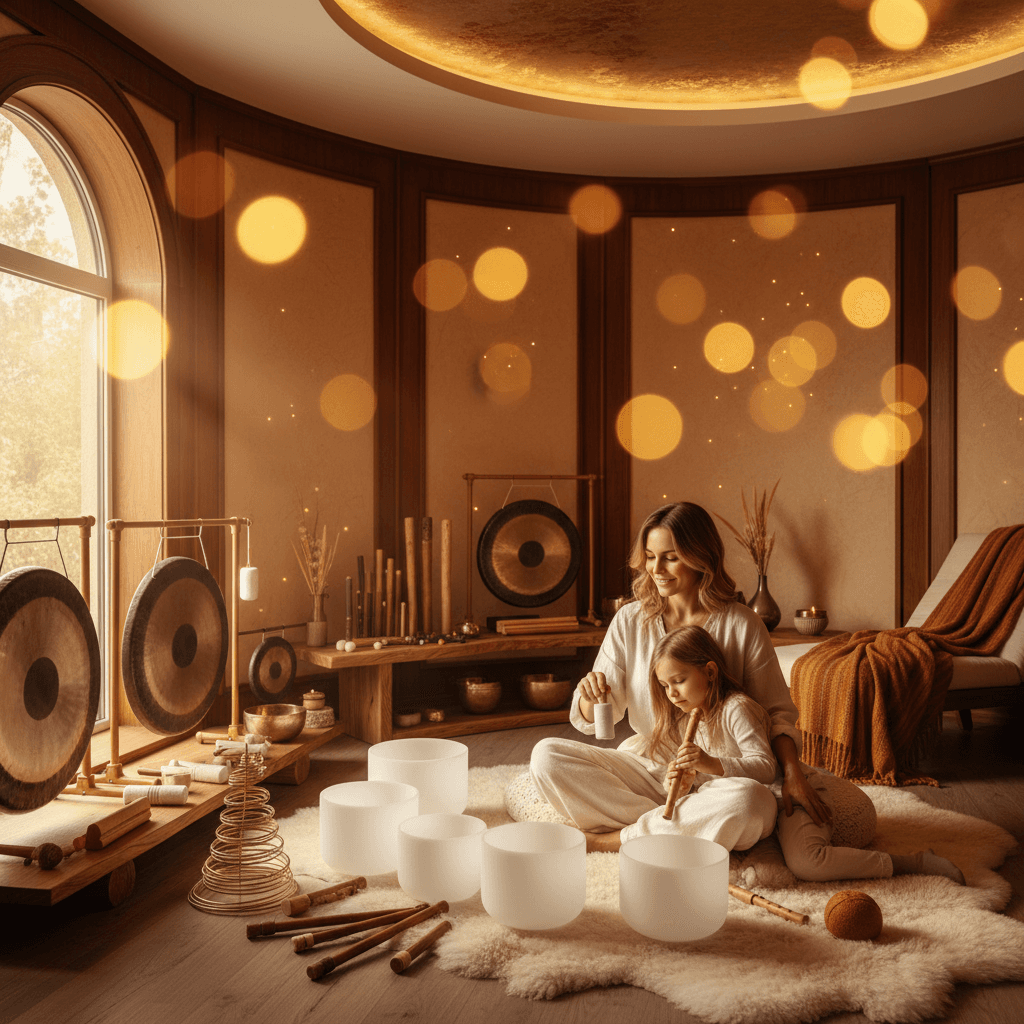
Key Insights
Discover how sound wellness can create a peaceful environment for children and parents navigating potty training, guided by Larissa Steinbach at Soul Art Dubai.
Potty Training Calm: Sound for Smooth Child Transitions
Potty training is a monumental milestone, a "big transition" that marks a child's significant leap towards independence. Yet, for many families, this period can feel less like a gentle step and more like a high-stress sprint, laden with anxiety, frustration, and sometimes, a quiet sense of parental pressure. What if there was a way to infuse this developmental journey with calm, patience, and positive reinforcement, transforming it into a more serene experience for everyone involved?
At Soul Art, Dubai's premier sound wellness studio, we believe in the profound power of sound to create an optimal emotional and physiological environment for big life transitions. This article delves into the scientifically-backed benefits of incorporating sound wellness into your potty training approach, offering insights and practical tools to foster a sense of peace and support during this crucial developmental stage. You'll learn how a mindful, sound-supported approach may ease the journey, making it a more positive experience for both parent and child, guided by the expertise of our founder, Larissa Steinbach.
The Science Explained: How Sound Shapes Our Transitions
The journey of potty training is deeply intertwined with a child’s emotional regulation and their nervous system's capacity to navigate new experiences. For parents, it's often a test of patience and resilience. Understanding the underlying science can empower us to create an environment conducive to calm learning and success.
The Neurobiology of Stress and Learning
Stress, whether from external pressures or internal discomfort, can significantly impede learning and developmental progress. When a child (or parent) feels stressed, the body activates its "fight, flight, or freeze" response, driven by the sympathetic nervous system. This state makes it difficult to focus, process new information, or feel emotionally secure – all crucial elements for successful potty training.
Research consistently emphasizes the importance of a positive and low-stress environment for children's development. A study highlighted in Psychology Today found that a more positive approach, focusing on praise and avoiding negative language around bodily functions, may reduce the time it takes for a child to toilet train. This suggests that emotional well-being directly impacts learning efficiency. Sound, as a non-invasive stimulus, has a unique ability to influence our physiological state, promoting relaxation by engaging the parasympathetic nervous system – our "rest and digest" mode.
The Power of Positive Reinforcement and Environment
Creating the "right environment" is paramount, as noted by the insightful perspective, "> When we focus on creating the right environment instead of 'training,' children naturally move towards toileting independence. And when we trust." This philosophy aligns perfectly with sound wellness. Sound can be a powerful tool to cultivate a positive atmosphere, reducing anxiety and making the learning space feel safe and inviting.
Consider the common challenges: the surprising sound of a toilet flush, the echoey nature of a bathroom, or the sudden whir of a hand dryer. The Bladder & Bowel UK report emphasizes how children sensitive to sound may find these noises difficult, leading to anxiety or fear that hinders their ability to focus on using the potty. This directly impacts successful training. Gentle, consistent sound can help neutralize these environmental stressors, or even help a child gradually acclimate to them in a controlled, supportive manner.
Developmental Timelines and Pressure Points
The American Academy of Family Physicians (AAFP) notes that the average age for starting toilet training has shifted, with newer studies suggesting no benefit to intensive training before 27 months. In fact, beginning earlier (18-24 months) may extend the overall training period significantly, sometimes taking 13-14 months compared to 10 months or less for those starting after 27 months, according to Psychology Today. This research underscores that children reach readiness at different ages, and pushing them too early can lead to frustration for both child and parent, potentially causing accidents or stool refusal.
This developmental perspective highlights a critical opportunity for sound wellness: to alleviate parental pressure. Many parents, particularly fathers as Psychology Today points out, feel compelled to achieve milestones quickly. Sound practices can support parents in finding a calmer, more patient mindset, trusting their child's unique developmental pace. By supporting the parents' nervous systems, sound wellness may indirectly foster a more relaxed and effective learning environment for the child, reducing the emotional conflicts that can arise from perceived delays.
The Role of Auditory Stimulation in Regulation
Sound interacts with our auditory system and travels through the body as vibrations, influencing brainwave activity and physiological responses. Specific frequencies and rhythmic patterns can help shift the brain from a state of high arousal (beta waves) to more relaxed states (alpha and theta waves), which are associated with calm and receptivity to learning.
- Entrainment: The brain's tendency to synchronize its brainwave activity with external rhythmic stimuli. This means gentle, consistent sounds can guide the brain towards a more peaceful state.
- Vagal Nerve Stimulation: Sound vibrations, particularly those experienced through the body (e.g., from singing bowls), may stimulate the vagus nerve. This nerve is a key component of the parasympathetic nervous system, playing a crucial role in regulating stress, digestion, and emotional responses. A calm vagal tone is associated with better emotional regulation and resilience.
By understanding these scientific principles, we can see how integrating sound wellness into the potty training journey offers a powerful, yet gentle, supportive framework for emotional regulation and creating an optimal learning environment.
How It Works in Practice: Sound for Everyday Transitions
Connecting the scientific understanding of sound's impact on stress and learning to the practicalities of potty training means translating theory into tangible experiences. At Soul Art, we focus on creating an immersive, supportive auditory environment that can be adapted for home use during this significant transition. It’s about more than just playing music; it’s about intentional sound design for emotional support.
Clients exploring sound wellness for potty training transitions often report a noticeable shift in the family dynamic. Imagine replacing the tension and urgency around bathroom visits with an atmosphere of gentle curiosity and calm. This is the essence of how sound works in practice.
Creating a Serene Sonic Landscape
The goal is to transform the potentially stressful bathroom environment into a sanctuary of calm. For many children, the bathroom is a place of unpredictable noises: the loud flush, the echoing space, the hum of an extractor fan, or even the sound of their own bodily functions. These can be overwhelming for sensitive children, as highlighted by Bladder & Bowel UK.
- Targeted Soundscapes: We recommend gentle, continuous soundscapes that can mask abrupt or startling noises. This could be soft ambient music, nature sounds (like gentle waves or rain), or specific sound frequencies designed to induce relaxation. The key is consistency, so the child begins to associate the bathroom with peace rather than sensory overload.
- Vibrational Harmony: Beyond auditory input, sound creates vibrations. When a child sits on a potty or is in the bathroom, the subtle vibrations from strategically placed sound instruments (even at a distance) can resonate through the environment, offering a grounding, calming effect. Many people report that these gentle vibrations help them feel more centered and less anxious.
- A "Sensory Cushion": Think of sound as a sensory cushion. It softens the edges of a potentially harsh environment. If a child is anxious about the sound of flushing, for instance, a continuous calming sound can reduce the sudden impact of that noise, making it less alarming. Parents can gradually introduce the sound of the flush within this calmer sonic backdrop, desensitizing the child over time.
Supporting Emotional Regulation for Both Child and Parent
The practical application of sound wellness extends to the emotional states of both child and parent. Potty training is a shared endeavor, and both parties benefit from emotional stability.
- For the Child: A calm auditory environment helps regulate the child’s nervous system, making them more receptive to learning and less prone to "stool refusal" or anxiety-driven accidents. When a child feels safe and relaxed, their brain is better able to process new routines and integrate developmental skills. This can make the entire process feel less like a demand and more like an exploration.
- For the Parent: Parents often experience significant stress, feeling pressure to complete potty training efficiently. Integrating sound wellness into daily routines, not just during bathroom visits, can provide parents with a crucial self-care practice. Experiencing sound baths or listening to calming frequencies helps parents manage their own stress, cultivate patience, and approach the training process with a more positive and understanding attitude. This reduced parental stress directly translates into a more supportive and less pressured environment for the child, which, as Psychology Today suggests, can lead to quicker training completion.
By incorporating sound, families can actively shift the energy surrounding potty training. It's about consciously designing an environment that fosters patience, reduces sensory overwhelm, and supports the emotional well-being of everyone involved, transforming a challenging transition into a smoother, more harmonious journey.
The Soul Art Approach: Larissa Steinbach's Unique Method
At Soul Art, Larissa Steinbach, our founder and lead sound wellness practitioner, understands that true wellness is holistic. Her approach to supporting families through "big transitions" like potty training is deeply rooted in this philosophy, merging ancient wisdom with modern understanding of neuroscience and child development. Larissa’s method is not about "fixing" a problem, but about cultivating an environment that nurtures innate capacities for growth and independence.
What makes the Soul Art method unique is its personalized, empathetic foundation combined with a sophisticated use of therapeutic sound. Larissa doesn't just offer generic soundscapes; she guides families to understand how specific frequencies and instruments can resonate with their unique needs and create a bespoke "sound sanctuary" for their home.
Personalized Sound Journeys for Family Harmony
Larissa Steinbach begins with a deep understanding of the family’s dynamics and the child’s individual sensory profile. Is the child highly sensitive to certain sounds? Are the parents feeling overwhelmed? These initial consultations are crucial for tailoring an effective approach. The Soul Art method emphasizes:
- Conscious Listening: Teaching parents to become more aware of the auditory environment in their home, identifying potential stressors (e.g., loud appliances, sudden noises) and how they might impact a child’s nervous system, especially during sensitive times like potty training.
- Environmental Sound Design: Larissa guides families on how to proactively shape their home’s soundscape. This might involve introducing calming background sounds at specific times, creating a "sound ritual" around bathroom visits, or even simply being mindful of quiet periods to allow for nervous system regulation. This aligns with the "environment over training" philosophy, trusting the child’s natural progression within a supportive space.
- Parental Wellness as Foundational: A key tenet of Larissa's approach is that a regulated parent is better equipped to support a child's regulation. Soul Art offers sound relaxation sessions specifically for parents, providing them with tools and experiences to manage their own stress and cultivate patience and presence. Many people report that these sessions not only bring personal calm but also improve their ability to respond to their child’s needs with greater empathy.
Specific Instruments and Techniques Utilized
Larissa employs a carefully curated selection of instruments and techniques, chosen for their purity of tone, vibrational qualities, and ability to induce states of deep relaxation and receptivity.
- Himalayan Singing Bowls: Hand-beaten bowls produce rich, sustained tones and powerful vibrations that can be felt throughout the body. These are used to create a grounding atmosphere, helping to soothe the nervous system and promote a sense of security.
- Gongs: While often used for deep meditation, gongs can be played softly to create enveloping soundscapes that encourage brainwave entrainment towards alpha and theta states, fostering a profound sense of calm. Their complex overtones can help mask jarring environmental noises, creating a seamless, peaceful auditory background.
- Chimes and Koshi Bells: These delicate instruments produce ethereal, high-frequency sounds that can uplift the spirit and gently draw attention, ideal for creating a moment of peace before a new activity or to signal a transition calmly. They can be particularly effective in making a space feel lighter and more inviting.
- Binaural Beats and Solfeggio Frequencies (for parents): While direct application for toddlers requires caution, Larissa may guide parents on specific audio frequencies or binaural beats (always used with headphones for effectiveness) during their own self-care moments. These are designed to promote deeper relaxation, focus, and emotional balance, empowering parents to approach potty training with renewed energy and calm.
Through Larissa Steinbach's expert guidance at Soul Art, families discover that potty training doesn't have to be a battle of wills. Instead, it can become a journey of gentle support, conscious communication, and shared success, underpinned by the transformative power of sound wellness.
Your Next Steps: Integrating Sound for a Calmer Transition
Embracing sound wellness for your potty training journey is a gentle, empowering step towards a calmer household. It's about proactive self-care for both you and your child, recognizing that a peaceful environment fosters natural progression. Here are some actionable steps you can begin implementing today to invite more calm into this significant transition:
- Cultivate a Calming Bathroom Soundscape: Identify and address startling noises in the bathroom. Introduce a consistent, soft background sound like gentle instrumental music, nature sounds (e.g., quiet rain or ocean waves), or a white noise machine at a low volume. This may help to mask sudden flushes or gurgling pipes, creating a more predictable and less anxiety-inducing auditory environment for your child.
- Create a "Transition Sound Ritual": Before heading to the potty, play a specific, gentle sound (e.g., a few chimes, a soft singing bowl tone) as a consistent signal. Over time, your child may begin to associate this sound with the upcoming transition, mentally preparing them and reducing resistance. This consistent cue can offer a sense of predictability and security.
- Prioritize Parental Sound Self-Care: Your emotional state profoundly impacts your child's. Dedicate 10-15 minutes daily to your own sound-based relaxation. This could involve listening to calming music, guided meditations with ambient sound, or experiencing a short sound bath. Many people report that this practice helps them regulate their own stress, fostering greater patience and presence for the challenges of potty training.
- Observe and Adapt: Pay close attention to how your child responds to different sounds and environments. Do they seem more relaxed with nature sounds versus classical music? Are they sensitive to certain pitches or volumes? Adjust your sound choices based on their observed comfort and reactions. The goal is to create a personally soothing atmosphere.
- Explore Professional Guidance: For a deeper, personalized approach, consider consulting with a sound wellness expert. Larissa Steinbach and the team at Soul Art can provide tailored recommendations, bespoke soundscapes, and hands-on guidance for integrating sound effectively into your family's routines, helping you navigate this transition with greater ease and confidence.
Ready to restore harmony during this special time and discover how sound can support your family's well-being? We invite you to explore the unique offerings at Soul Art.
Bookings Coming Soon
Soul Art is still in preparation. Session details and booking will be published here after launch.
Coming Soon
In Summary: Harmonizing Potty Training with Sound
Potty training is a natural, yet often challenging, developmental milestone for children and their families. This article has explored how sound wellness offers a scientifically grounded, complementary approach to support this "big transition" with greater calm and ease. We’ve delved into the neurobiology of stress, highlighting how a positive, relaxed environment, fostered by intentional sound, can significantly aid learning and emotional regulation for both children and parents.
Larissa Steinbach's unique approach at Soul Art focuses on personalized sound journeys, creating serene sonic landscapes, and prioritizing parental well-being through instruments like singing bowls and gongs. By embracing sound as a tool for stress management and environmental enrichment, families can transform the potty training journey from a source of anxiety into a more harmonious and successful experience. We encourage you to integrate these gentle, yet powerful, sound practices into your daily life and discover the profound impact on your family's well-being.
Related Articles
Moving Home: How Sound Wellness Supports Child Adaptation
Sound Wellness for Sibling Adjustment: Nurturing Family Harmony

Teen Identity & Sound: Self-Discovery for Adolescents at Soul Art Dubai