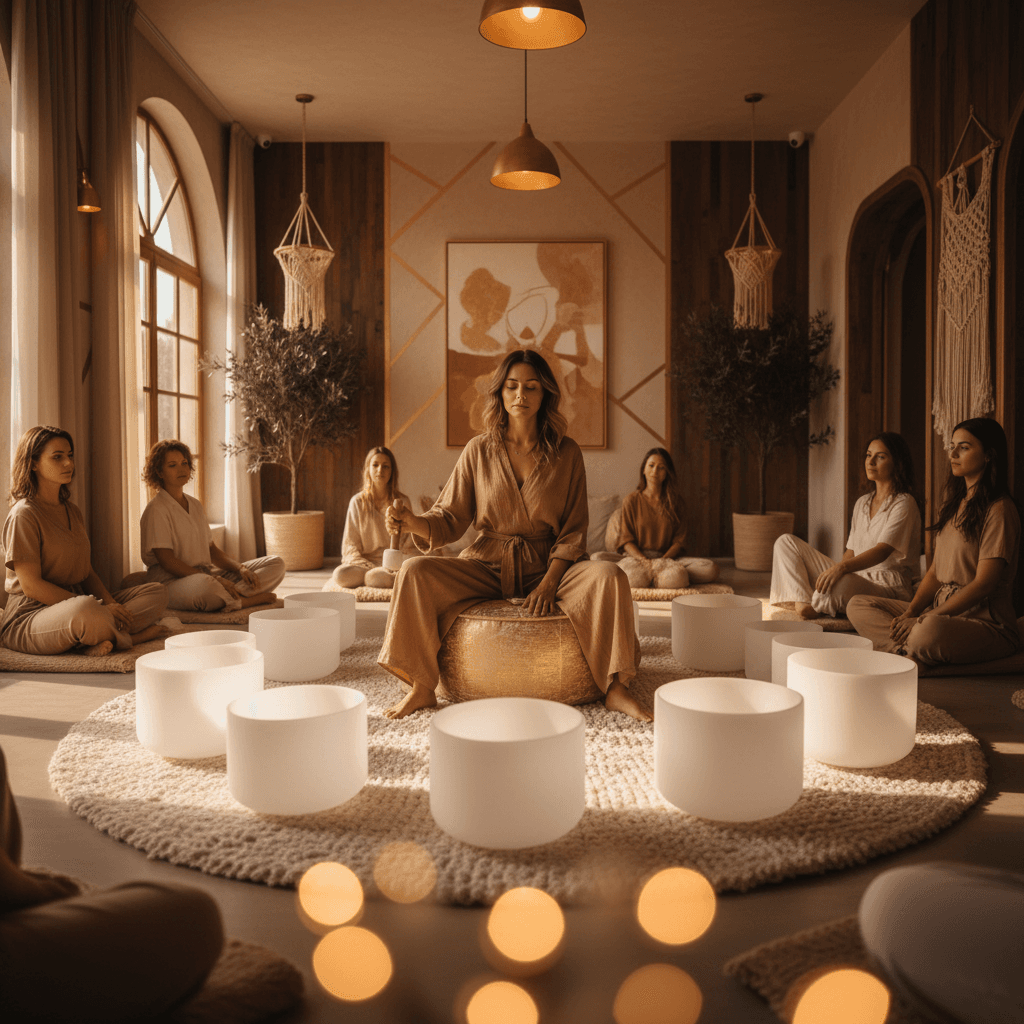
School Stress: Sound Support for Academic Pressure
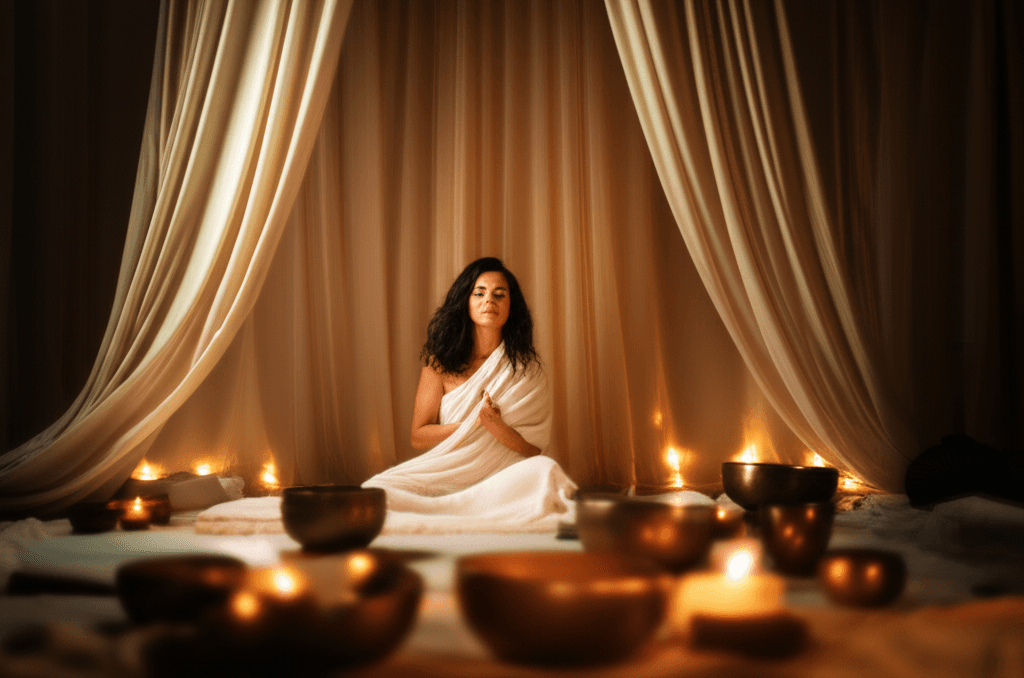
Key Insights
Explore how sound wellness at Soul Art Dubai, founded by Larissa Steinbach, offers profound support for students navigating academic stress.
The academic journey, often envisioned as a path of growth and discovery, has, for many, become a significant source of intense stress. Studies reveal a staggering truth: approximately 77% of students encounter academic stress at some point, with almost half reporting stress levels so high they struggle to function properly. This silent epidemic impacts students from elementary school to university, profoundly affecting their mental health, physical well-being, and academic outcomes.
Navigating this landscape of relentless expectations, continuous assessments, and the pervasive fear of failure can be overwhelming. Traditional coping mechanisms often fall short, leaving students vulnerable to long-term health issues. At Soul Art, Dubai's premier sound wellness studio, founded by Larissa Steinbach, we recognise the urgent need for effective, complementary strategies to support students through these challenging times.
This article delves into the scientifically-backed impacts of academic pressure and illuminates how the profound practice of sound wellness offers a unique pathway to restore balance, enhance resilience, and foster a more serene approach to learning. We explore how intentional sound can help students alleviate the burden of stress, cultivate inner calm, and reclaim their focus, providing a vital tool for holistic well-being in an academically demanding world.
The Pervasive Impact of Academic Pressure
Academic stress, defined as the mental and emotional strain stemming from educational demands, is a widespread challenge in today's demanding educational environments. While a mild dose of stress can sometimes act as a motivator, chronic academic pressure can severely undermine a student’s health and academic achievement. This persistent strain is distinct from acute stress, which might temporarily boost performance under pressure, revealing its insidious, detrimental nature over time.
Research consistently highlights that high levels of academic stress are strongly correlated with low mental health outcomes across all age groups. This includes a heightened risk of anxiety, depression, and burnout, which can manifest as profound emotional changes in teenagers and young adults. The relentless pursuit of academic excellence, coupled with the fear of not meeting often-unrealistic expectations, creates a cycle of distress that is difficult to break.
The Mind-Body Connection: Psychological & Physiological Ramifications
The impact of academic pressure extends far beyond the classroom, permeating both the psychological and physiological aspects of a student's life. Psychologically, chronic stress can lead to a significant reduction in academic achievement, decreasing motivation and substantially increasing the risk of school dropout. Students may also experience a profound loss of motivation, feeling helpless or engaging in procrastination, which only exacerbates their stress.
The pervasive fear of failure often associated with intense academic pressure can also foster self-doubt and avoidance behaviours, stifling a student's natural curiosity and engagement. Furthermore, studies suggest a concerning link between academic stress and substance use, underscoring the severe coping mechanisms some students resort to. Parental expectations, when perceived as excessively high, significantly contribute to increased anxiety and depression levels among students, revealing a complex interplay of internal and external pressures.
Physiologically, the mind and body are inextricably linked, meaning academic stress often manifests in tangible physical symptoms. Common complaints include chronic fatigue, persistent headaches, and various gastrointestinal discomforts. The constant demands can also lead to weakened immune systems, making students more susceptible to illnesses, thereby creating a vicious cycle where poor health further impedes academic performance.
Crucially, sleep disorders, such as insomnia and irregular sleep patterns, are frequently reported among students struggling with academic pressure. Research indicates that students who consistently sleep less than 6 hours per night due to academic demands experience lower cognitive function and an elevated risk of mental health disorders. This highlights the critical importance of addressing academic stress as a holistic well-being concern, rather than solely an educational one. Moreover, gender plays a role, with female students often reporting higher levels of academic stress and a greater need for supportive wellness interventions, according to several studies.
The Neurological Basis of Sound Wellness
The ancient wisdom that extolled music and sound as healing modalities is now increasingly supported by modern scientific understanding. Sound wellness practices, such as those offered by Soul Art, operate on the principle that specific frequencies and vibrations can profoundly influence the human nervous system and brainwave activity. This non-invasive, low-cost approach is gaining recognition as a valuable tool for stress reduction.
When the body is exposed to specific sound frequencies, particularly those found in instruments like crystal singing bowls and gongs, it may induce a shift from a state of sympathetic nervous system dominance (the "fight-or-flight" response) to parasympathetic activation (the "rest-and-digest" state). This transition is crucial for calming the body and mind, which are often overstimulated by chronic academic stress. The gentle, sustained vibrations may encourage the brain to shift from faster beta waves, associated with alertness and concentration, to slower alpha or theta waves, which are linked to relaxation, meditation, and restorative states.
Preliminary research indicates that sound interventions may support a reduction in perceived stress levels. Some studies have observed physiological benefits, including a prevention of stress-induced cortisol increases, alongside lower blood pressure and pulse rates, suggesting a tangible impact on the body's stress response mechanisms. While the direct influence of sound on academic performance can be complex and depends on factors like musical genre and individual processing, its primary benefit lies in fostering an internal environment conducive to reduced anxiety and improved emotional regulation.
"To truly support students, we must acknowledge that their stress isn't just 'in their heads.' It's a full-body experience, and holistic tools like sound wellness offer profound support for the nervous system, helping them find peace amidst the pressure."
The effectiveness of sound wellness is often amplified when integrated with other relaxation techniques, such as aromatherapy or progressive muscle relaxation, suggesting a synergistic effect. This highlights sound's role as a potent complementary approach within a broader framework of stress management. By creating an opportunity for deep relaxation and mental quietude, sound wellness may help students cultivate greater resilience and a more balanced perspective, crucial attributes for navigating academic demands.
How It Works in Practice
Stepping into a sound wellness session at Soul Art is an immediate invitation to disconnect from the external pressures and reconnect with your inner calm. The experience is meticulously designed to create a sanctuary where the mind can quieten, and the body can release accumulated tension. It’s an immersive journey that transcends typical relaxation, offering a profound sense of peace and restoration for students grappling with academic demands.
Clients typically lie comfortably on mats, often with blankets and eye masks, allowing them to fully surrender to the sensory experience. The session begins with gentle guidance, encouraging participants to focus on their breath and set an intention for relaxation. This intentional grounding helps to prepare the nervous system for the unique experience that follows, signalling a shift from a state of active engagement to one of receptive calm.
As the session unfolds, Larissa Steinbach or one of Soul Art's skilled practitioners carefully introduces a tapestry of sound. Crystal singing bowls emit pure, sustained tones that resonate through the body, while gongs produce a rich, complex wall of sound that can feel both expansive and deeply comforting. Chimes and other instruments add delicate textures, creating a multi-layered auditory landscape that gently washes over the senses. The sounds are not merely heard; they are felt, as vibrations permeate the body, creating a subtle internal massage.
Many people report that these intentional sound frequencies facilitate a profound shift in their state of being. The mind, often racing with academic worries and endless to-do lists, gradually stills as it becomes engrossed in the auditory experience. This natural shift may help to reduce the mental chatter associated with anxiety and stress, paving the way for a deeper sense of presence and mindfulness. This practice may support nervous system regulation, helping to rebalance the autonomic functions that are often disrupted by chronic academic pressure.
The experience is deeply personal, yet many report similar outcomes: a feeling of deep relaxation, reduced muscular tension, and an enhanced sense of clarity and emotional balance. Students often find that after a session, they feel less overwhelmed, more centred, and better equipped to approach their studies with renewed focus and a calmer perspective. This powerful, non-verbal approach helps the body remember how to relax and self-regulate, offering a vital resource for anyone navigating the intense world of academic pressure.
The Soul Art Approach
At Soul Art, Dubai, Larissa Steinbach has meticulously cultivated an environment and methodology that elevates sound wellness into a truly transformative experience, particularly beneficial for those contending with academic stress. Her vision for Soul Art is to create a sanctuary where the profound healing potential of sound can be fully realised, offering a holistic pathway to well-being that complements traditional educational support.
The Soul Art approach is distinguished by its bespoke nature and deep understanding of how specific frequencies can interact with the human energy field. Larissa Steinbach, a renowned expert in sound wellness, meticulously curates each session, drawing upon a diverse array of resonant instruments. These include exquisite crystal singing bowls, each tuned to a specific vibrational frequency, powerful gongs that create immersive soundscapes, and delicate chimes and tuning forks designed for precision sound application. The intention behind every sound is to facilitate deep relaxation, emotional release, and energetic recalibration.
What makes the Soul Art method unique is Larissa’s synthesis of scientific principles with an intuitive, empathetic understanding of individual needs. She integrates research into brainwave states and the physiological responses to sound with a sensitive awareness of the subtle shifts in energy and mood. This creates an experience that is not only scientifically grounded in its potential to support stress reduction but also deeply nurturing and soul-affirming. For students, this translates into sessions that are specifically geared towards calming an overactive mind, releasing study-related tension, and fostering an inner sense of resilience.
The studio itself embodies a "quiet luxury" aesthetic, providing a serene backdrop that enhances the therapeutic benefits of sound. Every detail, from the ambient lighting to the comfortable setup, is designed to ensure maximum relaxation and receptivity. Larissa and her team create a space where students feel safe to let go of their academic burdens, allowing the resonant frequencies to gently guide them towards a state of profound peace and inner harmony. The Soul Art method is more than just listening to music; it is an active engagement with vibration, crafted to support the nervous system, alleviate stress, and foster a balanced state of mind crucial for academic thriving.
Your Next Steps
Navigating the complexities of academic pressure requires a proactive and holistic approach. Integrating effective self-care practices is not a luxury, but a necessity for student well-being and sustained academic success. Here are some practical steps you can implement today to better manage stress and enhance your overall resilience:
Practical Strategies for Navigating Academic Pressure
- Acknowledge and Validate Feelings: Do not dismiss feelings of stress or anxiety. Acknowledge them as real and valid responses to pressure. Understanding that these feelings are normal is the first step toward managing them effectively.
- Break Tasks into Smaller Steps: Large assignments or extensive study periods can feel overwhelming. Break them down into manageable chunks. This strategy can reduce feelings of being swamped and build confidence through small, consistent achievements.
- Focus on Effort, Not Perfection: Shift your mindset from striving for unattainable perfection to celebrating consistent effort and progress. Praising persistence over flawless outcomes can significantly reduce the fear of failure and encourage a healthier approach to learning.
- Maintain Open Communication: Foster open lines of communication with teachers, parents, or mentors. Sharing your challenges and seeking support can provide valuable external perspectives and practical solutions. Schools and educators are increasingly aware of academic stress and are often willing to collaborate on supportive strategies.
- Integrate Complementary Wellness Practices: Proactively schedule time for relaxation and stress management. Explore practices that resonate with you, such as mindful breathing exercises, spending time in nature, or engaging in creative hobbies. Consider how dedicated practices like sound wellness, as offered by Soul Art, can become a cornerstone of your self-care routine.
Embracing these strategies can empower you to create a more balanced and supportive academic experience. For a truly immersive and restorative experience, consider exploring the profound benefits of sound wellness. Soul Art offers a tranquil space where you can reset your nervous system and cultivate deep calm. Book your session today to discover how intentional sound can support your journey through academic life with greater ease and resilience.
In Summary
Academic stress is a profound and widespread challenge, impacting students' mental health, physical well-being, and academic performance through anxiety, depression, and burnout. While a certain level of pressure can be motivating, chronic academic demands can lead to detrimental psychological and physiological outcomes. Recognizing this pervasive issue is the crucial first step toward fostering healthier, more balanced educational experiences.
Sound wellness offers a scientifically-grounded, complementary approach to managing this pervasive stress. Through intentional frequencies and vibrations, practices like those championed by Larissa Steinbach at Soul Art may support nervous system regulation, reduce perceived stress, and promote states of deep relaxation. This unique method provides a powerful tool for students seeking to cultivate emotional balance, enhance resilience, and navigate their academic journeys with greater calm and clarity. Embracing sound wellness can be a transformative step towards holistic well-being amidst the pressures of school life.
Bookings Coming Soon
Soul Art is still in preparation. Session details and booking will be published here after launch.
Coming Soon
Wellness Disclaimer: This article is for educational and informational purposes only. It does not constitute medical advice, diagnosis, or treatment. Soul Art Dubai provides non-medical wellness experiences focused on relaxation, stress management, and general wellbeing. Sound wellness is a complementary practice and should not replace professional medical care.
Related Articles
Moving Home: How Sound Wellness Supports Child Adaptation
Sound Wellness for Sibling Adjustment: Nurturing Family Harmony

Teen Identity & Sound: Self-Discovery for Adolescents at Soul Art Dubai