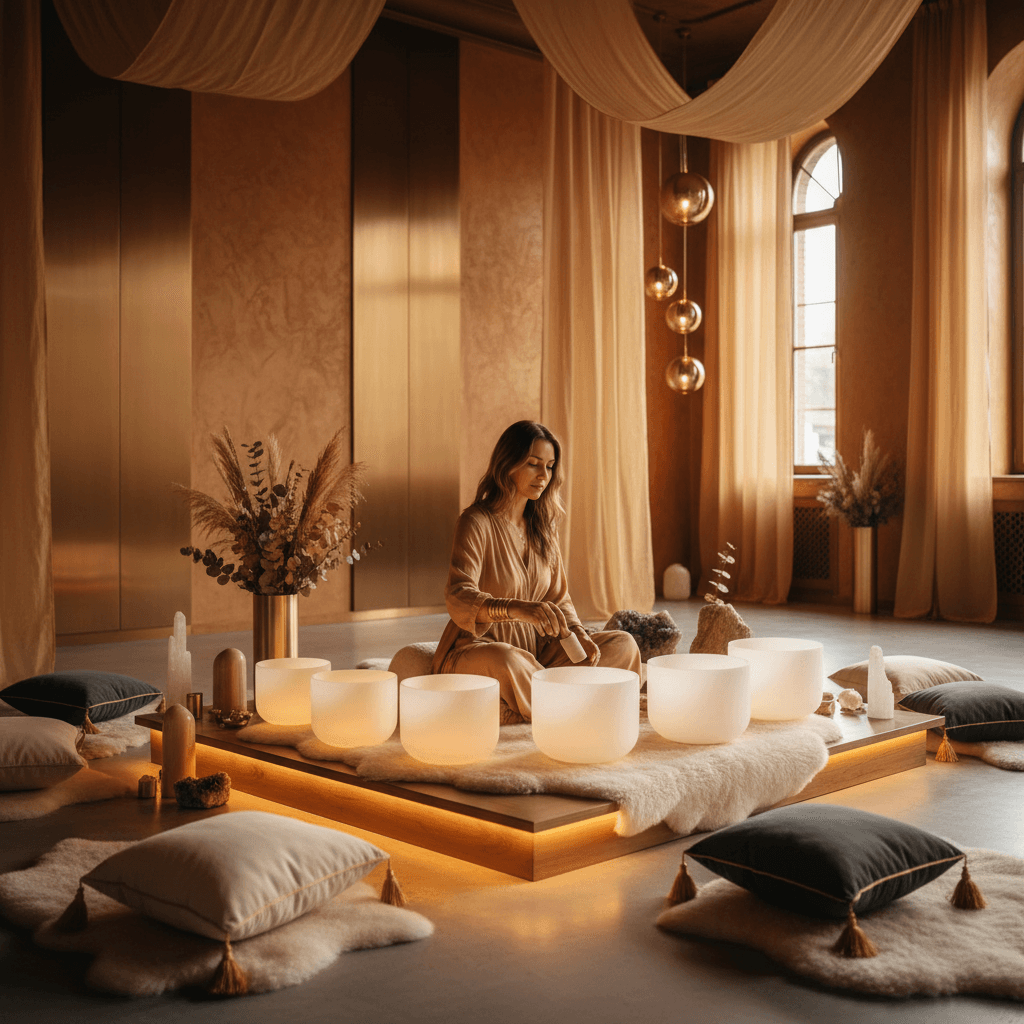
Sound's Role: Supporting Your Return to Work After Extended Leave
Key Insights
Discover how sound wellness aids recovery and re-engagement after extended leave, reducing stress and enhancing focus. Learn from Soul Art Dubai.
Compelling Introduction
Did you know that returning to work after an extended break, whether it's a long holiday, parental leave, or sick leave, can be as demanding on your psychological resources as starting a new job? The transition back can often feel less like a gentle re-entry and more like a sudden plunge into the deep end, triggering stress, anxiety, and a significant drop in vigor. This often happens because the time away, even for recovery, can create a gap in our routines and deplete certain "resources" needed for peak performance.
This article delves into the science behind this common experience, exploring the psychological processes at play and highlighting the often-overlooked yet profoundly effective role of sound wellness. We will examine how practices championed by Larissa Steinbach at Soul Art in Dubai can provide crucial support during this delicate period. By understanding and proactively addressing your needs, you can transform your return to work into a smoother, more supportive, and ultimately more successful experience, fostering sustained well-being and productivity.
The Science Explained
The Conservation of Resources (COR) Theory and Return to Work
Our ability to thrive in demanding environments, like the workplace, relies heavily on a robust reservoir of personal resources. These resources include not just tangible assets, but also psychological capital such as energy, emotional stability, motivation, and a sense of control. According to the Conservation of Resources (COR) theory (Hobfoll, 1989, 2001), stress arises when individuals perceive a threat to these resources, experience their loss, or find themselves unable to acquire new ones.
Returning to work after an extended leave often presents a significant challenge to this resource pool. Even after a relaxing holiday, the sudden shift back to structured demands, deadlines, and social interactions can quickly deplete our reserves, leading to emotional strain and lower vigor, as recent studies confirm. The brain and body need time to recalibrate from a recovery-oriented state to a performance-oriented one.
The Dynamic Nature of Post-Leave Adjustment
Research highlights the dynamic nature of post-holiday adjustment, positioning the Need for Recovery (NR) as a critical mediator. Pre-leave emotional strain, for instance, can directly influence our subsequent recovery needs, which in turn impact our ability to fully re-engage with work upon return. If these recovery needs are not adequately met, employees may experience elevated emotional strain and find their energy and engagement significantly hindered.
Organizations increasingly recognize this, implementing strategies like gradual workload ramp-up, postponing high-pressure assignments, and offering flexible scheduling options. While these organizational efforts are vital, personal strategies for resource restoration are equally important. This is where holistic wellness practices, particularly sound wellness, can offer profound support.
How Sound Influences Nervous System Regulation
Sound wellness operates on the principle that specific frequencies and vibrations can gently guide the brain into various states, influencing our nervous system. The brain constantly processes auditory information, and certain sounds, like those produced by singing bowls, gongs, or tuning forks, can facilitate a shift from the sympathetic "fight or flight" response to the parasympathetic "rest and digest" state.
- Brainwave Entrainment: Sound frequencies can entrain brainwaves. For instance, specific rhythms may encourage alpha (relaxed alertness) or theta (deep relaxation) brainwave states, which are conducive to stress reduction and mental clarity.
- Vibrational Resonance: The physical vibrations of sound instruments resonate through the body, potentially releasing tension in muscles and fascia. This cellular-level experience may promote relaxation and improve circulation.
- Emotional Regulation: Deep relaxation induced by sound has been associated with a reduction in cortisol levels, the primary stress hormone. This can help to stabilize mood, reduce anxiety, and foster a greater sense of calm and emotional stability. By promoting emotional regulation, sound wellness may help individuals process the emotions (like denial, shame, or fear) that can sometimes hinder a smooth return to work, as suggested by qualitative studies on mental health and RTW.
- Cognitive Support: By reducing mental clutter and enhancing focus, sound practices can improve cognitive functions critical for work re-engagement. This includes better concentration, problem-solving abilities, and enhanced creativity.
Sound wellness, therefore, offers a complementary approach to address the physiological and psychological demands of returning to work after an extended break. It directly supports the replenishment of personal resources, helping individuals regain their vigor and emotional stability.
How It Works in Practice
Connecting the scientific understanding of resource depletion and nervous system regulation to real-world application, sound wellness sessions offer a tangible pathway to recovery and re-engagement. Clients entering a sound session often experience a journey of sensory immersion, designed to gently guide their minds and bodies back to a state of equilibrium.
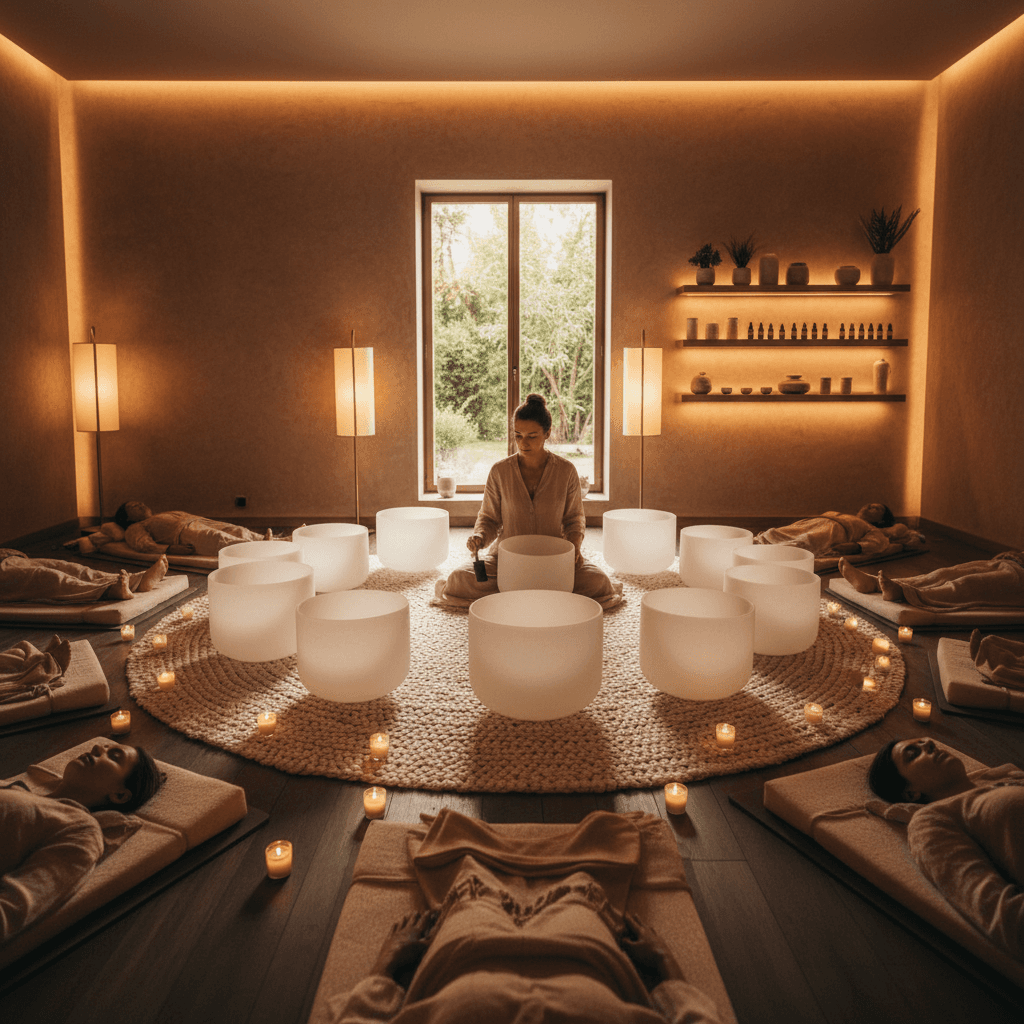
Imagine lying comfortably in a tranquil space, perhaps enveloped in soft blankets. The session begins with the gentle, resonant tones of Himalayan singing bowls, their vibrations slowly filling the room and your body. These aren't just sounds; they are tactile experiences, felt deep within as the vibrations ripple through your cells, inviting tension to melt away. This profound physical sensation may support a release of accumulated stress, particularly beneficial for those returning from mentally or physically taxing leaves.
As the session progresses, the deeper, more expansive tones of gongs might emerge. These complex soundscapes can create an auditory bath that encourages profound mental stillness. Many people report a sensation of their thoughts slowing down, allowing space for clarity and perspective amidst the internal chatter. This mental decluttering is especially valuable for those grappling with the "information overload" that often accompanies re-entry into the workplace. It helps in prioritizing tasks and navigating the renewed demands with greater ease.
"The return to work is not just about logging back in; it's about reconnecting with your inner resilience. Sound wellness offers a unique frequency for that reconnection."
The experience is deeply personal, yet universally aims to foster a state of deep relaxation, reducing the "need for recovery" that research identifies. It’s an active form of rest, where the body’s innate healing mechanisms are encouraged. Clients often emerge feeling lighter, more grounded, and with a renewed sense of energy and purpose. This restored vigor is not just anecdotal; it aligns with the COR theory's emphasis on replenishing personal resources. By consistently engaging in such practices, individuals may enhance their capacity for emotional stability and sustained engagement, effectively buffering against further depletion as they ramp up their professional responsibilities.
The Soul Art Approach
At Soul Art in Dubai, Larissa Steinbach curates bespoke sound wellness experiences that are deeply rooted in scientific understanding while embracing ancient wisdom. Her approach to supporting individuals returning to work after extended leave is highly personalized, recognizing that each person's journey and recovery needs are unique. This aligns perfectly with the research highlighting the necessity of a personalized approach to return-to-work support.
Larissa's method at Soul Art focuses on creating an environment where the nervous system can reset and resources can be consciously rebuilt. She thoughtfully selects and integrates a diverse array of instruments, each chosen for its specific energetic and vibrational qualities. These often include:
- Himalayan Singing Bowls: Hand-hammered bowls produce rich, sustained tones and palpable vibrations that resonate throughout the body, promoting deep cellular relaxation and stress release. Their gentle yet powerful frequencies are excellent for inducing alpha and theta brainwave states.
- Gongs: Reverberating gongs create immersive soundscapes that can facilitate profound states of meditation and emotional clearing. The complex overtones may help to quiet the analytical mind and foster mental clarity, which is crucial for managing the cognitive demands of returning to work.
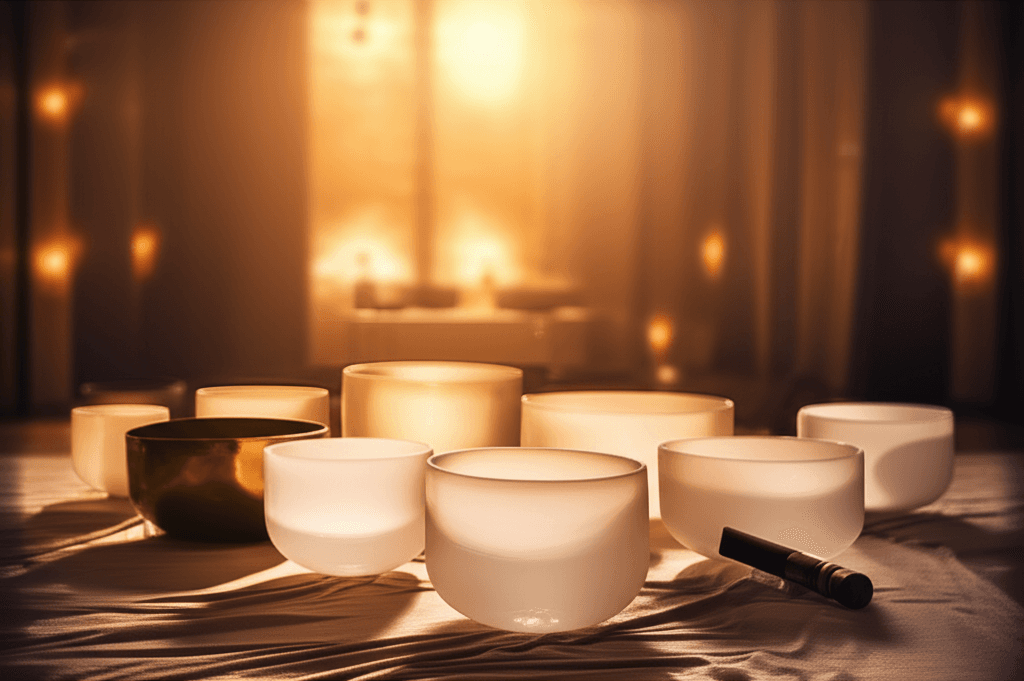
- Crystal Singing Bowls: Made from pure quartz, these bowls emit pure, clear tones that are often described as ethereal. Their frequencies are believed by many to interact with the body's energy centers, potentially enhancing emotional balance and inner harmony.
- Tuning Forks: Applied directly to specific points on the body or held in the energetic field, tuning forks deliver precise vibrational frequencies. These may support the body's natural healing processes, reduce localized tension, and promote a sense of energetic alignment.
What makes the Soul Art method unique is Larissa Steinbach's intuitive ability to blend these instruments, creating a symphony of sounds tailored to an individual's specific requirements. She combines her expertise in sound frequencies with a profound understanding of human psychology and the demands of modern professional life. The goal is not merely relaxation, but a comprehensive re-calibration of the mind and body. This supports individuals in cultivating the emotional resilience, mental clarity, and renewed vigor needed to successfully navigate their return to work, transforming potential strain into a period of empowered re-engagement.
Your Next Steps
Returning to work after extended leave can be a profound transition, but it doesn't have to be a stressful one. By proactively integrating practices that support your psychological and physiological well-being, you can ensure a smoother and more resilient re-entry. Sound wellness offers a powerful, non-invasive method to achieve this.
Here are some actionable steps you can implement today to support your journey back to the workplace:
- Prioritize Self-Care: Even small moments of intentional rest can make a big difference. Schedule dedicated time for relaxation, just as you would for a work meeting. This could include a short sound meditation or simply quiet reflection.
- Explore Sound Wellness: Consider booking a session at Soul Art with Larissa Steinbach. Experience firsthand how specific frequencies and vibrations may support nervous system regulation and resource restoration. It's a proactive investment in your well-being.
- Practice Mindful Transitions: Before diving into your workday, take a few minutes to center yourself. A brief breathing exercise or listening to calming ambient sounds can help you transition from home life to work mode with greater presence.
- Communicate Your Needs: If possible, communicate with your supervisor about the challenges of returning. A personalized approach to your workload and expectations during the initial weeks can significantly reduce adaptation costs and recovery demands.
- Integrate Micro-Breaks: During your workday, take short breaks to step away from your screen. Listen to a calming track, practice deep breathing, or simply close your eyes for a minute. These micro-rests can help replenish your cognitive and emotional resources throughout the day.
Investing in your well-being during this crucial transition is not a luxury; it's a strategic necessity for sustained productivity and personal happiness. Let sound be your guide back to a state of centered calm and renewed energy.
In Summary
The transition back to work after extended leave presents unique challenges, often depleting our crucial personal resources like energy and emotional stability. Scientific research, particularly the Conservation of Resources theory, underscores the "need for recovery" and the importance of supporting employees through this dynamic adjustment. Sound wellness, championed by Larissa Steinbach at Soul Art in Dubai, offers a profound and complementary approach. By gently guiding the nervous system into states of deep relaxation and promoting brainwave entrainment, sound practices may support emotional regulation, mental clarity, and the vital replenishment of psychological resources. Embracing this holistic approach can transform your return to work into a more grounded, resilient, and ultimately successful experience, fostering sustained well-being.
Bookings Coming Soon
Soul Art is still in preparation. Session details and booking will be published here after launch.
Coming Soon
Wellness Disclaimer: This article is for educational and informational purposes only. It does not constitute medical advice, diagnosis, or treatment. Soul Art Dubai provides non-medical wellness experiences focused on relaxation, stress management, and general wellbeing. Sound wellness is a complementary practice and should not replace professional medical care.
Related Articles
Sound Resilience for First-Time Managers: Thrive as a New Leader
Harmonizing Global Teams: Sound Healing for Time Zone Stress
Transforming Workplace Conflict: Sound for Team Harmony