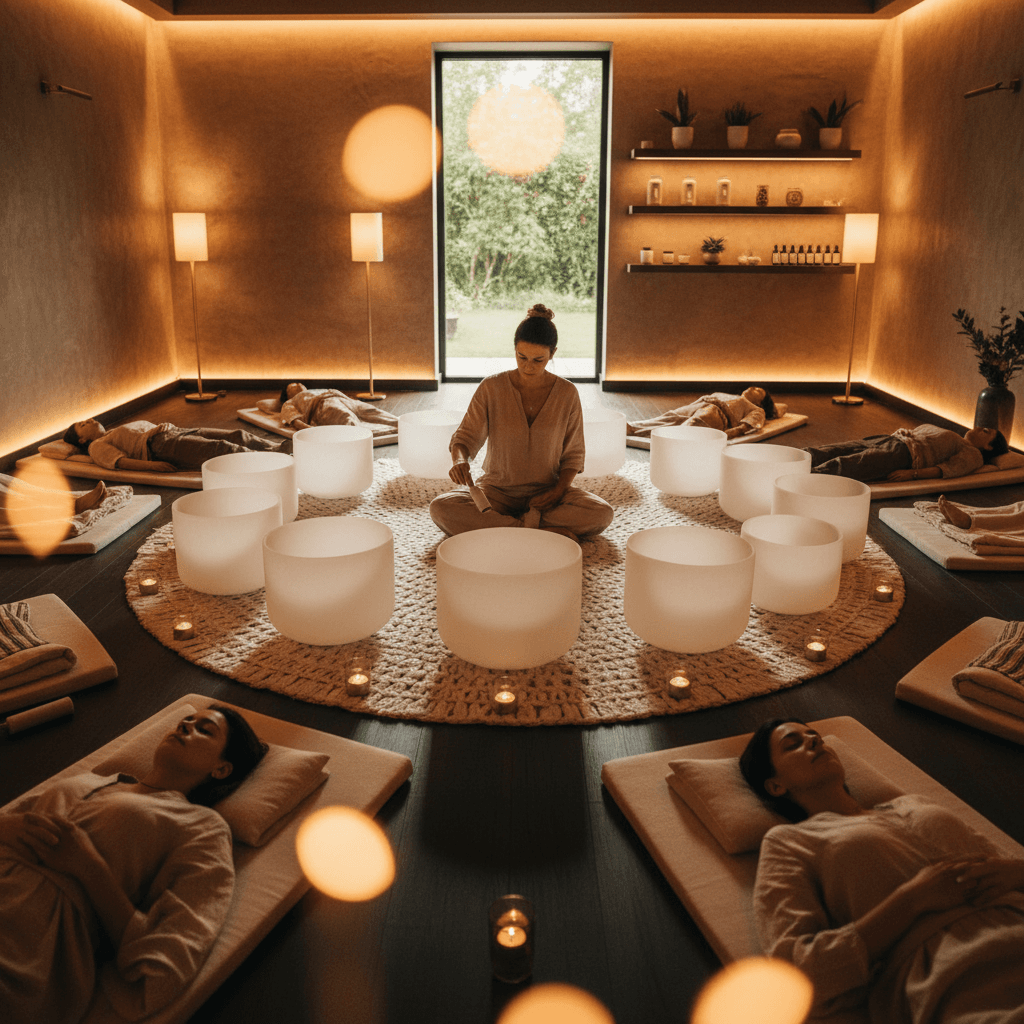
Restless Legs Relief: Sound Wellness for Deeper Nighttime Comfort
Key Insights
Explore how sound wellness, guided by Larissa Steinbach at Soul Art Dubai, offers a unique complementary approach for managing restless legs syndrome discomfort.
Imagine a night where the very act of resting brings an irresistible, often agonizing urge to move. For millions worldwide, this is the reality of Restless Legs Syndrome (RLS), a neurological condition that severely disrupts sleep and diminishes quality of life. While conventional medical interventions are vital, a growing number of individuals are seeking complementary wellness practices to find profound relief.
This article delves into the intricate science behind RLS and explores how the specialized sound wellness experiences at Soul Art, founded by Larissa Steinbach, may offer a unique pathway to nighttime comfort. We will uncover how therapeutic sound, delivered with precision and intention, can act as a sophisticated form of sensory input, potentially influencing the neural pathways involved in RLS. Our aim is to illuminate the potential of sound as a powerful tool for relaxation, stress management, and improved sleep quality for those grappling with restless legs.
By understanding the physiological underpinnings of RLS and the nuanced impact of sound, you can gain valuable insights into managing this pervasive discomfort. Join us as we explore how this ancient practice, refined for modern well-being in Dubai, offers a beacon of hope for tranquil nights.
The Science Explained: Unraveling Restless Legs Syndrome
Restless Legs Syndrome (RLS), also known as Willis-Ekbom Disease, is far more than just "wiggly legs." It is a complex neurological disorder characterized by an overwhelming, often uncomfortable or even painful, urge to move the limbs, typically the legs. These sensations are usually provoked by immobility, relieved by movement, and crucially, they are most severe in the evening or at night, creating a significant barrier to restful sleep.
The impact of RLS extends beyond sleep disturbance, affecting approximately 3% of US adults to a clinically significant extent annually. Individuals with RLS often experience impaired quality of life, with higher rates of cardiovascular disease and psychological distress due to chronic sleep deprivation. Understanding its intricate mechanisms is key to exploring holistic management strategies.
The Neurological Basis of RLS and Circadian Rhythms
Despite its name, RLS is fundamentally a brain disorder, not merely a muscular issue. Research points to dysregulation in the brain's "move my legs" center, where neurons controlling motor pathways exhibit altered excitability. This means the brain may send signals preparing for limb movement even when no voluntary action is intended, leading to the characteristic restless sensation.
A pivotal study from Johns Hopkins researchers found that the underlying mechanism for RLS rests in the brain’s motor cortex excitability. This theory makes sense of the temporary relief experienced when sufferers move their legs, as it momentarily satisfies the brain's heightened urge. The brain is essentially "amped up," preparing to move, and the only way to alleviate this feeling is to comply with the urge.
The timing of RLS symptoms—predominantly in the evening and night—highlights a strong link with the body's natural circadian rhythms. Melatonin levels, which rise in the evening, have been correlated with worsening RLS symptoms. Scientists also observe differences in the cortical excitability of neurons during nighttime, with a loss of subcortical inhibition of corticospinal pathways increasing the propensity for RLS symptoms. Circadian changes in dopamine levels are also believed to play a role in symptom generation, further underscoring the condition's neurological complexity.
The Power of Sensory Input and Counter-Stimulation
While pharmacological treatments are a cornerstone of RLS management, non-pharmacological approaches, including sensory input and counter-stimulation, show promise as ancillary therapies. One well-studied example is the use of vibrating pads. These devices apply counter-stimulation to the skin, which has been shown to lessen RLS symptoms.
Some studies indicate that using a vibrating pad for just 30 minutes can significantly improve sleep quality for individuals with RLS. A large study review further confirmed these findings, reporting a dramatic reduction in RLS symptoms through vibration therapy. This suggests that engaging sensory pathways can effectively interrupt or modulate the uncomfortable sensations characteristic of RLS.
Other forms of sensory stimulation have also been explored. Tonic motor activation (TOMAC), which stimulates peroneal nerves in the lower legs, and transcutaneous electrical nerve stimulation (TENS), sending small electrical currents, are believed to work similarly by providing counter-stimulation. Even near-infrared spectroscopy (NIRS), which uses light to increase circulation and oxygen levels, has been found effective in reducing RLS symptoms, potentially by addressing theories of low oxygen in affected areas. These diverse approaches underscore the body's capacity to respond to targeted sensory input.
How Sound May Influence Neural Pathways and Promote Relaxation
The principles behind successful counter-stimulation therapies suggest a fascinating parallel with the potential benefits of therapeutic sound. Sound, at its core, is a form of powerful vibrational energy that delivers complex sensory input to the brain and body. When experienced in a deeply immersive environment, like a sound bath, these vibrations can create a profound physiological and psychological shift.
Sound frequencies have the capacity to influence brainwave states, gently guiding the mind from heightened alertness (beta waves) towards states of deep relaxation (alpha and theta waves). This shift can be instrumental in calming an overactive nervous system, a key aspect of managing RLS discomfort. By promoting a state of profound rest, sound may help to reduce the cortical excitability that contributes to the restless urge, especially during the crucial evening and nighttime hours.
Moreover, the intricate tapestry of sounds and vibrations can act as a sophisticated form of distraction or counter-stimulation for the brain's "move my legs" center. Instead of focusing on the internal uncomfortable sensations, the brain is engaged by external, soothing stimuli. This redirection of neural attention may help to quiet the relentless urge to move, allowing for greater comfort and easing the transition into sleep.
While direct, specific studies on sound wellness for RLS are still emerging, the documented efficacy of other sensory stimulation methods provides a strong theoretical basis. Sound's ability to induce deep relaxation, regulate the nervous system, and offer a rich sensory experience aligns with the broader understanding of how non-pharmacological interventions can support RLS symptom management. It offers a gentle, non-invasive method to potentially support the body's natural ability to find calm and rest.
How It Works in Practice: The Somatic Experience of Sound Relief
Stepping into a sound wellness session designed to address nighttime discomfort, particularly for restless legs, is an experience that engages your entire being. It moves beyond passive listening, becoming a deeply immersive, somatic journey where the body itself becomes an instrument of reception. Clients often describe a profound sense of peace and stillness that permeates their entire system.
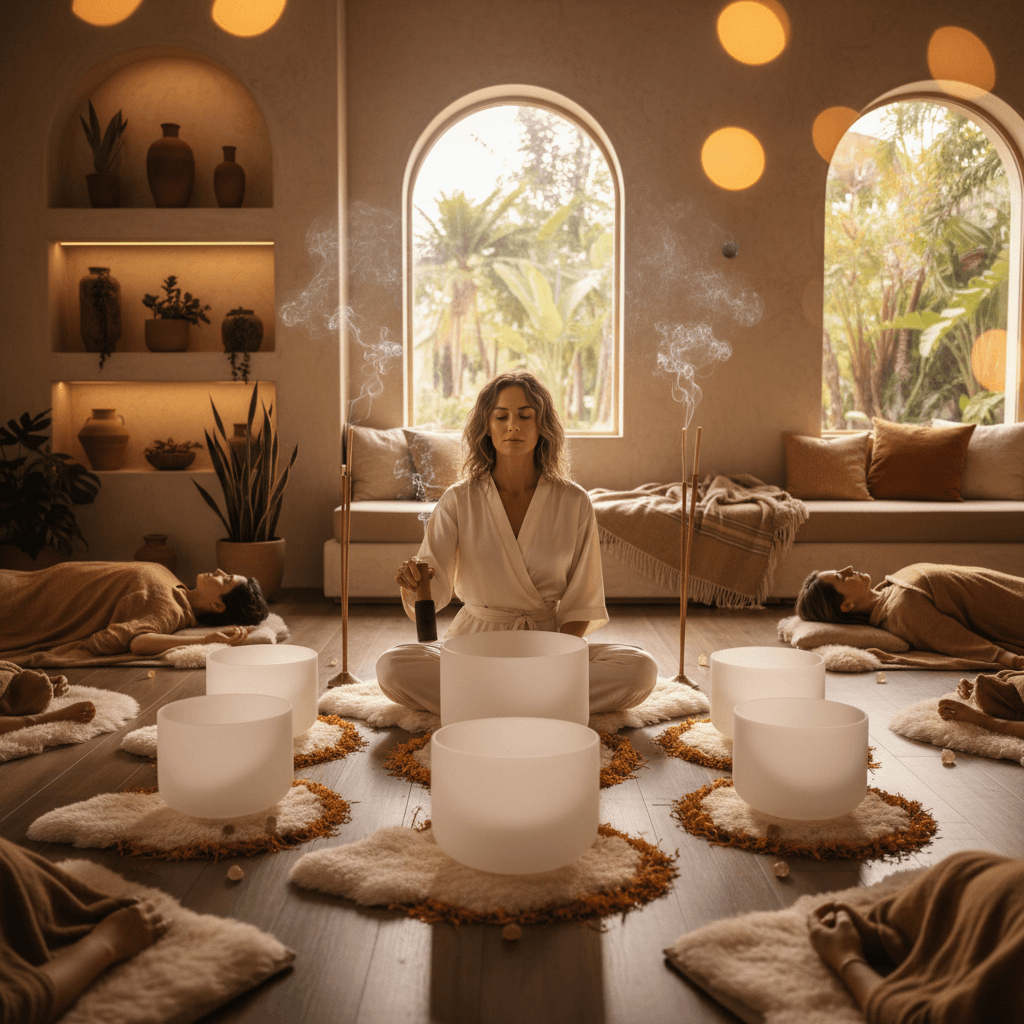
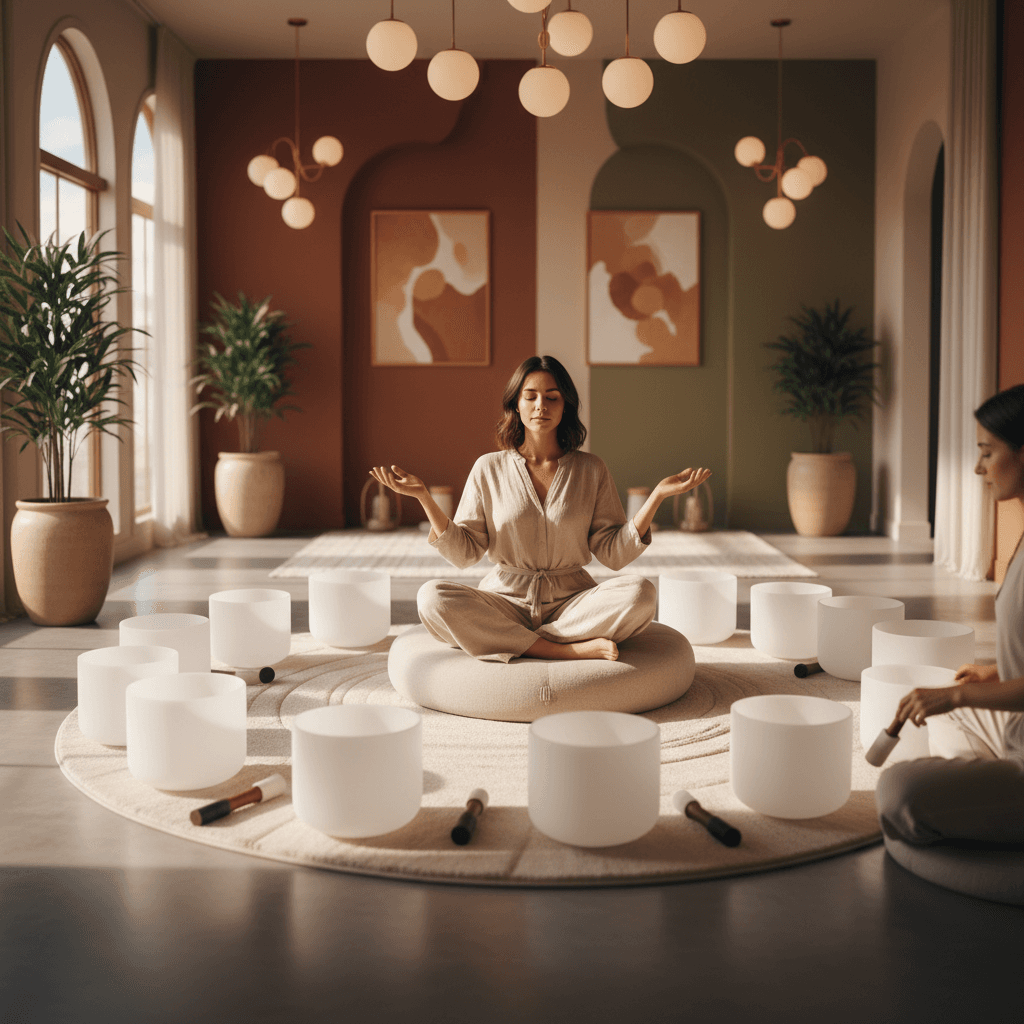
The session typically begins with guided breathing and gentle presence exercises, helping to anchor your awareness in the present moment. As the session progresses, a symphony of therapeutic instruments—such as resonating gongs, singing bowls, and tuning forks—are played. These instruments create a rich tapestry of vibrations that you don't just hear; you feel. The frequencies travel through the air and resonate directly with your body, creating subtle internal sensations.
"The true magic of sound wellness lies in its ability to meet discomfort with deep resonance, guiding the body and mind into a state of exquisite calm."
Many people report that these vibrations provide a unique form of "internal massage" or a gentle, pervasive counter-stimulation. This physical sensation can be incredibly soothing, helping to divert attention from the internal restlessness and replacing it with a comforting, external focus. The mind, often preoccupied with the frustrating urge to move, finds a new point of focus in the harmonious sounds and gentle tremors.
As the soundscape evolves, clients often enter a deeply relaxed state, akin to meditation or light sleep. In this state, the nervous system can reset, and the constant vigilance associated with RLS begins to subside. The goal is to cultivate a sustained period of stillness and ease, allowing the body and mind to experience what true rest feels like, even if only for the duration of the session. This re-education of the nervous system may, over time, help to reduce the intensity and frequency of nighttime discomfort, paving the way for more restorative sleep.
The Soul Art Approach: Larissa Steinbach's Curated Sound Journeys
At Soul Art, Dubai's premier sound wellness studio, Larissa Steinbach meticulously crafts each experience with an understanding of both scientific principles and the profound healing potential of sound. Her approach is rooted in creating an environment where the nervous system can truly decompress, offering a unique complementary pathway for those seeking relief from restless legs. Larissa Steinbach’s expertise allows her to orchestrate bespoke sound journeys that cater to individual needs.
What makes the Soul Art method unique is its blend of ancient wisdom and contemporary understanding of neuroscience. Larissa utilizes a diverse array of instruments, including large planetary gongs, meticulously tuned crystal singing bowls, Himalayan singing bowls, and precisely calibrated tuning forks. Each instrument is chosen for its specific frequency and harmonic properties, designed to facilitate deep relaxation and encourage brainwave entrainment towards more restful states.
During a Soul Art session, the intention is to create a resonant field that gently guides the body and mind away from patterns of discomfort and into profound stillness. The carefully selected frequencies and vibrations aim to influence the parasympathetic nervous system, promoting a "rest and digest" state essential for overall well-being and improved sleep. This regulation of the nervous system is a cornerstone of managing conditions like RLS.
Larissa Steinbach also emphasizes the importance of the immersive environment itself—a serene, luxurious space designed to maximize sensory comfort and minimize external distractions. This holistic approach, from the curated soundscapes to the tranquil setting, ensures that clients receive a truly transformative experience. Soul Art provides not just a session, but a sanctuary where the pursuit of inner peace and physical comfort converge, offering a sophisticated pathway to managing nighttime discomfort and enhancing sleep quality.
Your Next Steps: Integrating Sound Wellness for Nighttime Comfort
Embracing sound wellness as a complementary strategy for managing restless legs discomfort can be a transformative step towards reclaiming your nights. While Soul Art provides a powerful experience, integrating simple practices into your daily routine can further enhance your well-being. Remember, these are wellness practices and not a replacement for medical advice.
Here are some actionable steps you can consider:
- Consult Your Healthcare Professional: Always discuss any new wellness approaches with your doctor, especially if you are on medication for RLS or other conditions. Sound wellness is a complementary practice.
- Prioritize Sleep Hygiene: Establish a consistent sleep schedule, create a dark and quiet bedroom environment, and avoid caffeine and heavy meals close to bedtime. Adequate, quality sleep is crucial for overall health.
- Explore Magnesium Supplementation: Some research suggests a correlation between low magnesium levels and worse RLS severity, and some studies indicate magnesium may lessen discomfort. While evidence is mixed, magnesium is also known to support general sleep quality. Discuss appropriate dosages with your doctor.
- Incorporate Gentle Movement: Regular, moderate exercise, such as walking or yoga, has been suggested as a beneficial ancillary therapy for RLS. Avoid intense workouts close to bedtime, but gentle movement during the day may help.
- Experience Soul Art: Consider booking a private or group sound wellness session with Larissa Steinbach at Soul Art. Experience firsthand how expertly curated frequencies and vibrations may help induce deep relaxation, manage discomfort, and improve your overall sleep experience.
By combining professional medical guidance with mindful self-care and complementary practices like sound wellness, you empower yourself to navigate the challenges of restless legs with greater comfort and ease.
In Summary: Reclaiming Your Nights with Soul Art
Restless Legs Syndrome, a complex neurological disorder, presents a significant challenge to restful sleep and overall well-being. While its roots lie in brain activity linked to motor pathways and circadian rhythms, a multi-faceted approach to management is often the most effective. Alongside essential medical treatments, complementary wellness practices can play a vital role in enhancing comfort and sleep quality.
Soul Art, under the guidance of Larissa Steinbach, offers a unique and sophisticated avenue for support. Through expertly curated sound wellness sessions, the studio provides an immersive experience designed to induce profound relaxation, regulate the nervous system, and offer a powerful form of sensory counter-stimulation. This approach aims to help individuals manage the discomfort of restless legs, foster deeper states of calm, and ultimately contribute to more restorative nights. Discover the potential of therapeutic sound to transform your relationship with rest at Soul Art.
Bookings Coming Soon
Soul Art is still in preparation. Session details and booking will be published here after launch.
Coming Soon
Wellness Disclaimer: This article is for educational and informational purposes only. It does not constitute medical advice, diagnosis, or treatment. Soul Art Dubai provides non-medical wellness experiences focused on relaxation, stress management, and general wellbeing. Sound wellness is a complementary practice and should not replace professional medical care.
Related Articles
Downsizing: Navigating Life's Big Changes with Sound Wellness
Embracing Age with Inner Peace: Sound Wellness for Acceptance
Unlocking Inner Wisdom: Sound Wellness for Spiritual Growth in Later Life