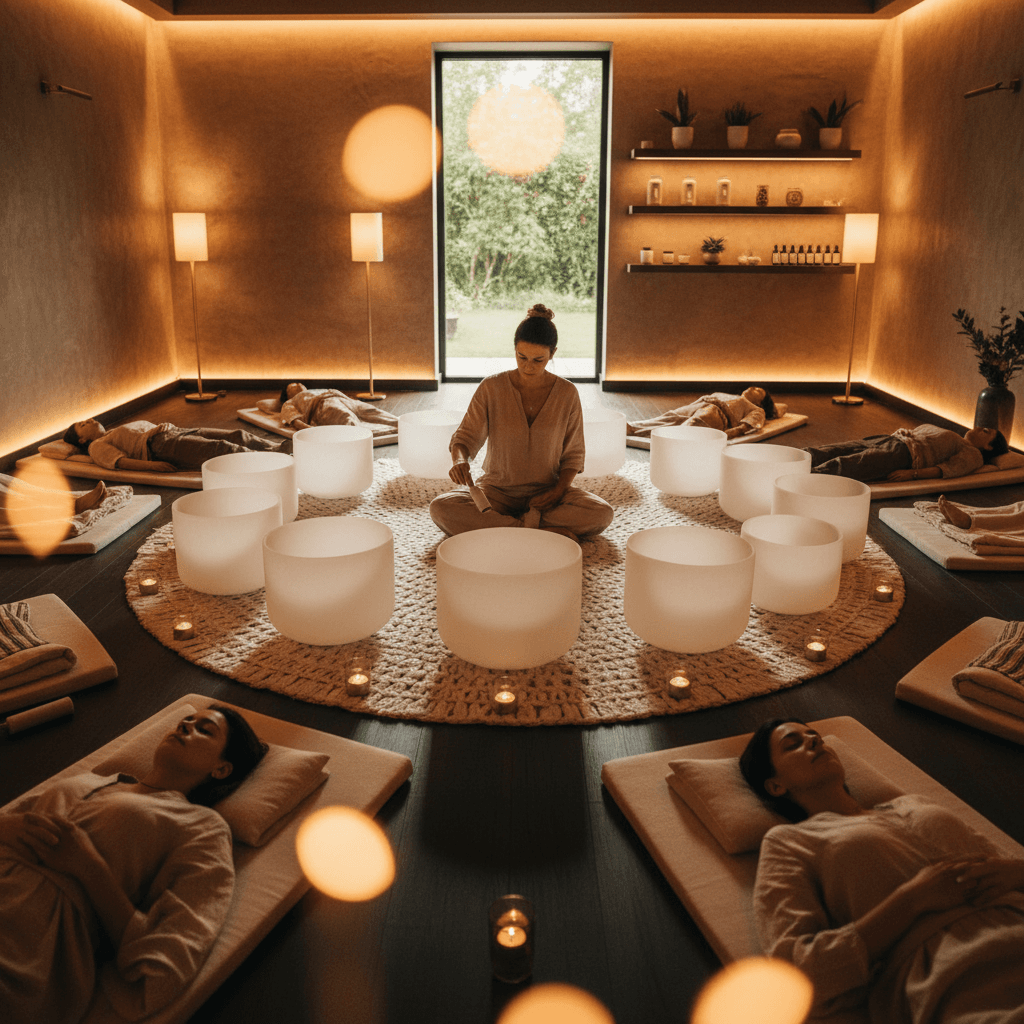
Embracing Age with Inner Peace: Sound Wellness for Acceptance
Key Insights
Discover how sound wellness and acceptance principles foster peace and enhanced well-being in older adults, guided by Soul Art Dubai's Larissa Steinbach.
The journey of aging, while often filled with wisdom and experience, can also present unique challenges. How do we cultivate a profound sense of inner peace amidst the natural shifts of life, particularly as we grow older? Many older adults grapple with unacknowledged mental health concerns or resist the inevitable changes that come with time.
This article delves into the transformative power of acceptance—not as resignation, but as a dynamic pathway to well-being—and explores how cutting-edge sound wellness practices, championed by Larissa Steinbach at Soul Art Dubai, can profoundly support this journey. We will uncover the science behind how sound frequencies interact with our brains and bodies to foster resilience, improve cognitive function, and cultivate a serene mindset. Prepare to learn how embracing acceptance through sound can unlock a richer, more peaceful experience of aging.
The Science Explained
The concept of acceptance, particularly in the context of aging, is deeply rooted in contemporary psychological research. It offers a powerful antidote to distress, often more effective than traditional approaches, by fostering psychological flexibility rather than symptom elimination. When combined with the therapeutic potential of sound, it creates a holistic synergy for enhancing the quality of life for older adults.
The Neuroscience of Acceptance & Aging
Emerging evidence suggests that older adults, despite their rich life experience, are often less aware of behavioral and mental health challenges than younger individuals. Studies have shown that a significant percentage of older adults experiencing conditions like depression or anxiety may not recognize they are facing a problem, highlighting a critical need for accessible wellness approaches (Gum et al., 2009; Wetherell et al., 2009). This unawareness can impede their ability to seek help and engage in proactive self-care.
Paradoxically, while some cognitive domains may decline with age, the ability to regulate emotions often improves. Older adults, on average, tend to exhibit lower and less variable levels of negative affect, demonstrating an inherent resilience (Schiebe & Carstensen, 2010; Labouvie-Vief, 2003). This natural capacity for emotional regulation creates a fertile ground for acceptance-based practices like Acceptance and Commitment Therapy (ACT), which aligns seamlessly with the principles of aging and recovery.
Research strongly supports the use of ACT for older adults, showing significant reductions in depressive symptoms and improved quality of life (Davidson et al., 2017; Wetherell et al., 2011; Karlin et al., 2013). ACT focuses on increasing psychological flexibility—the ability to contact the present moment fully, as a conscious human being, and to change or persist in behavior when doing so serves valued ends. This approach has been found to be more efficient than cognitive-behavioral therapy (CBT) in fostering this flexibility.
Moreover, the process of aging often necessitates disengaging from inappropriate commitments or goals that are no longer feasible. Replacing these with more attainable goals has been strongly associated with better emotional well-being (Wrosch, Dunne, Scheier, & Schulz, 2006). This strategic re-evaluation, a core tenet of acceptance, allows individuals to align their energies with what is truly possible and meaningful, reducing unnecessary distress and fostering a profound sense of peace.
The Power of Sound on Brain & Body
Beyond its role in psychological flexibility, acceptance is profoundly supported by the physiological effects of sound. Gentle acoustic stimulation, such as that experienced in sound wellness sessions, has been shown to have a remarkable impact on the aging brain, particularly concerning sleep and memory. A groundbreaking Northwestern Medicine study in 2017 revealed that pink noise synchronized to brain waves significantly enhanced deep sleep in older adults, tripling their ability to recall words.
This effect is crucial because deep sleep is a cornerstone of memory consolidation, and it naturally declines substantially from middle age onwards, contributing to age-related memory loss. The acoustic stimulation works by enhancing the synchronization of neuron activity during the slow-wave oscillations characteristic of deep sleep. A sophisticated algorithm developed by Giovanni Santostasi delivers sound during the rising portion of these slow waves, effectively boosting the brain's natural restorative processes.
The benefits of sound extend beyond sleep and memory. Music therapy, a close cousin to sound wellness, has consistently demonstrated positive effects on cognitive function. For instance, Alzheimer’s patients have shown improved memory recall and enhanced emotional expression when exposed to familiar tunes (Witzke et al., 2008). Music’s ability to stimulate neuroplasticity—the brain’s incredible capacity to reorganize and form new neural connections—positions it as a promising complementary tool for cognitive health.
Even long-term musical training has been associated with protecting against age-related cognitive decline, suggesting a lasting positive impact on brain health (Zhang et al., PMC). Furthermore, the body’s response to sound is not merely auditory; it is deeply cellular. The concept of polyvagal theory, while still emerging, suggests that sound can influence the vagal nerve, which plays a critical role in regulating stress and promoting social engagement. Mechanoreceptors in the skin also respond to vibrations, indicating that sound impacts us on a sensory cellular level (Lee Bartel, YouTube).
Tibetan singing bowl meditations, a popular form of sound wellness, have been particularly studied for their immediate effects. Research by Goldsby (2016, 2022) indicates that these practices can significantly reduce tension, anger, fatigue, and depressed mood, while simultaneously increasing feelings of spiritual well-being and inner peace. These physiological and psychological shifts create an optimal internal environment for cultivating a mindset of acceptance.
Bridging Sound and Acceptance
The profound connection between sound and acceptance lies in their shared ability to regulate the nervous system and foster present-moment awareness. Sound wellness practices provide a unique gateway to acceptance by gently guiding the mind and body into a state of deep relaxation. When the nervous system is calm, the mind is better able to disengage from rumination and resistance, making space for a more accepting perspective.
The resonant frequencies of sound instruments, such as gongs and singing bowls, act as an external anchor, drawing attention away from internal dialogue and into the physical sensations of vibration and auditory input. This process naturally cultivates mindfulness, a key component of acceptance, allowing individuals to observe thoughts and feelings without judgment or the need to change them. This non-judgmental awareness is precisely what allows acceptance to flourish.
By reducing cortisol levels and activating the parasympathetic nervous system, sound wellness may support a decrease in overall stress and anxiety. This physiological shift empowers individuals to respond to life's challenges, particularly those associated with aging, with greater equanimity. Instead of fighting against changes, the calmer state induced by sound enables a gentle pivot towards acknowledgement and harmonious coexistence with one's current reality. This complementary approach fosters a holistic environment where both the mind and body are primed for peace and resilience.
"Acceptance is not a passive surrender; it is an active, mindful choice to embrace the present moment, challenges and all. Sound provides the resonant pathway to this profound inner freedom."
How It Works in Practice
Imagine stepping into a tranquil oasis, far removed from the bustling energy of Dubai. At Soul Art, the experience of cultivating acceptance through sound is meticulously crafted to be immersive and deeply restorative. Clients often describe an immediate sense of calm washing over them as they settle into the space, a palpable shift from external pressures to internal peace.
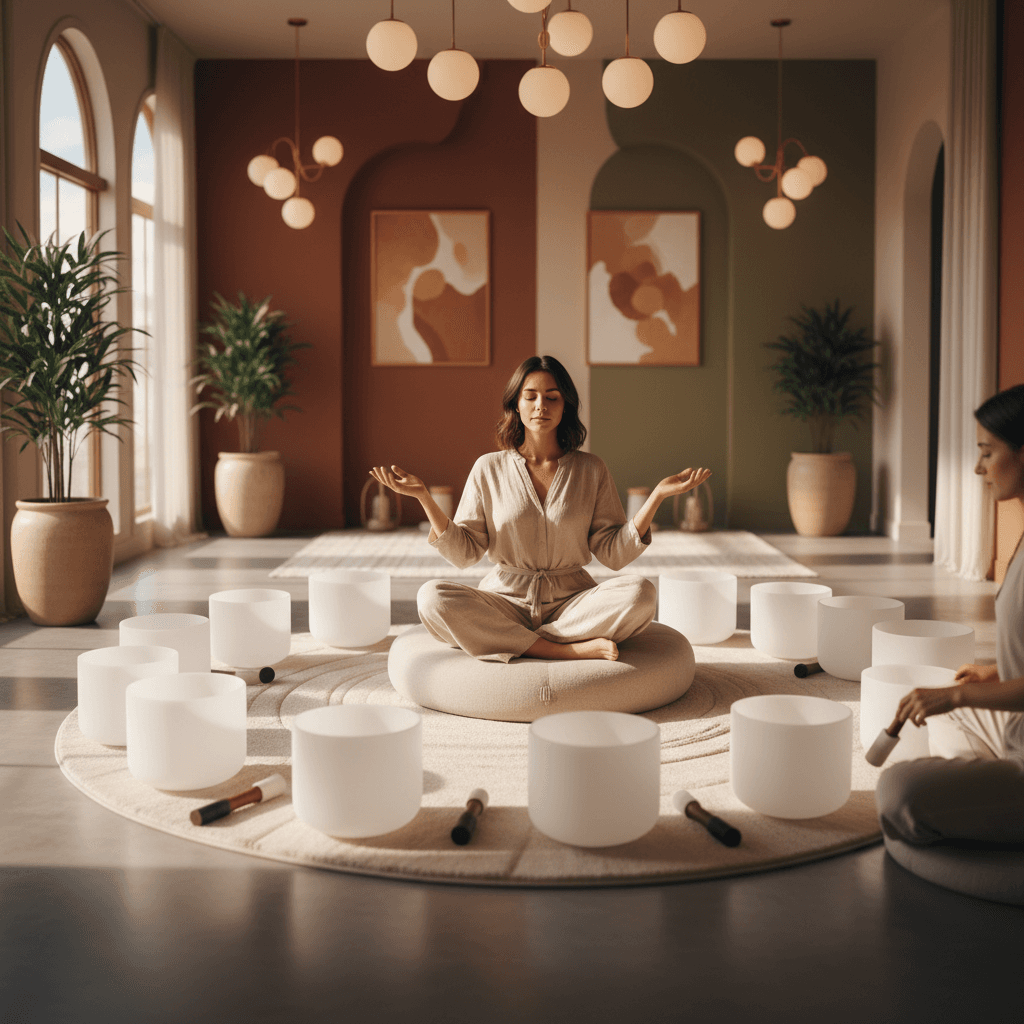
A typical session begins with a gentle invitation to relax, to simply be with the present moment. As the first resonant tones fill the air—perhaps the deep hum of a gong or the shimmering vibration of a crystal bowl—clients are encouraged to close their eyes and allow the sounds to wash over them. These frequencies are not just heard; they are felt, reverberating through the body's tissues, stimulating those mechanoreceptors and cellular responses described by scientific research.
The sensory details are vivid: the feeling of vibrations coursing through the skull, the gentle tingling in the fingertips, the subtle shifts in breath rhythm. Many people report a profound sense of letting go, as if the sounds are gently peeling away layers of tension, worry, and resistance. This somatic experience is incredibly powerful in bypassing the analytical mind, allowing a direct connection to the body's innate capacity for self-regulation and healing. It’s in this state of deep receptivity that the seeds of acceptance can truly take root.
As the session progresses, the brainwaves often shift from beta (active, waking state) to alpha (relaxed, meditative state) and even theta (deep relaxation, nearing sleep). This change in brain state is precisely what facilitates improved deep sleep and memory consolidation, as observed in studies on acoustic stimulation. In this relaxed state, cognitive dissonance and resistance to change tend to diminish, replaced by a feeling of expansive openness.
Clients frequently share anecdotal evidence of reduced physical discomfort, clearer mental focus, and an increased sense of emotional balance after sessions. The sonic environment creates a supportive container where difficult emotions can be acknowledged without overwhelming the system, fostering a non-judgmental space for whatever arises. This practice helps individuals develop a healthier relationship with their internal experiences, laying the groundwork for greater acceptance of life’s natural transitions, particularly those associated with aging.
The Soul Art Approach
At Soul Art Dubai, Larissa Steinbach masterfully blends scientific principles with intuitive artistry to create a truly transformative sound wellness experience. Her approach is rooted in the understanding that true well-being comes from harmony within the mind, body, and spirit, making acceptance a cornerstone of peaceful aging. Larissa's method is not merely about playing instruments; it's about curating a precise sonic environment that supports deep relaxation, nervous system regulation, and ultimately, an enhanced capacity for acceptance.
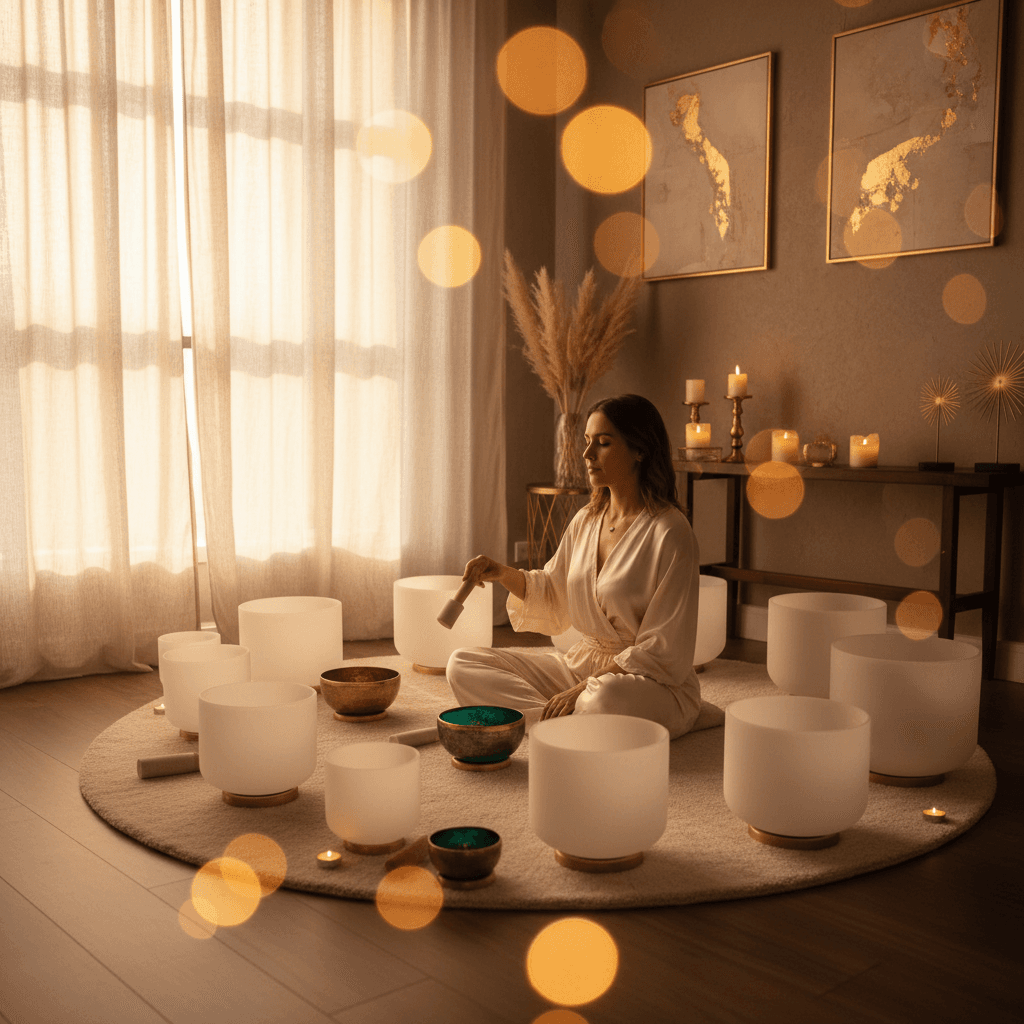
Larissa utilizes a diverse array of sacred sound instruments, each chosen for its unique vibrational frequency and therapeutic potential. Hand-hammered Tibetan singing bowls, with their rich, earthy tones, are often placed directly on or around the body, allowing their vibrations to penetrate deeply and soothe the cellular structure. Large symphonic gongs create expansive soundscapes that induce profound states of relaxation, promoting brainwave entrainment towards alpha and theta states. Crystal singing bowls, made of pure quartz, emit pure, sustained frequencies that may support emotional release and mental clarity.
What makes the Soul Art method unique is Larissa’s personalized and empathetic approach, especially with older adults. She understands the specific needs and sensitivities that can come with aging, tailoring sessions to be gentle, supportive, and inclusive. Whether in private sessions or carefully curated group experiences, Larissa fosters a safe space where individuals feel heard, respected, and deeply cared for. This supportive environment is critical for individuals who may have difficulty recognizing or expressing mental health concerns, as highlighted by research.
Larissa’s practice extends beyond the immediate session. She subtly weaves in cues for mindfulness and present-moment awareness, empowering clients to carry the state of calm and acceptance into their daily lives. By focusing on the body's innate wisdom and encouraging a gentle curiosity towards inner experience, the Soul Art approach helps individuals cultivate psychological flexibility, enabling them to navigate the complexities of aging with grace and resilience. She often emphasizes the importance of releasing attachment to what was and embracing what is, aligning with the research on disengaging from unfeasible goals for improved emotional well-being.
Your Next Steps
Cultivating acceptance for a peaceful aging journey is a continuous process, and sound wellness can be a powerful ally. Here are some actionable steps you can integrate into your life, starting today, to foster a greater sense of peace and acceptance:
- Mindful Listening Practice: Dedicate 5-10 minutes each day to simply listening. Close your eyes and focus on the sounds around you, noticing them without judgment. This simple act can anchor you in the present moment and reduce mental chatter.
- Create a Calming Sound Environment: Explore incorporating gentle, ambient sounds into your daily routine. This could be soft nature sounds, classical music, or even binaural beats (using headphones) which some preliminary studies indicate may support relaxation and focus.
- Engage in Gentle Movement: Pair mindful listening with gentle movements like stretching or slow walking. This helps integrate the body and mind, enhancing overall well-being and reducing physical tension, making it easier to accept physical changes.
- Journal Your Reflections: After a period of mindful listening or a sound session, take a few moments to jot down any thoughts or feelings that arise without editing. This practice can help you process emotions and acknowledge experiences, fostering self-awareness and acceptance.
- Connect with Community: Consider participating in group wellness activities. As research suggests, peer-to-peer learning and social connectedness in group settings can significantly improve mental health and provide a sense of belonging.
Embracing these practices can help you cultivate a resilient and accepting mindset, allowing you to navigate the journey of aging with greater ease and joy. If you’re ready to explore a deeper dive into this transformative path, consider how the expertly guided sound wellness experiences at Soul Art Dubai could support your personal journey towards peaceful aging.
In Summary
The journey of aging offers a unique opportunity for profound peace, particularly when approached with acceptance. Scientific evidence unequivocally demonstrates that embracing acceptance, through practices like Acceptance and Commitment Therapy, can significantly reduce depressive symptoms and enhance the quality of life for older adults. This psychological flexibility is beautifully complemented by the power of sound, which has been shown to improve deep sleep, boost memory, and foster neuroplasticity in the aging brain.
At Soul Art Dubai, Larissa Steinbach expertly integrates these scientific insights into a tranquil sound wellness experience. Her unique approach, utilizing resonant instruments and a deeply empathetic methodology, helps clients regulate their nervous systems, reduce stress, and cultivate a profound sense of inner peace. By facilitating a harmonious state of being, Soul Art empowers individuals to move through the seasons of life with grace, resilience, and a deep, unwavering acceptance of themselves and their journey. We invite you to experience this transformative journey with us and discover a new depth of well-being.
Bookings Coming Soon
Soul Art is still in preparation. Session details and booking will be published here after launch.
Coming Soon
Wellness Disclaimer: This article is for educational and informational purposes only. It does not constitute medical advice, diagnosis, or treatment. Soul Art Dubai provides non-medical wellness experiences focused on relaxation, stress management, and general wellbeing. Sound wellness is a complementary practice and should not replace professional medical care.
Related Articles
Downsizing: Navigating Life's Big Changes with Sound Wellness
Restless Legs Relief: Sound Wellness for Deeper Nighttime Comfort
Unlocking Inner Wisdom: Sound Wellness for Spiritual Growth in Later Life