Harmonizing Remote Teams: Sound Practice for Virtual Connection
Key Insights
Discover how shared sound wellness practices, championed by Soul Art's Larissa Steinbach, can profoundly enhance remote team connection, collaboration, and wellbeing in Dubai and beyond.
Compelling Introduction
Did you know that despite all our advanced communication tools, remote teams often miss out on the spontaneous, "serendipitous" moments that fuel connection and innovation in the physical office? As organizations globally navigate the complexities of hybrid and fully remote work models, fostering genuine team cohesion has become an urgent priority, far beyond mere task management. The traditional casual bump-ins and water cooler chats, once taken for granted, are now recognized as crucial catalysts for building trust and shared understanding.
This article delves into the profound, scientifically-backed impact that shared sound wellness practices can have on bridging the virtual divide. We will explore how an ancient, yet deeply modern, approach to collective wellbeing, championed by Soul Art founder Larissa Steinbach, can transform distant colleagues into a truly connected and collaborative unit. Understanding this shift is vital not just for productivity, but for the holistic wellbeing of every individual on your team.
At its core, cultivating strong remote connections is about creating an environment where every team member feels seen, heard, and valued, regardless of their physical location. This is precisely where the subtle, yet powerful, influence of shared sound experiences may offer an unexpected, elegant solution. Join us as we uncover how harmonic frequencies can weave a new fabric of connection for your remote workforce.
The Science Explained
The landscape of modern work has been irrevocably altered by remote and hybrid models, presenting both unprecedented flexibility and unique challenges to human connection. Scientific research increasingly highlights the subtle yet significant hurdles virtual teams face in cultivating the deep relational ties essential for high performance and innovation. Understanding these psychological and physiological impacts is the first step toward building more resilient and connected remote workforces.
The Intangible Costs of Virtual Distance
One of the primary challenges identified by researchers like Sayama is the loss of "serendipity moments" in virtual settings. These informal interactions, where colleagues "bump into people throughout the day and hav[e] those smaller conversations that help generate ideas," are often absent in highly structured virtual meetings. Instead, virtual interactions tend to focus on "prescribed agenda items, logging off once the meeting is over," hindering the organic flow of new ideas and deeper relationship building.
Furthermore, virtual communication can impede the natural flow of human interaction, making it harder to read non-verbal cues. As Osterhout Associate Professor of Entrepreneurship Chou-Yu (Joey) Tsai notes, "Sitting around a table as a group makes the banter between team members feel more natural." The inability to easily gauge facial expressions, body language, and subtle shifts in tone means that "a person’s responsiveness to other team members plays a significant role in whether they’re perceived as a leader" in a virtual setting. This can lead to misinterpretations, reduced empathy, and a perceived lack of psychological safety among team members.
The Microsoft study on the effects of remote work on collaboration, involving over 61,000 U.S. employees, provides compelling evidence. Researchers found that company-wide remote work significantly decreased informal communication and weakened "weak ties" – those connections that often bring fresh perspectives and innovative solutions. This indicates a measurable impact on both the breadth and depth of collaboration within organizations. The study also highlighted that the remote status of colleagues affects one's own work habits, emphasizing the interconnected nature of remote team dynamics.
The Physiological Basis of Shared Sound Practice
Enter sound wellness, a practice rooted in the understanding of how auditory stimuli influence our brainwaves and nervous system. When we experience specific frequencies and vibrations, our brains may naturally shift into states associated with relaxation, focus, and creativity, such as alpha and theta brainwave patterns. This phenomenon, often referred to as brainwave entrainment, can help to quiet the analytical mind and reduce the physiological markers of stress, such as elevated heart rate and cortisol levels.
- Nervous System Regulation: The gentle, resonant tones of sound instruments may activate the parasympathetic nervous system, responsible for the body's "rest and digest" response. This counteracts the sympathetic nervous system's "fight or flight" response, which can be overstimulated by the demands and anxieties of remote work.
- Enhanced Presence and Focus: In a world saturated with digital distractions, shared sound practices encourage deep listening and present moment awareness. This collective focus can help individuals detach from their individual screens and re-engage with a shared, non-verbal experience.
- Emotional Resonance and Empathy: Sound bypasses the need for explicit verbal communication, fostering connection through a primal, vibrational experience. When a team collectively experiences the same soothing frequencies, it can create a shared emotional landscape that promotes empathy and a sense of unity, much like shared cultural rituals have done for centuries.
- Creation of a "Community of Practice": The concept of a "Community of Practice" (CoP) as described in the CIHR Health System Impact Fellowship study, highlights how successful remote collaboration builds upon shared experiences and mutual support. A shared sound practice can serve as an experiential CoP, where members implicitly connect and reinforce shared goals of well-being and cohesion. This may "equip research teams and learning health systems with tools and capacities to continue to think together and work apart effectively and productively."
The collective engagement in a sound practice offers a novel "cross-location communication mechanism" that Wang suggests is crucial for "strengthening team cohesion regardless of where they work." By creating a shared sensory anchor, sound wellness provides a foundational, non-verbal means for remote teams to reconnect, build trust, and cultivate a sense of belonging that transcends physical distance.
How It Works in Practice
Bringing shared sound practice into the remote workspace moves beyond abstract scientific principles to tangible, felt experiences that can profoundly shift team dynamics. For a remote team, a shared sound session transcends individual isolation, creating a unified energetic space even across continents. The beauty of this practice lies in its accessibility and immediate impact, offering a respite from the screen-centric nature of virtual work.
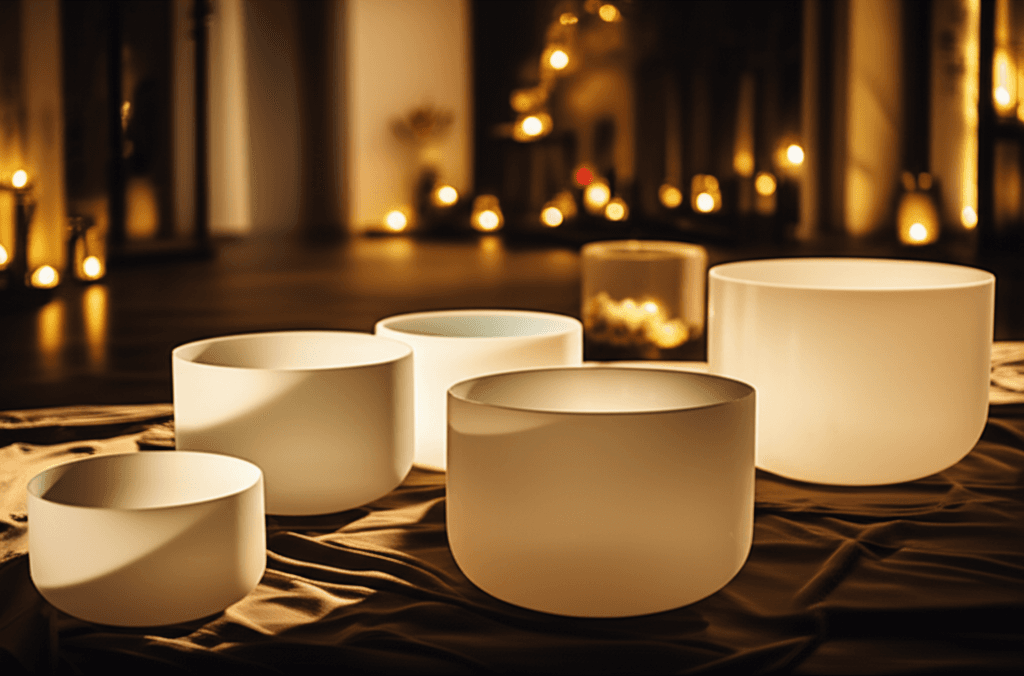
Imagine a team, each member in their own home office, connecting through a secure virtual platform. As the session begins, the gentle guidance of an experienced practitioner, like Larissa Steinbach, invites everyone to simply listen and relax. The sounds — perhaps the deep resonance of a gong, the soothing oscillations of Himalayan singing bowls, or the delicate chimes — are streamed with high-quality audio, ensuring a rich, immersive experience for all. This auditory journey creates a collective focal point, gently drawing participants away from their individual stressors and into a shared state of deep presence.
"The shared experience of sound is a powerful non-verbal language, weaving threads of connection and understanding that no amount of virtual meeting time can replicate."
During the session, the vibrations and frequencies are designed to guide participants into a state of deep relaxation. Many people report a sense of calm washing over them, as mental chatter subsides and physical tension eases. The shared nature of this profound quietude can be incredibly bonding; it’s a mutual surrender to sound that fosters a sense of psychological safety and collective ease. This is not about discussing work; it’s about being together in a deeply restorative space.
The benefits extend beyond the session itself. Clients often describe feeling more connected to their colleagues afterward, as if a common, unspoken understanding has been established. This shared, gentle experience may reduce feelings of isolation and foster a sense of belonging, which is crucial for remote teams where "cross-location communication mechanisms" are needed to "build trust and strengthen team cohesion," as suggested by researcher Wang. The collective journey through sound can help to reset emotional baselines, potentially enhancing empathy and communication in subsequent team interactions. This subtle yet powerful effect can organically support the maintenance of "international collaboratives" and improve "remote collaboration methods and outcomes," as highlighted by studies on successful remote CoPs.
The Soul Art Approach
At Soul Art, Dubai's premier sound wellness studio, Larissa Steinbach has meticulously crafted an approach that bridges ancient wisdom with modern corporate needs, specifically tailored for the complexities of remote team connection. Her methodology is not just about playing instruments; it's about facilitating a profound, shared energetic experience that cultivates coherence, calm, and connection among dispersed team members. Larissa understands that in the digital age, the quality of our presence, both individually and collectively, defines our success.
The Soul Art method stands apart through its intentionality and sophisticated delivery. Larissa Steinbach personally curates each virtual sound journey, ensuring that the frequencies and rhythms are specifically chosen to address the unique challenges of remote work. This includes mitigating digital fatigue, reducing stress, and fostering a sense of psychological safety within the team. The experience is designed to be accessible to everyone, regardless of their prior exposure to sound wellness.
Key elements of the Soul Art approach include:
- Precision Sound Design: Larissa utilizes a rich array of sacred instruments, each selected for its specific vibrational qualities. This often includes large symphonic gongs, which create immersive soundscapes that may facilitate shifts in brainwave states; crystal and Himalayan singing bowls, known for their pure tones and harmonizing vibrations; and chimes, rain sticks, and ocean drums, which add textural depth and a sense of natural tranquility.
- Guided Meditative Journey: Beyond just sound, Larissa's sessions integrate gentle verbal guidance, inviting participants into a state of deep relaxation and mindful presence. This ensures that even those new to meditation or sound practices can easily drop into the experience, finding their own unique connection to the sounds and their inner landscape.
- High-Fidelity Virtual Delivery: Recognizing the importance of quality for remote experiences, Soul Art invests in superior audio technology to transmit the nuanced frequencies and rich overtones of the instruments directly to each participant. This ensures that the virtual experience is as close as possible to an in-person session, maximizing its potential for deep impact.
- Focus on Collective Resonance: The Soul Art method emphasizes the collective aspect of the experience. While each individual has their personal journey, the shared act of deep listening and relaxation fosters a palpable sense of group coherence. This collective resonance is what transforms a group of individuals into a connected team, reinforcing the idea that "remote collaboration provides a generative and feasible alternative when physical and geographic distances limit innovative and productive work."
Larissa Steinbach's dedication to creating a truly transformative experience positions Soul Art as a leader in corporate wellness solutions for the modern remote workforce. Her unique fusion of artistry, scientific understanding, and empathetic guidance provides a powerful tool for teams seeking to enhance connection, innovation, and overall wellbeing.
Your Next Steps
Integrating shared sound practice into your remote team's routine is a proactive step toward fostering deeper connection and resilience. It's an investment not just in productivity, but in the human fabric of your organization. Here are some actionable steps you can consider implementing today to enhance your team's virtual cohesion:
- Prioritize Intentional Connection: Schedule dedicated non-work-related virtual check-ins. These can be short, informal "virtual coffee breaks" where the only agenda is to connect personally, mimicking those serendipitous office encounters.
- Invest in Shared Wellness Experiences: Explore complementary approaches to team building that transcend typical virtual happy hours. A shared sound wellness session provides a unique opportunity for collective relaxation and non-verbal bonding, fostering a different kind of shared experience.
- Encourage Mindfulness Breaks: Advocate for short, guided meditation or breathwork breaks during long virtual workdays. Even 5-10 minutes can significantly reduce screen fatigue and improve focus for subsequent tasks.
- Lead by Example: As a leader, openly discuss the challenges of remote work and the importance of wellbeing. Participating in wellness activities alongside your team sends a powerful message about valuing their mental and emotional health.
- Explore a Custom Corporate Wellness Program with Soul Art: Consider booking a remote sound wellness session specifically designed for your team. Larissa Steinbach and Soul Art can tailor an experience that directly addresses your team's needs, whether it's stress reduction, fostering connection, or sparking creativity.
These steps are designed to cultivate an environment where "organizations need to go beyond simply ‘allowing’ employees to work remotely by also providing strong internal management support," as Wang suggests. By embracing these holistic wellness practices, your team can not only maintain but significantly strengthen their bonds, unlocking new levels of collaboration and innovation.
In Summary
The evolution of remote work has underscored a critical need for innovative strategies to foster genuine team connection and well-being, moving beyond the limitations of virtual meeting agendas. Scientific insights reveal that casual interactions and non-verbal cues, often lost in digital spaces, are vital for building trust, empathy, and creative collaboration. Shared sound wellness practices, such as those masterfully offered by Larissa Steinbach and Soul Art, emerge as a powerful, scientifically-grounded solution.
By guiding remote teams through immersive, resonant sound experiences, these practices may activate the parasympathetic nervous system, reduce stress, and promote brainwave states conducive to relaxation and focus. This collective auditory journey cultivates a unique form of non-verbal connection, fostering a profound sense of unity and psychological safety across geographical divides. Ultimately, integrating sound wellness can transform the remote work experience, enabling teams to not only "think together and work apart effectively" but also to thrive in a more harmonized and connected manner. We invite your team to experience this transformative power with Soul Art.
Bookings Coming Soon
Soul Art is still in preparation. Session details and booking will be published here after launch.
Coming Soon
Wellness Disclaimer: This article is for educational and informational purposes only. It does not constitute medical advice, diagnosis, or treatment. Soul Art Dubai provides non-medical wellness experiences focused on relaxation, stress management, and general wellbeing. Sound wellness is a complementary practice and should not replace professional medical care.
Related Articles
Sound Resilience for First-Time Managers: Thrive as a New Leader
Harmonizing Global Teams: Sound Healing for Time Zone Stress
Transforming Workplace Conflict: Sound for Team Harmony