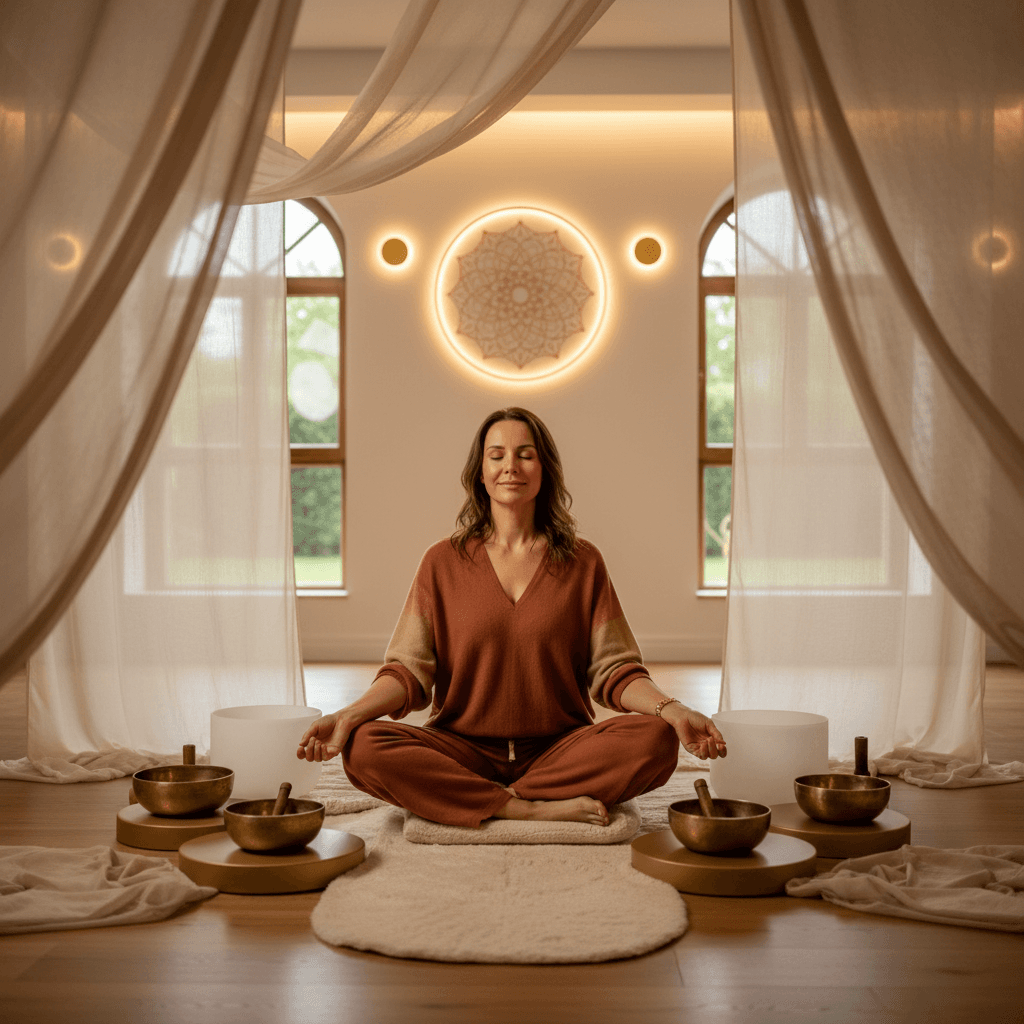
Harmonic Resonance: Sound Wellness for Psychological Practitioners
Key Insights
Discover how scientifically-backed sound wellness practices can rejuvenate psychologists, mitigate professional burnout, and enhance mental clarity. Explore the deep science with Soul Art Dubai.
The demanding nature of psychological practice often requires an extraordinary capacity for empathy, resilience, and unwavering presence. Practitioners consistently navigate complex emotional landscapes, absorb significant client distress, and manage the intricate dynamics of human minds, leading to a unique susceptibility to professional burnout and compassion fatigue.
What if an ancient yet scientifically validated practice could offer a powerful antidote, providing a sanctuary for the mind and body? Emerging research suggests that sound wellness, once relegated to the fringes, is now stepping into the spotlight as a sophisticated, evidence-informed tool for practitioner well-being.
This article delves into the profound scientific underpinnings of sound's therapeutic potential. We will explore how precise frequencies and vibrations can influence our physiology and psychology, offering a vital resource for those who dedicate their lives to supporting others. Join us as we uncover how practices embraced at Soul Art in Dubai, under the guidance of Larissa Steinbach, are revolutionizing self-care for psychological professionals.
The Science Explained: Resonating with Well-being
For decades, the concept of "sound healing" existed largely outside conventional medical discourse, often dismissed as anecdotal. However, a significant paradigm shift is underway. Institutions ranging from the National University of Health Sciences to MIT are now dedicating resources to understanding how specific frequencies and vibrations exert measurable clinical effects on the human body and mind. This movement signals a transition from tradition-based approaches to evidence-based vibrational medicine.
The Neuroscience of Sonic Stimulation
The human body is an intricate symphony of vibrations, and sound acts as a powerful conductor. When we engage with targeted acoustic stimulation, our brain and nervous system respond in complex, measurable ways. This response forms the core of sound wellness's profound impact.
One key mechanism involves brainwave entrainment, a phenomenon where the brain synchronizes its electrical activity to an external rhythmic stimulus, like sound. A prominent example is the use of binaural beats. These are auditory illusions created when two slightly different frequencies are played simultaneously, one in each ear. The brain, attempting to reconcile these disparate inputs, perceives a third, "phantom" frequency—the binaural beat.
This perceived beat can guide brainwave states. For instance, if a 20 Hz sound is played in the left ear and a 15 Hz sound in the right, the brain produces a 5 Hz beat, corresponding to the Theta brainwave state. Theta waves are associated with deep relaxation, meditation, and creativity, offering a pathway to restorative mental states. Researchers are actively investigating how precise binaural beats, particularly those in the gamma band (above 30 Hz), can influence higher-order cognitive functioning, memory, and attention, as supported by studies at institutions like the University of Texas at Dallas.
The Vagus Nerve and the Relaxation Response
Beyond brainwave activity, sound wellness practices significantly engage the vagus nerve, the tenth cranial nerve. This nerve is a critical component of the parasympathetic nervous system, playing a pivotal role in regulating involuntary bodily functions such as heart rate, digestion, and respiratory rate. Stimulating the vagus nerve is instrumental in activating the body's natural relaxation response.
Sound sessions, particularly those involving resonant frequencies, can induce a state of calmness that counteracts the physiological "fight-or-flight" stress response. By promoting vagal tone, sound helps the body shift from sympathetic dominance to parasympathetic restoration, fostering an optimal state for healing and psychological equilibrium. This connection highlights how sound isn't just an auditory experience; it's a profound physiological modulator.
Stress Reduction and Heart Rate Variability (HRV)
For psychological practitioners, managing chronic stress is paramount. Clinical applications of sound therapy demonstrate a direct correlation between sound exposure and reduced stress. A randomized controlled trial of university students, for example, found that vibroacoustic therapy significantly increased heart rate variability (HRV) and reduced subjective measures of stress and muscle tension. HRV is a key indicator of nervous system health and resilience; higher variability suggests a more adaptive and less stressed system.
This indicates that specific acoustic stimulation can actively regulate the autonomic nervous system, promoting a state of calm and balance. The ability to enhance HRV is particularly valuable for professionals whose nervous systems are consistently engaged in demanding work. The research confirms that these benefits are not merely perceived but are measurable physiological responses, reflecting a sophisticated interplay between sound and human biology.
"The human body is not merely a listener; it is a resonator. When precise frequencies meet the intricate symphony of our biological systems, profound shifts in well-being become not just possible, but measurable."
Cognitive Enhancement and Emotional Regulation
The benefits extend beyond stress reduction to improved cognitive function and emotional regulation. Studies indicate that sound-based practices can help ease symptoms related to anxiety, stress, and sleep disruption. A 2022 study showed that "singing-bowl" sound healing was associated with increases in spiritual well-being and a reduction in tension and depressed moods, even after a single session.
For practitioners needing sustained focus and clarity, sound offers a pathway. A review of over 20 studies suggests that using binaural beats before or during tasks may enhance memory and attention. This highlights sound's potential as a "performance tool" for maintaining optimal cognitive states in demanding professional environments. Furthermore, biophilic soundscapes—natural sounds like birdsong or flowing water—have been shown to reduce stress, enhance focus, and improve sleep quality, even in workplace settings.
While the primary focus for psychologists is well-being, it's worth noting the broader applications of sound. For instance, low-frequency sound vibrations (e.g., 40 Hz) have been explored for their potential to improve motor performance and reduce tremors in patients with Parkinson's disease, illustrating the deep and multifaceted impact of precise acoustic stimulation on the human body, from cellular to neurological levels. This holistic understanding reinforces sound's significant potential as a complementary wellness tool.
How It Works in Practice: An Embodied Experience
Moving from scientific theory to practical application, sound wellness sessions offer an immersive, full-body experience designed to recalibrate the nervous system and quiet the mind. These sessions, often referred to as "sound baths" or "vibroacoustic experiences," go far beyond simple listening.
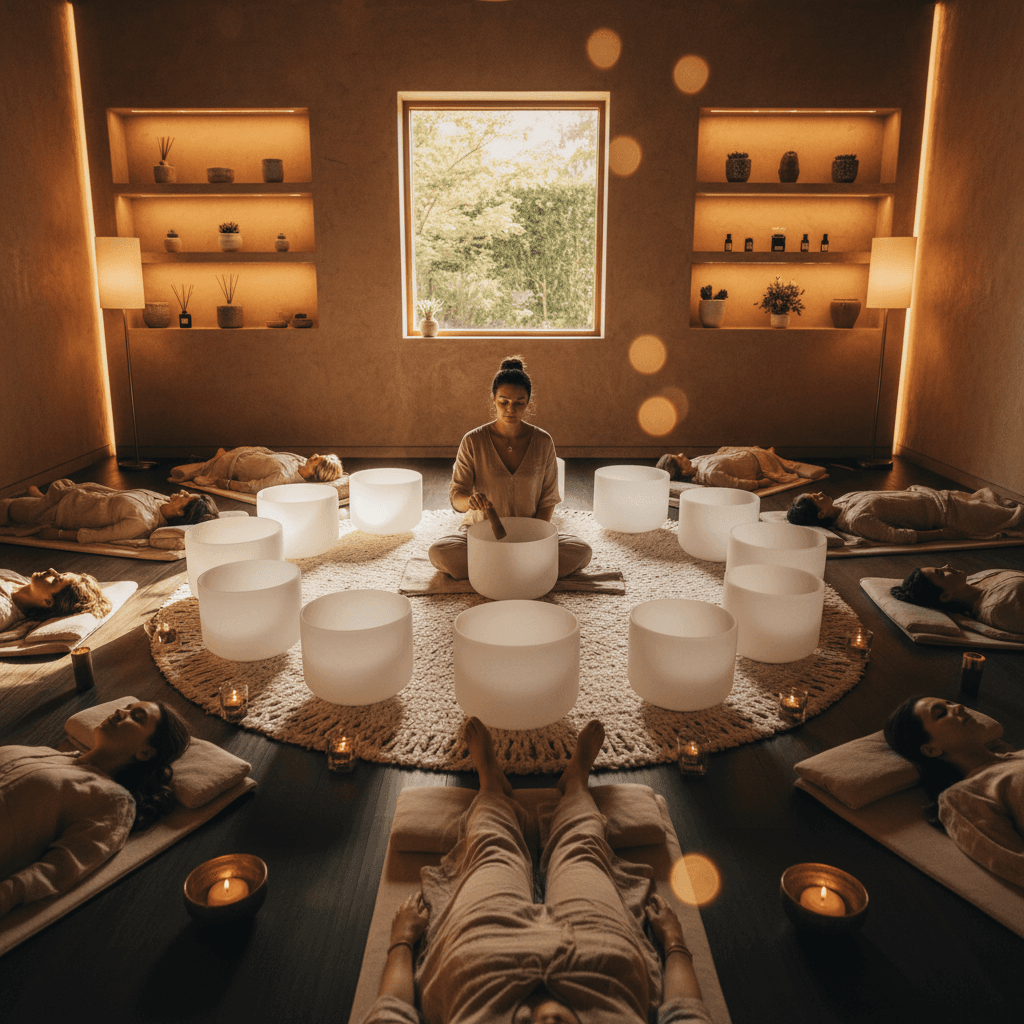
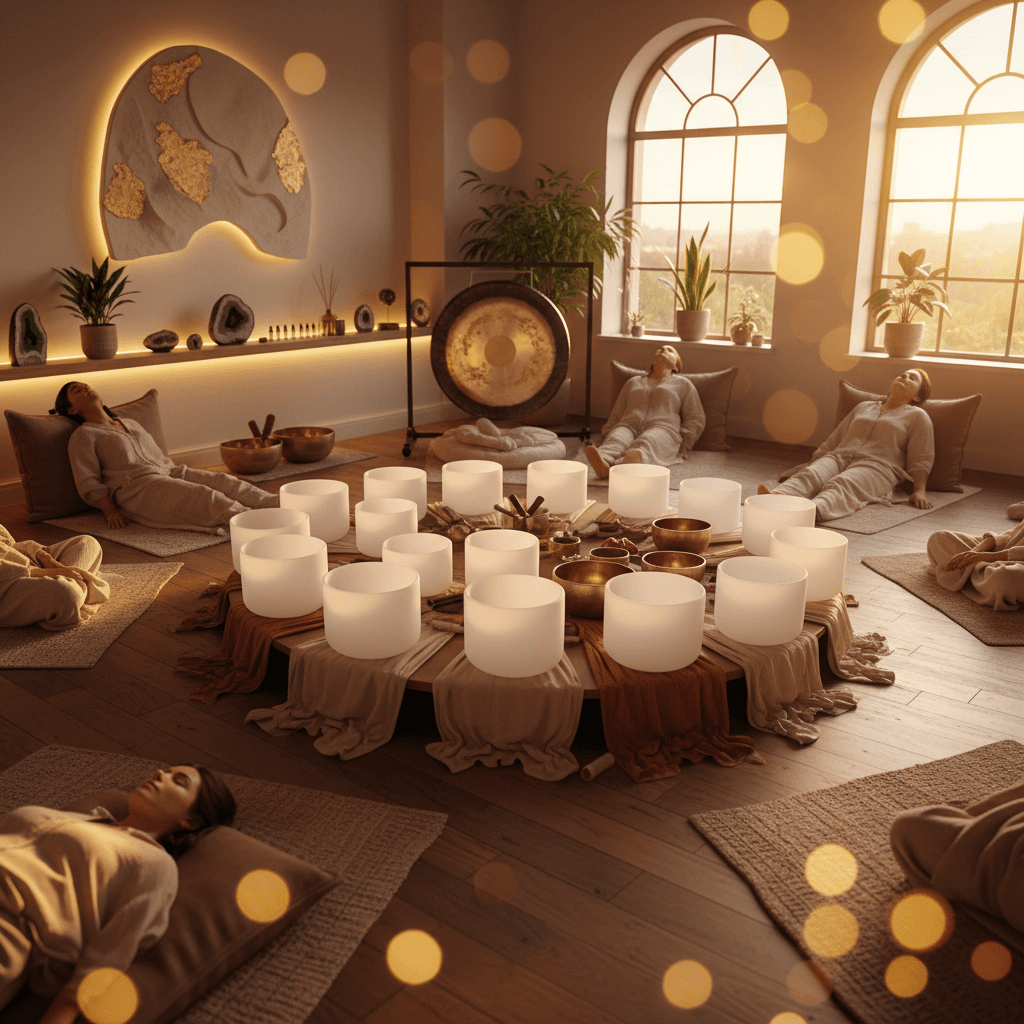
Imagine entering a serene space where you are invited to lie down comfortably, perhaps on a mat, covered by a soft blanket. The environment is curated for deep relaxation, free from external distractions. The facilitator, a trained sound wellness practitioner, then begins to introduce a symphony of sounds.
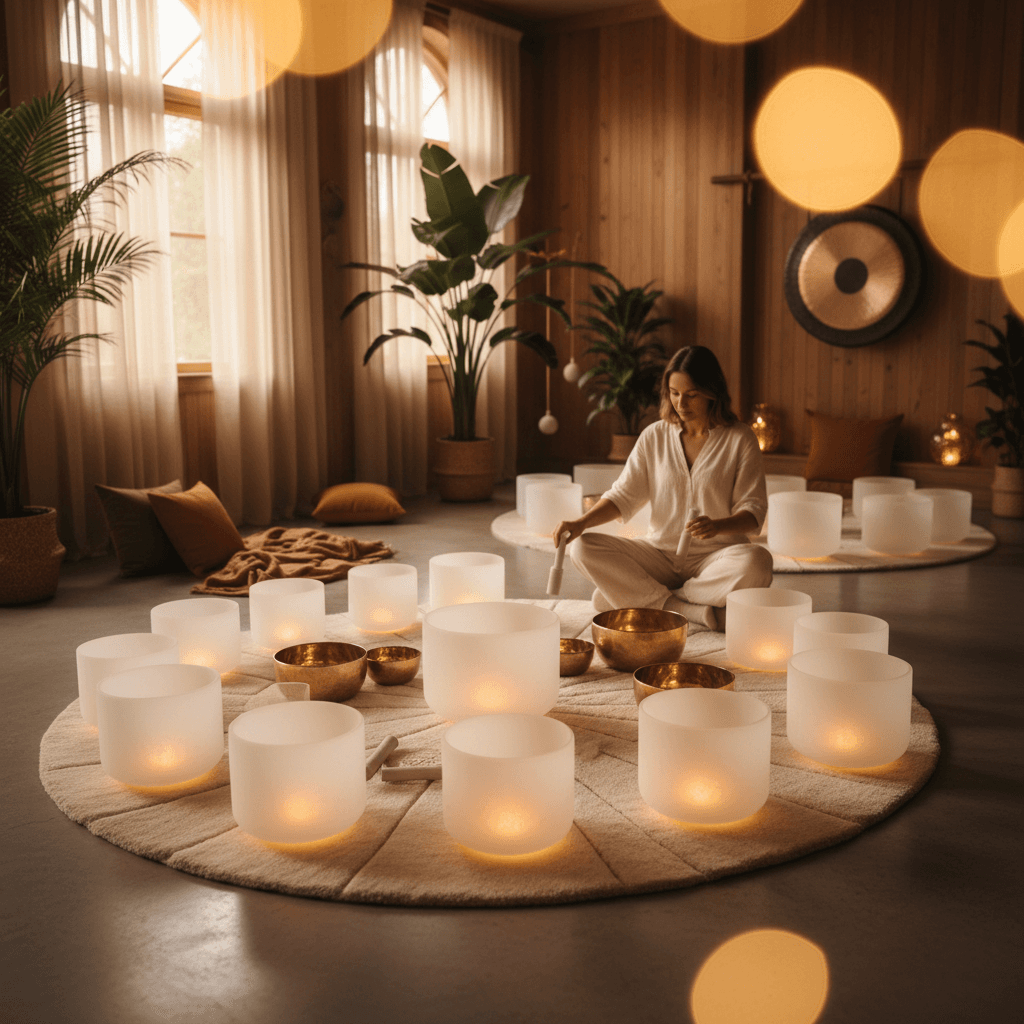
Instruments such as Himalayan singing bowls, crystal bowls, gongs, chimes, and tuning forks are played with intention and expertise. The sounds are not just heard through the ears; their vibrations permeate the entire body. These therapeutic sound waves "wash" over participants, creating a dynamic sonic landscape that encourages a state of profound relaxation and introspection.
Clients often describe a feeling of being enveloped, as if the sounds are gently massaging their internal landscape. The varying intensities and frequencies create a non-judgmental space where individuals can explore and process their feelings, fostering a sense of emotional well-being. This sensory engagement helps to bypass the analytical mind, allowing for a deeper, more primal response to the auditory and vibrational input.
The experience is versatile. It can be a passive session, where participants simply receive the sounds, allowing their bodies and minds to respond naturally. Alternatively, it can be interactive, as with personal practices involving sound therapy bowls, where one can play for themselves or have a family member facilitate a session. In both scenarios, the structured, intentional method of sound application aims to promote nervous system regulation and overall wellness, making it an accessible and effective self-care practice.
The Soul Art Approach: Precision, Serenity, and Transformation
At Soul Art, Dubai's premier sound wellness studio, Larissa Steinbach has meticulously crafted an approach that harmonizes ancient wisdom with cutting-edge scientific understanding. Recognizing the unique demands placed upon psychological practitioners, Soul Art offers a sanctuary designed for profound restoration and recalibration.
Larissa's method is distinct in its precision and personalized care. She integrates the scientific principles of brainwave entrainment, vagus nerve activation, and heart rate variability optimization into every session. This ensures that clients receive not just a relaxing experience, but one grounded in measurable physiological benefits. The aim is to provide a comprehensive wellness experience that addresses the specific needs of high-demand professionals.
The Soul Art experience features an exquisite array of instruments, each selected for its unique vibrational quality. Himalayan singing bowls, renowned for their rich overtones, are used alongside pure crystal bowls, known for their clear, resonant frequencies. Gongs introduce deeper, more immersive soundscapes, while chimes and tuning forks add layers of subtle yet powerful vibrations. These instruments are played with masterful technique, creating a curated sonic environment that guides participants into deep meditative states.
What makes the Soul Art method truly unique is its emphasis on intentionality and the creation of a deeply supportive space. Larissa Steinbach believes that true wellness emerges from an environment where one feels completely safe to let go and receive. Sessions are tailored to promote mental clarity, emotional release, and a profound sense of inner peace, empowering practitioners to return to their work refreshed and rejuvenated. It is a sophisticated blend of art and science, designed to facilitate transformation from the inside out.
Your Next Steps: Integrating Sound into Your Professional Life
Understanding the scientific power of sound is the first step; integrating it into your daily life for sustained well-being is the next. For psychological practitioners, whose professional lives demand constant emotional and mental effort, cultivating consistent self-care practices is not a luxury, but a necessity.
Here are a few actionable steps you can take to harness the power of sound for your well-being:
- Mindful Listening Moments: Incorporate short periods of intentional listening into your day. This could be five minutes of listening to biophilic soundscapes (natural sounds like rain, forest, or ocean waves) or a guided sound meditation. This helps to reset your nervous system and bring you back to the present moment.
- Explore Binaural Beats: Experiment with apps or recordings that offer binaural beats designed for relaxation, focus, or sleep. Choose frequencies associated with Theta waves for unwinding or Gamma waves for cognitive enhancement, depending on your needs. Remember to use quality headphones for the full effect.
- Personal Sound Tools: Consider acquiring a personal sound therapy bowl or chimes. Even a few minutes of playing these instruments can serve as a potent self-guided sound meditation, offering an accessible and versatile way to manage daily stress and promote nervous system regulation.
- Create a Restorative Auditory Environment: Be mindful of your auditory surroundings. Minimize noise pollution and consciously introduce calming sounds into your home or office space. This could involve gentle instrumental music, nature sounds, or simply moments of intentional silence.
- Seek Guided Professional Sessions: For a truly transformative experience, consider participating in a guided sound wellness session. Experienced practitioners, such as those at Soul Art, can provide expertly facilitated sound baths that maximize the therapeutic benefits, offering deep relaxation and rejuvenation.
These steps can serve as a powerful complement to your existing wellness routine, providing an evidence-informed way to support your everyday mental and physical well-being.
In Summary: The Unseen Power of Sound for Practitioners
The journey of a psychological practitioner is one of profound dedication, yet it carries the inherent risk of emotional and mental depletion. While traditional self-care methods are vital, emerging scientific evidence now positions sound wellness as an indispensable, sophisticated tool for sustained professional well-being. From regulating brainwave activity and activating the vagus nerve to reducing stress and enhancing cognitive function, the measurable impacts of sound are undeniable.
Practices offered at Soul Art, meticulously designed by Larissa Steinbach, stand at the forefront of this revolution. They offer more than just relaxation; they provide an evidence-informed pathway to nervous system regulation, mental clarity, and emotional resilience. Embrace the unseen power of sound, and discover a deeper, more harmonious way to support yourself as you continue your invaluable work.
Bookings Coming Soon
Soul Art is still in preparation. Session details and booking will be published here after launch.
Coming Soon
Wellness Disclaimer: This article is for educational and informational purposes only. It does not constitute medical advice, diagnosis, or treatment. Soul Art Dubai provides non-medical wellness experiences focused on relaxation, stress management, and general wellbeing. Sound wellness is a complementary practice and should not replace professional medical care.
Related Articles
Chefs: Mastering Kitchen Pressure Through Sound Wellness
Sound for Death Workers: Managing Stress for Funeral Directors
Sound Wellness: Respite for Retail's Customer-Facing Heroes