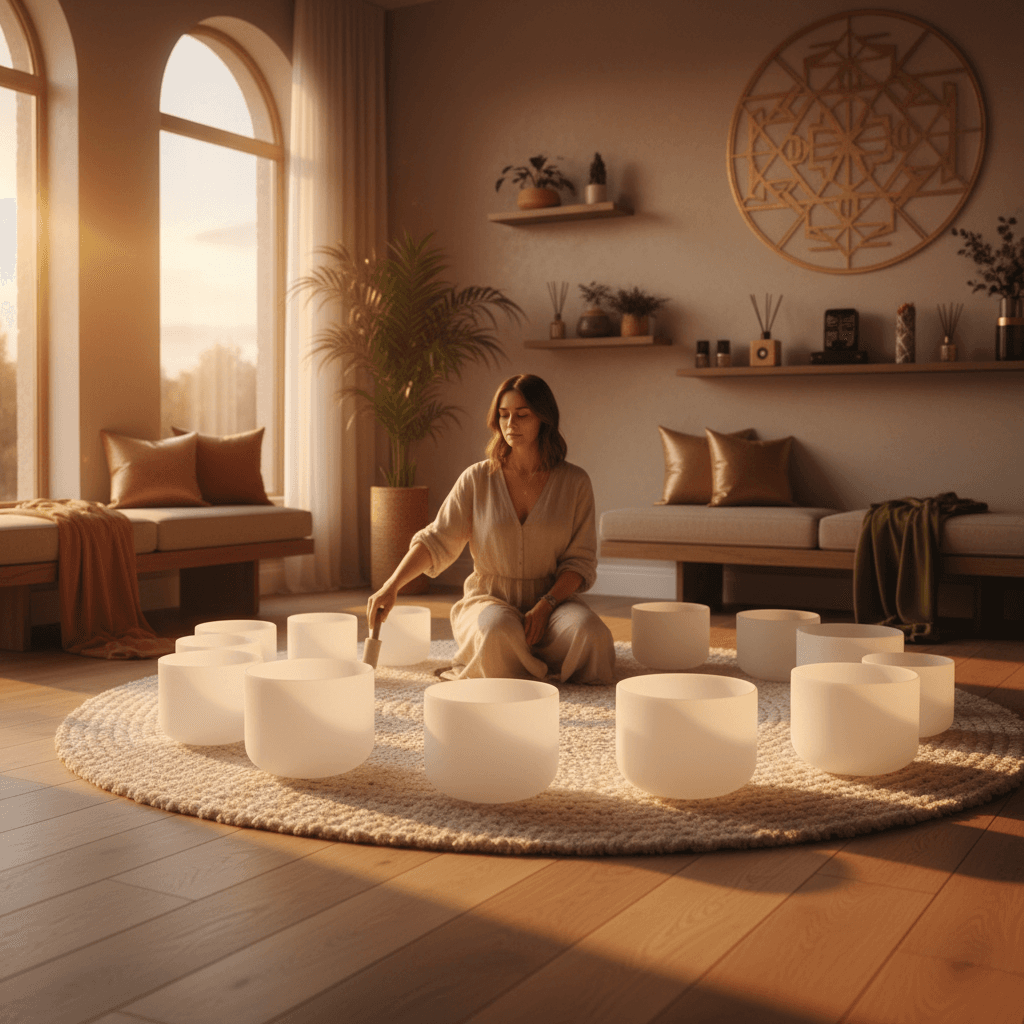
Sound Therapy & Psychiatry: A Path to Mental Wellness
Key Insights
Explore how scientifically-backed sound interventions, from music to chanting, offer a complementary approach to enhancing mental health and stress management at Soul Art Dubai, founded by Larissa Steinbach.
Imagine a simple melody or a resonant tone capable of shifting your emotional landscape, easing the grip of stress, and fostering a profound sense of peace. This isn't just a hopeful thought; it's a rapidly evolving field of scientific inquiry. Emerging research is increasingly highlighting the powerful, integrative impact of sound interventions on our mental and physiological well-being.
At Soul Art, Dubai's premier sound wellness studio, we explore these profound connections. We delve into how carefully curated sonic experiences can serve as a potent complementary approach for navigating the complexities of modern mental health. This article will unravel the scientific mechanisms behind sound's therapeutic potential, offering a clearer understanding of how these ancient practices meet contemporary psychiatric needs through a wellness lens.
The Science Explained: Vibrations, Brainwaves, and Serenity
The human body and mind are intricately wired to respond to sound. It's not merely what we hear, but how our nervous system processes these vibrations, leading to tangible psycho-emotional and physiological outcomes. Rigorous scientific investigations, including randomized controlled trials and laboratory experiments, are steadily building a robust evidence base for sound’s role in wellness.
The Brain-Body Connection Through Sound
Sound interventions, encompassing everything from structured music to non-musical acoustic experiences, engage several key biological pathways. When our ears perceive sound waves, these signals travel to the auditory cortex and then to deeper brain structures like the amygdala, which plays a critical role in emotion processing, particularly fear and anxiety. This direct pathway allows sound to influence our emotional responses almost instantaneously.
Furthermore, sound stimulation can influence brainwave activity. Different frequencies are associated with various states of consciousness:
- Beta waves (14-30 Hz) are typically linked to alert, focused states.
- Alpha waves (8-13 Hz) correlate with relaxed, calm alertness.
- Theta waves (4-7 Hz) are often observed during deep relaxation, meditation, and light sleep.
- Delta waves (less than 4 Hz) are prominent during deep, restorative sleep.
Sound therapy aims to guide the brain into more desirable states, such as alpha or theta, thereby promoting relaxation and reducing mental stress. For example, some research suggests that listening to specific sound patterns can encourage the brain to produce more sleep spindles, which may support anxiety regulation, particularly in conditions like PTSD (though sound therapy is a complementary wellness practice, not a medical treatment for PTSD itself).
Physiological Responses to Sonic Stimuli
The impact of sound extends beyond brainwaves to influence critical physiological markers. Studies have documented that certain sound interventions can induce a "relaxation response" within the autonomic nervous system. This manifests as:
- Slower heart rate: A key indicator of parasympathetic nervous system activation, associated with rest and digest.
- Lower blood pressure: Reducing strain on the cardiovascular system.
- Reduced breathing rates: Promoting diaphragmatic breathing, which further calms the nervous system.
One notable example, the song "Weightless" by Marconi Union, developed in collaboration with sound therapists, was found in preliminary studies by Mindlab International to reduce anxiety levels by an impressive 65% in participants. Listeners experienced significant drops in heart rate, blood pressure, and breathing rates, highlighting the profound physiological shifts possible with specific sonic arrangements. While these initial studies were relatively small, they underscore sound’s potential as a powerful tool for stress management and relaxation.
Beyond Music: The Power of Diverse Sounds
While music therapy has a vast body of evidence supporting its benefits for mental health, contemporary research is expanding its focus beyond structured musical compositions. A scoping review on the effects of sound interventions on mental stress responses emphasizes a conceptual shift towards considering non-musical acoustic stimuli. These include:
- Natural noises: Sounds of nature, like ocean waves or birdsong, can evoke feelings of peace and reduce stress.
- Chanting and vocalizations: The human voice, through specific tones or rhythmic chants, holds significant therapeutic potential, influencing physiological and emotional states.
- Speech and poetry: Listening to spoken word, particularly poetry, has been shown to alleviate symptoms of anxiety and stress in some studies.
This broader perspective acknowledges that the quality of sound, whether melodic or ambient, holds intrinsic value in facilitating therapeutic changes. The human element, such as the warmth and interest conveyed through a therapist's vocal style, can also contribute positively to a sense of safety and rapport, further enhancing the wellness experience.
Scientific Rigor and Applications
The field of sound wellness, while sometimes subject to speculation, is increasingly grounded in rigorous scientific inquiry. Researchers are deliberately limiting studies to controlled trials, clinical trials, and laboratory/field experiments to provide more robust scientific information. This careful approach helps to understand sound therapy's integrative impact on stress-related conditions such as:
- Anxiety: Multiple studies show reductions in anxiety levels through various sound interventions, including music therapy and singing bowls.
- Depression: Research indicates improvements in mental health for individuals experiencing depressive symptoms through music therapy and sound practices.
- Mental stress response: Sound interventions are demonstrably effective in mitigating the physiological and psychological markers of stress.
- Sleep quality: Preliminary studies suggest that certain soundscapes can significantly improve sleep metrics, aiding overall mental and physical restoration.
It's important to note that while sound therapy may complement broader mental health strategies, it is not a direct treatment for severe psychiatric disorders such as bipolar disorder or schizophrenia, nor for neurodegenerative conditions. Instead, its focus lies firmly in supporting emotional regulation, stress management, and enhancing general well-being as a powerful wellness practice.
How It Works in Practice: An Embodied Experience
Moving from scientific theory to tangible experience, sound wellness sessions offer a unique pathway to inner tranquility. It's an immersive, sensory journey where the body itself becomes a receiver and resonator of therapeutic vibrations. Clients often describe a profound sense of calm, release, and rejuvenation.
During a session, participants typically lie or sit comfortably, allowing themselves to fully surrender to the soundscape. The environment is carefully curated to enhance relaxation, often with soft lighting, aromatic diffusers, and a serene ambiance. The focus is on creating a safe and nurturing space where the mind can unwind and the body can release tension.
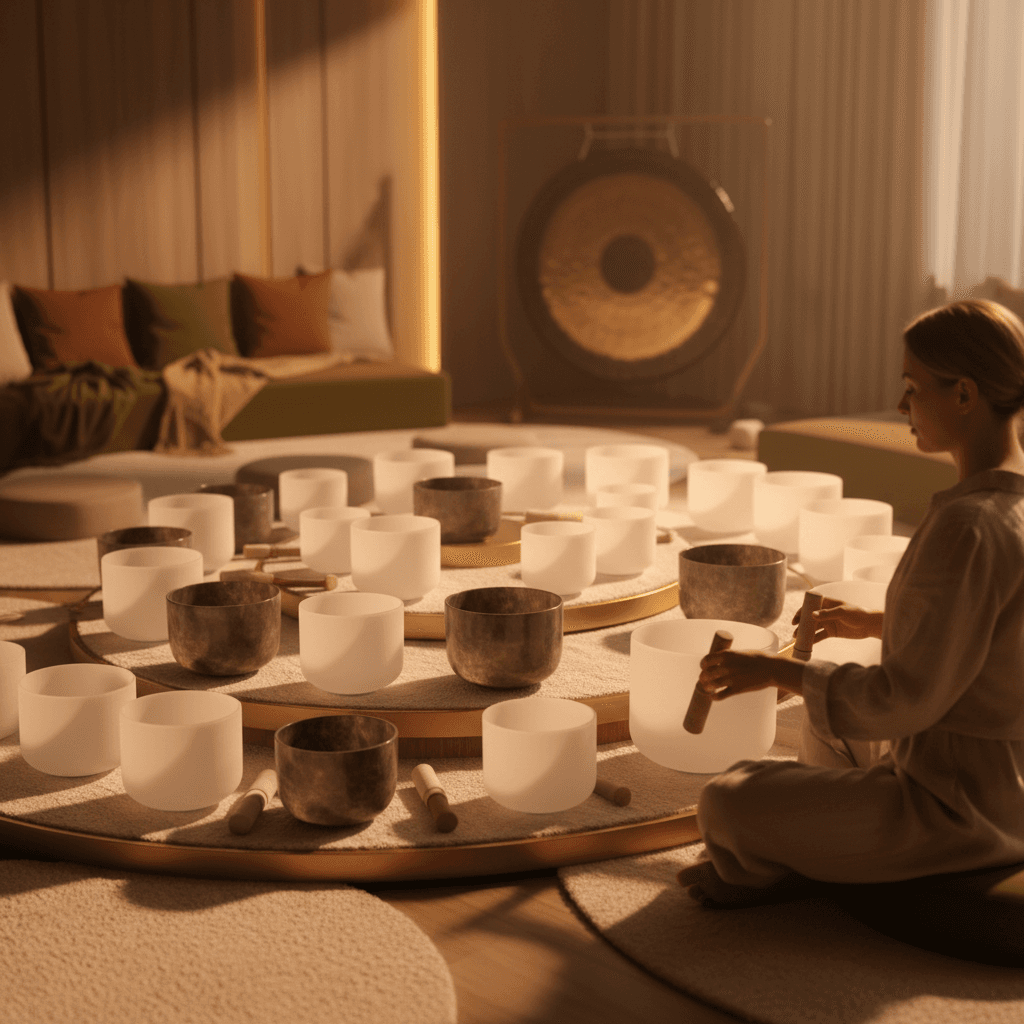
The experience is multifaceted, engaging both auditory and tactile senses. You might hear the gentle undulations of singing bowls, their rich harmonics resonating through the air and directly into your body as the bowls are played near or on you. The deep, grounding tones of gongs can create a wave-like sensation, prompting a state of deep meditation or even a gentle sleep. Other instruments, such as chimes, drums, and even the human voice, contribute to a tapestry of sounds designed to soothe the nervous system.
Many clients report a tangible shift within their bodies: a loosening of tight muscles, a slowing of breath, and a quieting of mental chatter. The vibrations are believed to stimulate the vagus nerve, a key component of the parasympathetic nervous system, responsible for the "rest and digest" response. This activation helps to counter the effects of chronic stress, which often keeps the sympathetic "fight or flight" system on high alert.
The beauty of sound wellness lies in its non-invasive, intuitive nature. There's no need to "do" anything other than simply be present and allow the sounds to wash over you. For those grappling with high anxiety or persistent stress, this passive engagement can be incredibly liberating. It provides a sanctuary where the usual demands of thinking and problem-solving are temporarily suspended, allowing for a deep recalibration of mind and body. The aim is not to suppress emotions but to create a spaciousness where they can be observed and gently released, fostering improved emotional regulation.
The Soul Art Approach: Larissa Steinbach's Vision
At Soul Art, Larissa Steinbach, our esteemed founder, has meticulously crafted an approach to sound wellness that harmonizes scientific understanding with a deep reverence for holistic well-being. Larissa’s methodology is not just about playing instruments; it's about creating an intentional, transformative sonic environment designed to guide individuals towards profound states of relaxation and inner balance.
Larissa Steinbach's unique method at Soul Art draws upon her extensive research and personal practice. She understands that while music can be powerful, a broader spectrum of acoustic interventions offers even greater potential. This includes leveraging the resonant properties of various instruments and the subtle nuances of human vocalizations to create truly immersive experiences. She focuses on the energetic and physiological impacts, ensuring each session is purposeful.
What makes the Soul Art method particularly distinctive is its commitment to both ancient wisdom and modern scientific insight. Larissa integrates the ancient practices of sound healing with contemporary understanding of neurology and physiology. This fusion allows for sessions that are deeply grounding yet scientifically informed, aiming to optimize the body's natural capacity for self-regulation and healing.
Specific instruments are chosen for their unique vibrational qualities and therapeutic benefits:
- Himalayan Singing Bowls: These ancient instruments produce rich, sustained tones and palpable vibrations that are believed to resonate deeply within the body, promoting relaxation and cellular balance. A systematic review of clinical studies highlights their potential to alleviate anxiety, depression, and improve sleep quality.
- Gongs: Known for their expansive, immersive soundscapes, gongs create powerful waves of sound that can induce states of profound meditation, often described as floating or timelessness. They are particularly effective in clearing mental static and promoting deep relaxation.
- Chimes and other percussion: Used to add delicate textures and introduce specific frequencies that enhance the overall sonic journey, aiding in brainwave entrainment.
Larissa Steinbach also emphasizes the subtle power of the human voice, utilizing guided breathwork and gentle vocal toning to deepen the meditative experience. This human-rated factor of warmth and presence contributes significantly to establishing a trusting rapport, which is crucial for any therapeutic alliance, even in a wellness context. Through these meticulously designed sessions, Soul Art offers a sanctuary where the mind can quiet, the body can restore, and the spirit can reconnect, fostering a sustainable path to enhanced mental well-being and stress resilience.
Your Next Steps: Integrating Sound into Your Life
Embracing sound wellness as a complementary tool for mental health does not require a complete overhaul of your routine. It’s about introducing conscious, intentional sonic experiences that can profoundly impact your daily well-being. Larissa Steinbach and Soul Art encourage you to explore these pathways with an open heart and mind.
Here are a few actionable steps you can take today to begin integrating the power of sound into your life:
- Mindful Listening Practice: Dedicate 10-15 minutes each day to simply listening. Choose calming music, natural sounds, or a guided sound meditation. Pay attention to how your body and mind respond to the different frequencies and rhythms. This simple practice can significantly reduce daily stress.
- Explore High-Quality Soundscapes: Seek out scientifically composed tracks designed for relaxation, like "Weightless" by Marconi Union, or explore ambient nature recordings. Use headphones to immerse yourself fully and minimize distractions.
- Incorporate Singing Bowls into Your Space: Consider acquiring a small singing bowl for personal use. Learning to play it gently can be a meditative practice, providing immediate, calming vibrations in your own home. Even brief sessions can help alleviate tension.
- Focus on Vocal Toning: Experiment with making soft, sustained vocal sounds or chanting simple mantras. The vibration of your own voice can be incredibly grounding and self-soothing, influencing your internal state.
- Experience a Professional Sound Session: For a truly immersive and guided experience, consider booking a session at a reputable studio like Soul Art. Expert practitioners, such as Larissa Steinbach, can curate personalized sound journeys that address specific wellness goals, offering a deeper dive into the benefits of sound.
These practices are not meant to replace professional medical advice but serve as valuable additions to a holistic self-care regimen. They empower you to actively engage in managing your stress levels, fostering emotional balance, and enhancing your overall mental wellness.
In Summary: Harmonic Pathways to Peace
The journey through the science of sound therapy reveals a compelling truth: our auditory experiences hold profound power to influence our mental and physical states. From calming brainwaves and lowering physiological stress markers to supporting emotional regulation, sound interventions offer a scientifically-backed, gentle, and highly effective complementary approach to enhancing mental well-being. Studies consistently show that sound, in its myriad forms—be it structured music, resonant bowls, or the human voice—can significantly alleviate symptoms of anxiety and depression and improve overall stress resilience.
At Soul Art, founded by Larissa Steinbach, we stand at the forefront of this exciting field, providing meticulously designed experiences that bridge ancient wisdom with modern science. We invite you to explore the transformative potential of sound, to quiet the noise of the world, and discover the profound harmony within yourself. Reconnect with a deeper sense of peace and empower your journey to holistic well-being.
Bookings Coming Soon
Soul Art is still in preparation. Session details and booking will be published here after launch.
Coming Soon
Wellness Disclaimer: This article is for educational and informational purposes only. It does not constitute medical advice, diagnosis, or treatment. Soul Art Dubai provides non-medical wellness experiences focused on relaxation, stress management, and general wellbeing. Sound wellness is a complementary practice and should not replace professional medical care.
Related Articles
40 Hz Sensory Stimulation and Alzheimer's Research
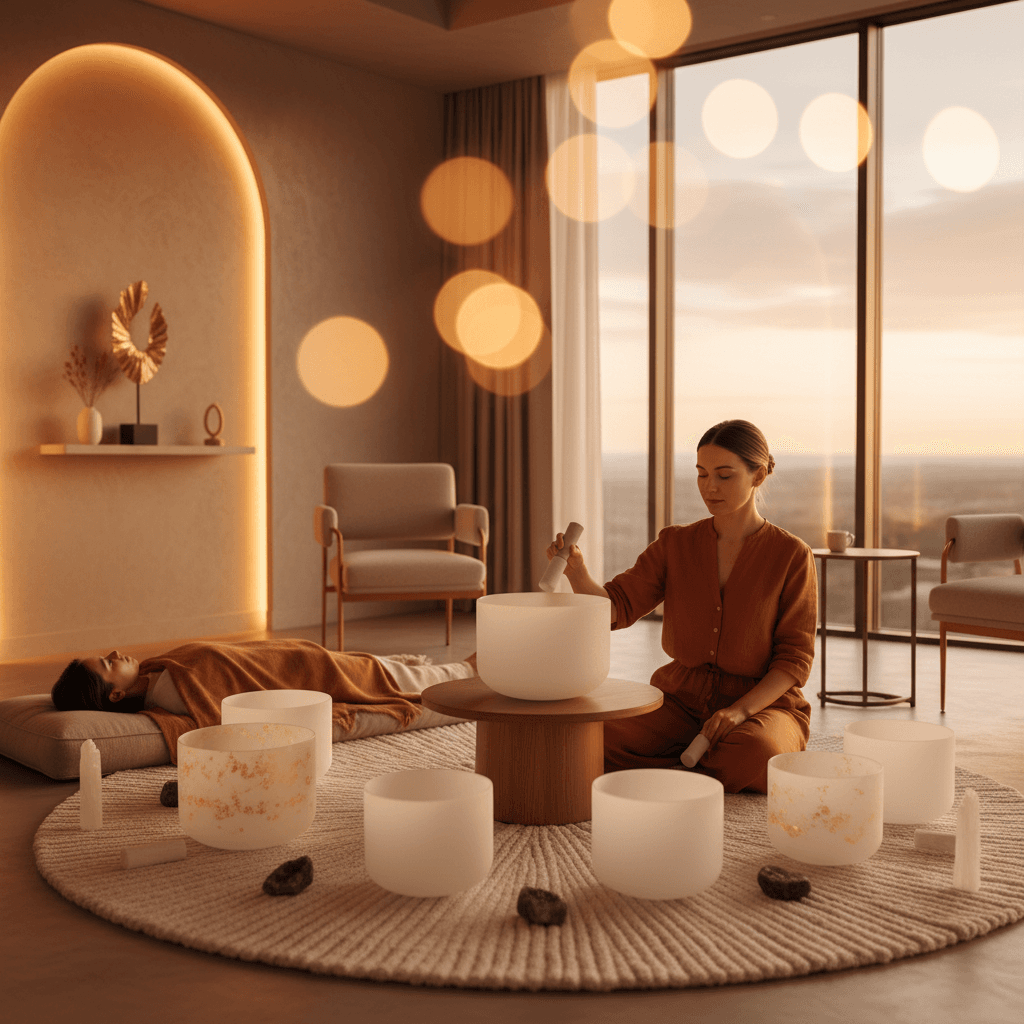
Unlocking Wellness: The Science of Sound Healing Research Design
Unlocking Wellness: Biomarkers for Effective Sound Therapy