Unlocking Wellness: Biomarkers for Effective Sound Therapy
Key Insights
Explore the scientific biomarkers that reveal sound therapy's profound impact on stress, mood, and physiological well-being at Soul Art Dubai.
Have you ever wondered if the calming embrace of a sound bath is truly making a tangible difference within your body? While the subjective experience of peace and relaxation is undeniably powerful, modern science is increasingly providing measurable insights into how sound therapy influences our physiological and psychological states. At Soul Art Dubai, founded by the visionary Larissa Steinbach, we believe in harmonizing ancient wisdom with contemporary scientific understanding.
This article delves into the fascinating world of biomarkers – the biological indicators that reveal the profound effects of sound on our well-being. We will explore how these measurable markers are helping us understand, validate, and refine the transformative power of sound wellness. Discover how this understanding can empower you to pursue more targeted and effective self-care practices.
The Science Explained: Decoding Sound's Impact on the Body
The human body is an intricate symphony of biological processes, constantly reacting to its environment. Sound, far from being just an auditory experience, creates vibrations that interact with our cells, tissues, and nervous system, eliciting measurable responses. Understanding these responses requires looking at specific biomarkers.
Biomarker development is a rigorous process, involving both method validation (proving an assay is reliable) and qualification (linking the biomarker to biological effects and clinical endpoints). This ensures that any observed changes are genuine and reproducible, laying a strong foundation for integrating sound wellness into holistic health practices. Just as blood pressure is a widely accepted cardiovascular biomarker, researchers are identifying similar objective measures for sound therapy.
Physiological Stress Markers
One of the most robust areas of research into sound therapy involves its impact on the body's stress response. Chronic stress can wreak havoc on our physical and mental health, and sound interventions offer a promising complementary approach to foster relaxation. Several key physiological biomarkers help quantify this effect.
Cortisol and Alpha-Amylase
Salivary cortisol, often referred to as the "stress hormone," is a primary biomarker for mental stress. Studies have shown that sound interventions, including music and non-musical acoustic stimuli, can lead to reductions in cortisol levels. Similarly, salivary alpha-amylase, an enzyme linked to sympathetic nervous system activity, also responds to stress and relaxation, with sound therapy often associated with its decrease. These changes indicate a shift from a "fight or flight" state towards a more restful "rest and digest" mode.
Heart Rate and Heart Rate Variability (HRV)
Heart rate (HR) and heart rate variability (HRV) are crucial indicators of autonomic nervous system balance. A lower resting heart rate and higher HRV are generally associated with better cardiovascular health, greater resilience to stress, and a well-regulated nervous system. Sound therapy often demonstrates a capacity to lower HR and improve HRV, suggesting an enhanced parasympathetic nervous system activity, which is responsible for relaxation and recovery. This physiological shift is a direct, measurable benefit of engaging with therapeutic sound.
Electrodermal Activity (EDA)
Electrodermal activity, also known as skin conductance response, measures changes in the electrical conductivity of the skin. This is directly influenced by the activity of sweat glands, which are innervated by the sympathetic nervous system. A decrease in EDA often correlates with reduced arousal and increased relaxation, making it another valuable biomarker for tracking the immediate calming effects of sound therapy. It provides real-time data on how the body's physiological arousal decreases during a session.
Neuroimaging Markers
Beyond peripheral physiological changes, advanced neuroimaging techniques are beginning to shed light on sound's influence within the brain itself. While still an evolving field, these markers can reveal changes in brain activity, connectivity, and even structural alterations that may be associated with prolonged engagement in sound wellness practices. For instance, functional MRI (fMRI) could potentially show altered brainwave patterns or increased activity in areas associated with emotional regulation and relaxation during sound exposure.
Cellular and Molecular Responses
The impact of sound extends even to the cellular level. Emerging research suggests that cells not only emit sounds but also react to external sounds. Studies have explored how low sound pressure level infrasound can promote osteogenesis (bone formation) and how infrasound may sensitize human glioblastoma cells to apoptosis (programmed cell death). This fascinating area hints at the potential for sound to directly influence cellular behavior and function, opening new frontiers for understanding its deeper biological mechanisms.
One study, for example, highlighted that sound resonance therapy (SRT) using vibro-acoustic apparatus could be highly effective for managing conditions like fibromyalgia. This therapy stimulates both auditory and somatosensory systems, potentially triggering long-term memory and allowing emotional processing. Such findings suggest that externally produced sounds are indeed capable of impacting internal biological systems in profound ways.
Vocal Biomarkers: A New Frontier in Mental Fitness
A particularly innovative area of biomarker research involves vocal biomarkers, which analyze speech patterns to infer mental and emotional states. AI models trained on vast voice datasets can differentiate between anxiety and depressive symptoms based on subtle acoustic and linguistic cues such as pitch, energy variability, speech rate, and pause duration. This represents a significant shift from traditional self-reported questionnaires, offering a scalable and non-invasive monitoring tool.
"The integration of voice analysis into digital health applications could support real-time, personalized interventions, reducing the burden on healthcare systems and offering continuous care for individuals in need."
Prospective cohort studies have demonstrated the practical deployment of vocal biomarkers in tracking mental health symptom severity. By aggregating various vocal features into a composite "Mental Fitness" score, individuals can receive real-time insights into their well-being. This non-medical score, analogous to physical fitness, aims to convey strength, resilience, and the ability to recover rapidly from challenges, all without the stigma often associated with mental illness. These advances are particularly exciting for continuous self-monitoring and personalized wellness strategies.
How It Works in Practice: Bridging Science and Experience
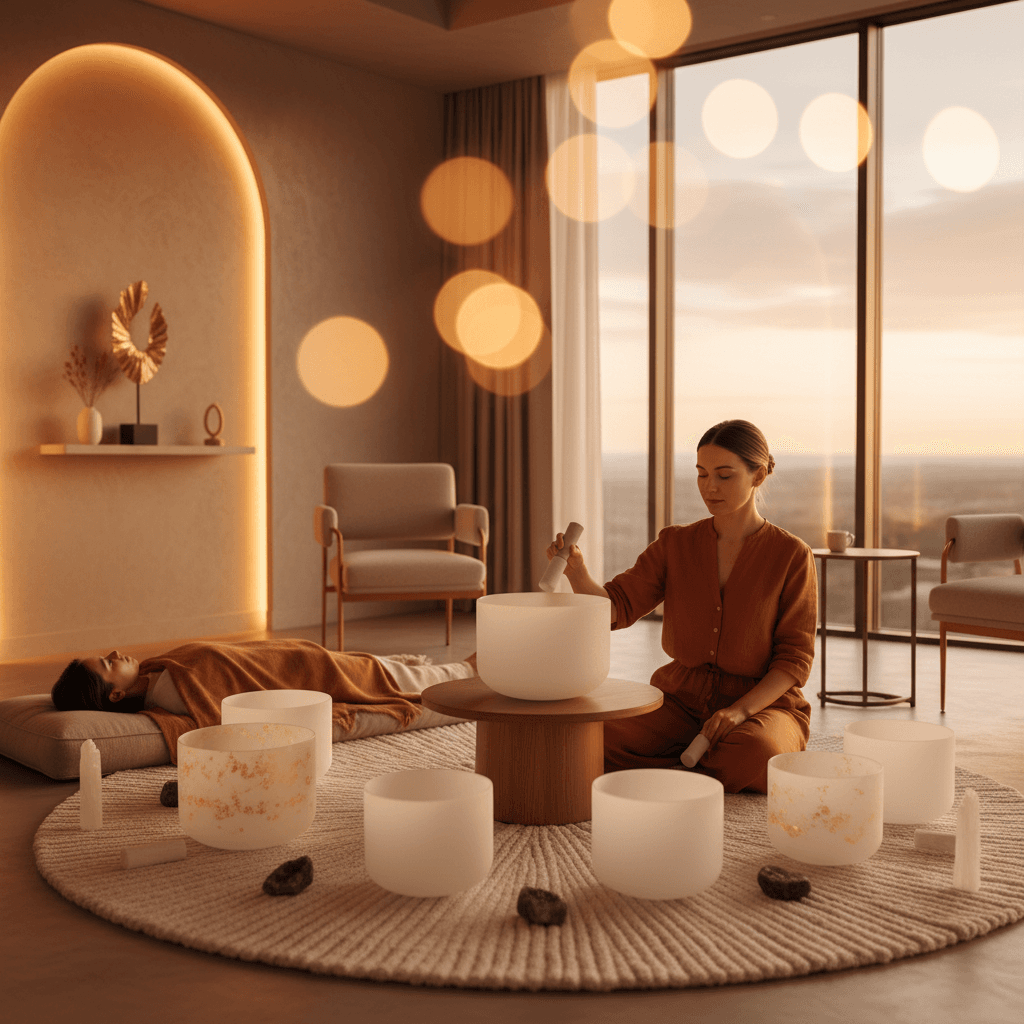
Connecting the scientific understanding of biomarkers to the lived experience of sound therapy offers a deeper appreciation for this wellness modality. When a client lies down for a sound bath at Soul Art, they are not just passively listening; their body is actively responding on multiple measurable levels. The gentle vibrations and harmonious tones initiate a cascade of physiological changes.
As the resonant frequencies wash over them, clients often report an immediate sense of calm and a softening of tension. This subjective experience aligns with the objective reduction in stress hormones like cortisol and an increase in heart rate variability. The instrumentally measurable body responses, such as a slower heart rate and decreased electrodermal activity, mirror the internal sensation of profound relaxation and peace. The intentional slowing of the breath often observed during sessions further supports these positive shifts in the autonomic nervous system.
The carefully chosen frequencies and sustained tones in a sound bath encourage the brain to shift into more relaxed brainwave states, such as alpha and theta waves. While these brainwave changes are typically measured with neuroimaging, the experiential counterpart is a feeling of deep meditation, creative flow, or even a serene semi-sleep state. Clients often describe a floating sensation, a dissolution of worries, and a profound sense of inner quiet. This immersive sensory experience is carefully curated to maximize its therapeutic potential.
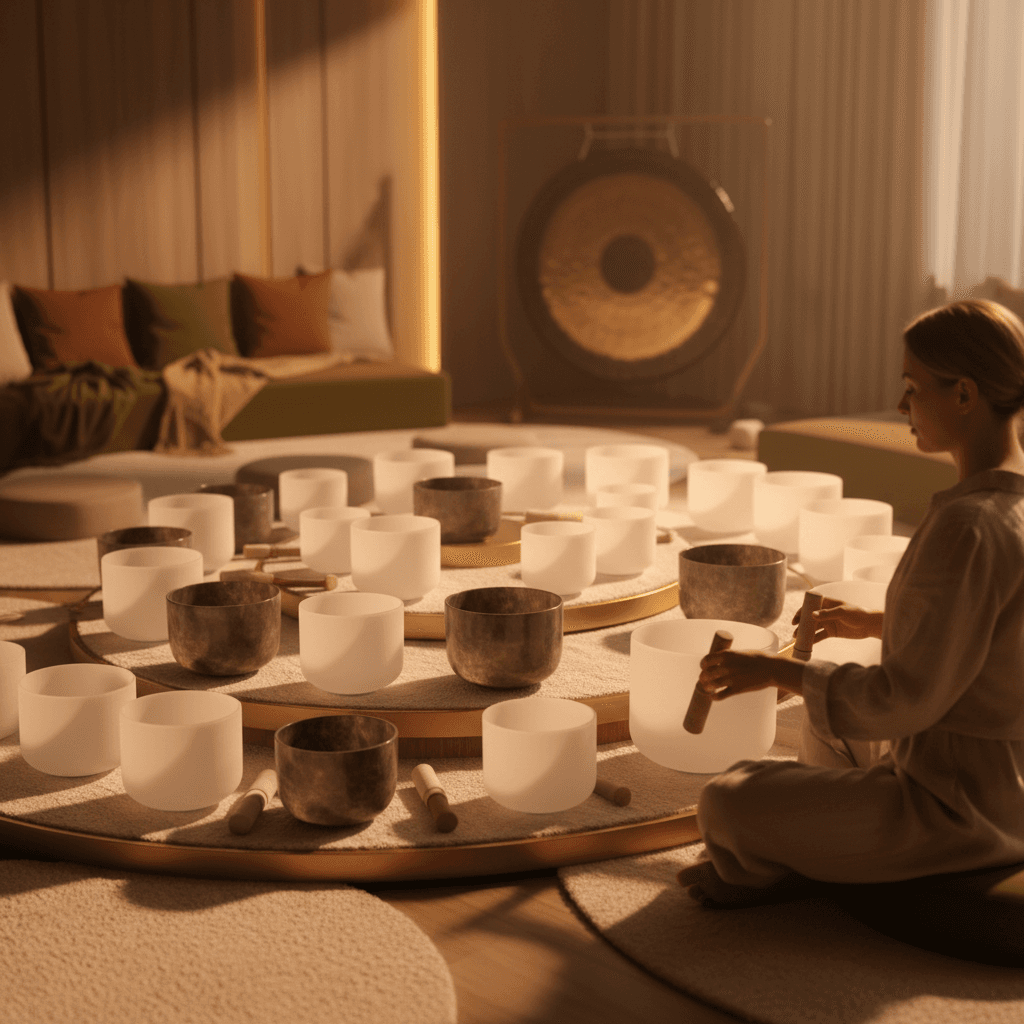
Furthermore, the physical vibrations transmitted through the body by singing bowls, gongs, and other instruments can create a gentle internal massage, stimulating cellular activity and promoting circulation. This subtle yet powerful interaction at the cellular level may contribute to reduced physical discomfort and an overall sense of revitalization, as suggested by research into cellular responses to sound. The deep resonance reaches beyond the auditory, engaging the very fabric of one’s being.
The Soul Art Approach: Larissa Steinbach's Harmonious Vision
At Soul Art Dubai, Larissa Steinbach integrates this scientific understanding with intuitive artistry to craft deeply transformative sound wellness experiences. Her approach goes beyond mere relaxation, aiming for profound nervous system regulation and holistic well-being. Larissa carefully selects instruments and techniques known to elicit specific physiological responses, informed by both ancient practices and contemporary research on biomarkers.
Larissa's method is unique in its emphasis on creating a deeply personalized and immersive sonic environment. She intuitively blends the ancient wisdom of Himalayan singing bowls, crystal singing bowls, gongs, and tuning forks with modern insights into frequency and resonance. Each session is meticulously designed to guide participants into optimal states of relaxation and inner harmony. The quality of sound, the duration, and the specific combinations of instruments are all precisely considered to facilitate the desired biomarker shifts.
For example, the deep, resonant vibrations of a large gong are known to powerfully influence heart rate and HRV, promoting deep relaxation and stress reduction. Crystal singing bowls, with their pure, sustained tones, may encourage meditative brainwave states and soothe the nervous system, impacting cortisol levels. Larissa also incorporates elements of vocal toning and specific soundscapes to engage a broader spectrum of physiological and emotional responses. This holistic approach helps to cultivate resilience, emotional balance, and physical rejuvenation.
Under Larissa Steinbach’s guidance, Soul Art offers not just a session, but a journey into self-discovery and restorative healing. The studio acts as a sanctuary where the hustle of daily life fades, replaced by an intentional space for internal recalibration. Clients are invited to release tension, quiet their minds, and allow the therapeutic frequencies to gently guide their bodies back into balance.
Your Next Steps: Integrating Sound Wellness into Your Life
Understanding the measurable impacts of sound therapy empowers you to be more intentional about your wellness journey. Even without personal access to advanced biomarker tracking, you can infer positive physiological shifts from your subjective experience of deep relaxation and renewed energy. Soul Art Dubai provides a sophisticated entry point into this world of evidence-informed wellness.
Here are some practical steps you can take today to integrate sound wellness into your self-care routine:
- Experience a Professional Sound Bath: Seek out certified practitioners, like Larissa Steinbach at Soul Art, who offer structured and intentional sound wellness sessions. Observe how your body feels before, during, and after a session – paying attention to your breath, heart rate, and overall mental clarity.
- Explore Guided Sound Meditations: Utilize high-quality guided meditations or ambient soundscapes designed for relaxation. Consistency is key, even short daily practices can support nervous system regulation and positively influence stress biomarkers over time.
- Incorporate Mindful Listening: Beyond formal sessions, practice mindful listening in your daily life. Notice how different sounds in your environment affect your mood and body. Choose calming sounds (nature, gentle music) to support your well-being and minimize exposure to jarring or stressful noises.
- Prioritize Rest and Recovery: Recognize that sound wellness is a powerful tool for promoting rest and recovery. Combine sound therapy with other self-care practices like adequate sleep, balanced nutrition, and gentle movement to amplify its benefits for your overall physiological balance.
- Be Attuned to Your Body's Signals: Learn to identify your own personal "biomarkers" – how stress manifests in your body (tension, rapid heart rate, anxious thoughts) and how relaxation feels (ease, deep breath, mental calm). Use sound as a tool to shift from stress responses to states of calm and well-being.
In Summary
The burgeoning scientific understanding of biomarkers offers compelling evidence for the profound effectiveness of sound therapy. From reducing stress hormones and enhancing heart rate variability to potentially influencing cellular function and providing insights into mental fitness via vocal analysis, sound is a powerful tool for holistic wellness. These measurable changes validate what many have long experienced: sound is not merely an auditory phenomenon but a deep physiological and psychological agent for balance.
At Soul Art Dubai, Larissa Steinbach expertly harnesses these principles to create transformative experiences, supporting clients in achieving profound relaxation and fostering greater resilience. By understanding the science, you can engage with sound wellness practices with greater intention and confidence. We invite you to explore the harmonious journey towards enhanced well-being at Soul Art, where ancient wisdom meets modern science for a truly elevated experience.
Bookings Coming Soon
Soul Art is still in preparation. Session details and booking will be published here after launch.
Coming Soon
Wellness Disclaimer: This article is for educational and informational purposes only. It does not constitute medical advice, diagnosis, or treatment. Soul Art Dubai provides non-medical wellness experiences focused on relaxation, stress management, and general wellbeing. Sound wellness is a complementary practice and should not replace professional medical care.
Related Articles

40 Hz Sensory Stimulation and Alzheimer's Research
Unlocking Wellness: The Science of Sound Healing Research Design

Bridging Inner Worlds: Objective & Subjective Measures in Wellness