Sound Resilience: Empowering Professors Amidst Academic Pressure and Noise
Key Insights
Professors battle academic pressure and classroom noise. Discover how sound wellness, a complementary practice by Soul Art Dubai's Larissa Steinbach, supports resilience and well-being.
Did you know that the very spaces designed for learning—university classrooms—often exceed national noise safety recommendations? This isn't just a minor annoyance; for professors, it's a significant stressor impacting their ability to teach, research, and thrive. A recent study revealed that professors perceive noise interference in their activities more acutely than students, highlighting a unique and often overlooked challenge for educators.
This constant auditory assault, coupled with the inherent demands of academic life, creates a unique crucible of pressure. At Soul Art Dubai, founded by Larissa Steinbach, we understand these intricate challenges. This article delves into the scientific underpinnings of how sound wellness, a sophisticated and holistic practice, may offer a powerful pathway to mitigate the profound effects of academic pressure and environmental noise on professors.
We'll explore the science behind noise and stress, demonstrate how targeted sound interventions work, and reveal how our bespoke approach can help cultivate resilience, clarity, and profound well-being for academics. This journey is not about silence, but about finding harmony amidst the clamor, fostering a sustainable path for those dedicated to higher education.
The Unseen Burden: Academic Noise and Pressure
The academic environment, while intellectually stimulating, often presents a unique set of stressors for professors. From demanding research schedules to the pressure of publishing and the daily responsibilities of teaching, educators navigate a complex landscape. Compounding these intellectual pressures is an often-overlooked environmental factor: noise.
The Silent Saboteur: Classroom Noise Pollution
Research consistently highlights that noise levels in university classrooms frequently exceed recommended national legislation values. A study conducted at the Institute of Biological and Health Sciences in Brazil observed that morning shifts and first-floor classrooms experienced the highest noise measurements. This pervasive background noise is not merely an inconvenience; it's a significant impediment to the core activities of teaching and learning.
Professors, in particular, demonstrated a greater perception of noise interference in their activities compared to students. This heightened awareness suggests that educators bear a disproportionate burden from environmental noise. Constant exposure to unwanted sound forces the brain to expend precious energy filtering it out, leading to cognitive fatigue, reduced focus, and impaired decision-making capabilities. This subtle yet persistent battle against background noise can significantly diminish a professor's capacity for complex thought, articulate communication, and deep engagement with their subject matter.
The Weight of Expectations: Understanding Academic Pressure
Beyond environmental factors, professors face immense academic pressure, defined as the tension, discomfort, and other emotions caused by expectations from school, family, and society in the learning process. While much of the research on academic pressure focuses on students, its principles extend significantly to those in higher education. Professors grapple with the continuous demand for scholarly output, administrative duties, mentoring students, and delivering engaging lectures—all under the scrutiny of peers and institutions.
This pressure can have a profound impact on physical and mental health. Physiological parameters are often used as biological markers to objectively measure stress and its intensity. Studies reveal that chronic academic stress can significantly impact the cardiovascular system, leading to increased heart rate, elevated blood pressure, and reduced heart rate variability, indicating a dominance of the sympathetic autonomic stress response.
The brain's prefrontal cortex (PFC), responsible for executive functions like planning, decision-making, and cognitive control, is also deeply involved in how we manage stress. While increased PFC activity may enhance focus during cognitive reappraisal, prolonged stress can impair its optimal function, making it harder for professors to concentrate, solve problems, and think critically.
The Body's Response: A Cascade of Stress
The confluence of persistent environmental noise and the high intellectual demands of academia creates a perfect storm for chronic stress. Persistent noise acts as a constant stressor, triggering the body’s innate fight-or-flight response. This, combined with the unyielding academic expectations, keeps the sympathetic nervous system on high alert.
This prolonged state of hyper-vigilance leads to a cascade of physiological responses. Elevated cortisol levels, increased heart rate, and sustained muscle tension become the norm. Over time, this chronic stress can contribute to profound mental fatigue, emotional exhaustion, and even impact physical health. The goal of complementary wellness practices, such as sound wellness, is to gently guide the body out of this sustained hyper-vigilant state and into a parasympathetic dominance—the "rest and digest" state essential for repair and restoration.
How It Works in Practice
Moving beyond the challenges, how can sound truly make a tangible difference for overworked professors? Sound wellness practices leverage the inherent, profound connection between auditory input and the nervous system. This approach is not about masking noise but about introducing specific, therapeutic sounds to create a state of internal harmony.
Sound is fundamentally vibration, and these vibrations, when intentionally crafted and delivered, can interact with our physiological systems at a cellular level. When resonant frequencies are introduced, they may help the body shift from a stressed, sympathetic state to one of deep relaxation and parasympathetic activation. This shift is critical for mental and physical restoration.
Gentle, rhythmic, and resonant sounds have been observed to encourage the brain to shift from active, alert beta brainwave states to more relaxed alpha states, and even deeper, restorative theta states, akin to profound meditation or the verge of sleep. This transition allows the mind to quieten, reducing the incessant mental chatter that often accompanies academic pressure.
Furthermore, certain sound frequencies, particularly those found in classical or meditative instrumental music, may gently stimulate the vagus nerve. The vagus nerve is a crucial component of the parasympathetic nervous system, responsible for calming the body, regulating heart rate, and promoting feelings of peace and well-being. Research supports the impact of specific sound interventions:
- A study by Umemura and Honda (1998) found that classical music may promote relaxation by influencing heart rate variability compared to rock music or noise.
- Chafin et al. (2004) indicated that listening to classical music may improve blood pressure recovery after a stressful task compared to silence or other music styles.
- Labbé et al. (2007) showed that listening to classical or self-selected relaxing music reduces anxiety, anger, and physiological arousal after stress compared to heavy metal music or silence.
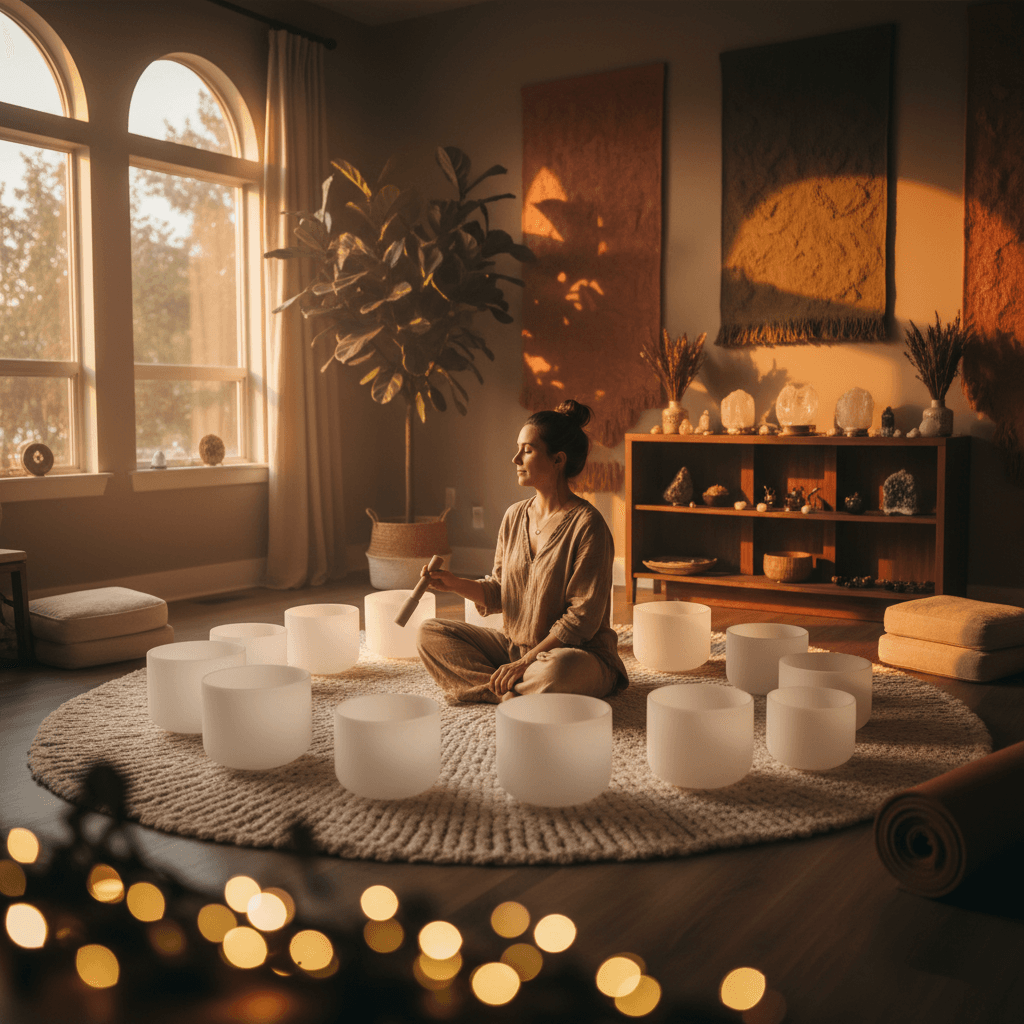
The experience in a sound wellness session is immersive and non-invasive. Clients typically lie comfortably, surrounded by carefully chosen resonant sounds. The body absorbs these vibrations, creating an internal resonance that encourages a deep release of tension. Many people report a profound sense of calm, mental clarity, and emotional release following a session. It’s a dedicated period for the nervous system to recalibrate, much like a mental reboot, which may support improved focus, enhanced problem-solving abilities, and a renewed sense of well-being—all crucial for navigating complex academic tasks.
It's important to differentiate this from merely listening to background music while working. While some instrumental music may support concentration, as noted by Healthline, sound wellness is an immersive experience designed for specific restorative outcomes, not as a subtle backdrop to intellectual activity. The intentionality and specific frequencies are key to its efficacy as a stress management tool.
The Soul Art Approach
Soul Art Dubai was founded by Larissa Steinbach with a profound understanding of the human need for tranquility amidst modern life's relentless pressures. Her approach to sound wellness is rooted in a blend of ancient wisdom and contemporary scientific understanding, tailored to address the unique stressors faced by professionals, including university professors.
The Soul Art method is not merely about playing instruments; it’s about curating a deeply personalized soundscape designed to meet individual needs. Larissa and her team meticulously create environments where professors can truly disconnect from external stressors and reconnect with their inner calm. This bespoke experience allows for a profound sense of release and renewal.
We utilize a sophisticated array of instruments, each selected for its unique vibrational quality and ability to foster deep relaxation. This includes the resonant depths of Tibetan singing bowls, known for their rich, sustained tones; the expansive, transformative vibrations of gongs; the delicate, ethereal shimmer of chimes; and the precise, therapeutic frequencies of tuning forks. These are not just tools, but conduits for facilitating profound relaxation and nervous system rebalancing.
Each session at Soul Art is a guided journey into deep relaxation, where the intricate layering of sounds encourages the mind to quieten and the body to release accumulated tension. The aim is to facilitate a rebalancing of the nervous system, reduce the impact of chronic stress, and foster a state of profound peace. This complementary approach may support professors in mitigating the physiological and psychological effects of noise and academic pressure.
Soul Art views sound wellness as a vital component of holistic self-care. It’s a sanctuary where professors can find respite from the intellectual demands and environmental cacophony of their daily lives, helping them return to their work with renewed vigor, enhanced mental clarity, and greater overall resilience. The experience at Soul Art is designed to embody quiet luxury—a sophisticated, serene, and deeply restorative environment that respects the intelligence and discerning needs of our clients.
Your Next Steps
Recognizing the pervasive nature of academic pressure and environmental noise is the first step towards proactive self-care. Integrating mindful practices into your daily routine can significantly enhance your well-being.
Here are some actionable steps professors can implement today:
- Cultivate Mindful Pauses: Integrate short, intentional breaks throughout your day. Even five minutes of focused breathing or a brief moment of silence can help reset your nervous system and combat mental fatigue.
- Curate Your Auditory Environment: When possible, seek out quiet spaces for focused work or use high-quality noise-canceling headphones to reduce distracting sounds. Explore ambient instrumental music or nature sounds for periods of concentration, as some research suggests this may support focus without the distraction of lyrics.
- Prioritize Restorative Sleep: Ensure you are getting adequate, high-quality sleep. Sound wellness practices may assist in preparing your body and mind for deeper, more restorative rest, which is crucial for cognitive function and stress recovery.
- Integrate Movement: Regular physical activity can be a powerful antidote to stress. Movement helps to metabolize stress hormones, improves circulation, and can significantly enhance mood and mental clarity.
- Explore Sound Wellness: Consider experiencing a professional sound wellness session. It’s a dedicated time for your mind and body to release accumulated tension and recalibrate, offering a unique opportunity for profound relaxation and nervous system support.
Soul Art Dubai, led by Larissa Steinbach, offers a unique sanctuary designed to help you navigate academic pressures with greater ease and resilience.
In Summary
University professors face a double-edged sword: the intense cognitive demands of their roles coupled with pervasive classroom noise that actively interferes with their teaching and well-being. This constant exposure to environmental and academic stressors can lead to significant pressure, impacting both mental and physical health. It can deplete energy reserves and compromise the ability to perform at peak intellectual capacity.
Sound wellness, through its ability to gently guide the body into parasympathetic dominance and promote restorative brainwave states, offers a powerful, non-invasive method to counteract these effects. It provides a unique pathway for deep relaxation and nervous system recalibration. At Soul Art Dubai, Larissa Steinbach’s expertly curated sound experiences provide a vital sanctuary. They may support professors in achieving deep relaxation, reducing stress, and enhancing mental clarity, fostering greater resilience in their demanding careers.
Embrace this complementary approach to holistic well-being and discover how intentional sound can transform your academic journey, allowing you to flourish amidst the challenges of your profession.
Bookings Coming Soon
Soul Art is still in preparation. Session details and booking will be published here after launch.
Coming Soon
Wellness Disclaimer: This article is for educational and informational purposes only. It does not constitute medical advice, diagnosis, or treatment. Soul Art Dubai provides non-medical wellness experiences focused on relaxation, stress management, and general wellbeing. Sound wellness is a complementary practice and should not replace professional medical care.
Related Articles
Chefs: Mastering Kitchen Pressure Through Sound Wellness
Sound for Death Workers: Managing Stress for Funeral Directors
Sound Wellness: Respite for Retail's Customer-Facing Heroes