Harmonizing Minds: How Sound Practice Elevates Musical Learning & Cognition
Key Insights
Explore the profound science behind how consistent sound practice enhances musical learning, boosts cognitive skills, and refines auditory processing for a sharper mind, courtesy of Soul Art Dubai.
Compelling Introduction
Imagine a practice that doesn't just sharpen your musical ear but also profoundly enhances your verbal communication, reading abilities, and overall cognitive function. This might sound surprising, suggesting that the rhythm of a drum or the hum of a singing bowl could offer more than mere entertainment or relaxation. Indeed, groundbreaking scientific research is increasingly revealing the deep, interconnected web between active engagement with sound and the brain's capacity for learning across various domains.
This article delves into the fascinating world of sound for musical learning, exploring how consistent practice with auditory stimuli can fundamentally reshape our neural pathways. We will uncover the scientific mechanisms at play, understand their practical implications, and see how pioneering centers like Soul Art, founded by Larissa Steinbach, are harnessing these insights. By the end, you will gain a new appreciation for how sound can be a powerful, holistic tool for enhancing your mental acuity and creative expression, contributing significantly to your overall well-being.
The Science Explained
The human brain is an incredibly malleable organ, constantly adapting and reorganizing itself based on our experiences. Music and active engagement with sound provide a rich, multi-sensory experience that demonstrably influences brain plasticity, particularly within the auditory system and its connections to higher cognitive functions. This neural tuning has far-reaching implications, extending well beyond just playing an instrument.
Auditory Function and Brainstem Malleability
At the core of sound’s impact is the brainstem, a region once thought to merely relay sensory information. However, contemporary research, notably from Northwestern University, reveals its profound malleability. Musicians, for instance, demonstrate enhanced basic sound encoding mechanisms within the brainstem that are also crucial for speech processing. This specialized neural system allows for super-accurate pitch coding, vital for recognizing nuances in speech like identity and emotional intent, and for transcribing timbre and timing cues common to both music and spoken language.
Dr. Nina Kraus, a leading researcher, emphasizes that "the study underscores the extreme malleability of auditory function by music training and the potential of music to tune our neural response to the world around us." This means that engaging with music isn't just about listening; it actively reconfigures the neural gateway to the brain, enhancing fundamental processing abilities that underpin various forms of learning. When we interact with sound, our brain's capacity to decode and interpret auditory information becomes significantly refined, creating a more robust foundation for learning.
Music Training and Enhanced Verbal Skills
The implications of this enhanced auditory processing extend directly to verbal communication and literacy. Previous research has identified brainstem transcription errors in some children with literacy disorders. The revelation that musical training can cultivate a "specialized neural system" for processing sight and sound suggests a powerful link. Musicians engage all their senses – watching, reading, feeling, hearing, and performing – creating a multi-sensory process that directly enhances the same communication skills required for speaking and reading.
A Northwestern University study concluded that music training, with its pervasive effects on the nervous system's ability to process sight and sound, may even be more important for enhancing verbal communication skills than solely learning phonics. Furthermore, studies like Carlson et al. (2004) observed statistically significant positive impacts on both sight-word recognition and reading comprehension in third-grade students who participated in vibroacoustic music sessions. For children initially reading below grade level, such interventions often led to improvements to or above grade level, showcasing the significant potential of sound engagement as a complementary learning tool.
The Power of Active Engagement
While listening to music offers its own benefits, the scientific evidence strongly suggests that actively making music matters even more for neurophysiological changes. A study comparing active music practice with music appreciation classes alone, particularly in at-risk children, found that active training was associated with faster neural timing and more robust neural encoding of speech harmonics. This highlights a crucial distinction: passive listening, while enjoyable, does not activate the brain in the same transformative way as direct, hands-on engagement.
Comparisons with other activities, such as painting or intense physical education, have further solidified the unique benefits of active music making. Only musical training consistently demonstrated neurophysiological and behavioral enhancements, including improvements in neural timing in response to speech. These changes are vital aspects of nervous system functions that are directly linked to reading abilities and overall learning, suggesting that music training can indeed generalize to literacy skills and broader cognitive improvements. The act of producing sound, whether through an instrument or voice, creates a powerful feedback loop that refines auditory perception and motor control, strengthening neural pathways essential for all forms of learning.
Intentions, Perceptions, and Imagery in Practice
Effective skill learning in any domain, including music, hinges on several critical processes: the clarity of intentions, the accuracy of perceptions of outcomes, and the capacity to make comparisons between the two. When practicing music, learners set an intention—perhaps to play an accent or remember a key signature. They then execute, and crucially, listen to the outcome, comparing it against their initial auditory image. This continuous feedback loop is fundamental.
The ability to generate clear auditory and motor imagery significantly influences music learning during both encoding and retrieval. Musicians often form vivid "auditory images" of how a piece should sound before they even play it, and then refine their performance by comparing the actual sound to this internal image. This sophisticated internal practice, combined with the external act of sound production and listening, strengthens procedural memory formation and refinement. It's a continuous process of self-correction and refinement, deeply engaging the cognitive mechanisms involved in planning, executing, and evaluating, all of which are transferable to other complex learning tasks.
How It Works in Practice
Translating these scientific insights into a tangible experience involves cultivating an environment where individuals can engage deeply with sound. It moves beyond passive listening, inviting a more active, multi-sensory connection to auditory stimuli that encourages the brain’s natural capacity for plasticity and learning. This isn't just about becoming a better musician; it's about refining the very tools the brain uses to understand the world.
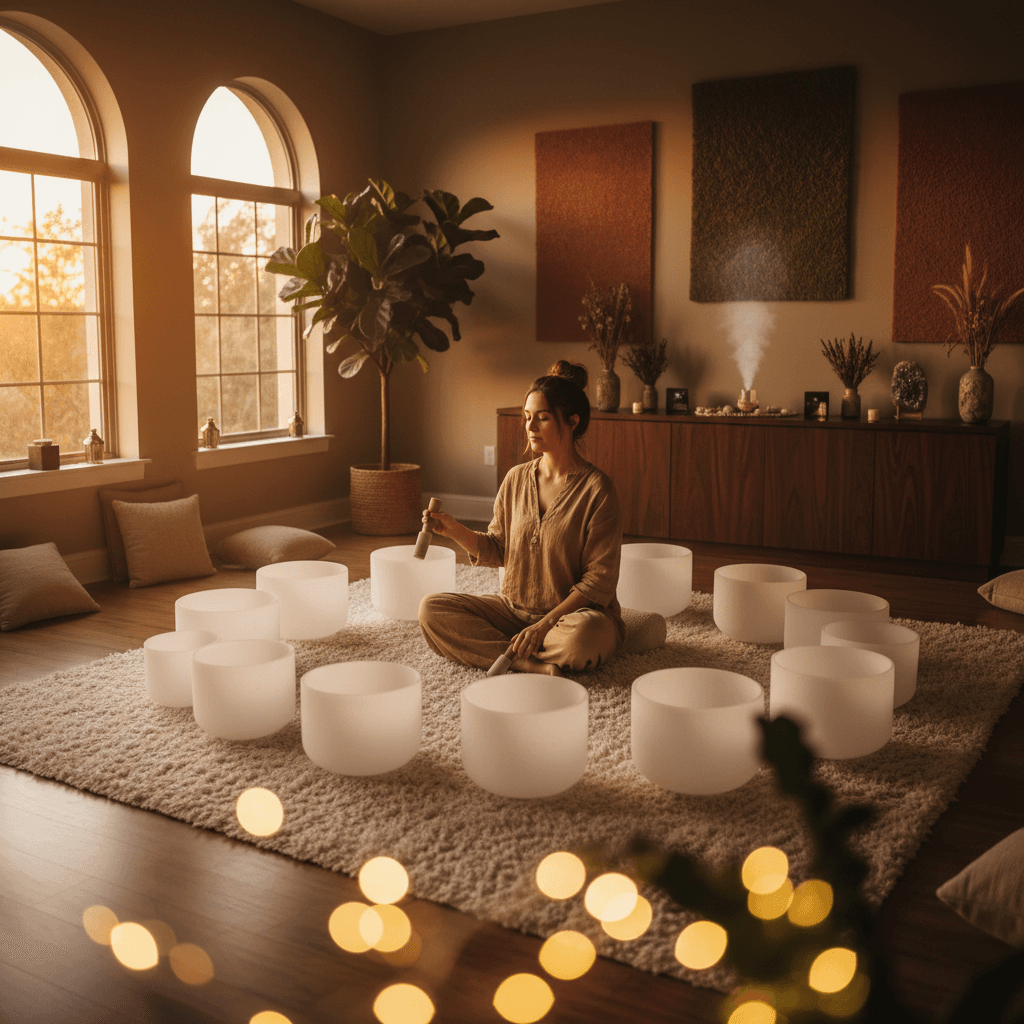
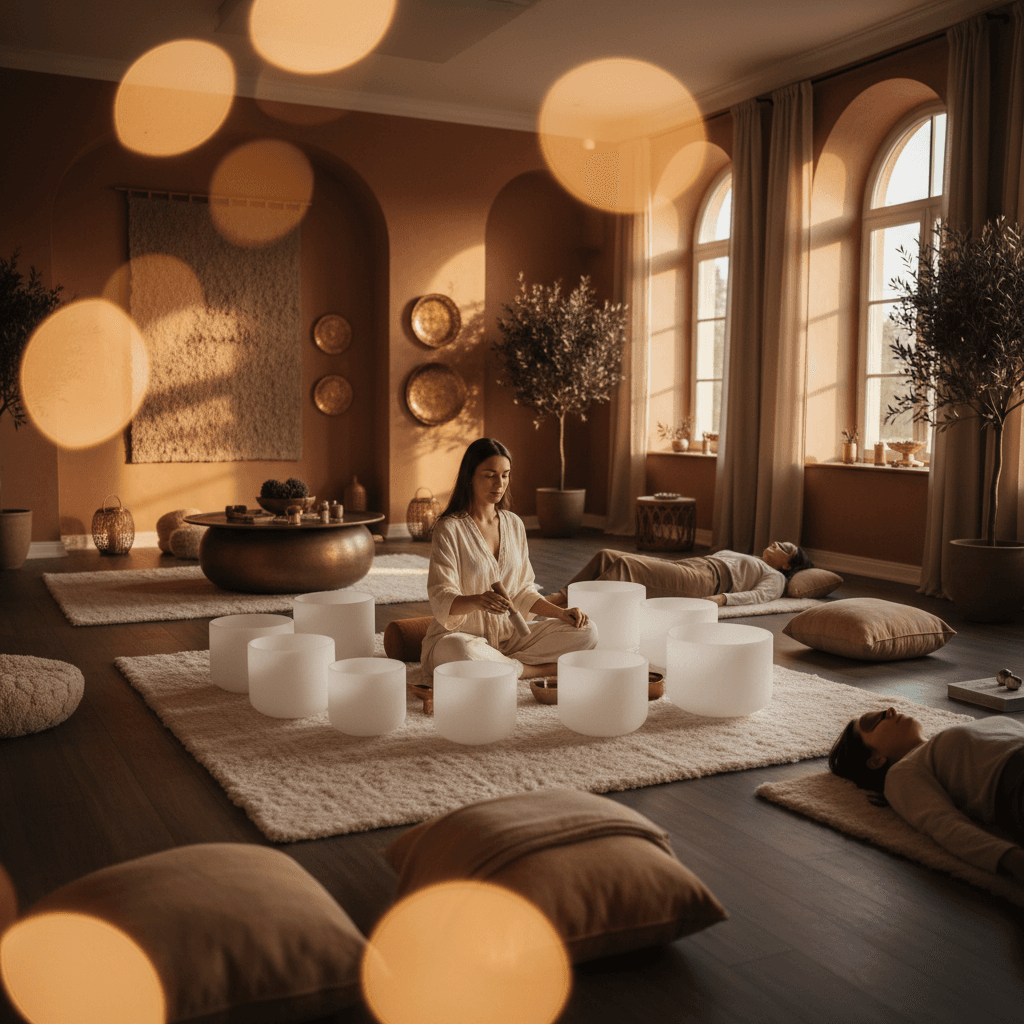
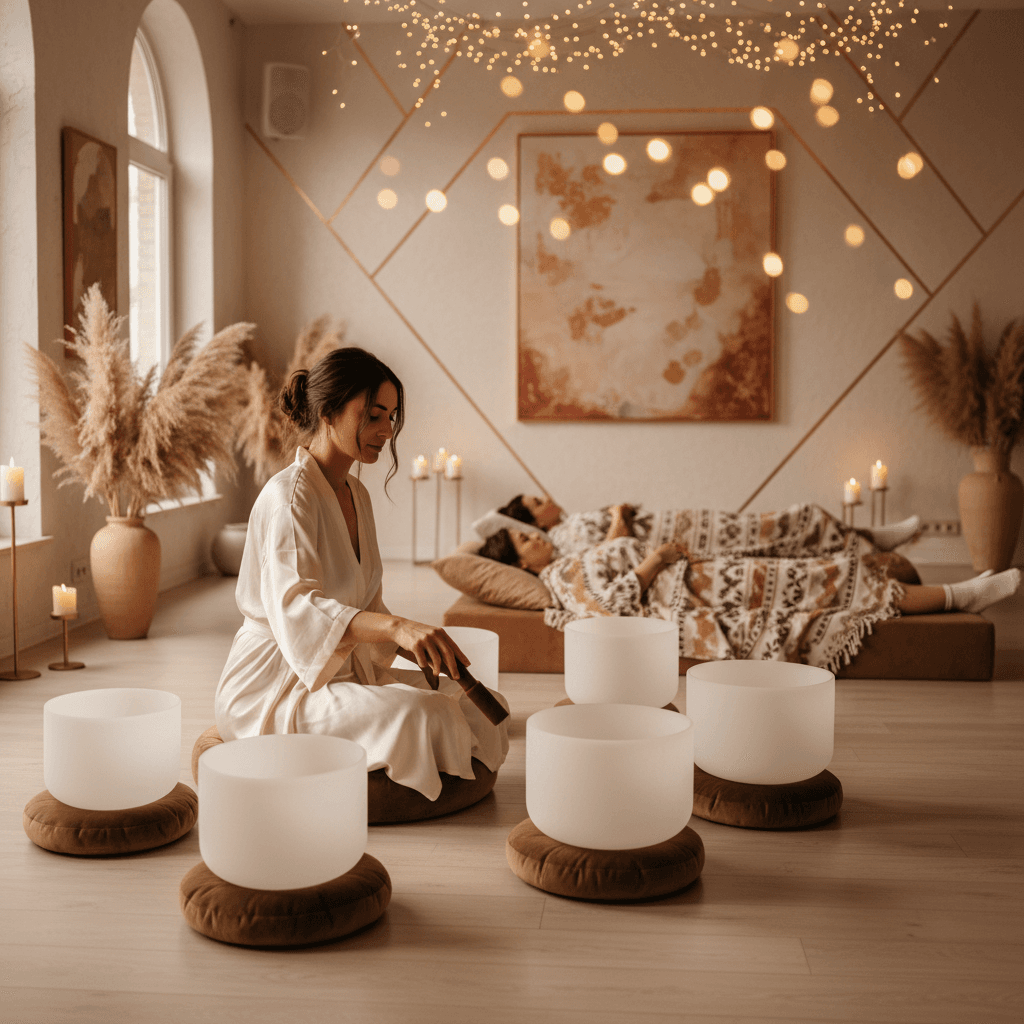
During sound practice sessions, clients at Soul Art might experience a variety of sensations. They may not just hear the vibrations of a singing bowl or gong, but also feel them resonate through their body, an experience similar to the vibroacoustic chairs used in research studies that showed improved reading performance. This multi-sensory input – auditory, tactile, and kinesthetic – creates a richer, more immersive learning environment. The body and mind become highly attuned to subtle shifts in frequency, timbre, and rhythm.
The guided sessions encourage focused, intentional listening. This means directing attention not just to the dominant melody but to the intricate layers of sound, the decaying echoes, and the spaces between notes. This heightened awareness directly translates to improved auditory discrimination – the ability to differentiate between similar sounds, a skill critical for discerning phonemes in speech, understanding accents, and even filtering out background noise. Many people report that after consistent engagement, everyday sounds become richer and more defined, reflecting a re-tuned auditory system.
Moreover, the structured, yet fluid, nature of sound practice facilitates the development of cognitive skills like pattern recognition, sequencing, and memory recall. As the brain anticipates and processes sonic patterns, it strengthens the neural pathways responsible for these functions. The act of engaging with complex auditory information—whether internalizing a rhythm, matching a pitch, or constructing an auditory image—is a potent form of mental exercise. Clients often describe a profound sense of mental clarity, enhanced concentration, and an improved ability to retain new information, effects that ripple into their daily lives and other learning pursuits.
"The true symphony of learning unfolds not just in what we hear, but in how deeply we listen, how meticulously we engage, and how consciously we allow sound to sculpt the very architecture of our understanding."
This holistic engagement with sound fosters a state of flow, a deep immersion where time seems to dissolve, and learning occurs effortlessly. It primes the brain for sustained, focused, and purposeful effort—characteristics that research identifies as hallmarks of effective skill development. The combination of clear intention (what sound to produce or perceive), accurate perception (was the sound as intended?), and continuous adjustment creates a powerful feedback loop that refines both auditory processing and cognitive control. This isn't just a relaxation technique; it's a dynamic training for the brain.
The Soul Art Approach
At Soul Art, Larissa Steinbach understands that sound is a fundamental language of the universe, and its intelligent application can unlock profound cognitive and creative potential. The Soul Art method is built upon these scientific principles, offering a refined, intentional approach to sound wellness that goes beyond simple relaxation to actively support mental development and learning. Larissa Steinbach’s vision is to create a sanctuary where the sophisticated power of sound can be experienced in its purest, most transformative form.
What makes the Soul Art method truly unique is its emphasis on personalized, guided engagement designed to optimize neural responses. Sessions are meticulously crafted to stimulate the auditory system in ways that promote brain plasticity, enhance sound encoding, and strengthen the neural networks responsible for higher-order cognitive functions. Larissa Steinbach ensures that each session cultivates a mindful connection with sound, encouraging clients to move from passive listening to active, conscious reception and internal processing.
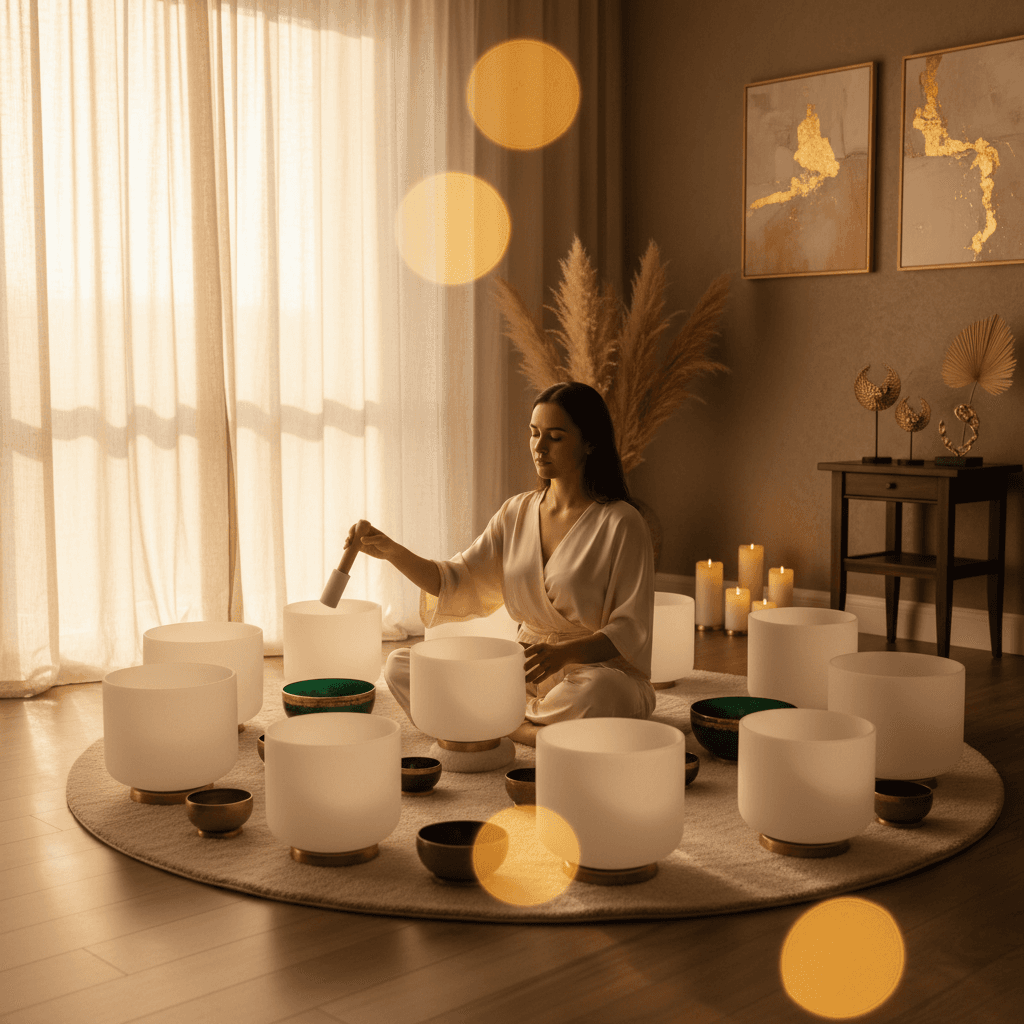
We utilize a curated selection of instruments, each chosen for its specific acoustic properties and vibrational qualities. This includes the resonant depths of Nepalese and Tibetan singing bowls, the expansive waves of gongs, the delicate chimes, and precise tuning forks. These instruments are not merely played; they are orchestrated to create a soundscape that guides the brain through varying frequencies and complex auditory patterns. This rich auditory environment mimics the multi-sensory engagement that research suggests is critical for cognitive enhancement.
For example, the sustained tones and intricate overtones of singing bowls may encourage the brain to refine its pitch discrimination and timbre analysis. The rhythmic pulses generated can synchronize brainwave activity, potentially fostering states conducive to focused learning and memory consolidation. By intentionally exposing clients to these varied sonic textures, Soul Art aims to "tune" the nervous system, improving its ability to process complex auditory information, which in turn may support language acquisition, reading comprehension, and overall mental agility. Our goal is not just to offer a serene experience, but to provide a sophisticated wellness practice that gently but effectively primes the brain for optimal learning.
Your Next Steps
Harnessing the power of sound for enhanced learning is an accessible journey, whether you're a seasoned musician or someone simply curious about optimizing your cognitive abilities. Integrating intentional sound practices into your daily life may offer remarkable benefits for your focus, memory, and overall mental sharpness. The key lies in consistent, conscious engagement.
Here are a few actionable steps you can implement today to begin your journey:
- Practice Mindful Listening: Dedicate a few minutes each day to simply listen to your environment. Pay attention to the layers of sound, distinguishing individual elements, their pitch, rhythm, and timbre. This simple act can sharpen your auditory discrimination.
- Explore Active Sound Engagement: Consider taking up a musical instrument, even if just for short, regular practice sessions. The act of producing and refining sound actively engages the brain's plasticity, offering profound cognitive benefits as highlighted by scientific studies.
- Create a Sonic Learning Environment: Integrate calming, focused soundscapes (e.g., binaural beats, nature sounds, or ambient music designed for focus) into your study or work routine. Some preliminary studies indicate such backgrounds may support concentration and retention.
- Engage with Vibrational Sound: Explore instruments like singing bowls or tuning forks. Even a brief, self-guided session, focusing on the tactile sensation of vibrations as well as the sound, can offer a powerful multi-sensory experience that primes the brain.
- Seek Guided Sound Wellness: For a deeper, expertly guided experience, consider booking a session at a dedicated sound wellness studio. Professionals like Larissa Steinbach at Soul Art can curate experiences specifically designed to harness sound's potential for cognitive enhancement and deep relaxation, helping you cultivate an optimal state for learning and well-being.
In Summary
The journey into sound for musical learning unveils a profound scientific truth: our engagement with auditory experiences profoundly shapes our cognitive landscape. From the brainstem's remarkable malleability to the measurable enhancements in verbal skills and literacy, consistent sound practice is more than a creative pursuit; it is a powerful catalyst for neuroplasticity. Active participation in sound not only refines our auditory processing but also bolsters core cognitive functions like attention, memory, and analytical thought.
Soul Art, under the guidance of Larissa Steinbach, stands at the forefront of this wellness revolution, offering bespoke sound experiences designed to harmonize mind and spirit. By embracing a sophisticated approach to sound, we invite you to unlock your brain’s latent potential, fostering a clearer mind, sharper focus, and an elevated capacity for learning. Discover how the subtle power of sound can tune your nervous system and expand your mental horizons.
Bookings Coming Soon
Soul Art is still in preparation. Session details and booking will be published here after launch.
Coming Soon
Wellness Disclaimer: This article is for educational and informational purposes only. It does not constitute medical advice, diagnosis, or treatment. Soul Art Dubai provides non-medical wellness experiences focused on relaxation, stress management, and general wellbeing. Sound wellness is a complementary practice and should not replace professional medical care.