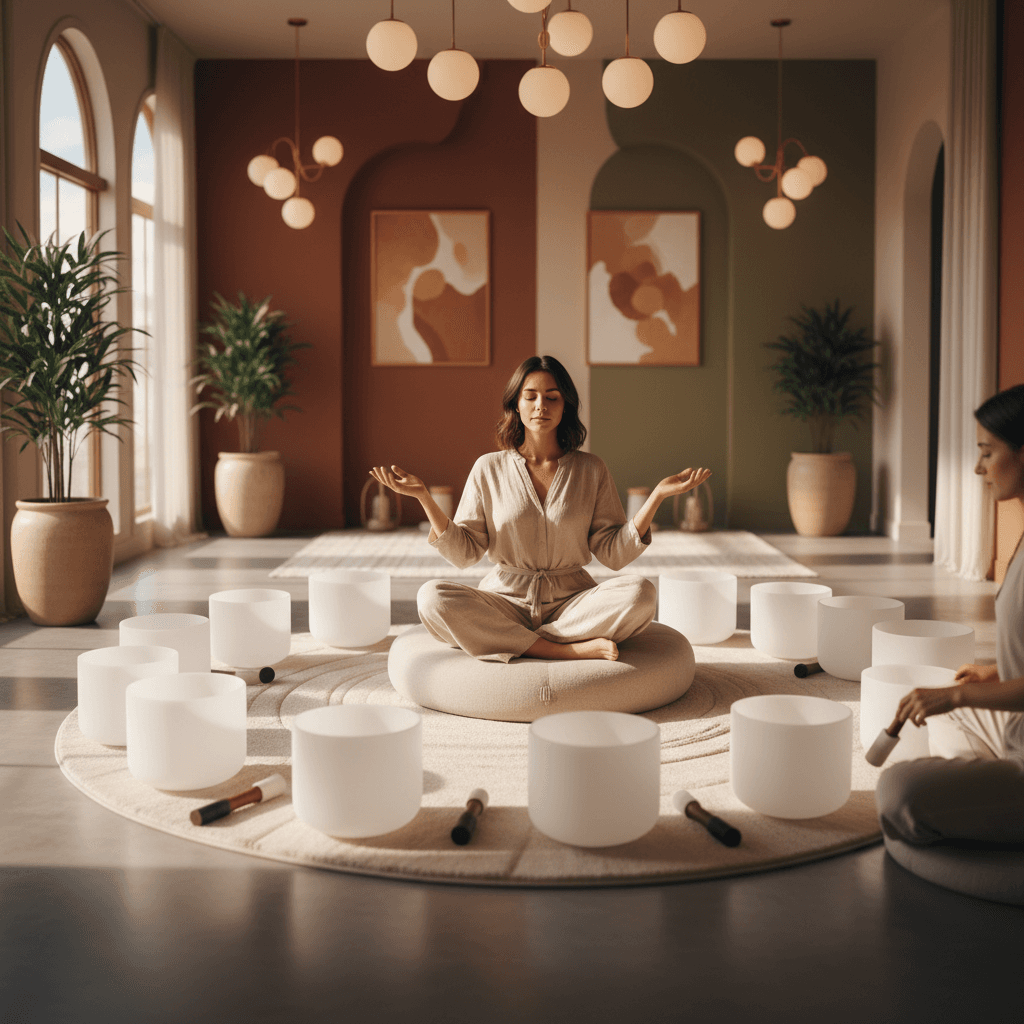
Nurturing Post-Surgery Recovery for Seniors: A Holistic Sound Wellness Approach in Dubai

Key Insights
Discover how sound wellness and ERAS may support senior post-surgery recovery, reducing stress and enhancing well-being at Soul Art Dubai with Larissa Steinbach.
Imagine emerging from a major surgery, anticipating a swift return to your vibrant life, only to find the path ahead far more challenging than expected. For many older adults, this is a surprising reality. A national study, led by a St. Michael’s Hospital researcher, revealed a sobering statistic: more than 1 in 6 older adults face new disabilities, or even death, within six months of major surgery. This figure can increase to 1 in 5 after one year, painting a clear picture of the profound impact surgery can have on senior well-being.
This underscores a critical need for comprehensive support during post-surgery recovery for seniors, extending far beyond the operating theatre. At Soul Art, Dubai’s premier sound wellness studio founded by Larissa Steinbach, we understand that true healing encompasses the body, mind, and spirit. While medical interventions are paramount, complementary wellness practices may play a vital role in supporting the body's natural healing mechanisms and enhancing overall quality of life during this crucial period. This article delves into the science of recovery and how sound wellness, as a complementary approach, may support older adults in regaining their independence and vitality.
The Science Explained: Nurturing Recovery Through the Nervous System
Surgery, while often life-saving, is a profound physiological stressor. For older adults, whose bodies often possess reduced physical reserves and may be managing concomitant diseases, this stress can be particularly taxing. Understanding the body’s response to surgery and how modern medical approaches, alongside complementary wellness, can mitigate its impact is key to supporting robust recovery.
The Silent Toll of Surgery: Stress and the Elderly Body
When the body undergoes surgery, it interprets it as a significant injury. This triggers a robust stress response, activating the sympathetic nervous system – our "fight or flight" mechanism. Hormones like cortisol and adrenaline flood the system, leading to increased heart rate, blood pressure, and inflammation. While this response is initially protective, prolonged activation can hinder healing, suppress the immune system, and deplete energy reserves, which are already limited in older, frail patients.
Research highlights that this physiological stress can contribute to significant functional decline. The "Functional Improvement Trajectories After Surgery" (FIT After Surgery) study found that 1 in 6 older adults experienced new disability or death at six months post-major non-cardiac surgery, increasing to 1 in 5 by one year. This decline can manifest as difficulty with basic Activities of Daily Living (ADLs) such as bathing and dressing, with more complex Instrumental Activities of Daily Living (IADLs) like managing finances or preparing meals taking up to six months or longer to recover. Such statistics emphasize the urgent need for comprehensive strategies to support seniors throughout their recovery journey.
Enhanced Recovery After Surgery (ERAS): A Paradigm Shift
To counteract the profound stress of surgery, medical science has developed Enhanced Recovery After Surgery (ERAS) protocols. ERAS represents a revolutionary, evidence-based care pathway designed to optimize a patient's entire surgical journey, from preoperative preparation through to postoperative rehabilitation. The core principle of ERAS is to minimize the surgical stress response and accelerate recovery.
Many elements within ERAS have stress-reducing effects or help avoid side effects associated with traditional treatment options. These multidisciplinary approaches often include optimized nutrition, early mobilization, multimodal pain management, and careful fluid management. For older, frail patients with co-morbidities and fewer physical reserves, ERAS care has been reported to be particularly beneficial. It helps reduce overall stress from the operation, thereby facilitating a smoother and more robust recovery. ERAS is a patient-centric, evidence-driven ethos that continues to shape the landscape of modern surgery, acknowledging the critical role of pre-surgical assessment of frailty, cognitive status, and social supports.
The Vagus Nerve and Autonomic Balance: A Blueprint for Healing
Central to the body's ability to heal and manage stress is the autonomic nervous system. This system operates largely unconsciously, regulating vital functions like heart rate, digestion, and breathing. It comprises two main branches: the sympathetic system (fight or flight) and the parasympathetic system (rest and digest). For optimal health and recovery, maintaining a healthy balance between these two branches, with adequate parasympathetic activation, is crucial.
The vagus nerve is the longest cranial nerve and a primary component of the parasympathetic nervous system. It acts as a superhighway, connecting the brain to many vital organs, including the heart, lungs, and gut. Activating the vagus nerve is associated with reduced inflammation, improved digestion, slower heart rate, and a profound sense of calm. This "rest and digest" state is where the body dedicates its resources to repair and regeneration, a state often inhibited by the chronic stress of surgery and hospitalization.
"True healing isn't just about mending the physical; it's about calming the nervous system, allowing the body's innate wisdom to guide its own restoration."
Preliminary research and anecdotal evidence suggest that certain external stimuli, including specific sound frequencies and vibrations, may influence vagal nerve activity. By guiding the body into a deeper state of relaxation, sound wellness practices may support the parasympathetic nervous system, thereby complementing the stress-reducing goals of ERAS protocols and fostering an environment conducive to healing.
How Sound Wellness Complements Post-Surgery Recovery
Connecting scientific understanding with real-world application, sound wellness emerges as a gentle yet powerful complementary practice for seniors recovering from surgery. It is a non-invasive, accessible method that aims to support the body's natural healing processes by influencing the nervous system and promoting deep relaxation.
Supporting the Body's Innate Healing
Deep relaxation, often induced by sound wellness, may have profound physiological benefits for the recovering body. When the nervous system shifts from a state of sympathetic arousal to parasympathetic dominance, resources can be redirected towards repair and regeneration. This may help reduce systemic inflammation, which is a common barrier to healing after surgery. Many people report an enhanced sense of well-being and reduced physical discomfort following sound experiences, which may support the body in its arduous task of cellular repair and tissue regeneration.
One of the most critical aspects of recovery is quality sleep, yet it is frequently disrupted during hospitalization and the immediate postoperative period. Sound wellness, by calming the mind and body, may support improved sleep patterns. Restorative sleep is fundamental for immune function, hormone regulation, and overall physical restoration, all of which are vital for seniors navigating post-surgical challenges. Furthermore, while not a replacement for medical pain management, sound may serve as a complementary tool to manage discomfort, potentially reducing reliance on pharmacological interventions by shifting focus and promoting deep relaxation.
Mitigating Cognitive and Emotional Challenges
The experience of surgery and hospitalization can be emotionally and cognitively taxing for seniors. Dr. Ashley Verduyn, Director of Medical Affairs at Unity Health Toronto, emphasizes that proper recovery care supports healing not only from the surgery itself but also from the physical and cognitive decline that can occur during hospitalization. Older adults frequently report that the ability to return to meaningful life activities is one of the most important outcomes after major interventions. Feelings of anxiety, depression, and even a sense of loss of independence are common.
Sound wellness offers a serene sanctuary from these stressors. The soothing frequencies and vibrations may help quiet a restless mind, offering mental clarity and emotional regulation. By providing a safe space for deep introspection and release, sound experiences may help alleviate anxiety and promote a more positive outlook. This focus on emotional and cognitive well-being is vital, especially considering that patient-reported outcomes are increasingly recognized as clinically meaningful indicators of recovery success. Sound wellness encourages a return to inner calm, a crucial step in preventing long-term disability and supporting a safer transition back home.
Enhancing the Prehabilitation Journey
The concept of prehabilitation – preparing the body and mind for surgery – is gaining significant traction in modern perioperative care, especially for older patients with multiple comorbidities. Multidisciplinary preoperative risk assessment is performed to identify, discuss, and reduce risks for optimal outcomes. Prehabilitation should focus on high-risk patients, aiming for tailored, multimodal programs.
Integrating sound wellness into a prehabilitation program may offer unique benefits. By engaging in sound relaxation sessions before surgery, seniors may experience a reduction in pre-surgical anxiety and stress, helping them enter the operating room in a calmer physiological state. This proactive approach may also help to establish coping mechanisms and a positive mindset, which can be invaluable during the recovery process. A prepared mind and body may have a greater capacity to withstand the physiological demands of surgery and embark on the healing journey with enhanced resilience.
The Soul Art Approach: Larissa Steinbach's Vision for Holistic Recovery
At Soul Art, Dubai, Larissa Steinbach, our esteemed founder, has cultivated a unique sanctuary for holistic well-being. Her approach to sound wellness for post-surgery recovery for seniors is rooted in a deep understanding of the body's subtle energy systems and the profound impact of vibrational frequencies. Larissa believes in bridging ancient wisdom with modern scientific principles, offering a deeply personalized and transformative experience.
The Soul Art methodology is meticulously designed to guide individuals into states of profound relaxation, where the body's innate healing intelligence can flourish. Larissa Steinbach curates bespoke sound journeys, utilizing a harmonious array of instruments known for their therapeutic frequencies. These include exquisite Himalayan singing bowls, rich crystal singing bowls, resonant gongs, gentle chimes, and precise tuning forks. Each instrument is chosen for its specific vibrational qualities, which may help to recalibrate the nervous system and restore energetic balance.
During a Soul Art session, clients are enveloped in a tapestry of sound and vibration. The gentle, sustained tones and tactile sensations from the instruments may encourage the brain to shift into delta and theta wave states, often associated with deep meditation, repair, and sleep. This carefully crafted environment aims to facilitate the activation of the parasympathetic nervous system, guiding the body into that essential "rest and digest" mode where true healing and rejuvenation can occur.
Larissa's expertise lies in her ability to intuitively tailor each session, recognizing the individual needs and vulnerabilities of seniors undergoing post-surgical recovery. The focus is on creating a safe, nurturing, and supportive space where stress melts away, and a sense of profound peace takes hold. The "Quiet Luxury" experience at Soul Art is not merely about relaxation; it is about providing a gentle yet powerful catalyst for supporting the body's complex journey back to vitality and independence.
Your Next Steps: Empowering Your Recovery Journey
Embarking on a post-surgery recovery for seniors is a marathon, not a sprint, and every step taken towards holistic well-being can make a meaningful difference. While sound wellness is a complementary approach, there are several practical steps you can integrate into your daily life to support your healing.
Here are some actionable recommendations to empower your recovery journey:
- Consult Your Medical Team: Always discuss any complementary wellness practices, including sound wellness, with your healthcare providers. Ensure these practices align with your current medical treatment and recovery plan.
- Prioritize Rest and Nutrition: Quality sleep and a nutrient-dense diet are foundational for healing. Aim for consistent sleep schedules and focus on anti-inflammatory foods that support cellular repair.
- Engage in Gentle Movement: As advised by your medical team, gradually reintroduce gentle activities. This could include short walks or prescribed physical therapy exercises, which are crucial for regaining strength and mobility.
- Explore Complementary Wellness: Consider integrating stress-reducing practices like mindfulness, meditation, or gentle breathing exercises into your routine. These practices, alongside sound wellness, may support emotional resilience and nervous system balance.
- Seek Professional Sound Wellness Guidance: If you are intrigued by the potential benefits of sound wellness, consider booking a consultation or session with a qualified practitioner. A personalized approach, like that offered by Larissa Steinbach at Soul Art, can be tailored to your specific needs during recovery.
In Summary: A Path to Renewed Vitality with Soul Art
The journey of post-surgery recovery for seniors is often more intricate and demanding than many realize, frequently presenting challenges such as new disabilities and prolonged functional recovery. However, modern medical advancements, notably Enhanced Recovery After Surgery (ERAS) protocols, are revolutionizing care by prioritizing stress reduction and a holistic, patient-centric approach. Complementary wellness practices, such as sound wellness, may significantly augment these efforts by nurturing the body's innate capacity for healing.
At Soul Art, Larissa Steinbach champions a profound pathway to renewed vitality. Through expertly guided sound journeys, utilizing carefully selected instruments and bespoke frequencies, Soul Art aims to gently guide the nervous system into a state of deep relaxation and repair. This unique approach may support older adults in mitigating the physiological stress of surgery, enhancing emotional well-being, and potentially accelerating their return to independence. Embrace the potential of sound wellness to complement your recovery and embark on a path toward holistic rejuvenation.
Bookings Coming Soon
Soul Art is still in preparation. Session details and booking will be published here after launch.
Coming Soon
Wellness Disclaimer: This article is for educational and informational purposes only. It does not constitute medical advice, diagnosis, or treatment. Soul Art Dubai provides non-medical wellness experiences focused on relaxation, stress management, and general wellbeing. Sound wellness is a complementary practice and should not replace professional medical care.
Related Articles
Downsizing: Navigating Life's Big Changes with Sound Wellness
Restless Legs Relief: Sound Wellness for Deeper Nighttime Comfort
Embracing Age with Inner Peace: Sound Wellness for Acceptance