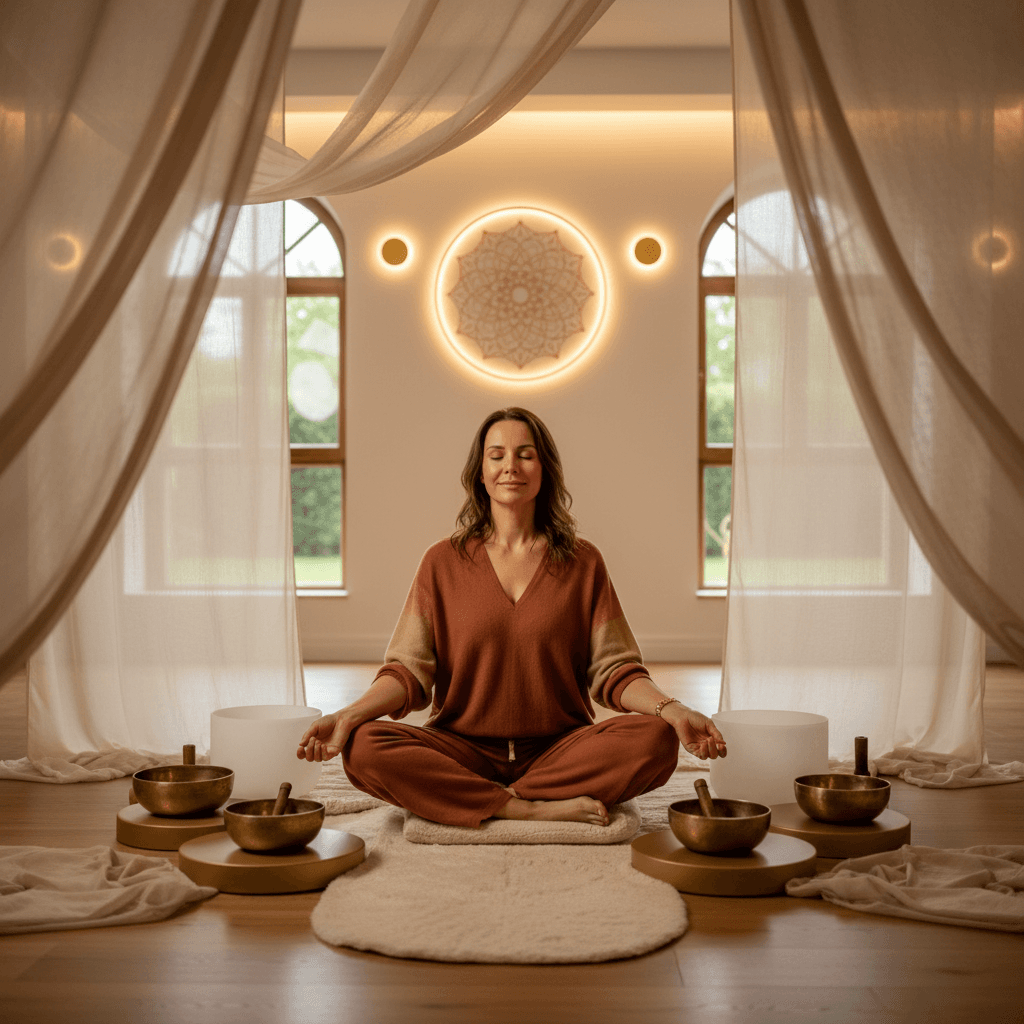
Harmonizing the Beat: Sound Wellness for Law Enforcement Resilience
Key Insights
Discover how sound wellness can profoundly support police officers in managing stress, enhancing emotional intelligence, and fostering resilience amidst daily challenges at Soul Art Dubai.
The life of a law enforcement officer is one of immense challenge, demanding both unwavering courage and profound emotional intelligence. Officers navigate complex, high-stakes situations daily, from de-escalating emotionally charged encounters to responding to critical incidents. This demanding environment, coupled with the constant pressure of public scrutiny and the necessity of making split-second decisions, creates a unique landscape of stress that can profoundly impact an officer's well-being.
Consider the ongoing efforts in evidence-based policing, where research-minded officers are striving to integrate scientific findings into practice. Yet, as highlighted by Lt. Jason Potts of NIJ, policing is inherently about relationship building and emotional intelligence—elements not always quantifiable by traditional science. This underscores a critical need for holistic approaches that support the internal resilience and emotional equilibrium of those who serve and protect. This article explores how sound, often overlooked as a wellness tool, offers a powerful, scientifically-grounded pathway to support law enforcement officers in managing stress, enhancing focus, and cultivating lasting resilience.
The Unseen Burden: Stress in Law Enforcement
Modern policing is a dynamic field constantly evolving with new technologies and demands. While advancements like in-car cameras and body-worn cameras can promote safety and improve officer courtesy, they also introduce increased scrutiny and the potential for heightened stress, with some officers reporting concern about supervisors questioning their decisions. Similarly, technologies like Acoustic Gunshot Detection Systems (AGDS) are designed for quicker response, but studies reveal significant false positive rates, leading to wasted resources and potentially priming officers for violence without cause. Such daily exposure to potential threats, alongside administrative pressures and public expectations, compounds chronic stress.
This persistent stress can manifest as fatigue, difficulty concentrating, impaired decision-making, and diminished emotional intelligence—all critical faculties for an officer's success and safety. The vital role of relationship building and emotional intelligence, as noted in officer-driven research initiatives, cannot be overstated in effective policing. Therefore, finding complementary strategies to support these core competencies is not just beneficial, but essential for the individual officer and the community they serve.
The Science Explained: How Sound Reshapes Resilience
Sound is far more than just what we hear; it is a fundamental vibrational force that profoundly influences our physiological and psychological states. From ancient cultures using chants and drums for healing to modern neuroscience exploring brainwave entrainment, the power of intentional sound to regulate the nervous system and promote well-being is increasingly recognized. For law enforcement officers, who operate in environments where unwanted sound (like crowd-control acoustic weapons designed to inflict pain) and crucial audio data (from body cameras) are integral to their daily experience, understanding the beneficial applications of sound is paramount.
The Brain's Symphony: How Sound Shapes Our Minds
Our brains operate on different electrical frequencies, known as brainwaves, which correspond to various states of consciousness. Beta waves characterize active, alert states; alpha waves are associated with relaxed focus; theta waves with deep relaxation and creativity; and delta waves with restorative sleep. Intentional sound, particularly specific frequencies and rhythmic patterns, can guide our brainwaves from high-stress beta states to calmer alpha and theta states, a phenomenon known as brainwave entrainment. This process helps to quiet the overactive mind, reduce mental chatter, and foster a sense of inner peace.
For officers constantly in a state of hyper-vigilance or experiencing the "fight or flight" response, shifting into these calmer brainwave states is invaluable. This may support improved cognitive function, enhanced problem-solving abilities, and a reduction in the mental fatigue that often accompanies chronic stress. Many people report an ability to think more clearly and creatively after engaging in sound wellness practices, which could be particularly beneficial in complex de-escalation scenarios or critical incident reviews.
Resonance and Regulation: The Vagus Nerve Connection
Beyond brainwave patterns, sound profoundly influences our autonomic nervous system, specifically by activating the parasympathetic branch responsible for "rest and digest" functions. This activation is significantly mediated by the vagus nerve, a crucial neural pathway that connects the brain to many vital organs, including the heart, lungs, and gut. When stimulated by calming sounds and vibrations, the vagus nerve helps to reduce heart rate, lower blood pressure, and decrease the production of stress hormones like cortisol.
A healthy vagal tone—the ability of the vagus nerve to respond efficiently—is associated with greater emotional regulation, improved stress resilience, and enhanced social engagement. For police officers, whose work demands constant emotional fortitude and the ability to maintain composure under pressure, cultivating a robust vagal tone through sound wellness may support their capacity for calm decision-making and empathetic interactions. Preliminary studies indicate that practices stimulating the vagus nerve can improve a person's ability to navigate stressful situations with greater ease.
Beyond Hearing: Cellular and Energetic Impacts
The impact of sound extends beyond our auditory system. The human body is composed of approximately 60% water, making it an excellent conductor of vibrational energy. When exposed to therapeutic sound, these vibrations can permeate tissues, organs, and cells, potentially supporting circulation, reducing muscle tension, and promoting cellular regeneration. This goes beyond simple relaxation; it suggests a deeper, physiological recalibration.
While more research is needed to fully understand the intricate mechanisms, anecdotal evidence suggests that many people experience a profound sense of physical release and energetic balance following sound wellness sessions. For officers who often endure physical strain and hold tension in their bodies, this holistic vibrational effect may offer a complementary pathway to release deeply held stress and tension, contributing to overall physical and mental well-being. This can be especially important given the physical demands and the potential for injury inherent in their profession.
How It Works in Practice: Cultivating Officer Resilience with Sound
Integrating sound wellness into the lives of law enforcement officers is about providing them with accessible tools to proactively manage the inherent stressors of their profession. It's not about replacing critical training in de-escalation or evidence-based policing, but rather complementing it with a powerful self-care practice that builds inner strength and emotional regulation. Sound wellness offers a sanctuary where officers can shed the burden of their responsibilities, even if just for a short period, and return to their duties with renewed clarity and composure.
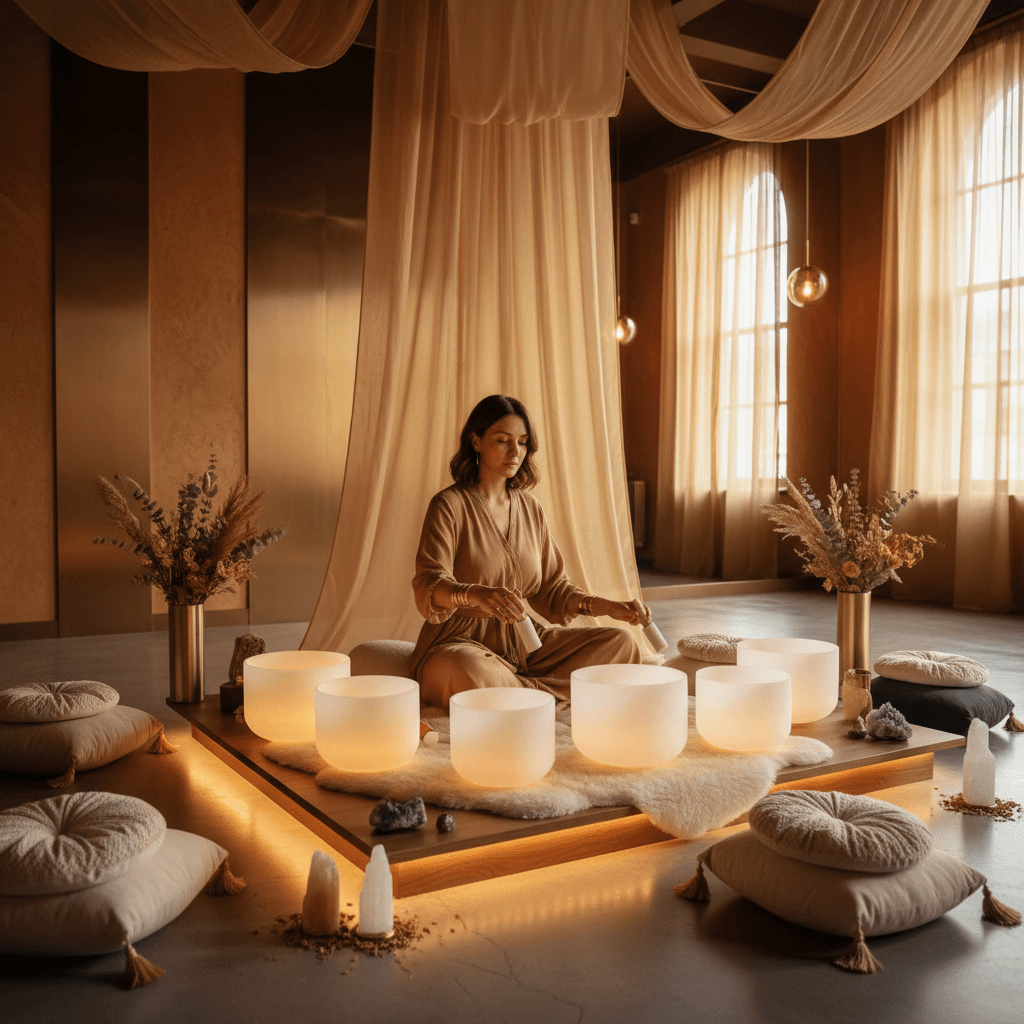
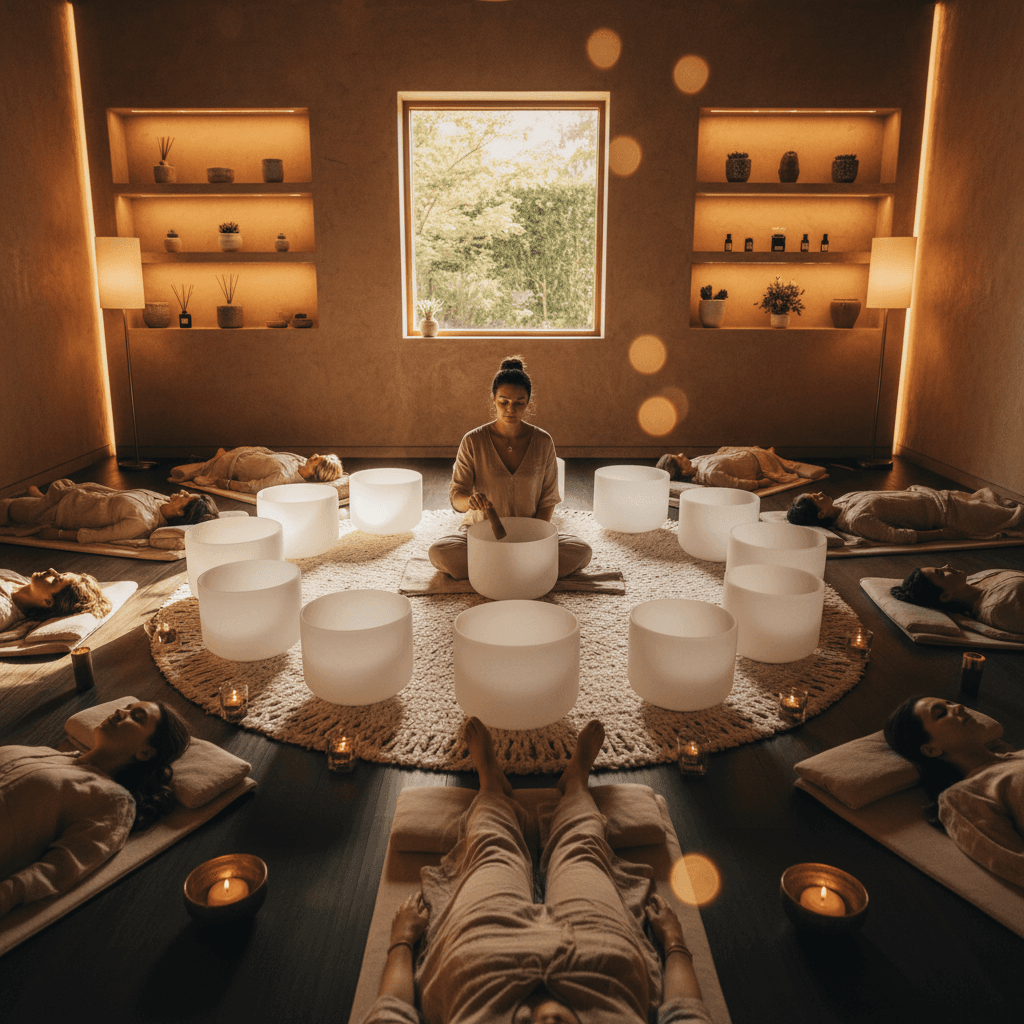
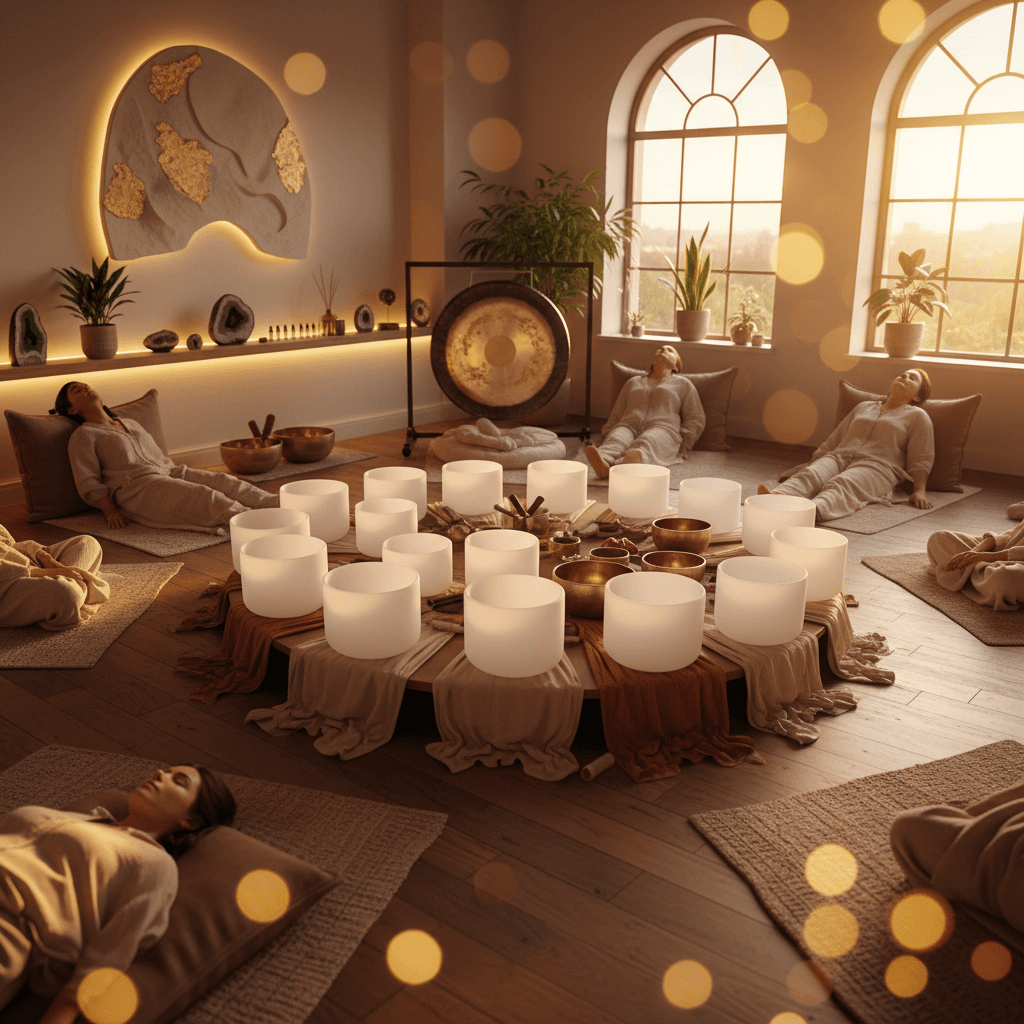
A typical sound wellness session involves participants resting comfortably, often lying down, while a practitioner uses a variety of instruments to create an immersive soundscape. These instruments may include singing bowls, gongs, chimes, and other resonant tools, each carefully chosen for its unique vibrational qualities and harmonic overtones. The experience is designed to be deeply meditative, allowing the body and mind to enter a state of profound relaxation and energetic recalibration.
The sound waves and vibrations gently wash over and through the body, initiating a cascade of beneficial physiological responses. Many clients report a sense of lightness, a release of tension they didn't even realize they were holding, and a significant reduction in anxiety. For officers, this profound relaxation may translate into improved sleep quality, which is crucial for cognitive function and emotional stability. It can also enhance their ability to remain present and focused, vital skills when engaging with community members or responding to dynamic situations. The experience helps to calm the nervous system, which may support officers in maintaining a steady demeanor, even when faced with verbal defiance or aggressive behavior, as highlighted in studies on de-escalation.
Furthermore, sound wellness may foster greater emotional awareness and self-regulation. By regularly engaging in practices that bring the nervous system into a state of balance, officers may develop a stronger capacity to identify and process their emotions rather than suppressing them. This enhanced emotional intelligence is critical for effective communication, relationship building, and ethical decision-making, which are all cornerstones of successful policing, as consistently emphasized by proponents of officer-driven research and evidence-based practices.
"The ability to regulate one's internal state—to find calm amidst chaos—is perhaps the most potent tool an officer can possess. Sound wellness offers a direct pathway to cultivate this indispensable inner resilience."
The gentle, non-invasive nature of sound wellness makes it an ideal complementary approach for stress management. It requires no physical exertion, no prior experience, and can be adapted to suit individual needs. For a profession that demands so much, providing a restorative practice that nurtures the mind, body, and spirit can be a game-changer for officer retention, job satisfaction, and overall effectiveness. Officers reporting an increase in job satisfaction are more likely to also report that cameras promote their safety, indicating a clear link between well-being and a positive outlook on their tools and environment.
The Soul Art Approach: Larissa Steinbach's Vision for Law Enforcement Wellness
At Soul Art, Dubai's premier sound wellness studio, Larissa Steinbach leads a pioneering approach that recognizes the unique demands placed on professionals, including those in law enforcement. Larissa's methodology is rooted in a deep understanding of vibrational science, combined with an empathetic awareness of the need for profound rest and emotional recalibration in high-stress careers. Her vision extends beyond mere relaxation, aiming to cultivate sustained resilience, mental clarity, and emotional equilibrium for every individual who walks through the studio doors.
The Soul Art method is distinct in its holistic integration of diverse instruments and ancient wisdom with modern scientific insights. Larissa carefully curates each session, utilizing a symphony of sound tools chosen for their specific frequencies and therapeutic qualities. Himalayan singing bowls, with their rich, resonant tones, are often placed directly on or around the body, allowing their vibrations to penetrate deeply, releasing tension and promoting cellular relaxation. Gongs, known for their powerful, immersive sound waves, create an expansive sonic field that encourages deep meditative states and can help to clear mental and emotional blockages.
Crystal singing bowls, crafted from pure quartz, produce clear, ethereal tones that resonate with specific energetic centers in the body. Larissa often integrates these with chimes, tuning forks, and other percussive instruments to create a multi-layered soundscape that caters to the diverse needs of her clients. The intentional combination of these instruments, delivered with expert guidance, helps to facilitate brainwave entrainment, activating the parasympathetic nervous system and fostering a profound sense of inner calm.
Larissa Steinbach believes that consistent engagement with sound wellness can equip officers with an internal "reset button," allowing them to discharge accumulated stress and return to a state of balance. Her approach emphasizes individualized care, ensuring that each session supports the officer's unique journey toward greater well-being. By fostering a deeper connection to their inner resources, Soul Art empowers officers to maintain their composure in challenging situations, enhance their decision-making capabilities, and cultivate stronger relationships within their communities—all while safeguarding their own mental and emotional health.
Your Next Steps: Integrating Sound into Your Life
For law enforcement officers and departments seeking innovative ways to support officer well-being and enhance resilience, sound wellness offers a powerful, accessible solution. Prioritizing self-care is not a luxury; it is a necessity for sustaining a challenging and critical career. Embracing complementary practices like sound wellness can significantly contribute to mental fortitude, emotional stability, and overall job satisfaction.
Here are practical steps you can take to explore the benefits of sound for your well-being:
- Explore Guided Sound Meditations: Start with readily available online resources or apps offering guided sound baths and meditations. Even short, consistent sessions can begin to retrain your nervous system.
- Create a Personal Sound Sanctuary: Designate a quiet space at home where you can regularly listen to calming music, nature sounds, or simple chimes. Make this a technology-free zone to truly unwind.
- Investigate Local Wellness Studios: Seek out reputable sound wellness studios like Soul Art in Dubai to experience a professional sound bath or individual session. Experiencing it firsthand can be transformative.
- Advocate for Departmental Wellness Programs: Share the scientific insights and anecdotal benefits of sound wellness with your department's leadership. Propose incorporating sound relaxation techniques into existing officer wellness initiatives.
- Practice Mindful Listening: Beyond formal sessions, practice mindful listening in your daily life. Pay attention to the sounds around you without judgment, observing their qualities. This simple act can anchor you in the present moment.
Soul Art is still in preparation. Session details and booking will be published here after launch.
In Summary: A New Frontier in Officer Well-being
The demanding nature of law enforcement necessitates a holistic approach to officer well-being, one that goes beyond traditional training to support mental, emotional, and physical resilience. As evidence-based policing evolves, it becomes clear that fostering strong emotional intelligence and stress management are critical for officer success and community safety. Sound wellness, with its scientifically-backed ability to regulate the nervous system, entrain brainwaves, and reduce stress hormones, emerges as a powerful complementary tool.
Soul Art, under the expert guidance of Larissa Steinbach, offers a unique and profound pathway for law enforcement officers to achieve deep relaxation, enhanced focus, and sustainable emotional equilibrium. By harnessing the therapeutic power of intentional sound, officers can better navigate the complexities of their profession, fostering greater well-being for themselves and strengthening the communities they serve. This is not just about relaxation; it's about building an unbreakable inner foundation for those who dedicate their lives to protecting others.
Bookings Coming Soon
Soul Art is still in preparation. Session details and booking will be published here after launch.
Coming Soon
Wellness Disclaimer: This article is for educational and informational purposes only. It does not constitute medical advice, diagnosis, or treatment. Soul Art Dubai provides non-medical wellness experiences focused on relaxation, stress management, and general wellbeing. Sound wellness is a complementary practice and should not replace professional medical care.
Related Articles
Chefs: Mastering Kitchen Pressure Through Sound Wellness
Sound for Death Workers: Managing Stress for Funeral Directors
Sound Wellness: Respite for Retail's Customer-Facing Heroes