Poetry and Sound: Unlocking Your Brain's Rhythmic Sanctuary
Key Insights
Explore how the innate rhythms of poetry and sound profoundly influence brain function and wellbeing, guided by Soul Art's Larissa Steinbach.
Did you know your brain is exquisitely attuned to rhythm, often without you even realizing it? From the subtle cadence of a poem to the resonant vibrations of a sound bath, rhythmic patterns hold a profound power to influence our minds and bodies. At Soul Art, founded by Larissa Steinbach, we explore how these ancient connections can be harnessed for modern wellbeing.
This article delves into the fascinating interplay between poetry and sound, revealing the scientific mechanisms through which rhythm impacts our cognitive and emotional states. We will uncover how the structured beauty of words and the immersive nature of sound can create a unique pathway to relaxation, clarity, and inner harmony. Join us as we explore how these elements combine to offer a distinctive form of self-care and holistic wellness.
The Rhythmic Brain: How Poetry Rewires Our Minds
Our brains are not just passive recipients of sensory input; they are active interpreters, constantly seeking patterns and order. Rhythm, whether in spoken word or pure sound, provides a fundamental structure that the brain instinctively recognizes and responds to. This deep-seated connection explains why rhythmic experiences can be so profoundly impactful on our state of being.
Neuroscientific research offers compelling insights into how our minds are hardwired to process and benefit from these rhythmic stimuli. Understanding these mechanisms helps us appreciate the subtle yet powerful influence of poetry and sound on our overall wellness. It highlights the intricate dance between external patterns and our internal neurological landscape.
Brainwave Phase-Locking: The Core Mechanism
At the heart of our brain's rhythmic engagement lies a phenomenon called phase-locking. Research by Suppes (2002) and others suggests that the brain's processes can "phase-lock" to a poem's rhythm, even if this rhythm is not consciously perceived by the listener. This means that our brainwaves synchronize with the temporal patterns of the words, creating a coherent neural response.
This synchronization is akin to how our bodies might unconsciously tap or sway to music, though in poetry, the effect is often more subtle and internal. The brain literally falls into step with the rhythmic pulse of the language, potentially creating a state of deep neural resonance. This foundational mechanism underscores the brain's innate capacity for rhythmic processing.
The evidence for this extends beyond complex poetry, manifesting in everyday activities. Almost all of us are capable of singing, clapping, and dancing, demonstrating a universal capacity for rhythmic engagement. The pleasure derived from these activities speaks to the ubiquitous and deeply satisfying nature of rhythm itself.
Neural Signatures: From Rhyme to Emotion
Advanced neuroimaging techniques, such as fMRI and EEG, have revealed the specific brain areas activated by poetry and rhythmic language. Researchers have observed that the brain is wired to differentiate poetic rhythms and rhymes from ordinary speech. This suggests a dedicated neural pathway for processing these nuanced linguistic structures.
Contemplating poetic imagery and multiple layers of meaning activates areas of the brain involved in interpreting our everyday reality. Studies published in Frontiers of Psychology show distinctive bursts of electrical activity in response to structured poetic forms, even when subjects are unaware of the underlying rules. This indicates an unconscious recognition of poetic "goodness."
The emotional impact of poetry also has distinct neural signatures. Highly emotive poetic samples have been associated with increased activation in areas on the right side of the brain. These are many of the same regions activated by music that elicits feelings of chills or shivers, highlighting a shared neural pathway for profound aesthetic experiences. Conversely, "literary" poems may activate areas predominantly on the left side, including the basal ganglia, involved in both movement regulation and processing challenging sentences.
The Universal Language of Meter
Rhythm in language is often formalized into meter, which involves the regular alternation of prominent and less prominent syllables. This metrical patterning is not merely an aesthetic choice; it holds significant cognitive benefits. Regular metrical structure, for instance, has been found to be easier to remember and reproduce than irregular structures, according to research from Leiden University.
Meter plays a crucial role in various cognitive processes:
- Language acquisition: Supporting the learning of new linguistic patterns.
- Syntactic processing: Aiding the brain in understanding sentence structure.
- Semantic processing: Facilitating the comprehension of meaning.
EEG studies on metered versus non-metered speech indicate that the brain processes these structures differently, often showing stronger responses to the more predictable, metered forms. This suggests a predictive processing mechanism, where the brain anticipates salient rhythmic events, making the experience more engaging and immersive. The "Formal Quality" of poetry, which includes rhythm, lyrical flow, and sound, is a key factor in its overall evaluation, as detailed in a study in Scientific Reports.
"The subtle drumbeat of words, often unheard by the conscious mind, resonates deep within our neural pathways, orchestrating a symphony of feeling and thought."
How It Works in Practice
The scientific understanding of poetry and sound's rhythmic influence translates directly into tangible experiences for individuals. When we engage with structured sound or language, we are not just listening; we are participating in a profound physiological and psychological recalibration. This engagement can lead to a deeper sense of presence and mental ease.
The practical application of these principles extends far beyond formal poetry readings, encompassing a wide range of sound and language-based experiences. Understanding this connection allows us to intentionally seek out environments and practices that leverage rhythm for our benefit. It's about harnessing the inherent musicality of existence.
Consider the rhythmic reading of poetry, which can guide the reader with a musical pulse built through repeating accents and beats. This focus on stressed and unstressed syllables creates a temporal organization that impacts the listener's internal state. For instance, the iambic pentameter, often found in Shakespearean sonnets, mimics the rhythm of a heartbeat, creating a subtle, calming physiological response.
The very sound devices within poetry – like assonance, consonance, and the deliberate use of vowel sounds – contribute to this practical effect. Quick, successive vowels, for example, can create a sense of urgency or energy. Conversely, elongated, resonant vowels might induce a feeling of calm or expansiveness. These choices are not accidental; they are carefully crafted to invoke specific sensory images and emotional responses, as noted by Brighterly.
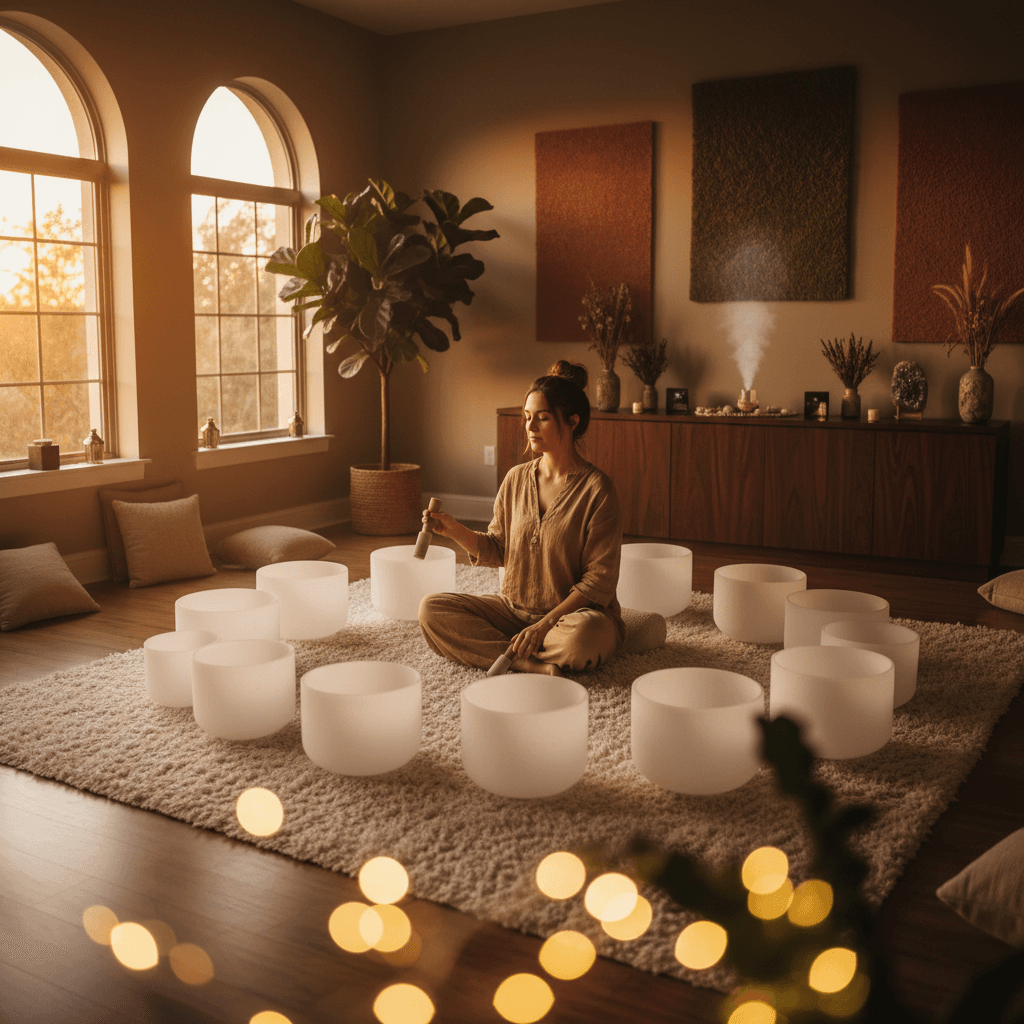
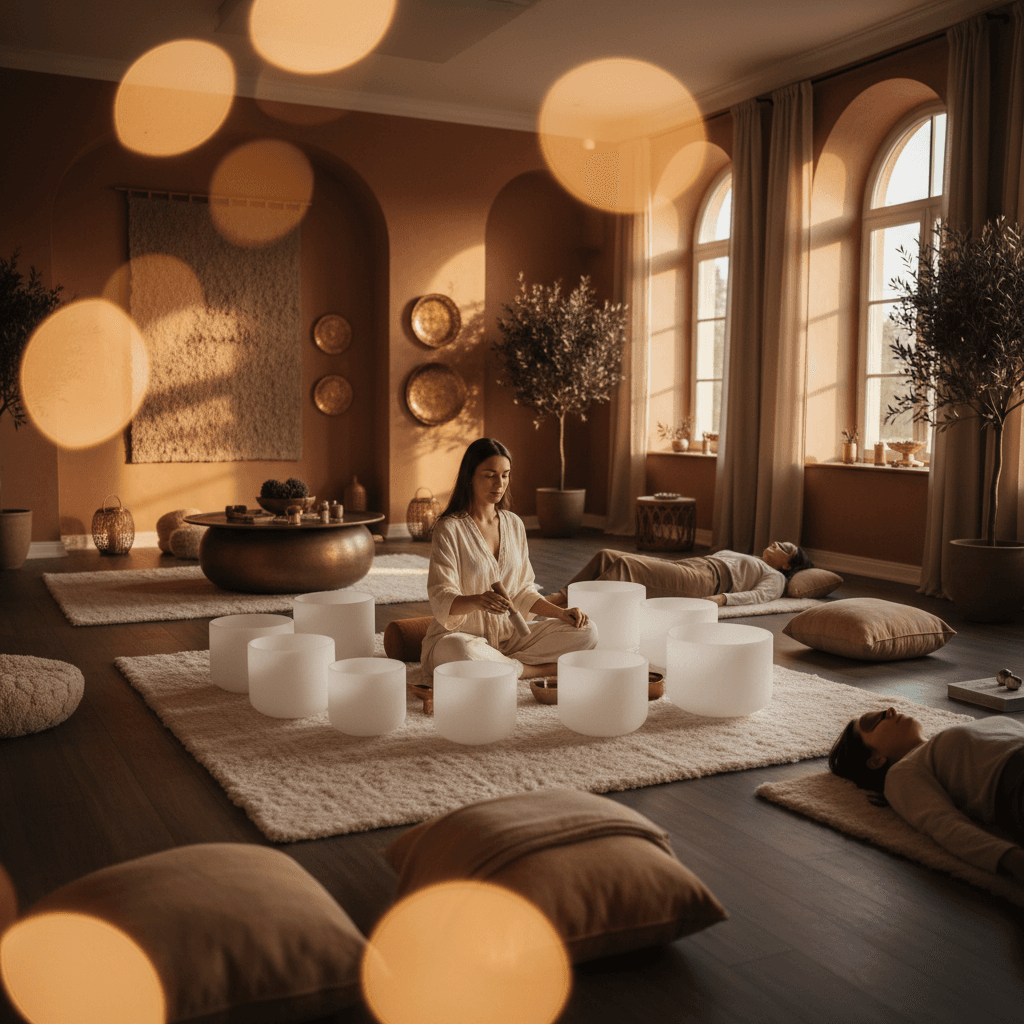
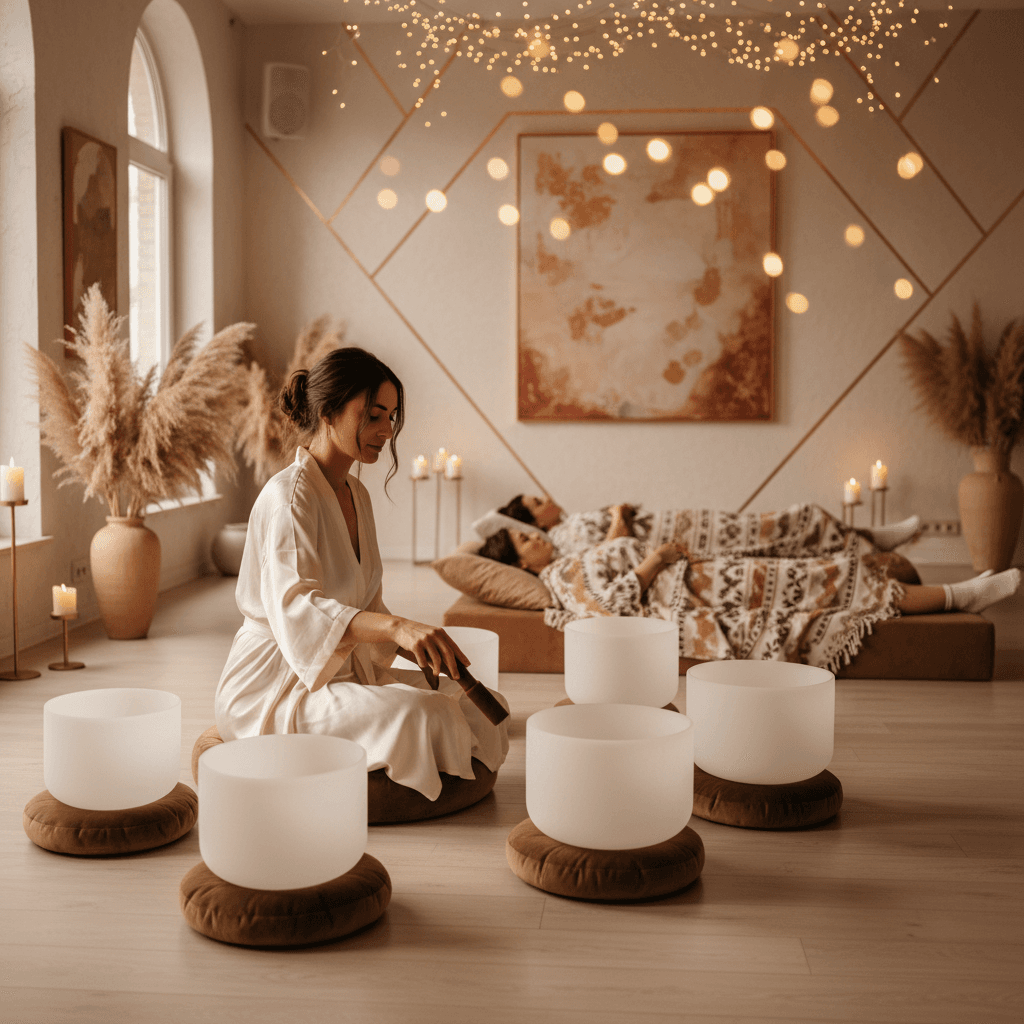
When clients immerse themselves in a sound wellness session, they may experience similar effects, even without explicit spoken words. The consistent, predictable patterns of sound facilitate the brain's phase-locking, guiding it away from fragmented, stress-induced thought patterns. This allows for a gentle release of tension and an opening to deeper states of relaxation. The absence of specific linguistic meaning allows the brain to focus purely on the rhythmic and sonic architecture, potentially enhancing its ability to "unwind."
This rhythmic engagement may support improved focus, reduce mental clutter, and foster emotional regulation. The brain's capacity to process and synchronize with rhythm provides a natural pathway for shifting from a state of mental agitation to one of peaceful contemplation. It's a testament to the power of structured auditory input to shape our inner landscape.
The Soul Art Approach
At Soul Art, Larissa Steinbach intuitively understands the profound connection between rhythm, sound, and wellbeing. Our approach is not about dissecting poetry, but about embodying its core principles of rhythm, resonance, and intentional composition through curated sound experiences. We recognize that the essence of poetic impact lies in its ability to synchronize with and elevate our inner world.
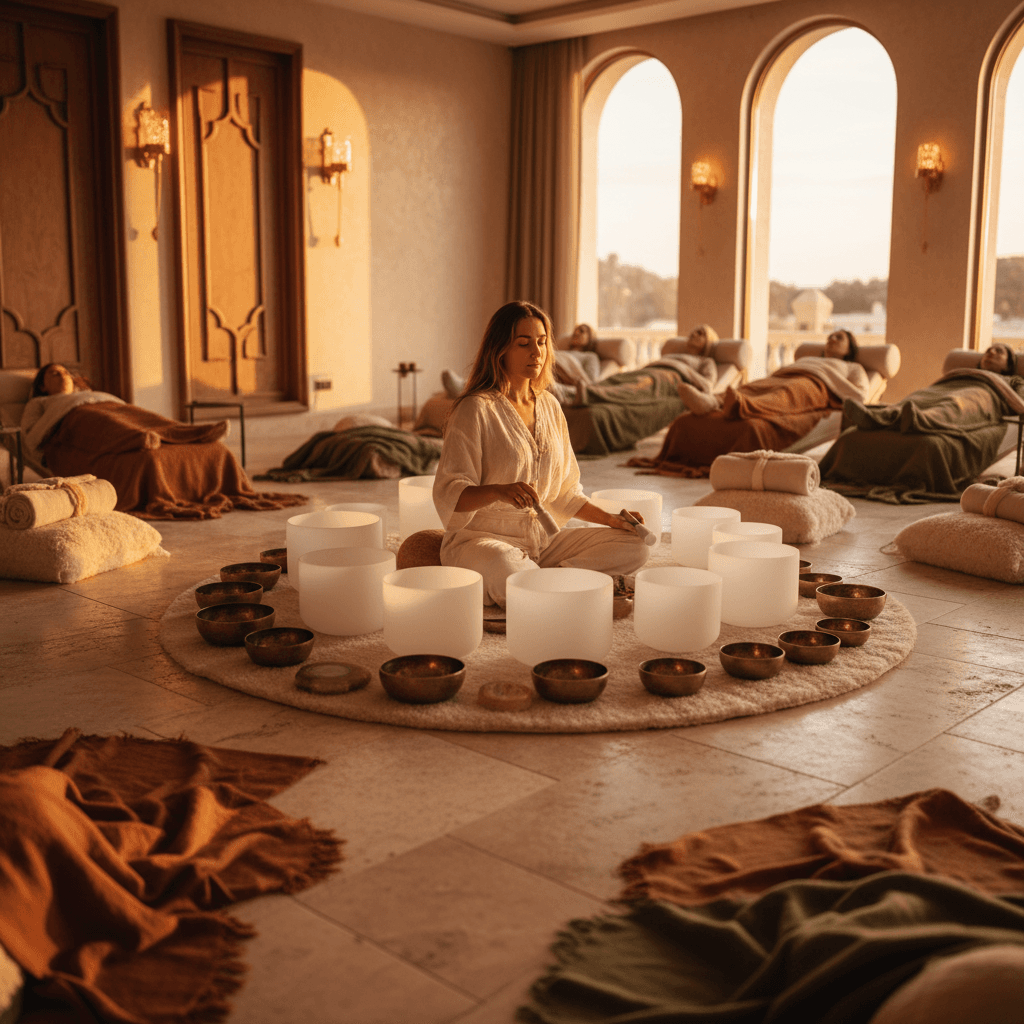
Larissa Steinbach's method at Soul Art focuses on creating immersive sound environments that leverage these inherent rhythmic and sonic principles. The aim is to guide participants into states of deep relaxation and self-discovery by harmonizing with the body's natural rhythms. We believe that by providing a structured, yet fluid, sonic experience, we can facilitate the brain's natural tendency to find coherence and calm.
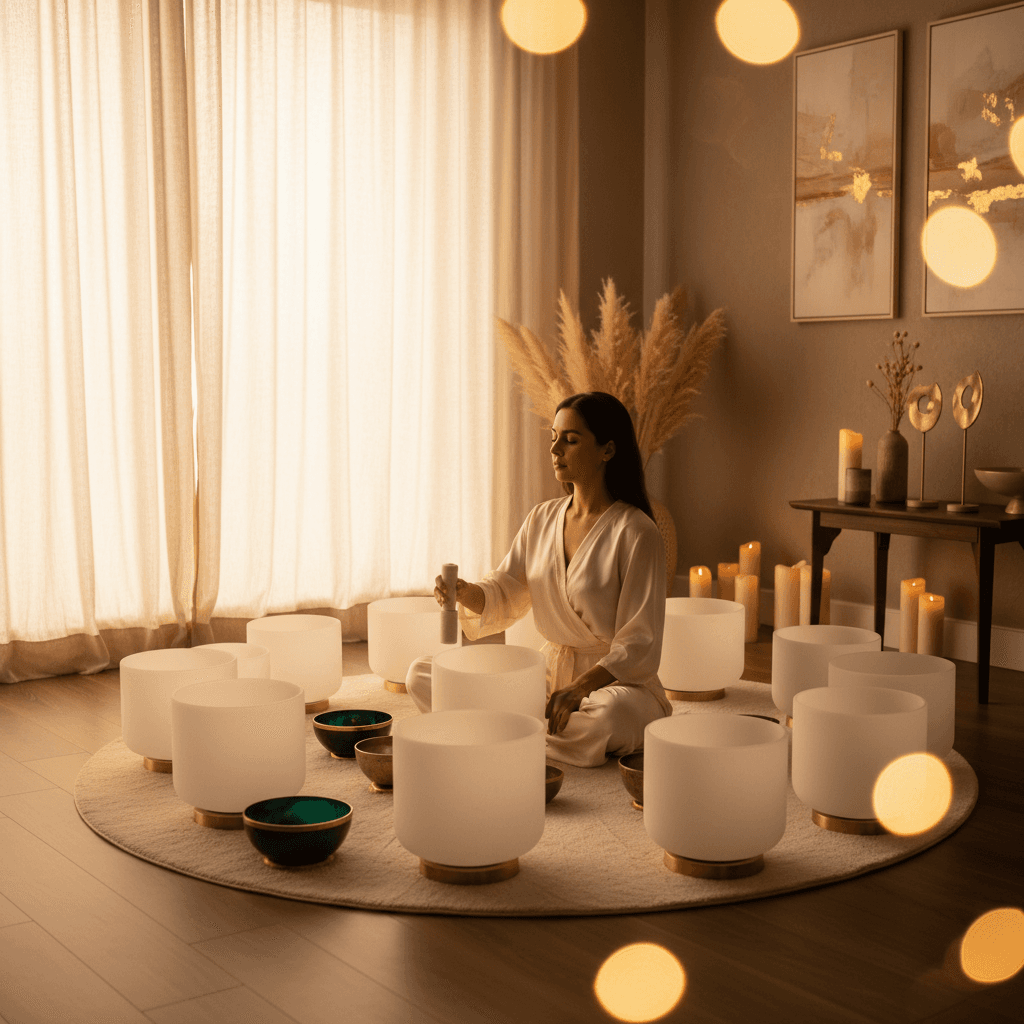
The uniqueness of the Soul Art method lies in its meticulous curation of soundscapes, where every tone and resonance is chosen with purpose. We integrate a variety of instruments known for their powerful vibrational qualities, including:
- Himalayan Singing Bowls: Producing rich, sustained tones that resonate deeply within the body.
- Gongs: Generating expansive, complex sound waves that encourage a meditative state.
- Chimes: Offering delicate, ethereal sounds that promote lightness and clarity.
- Vocalizations: Utilizing the human voice to create resonant harmonies and frequencies.
These instruments are played with a conscious understanding of rhythm and tempo, creating a "poetic" flow of sound that gently encourages the brain to phase-lock. The careful pacing and layering of sounds are designed to mimic the subtle yet powerful rhythmic structures found in effective poetry, fostering a sense of predictable beauty and comforting immersion. It's an exploration of sound as a form of non-verbal poetry, designed to speak directly to the soul.
Larissa Steinbach emphasizes that while our sessions do not typically involve spoken poetry, the principles of rhythmic cadence, resonant sound, and evocative patterning are central. Each session is crafted to be a sonic poem, guiding participants through a journey of sound that may support the release of stress, enhance mindfulness, and foster a deeper connection to their inner selves. This holistic wellness practice offers a unique pathway to quiet luxury and profound self-care.
Your Next Steps
Embracing the power of rhythm and word doesn't require a deep dive into literary analysis. You can begin to integrate these principles into your daily life today to support your overall wellness. Here are a few actionable steps to help you harness the rhythmic potential for relaxation and mental clarity:
- Mindful Listening: Pay attention to the rhythms in your environment – the gentle patterns of nature, the cadence of spoken language, or your favorite music. Notice how these rhythms may subtly shift your mood or focus.
- Engage with Spoken Word: Explore audiobooks, podcasts with clear narrative rhythm, or even recordings of poetry. Allow the patterns of speech and sound to wash over you, without needing to intensely analyze every word.
- Rhythmic Breathing: Practice conscious, rhythmic breathing. Inhaling for a count of four, holding for four, and exhaling for four can create a predictable internal rhythm that may help to calm the nervous system.
- Journal with Intention: When journaling, experiment with the rhythm of your sentences. Notice how different pacing and word choices influence the flow of your thoughts and feelings. This self-exploration can be a powerful form of self-care.
- Experience Structured Sound: Seek out experiences designed to leverage sound and rhythm for wellbeing, such as sound baths or guided meditations that incorporate sonic elements.
These simple practices may support a deeper connection to your internal rhythms and the external world, fostering a sense of harmony and peace. Ready to discover how expertly curated sound experiences can elevate your wellbeing?
Bookings Coming Soon
Soul Art is still in preparation. Session details and booking will be published here after launch.
Coming Soon
In Summary
The intricate dance between poetry and sound offers a profound pathway to enhanced wellbeing, rooted deeply in our brain's innate capacity for rhythmic engagement. Scientific research consistently shows how the brain's processes can phase-lock to rhythmic patterns, influencing our emotions, cognition, and overall state. This deep connection underscores the power of structured auditory experiences to promote relaxation and mental clarity.
At Soul Art, Larissa Steinbach translates these scientific principles into transformative sound wellness experiences, using carefully chosen instruments and vocalizations to create rhythmic, resonant soundscapes. These sessions offer a complementary approach to stress management and holistic wellness, inviting you to synchronize with inner harmony. Explore the unique power of rhythm and sound to unlock your personal sanctuary of peace at Soul Art.